From Surf Wiki (app.surf) — the open knowledge base
Free Trade Party
Former political party in Australia
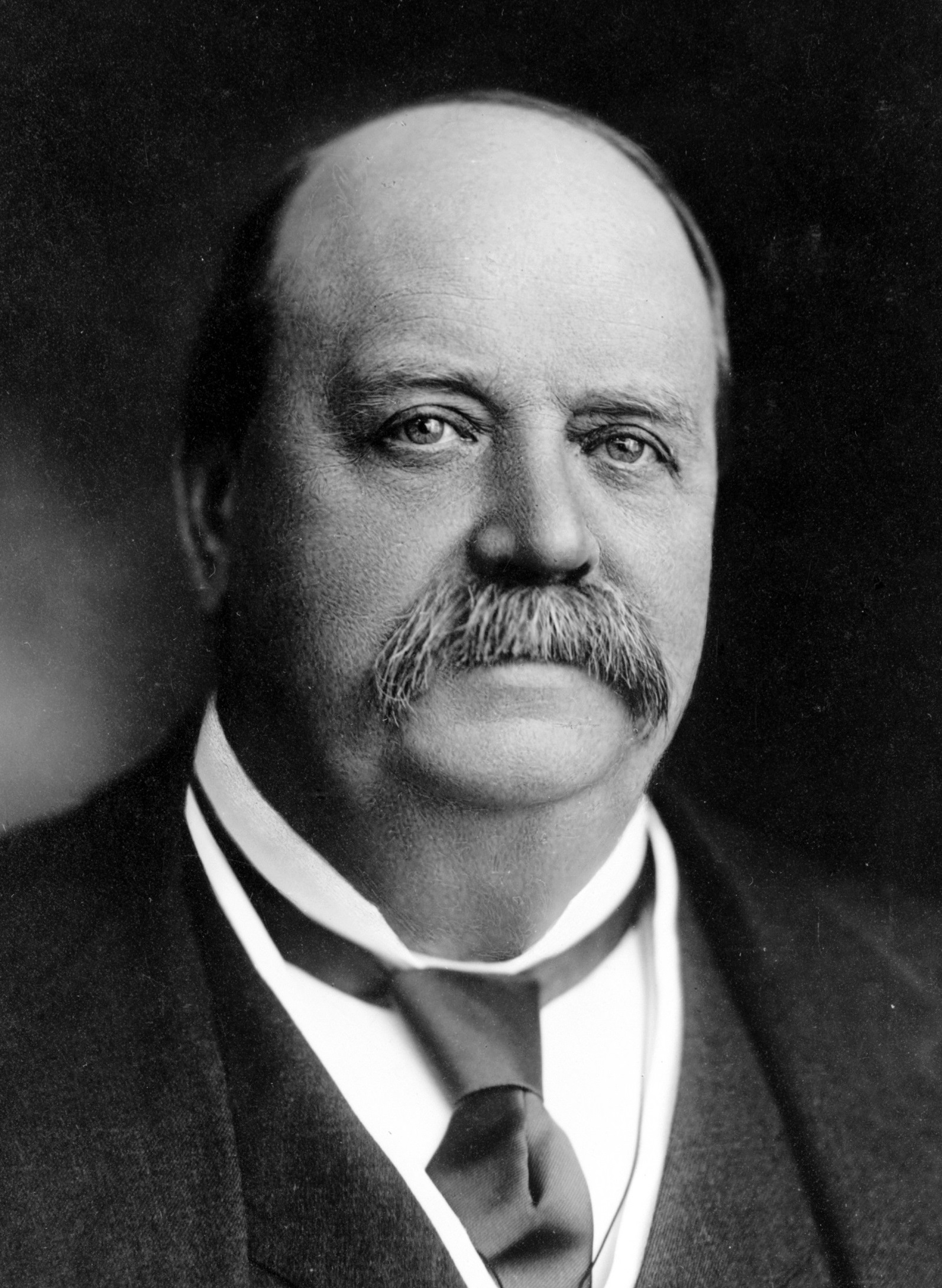
Former political party in Australia
| Field | Value | ||||||||||
|---|---|---|---|---|---|---|---|---|---|---|---|
| name | Free Trade Party | ||||||||||
| native_name | Free Trade and Liberal Association | ||||||||||
| colorcode | |||||||||||
| leader1_title | Leader | ||||||||||
| leader1_name | {{plainlist | ||||||||||
| leader2_title | Deputy Leader | ||||||||||
| leader2_name | Joseph Cook (1904–1908) | ||||||||||
| founded | |||||||||||
| dissolved | |||||||||||
| merger | {{plainlist | ||||||||||
| merged | Liberal | ||||||||||
| headquarters | Hunter Street, Sydney, New South Wales | ||||||||||
| ideology | {{plainlist | ||||||||||
| * Liberalism (Colonial)<ref name | Kemp/ | ||||||||||
| * Laissez-faire (factions)<ref name | Kemp/ | ||||||||||
| * {{nowrap | Conservatism (Australian)<ref>{{cite book | last | Brett | first=Judith | author-link=Judith Brett | date=2012 | title=Australian Liberals and the Moral Middle Class: From Alfred Deakin to John Howard | url= | publisher=Cambridge University Press | page=21 | isbn=978-0521536349}}}} |
| * Classical liberalism<ref name | Kemp/ | ||||||||||
| * Anti-socialism<ref name | griffiths | ||||||||||
| position | Centre-right to right-wing | ||||||||||
| colours | Yellow | ||||||||||
| seats1_title | House of Representatives | ||||||||||
| seats1 | (1901–1903) | ||||||||||
| seats2_title | Senate | ||||||||||
| seats2 | (1901–1903) | ||||||||||
| seats3_title | New South Wales Legislative Assembly | ||||||||||
| seats3 | (1887–1889) | ||||||||||
| country | Australia |
- Henry Parkes
- George Reid (1901–1908)
- Joseph Cook (1908–1909)
- Liberal Political Association
- Free Trade Association
- 1889–1900:
- Federalism
- Liberalism (Colonial)
- Laissez-faire (factions)
- 1901–1909:
- Federalism
- Conservatism (Australian)
- Classical liberalism
- Anti-socialism
The Free Trade Party (FTP), officially known as the Free Trade and Liberal Association and also referred to as the Revenue Tariff Party in some states, was an Australian political party. It was formally organised in 1887 in New South Wales, in time for the 1887 New South Wales colonial election, which the party won.
The party advocated the abolition of protectionism, especially protective tariffs and other restrictions on trade, arguing that this would create greater prosperity for all. However, many members also advocated use of minimal tariffs for government revenue purposes only. Its most prominent leader was George Reid, who led the Reid government as the fourth Prime Minister of Australia (1904–1905).
In New South Wales, it was succeeded by the Liberal and Reform Association in 1902, and federally by the Anti-Socialist Party in 1906. In 1909, the Anti-Socialist Party merged with the Protectionist Party to form the Liberal Party.
History
The party was centred on New South Wales, where its leaders were Sir Henry Parkes and Sir George Reid. It dominated New South Wales colonial politics before federation. It first contested the 1887 New South Wales election.
At the 1901 elections for the first Commonwealth Parliament, the Free Traders, who campaigned in some states as the Revenue Tariff Party, formed the second largest group in the Australian House of Representatives, with 25 seats. Reid became the Parliament's first Opposition Leader with William McMillan as his deputy, later becoming Prime Minister in 1904–05. Dugald Thomson became deputy leader of the party in early 1904 following McMillan's retirement. Thomson would himself hand over the Deputy position to Joseph Cook on 28 July 1905 following the fall of the Reid government.
A separate Tasmanian Revenue Tariff Party contested the 1903 federal election in Tasmania and won two seats. However, the Tasmanian party sat and merged with the Free Trade Party in federal Parliament.
After the question of tariffs had largely been settled, Reid cast around for another cause to justify his party's existence. He settled on opposition to socialism, criticising both the Australian Labour Party and the support offered by it to the Protectionist Party, led by Alfred Deakin. Reid adopted a strategy of trying to reorient the party system along Labour vs non-Labour lines – prior to the 1906 election, he renamed the Free Trade Party to the Anti-Socialist Party. Reid envisaged a spectrum running from socialist to anti-socialist, with the Protectionist Party in the middle. This attempt struck a chord with politicians who were steeped in the Westminster tradition and regarded a two-party system as very much the norm.
The Labor Party and the FTP/ASP continued to grow in electoral strength at the expense of the Protectionist vote. Some Protectionists continued their exodus to Labor and the ASP.
When Deakin proposed the Commonwealth Liberal Party, a "Fusion" of the two non-Labour parties, Reid announced his intention to resign as party leader on 16 November 1908. Joseph Cook was elected leader unopposed on 26 November, and he led the party until the merger with the Protectionists. No deputy leader was elected under Cook.
Leaders
New South Wales Parliament
| No. | Leader | ||||||||||||||||
|---|---|---|---|---|---|---|---|---|---|---|---|---|---|---|---|---|---|
| (birth–death) | Portrait | Electorate | Took office | Left office | Term | Premier (term) | 1 | *Parkes* (1887–1889) | Dibbs (1889) | *Parkes* (1889–1891) | 2 | Dibbs (1891–1894) | *Reid* (1894–1899) | Lyne (1899–1901) | |||
| Henry Parkes | |||||||||||||||||
| (1815–1896) | [[File:Henryparkes.jpg | 100px]] | St Leonards, NSW | 1887 | 22 October 1891 | years | Free Trade Party}}; border-bottom:solid 0 gray" | ||||||||||
| Protectionist Party}}; border-bottom:solid 0 gray" | |||||||||||||||||
| Free Trade Party}}; border-bottom:solid 0 gray" | |||||||||||||||||
| George Reid | |||||||||||||||||
| (1860–1947) | [[File:George Reid cph.3c31684.jpg | 100px]] | East Sydney, NSW | 18 November 1891 | 17 July 1894 | Protectionist Party}}; border-bottom:solid 0 gray" | |||||||||||
| Sydney-King, NSW | 17 July 1894 | 29 March 1901 | Free Trade Party}}; border-bottom:solid 0 gray" | ||||||||||||||
| Protectionist Party}}; border-bottom:solid 0 gray" |
Australian Parliament
| No. | Leader | ||||||||||||||||
|---|---|---|---|---|---|---|---|---|---|---|---|---|---|---|---|---|---|
| (birth–death) | Portrait | Electorate | Took office | Left office | Term | Prime Minister (term) | (2) | Barton (1901–1903) | Deakin (1903–1904) | Watson (1904) | *Reid* (1904–1905) | Deakin (1905–1908) | Fisher (1908–1909) | 3 | |||
| George Reid | |||||||||||||||||
| (1860–1947) | [[File:George Reid cph.3c31684.jpg | 100px]] | East Sydney, Aus | 29 March 1901 | 16 November 1908 | Protectionist Party}}; border-bottom:solid 0 gray" | |||||||||||
| Protectionist Party}}; border-bottom:solid 0 gray" | |||||||||||||||||
| Australian Labor Party}}; border-bottom:solid 0 gray" | |||||||||||||||||
| Free Trade Party}}; border-bottom:solid 0 gray" | |||||||||||||||||
| Protectionist Party}}; border-bottom:solid 0 gray" | |||||||||||||||||
| Australian Labor Party}}; border-bottom:solid 0 gray" | |||||||||||||||||
| Joseph Cook | |||||||||||||||||
| (1860–1947) | [[File:Joseph Cook - Crown Studios 03.jpg | 100px]] | Parramatta, Aus | 26 November 1908 | 26 May 1909 | days |
Electoral results
Parliament of New South Wales
| Election year | # of | ||||||||||
|---|---|---|---|---|---|---|---|---|---|---|---|
| overall votes | % of | ||||||||||
| overall vote | # of | ||||||||||
| overall seats won | +/– | Leader | 1887 | 1889 | 1891 | 1894 | 1895 | 1898 | |||
| 78,238 (#1) | 60.75 | ||||||||||
| 73,348 (#1) | 48.63 | ||||||||||
| 65,850 (#2) | 36.49 | ||||||||||
| 60,966 (#1) | 30.34 | ||||||||||
| 56,347 (#1) | 37.15 | ||||||||||
| 58,214 (#2) | 32.89 |
Parliament of Australia
References
Bibliography
References
- Kemp, David. (2019). "A Free Country: Australians' Search for Utopia 1861–1901". [[Melbourne University Publishing]].
- Brett, Judith. (2012). "Australian Liberals and the Moral Middle Class: From Alfred Deakin to John Howard". [[Cambridge University Press]].
- (January 1998). "The Decline of Free Trade In Australian Politics, 1901–1909". [[Macquarie University]].
- "Australian Free Trade and Liberal Association". [[Oxford University Press]].
- (2024). "White Australia and the Labour Movement". The Queensland Journal of Labour History.
- (11 February 1906). "FREE TRADE PARTY". Sydney Morning Herald.
- (26 May 1906). "PROTECTION AND THE LABOR PARTY". Herald.
- [https://www.cis.org.au/app/uploads/2015/04/images/stories/policy-magazine/2009-autumn/25-1-09-charles-richardson.pdf Fusion: The Party System We Had To Have? - by Charles Richardson CIS 25 January 2009]
- (27 November 1908). "The Direct Opposition: Mr. J. Cook Chosen Leader". Argus.
- (December 1908). "Federal Opposition: No Deputy-Leader To Be Appointed". Australian Star.
This article was imported from Wikipedia and is available under the Creative Commons Attribution-ShareAlike 4.0 License. Content has been adapted to SurfDoc format. Original contributors can be found on the article history page.
Ask Mako anything about Free Trade Party — get instant answers, deeper analysis, and related topics.
Research with MakoFree with your Surf account
Create a free account to save articles, ask Mako questions, and organize your research.
Sign up freeThis content may have been generated or modified by AI. CloudSurf Software LLC is not responsible for the accuracy, completeness, or reliability of AI-generated content. Always verify important information from primary sources.
Report