From Surf Wiki (app.surf) — the open knowledge base
Fourth generation of video game consoles
Gaming generation from 1987 to 2005

Gaming generation from 1987 to 2005
In the history of video games, the fourth generation of video game consoles, more commonly referred to as the 16-bit era, began on October 30, 1987, with the Japanese release of NEC Home Electronics' PC Engine (known as the TurboGrafx-16 in North America). Though NEC released the first console of this era, sales were mostly dominated by the rivalry between Sega and Nintendo across most markets: the Mega Drive (known as the Genesis in North America) and the Super Nintendo Entertainment System (known as the Super Famicom in Japan). Cartridge-based handheld game consoles became prominent during this time, such as the Game Boy, Lynx, Game Gear, and TurboExpress.
Nintendo was able to capitalize on its success in the third generation, and managed to win the largest worldwide market share in the fourth generation as well. However, particularly in the lucrative North American market, there was a fierce console war in the early 1990s, which eventually saw Sega taking a market share lead over Nintendo in North America by 1993. Sega's success in this era stemmed largely from its launch of its popular Sonic the Hedgehog franchise to compete with Nintendo's Super Mario series, as well as a very stylized marketing campaign aimed at American teenagers. Several other companies released consoles in this generation, but none of them were widely successful. Nevertheless, there were other companies that started to take notice of the maturing video game industry and begin making plans to release consoles of their own in the future. As with prior generations, game media still continued to be distributed primarily on ROM cartridges, though the first optical disc systems, such as the Philips CD-i, were released to limited success. There was additionally competition with games on home computers such as the Amiga, Atari ST, Apple IIGS, and IBM PC compatibles, especially in markets like Europe. As games became more complex, concerns over violence in games like Mortal Kombat and Night Trap led to the creation of the Entertainment Software Rating Board.
The emergence of fifth generation video game consoles, beginning around 1994, did not initially significantly diminish the popularity of fourth generation consoles. In 1996, however, there was a major drop in sales of hardware from this generation and a dwindling number of software publishers supporting its systems, which together led to a drop in software sales in subsequent years.
Differences from third generation consoles
Features that distinguish some fourth generation consoles from third generation consoles include:
- 16-bit microprocessors
- Multi-button game controllers with many buttons (3 to 8)
- Parallax scrolling of multi-layer tilemap backgrounds
- Large sprites (up to 64×64 or 16×512 pixels), 80–380 sprites on screen, 16–96 sprites per scan line
- Elaborate color, 64 to 4096 colors on screen, from palettes of 512 (9-bit) to 65,536 (16-bit) colors
- Stereo audio, with multiple channels and digital audio playback (PCM, ADPCM)
- Advanced music synthesis (FM, wavetable and/or sample-based synthesis)
Additionally, in specific cases, fourth generation hardware featured:
- Backgrounds with pseudo-3D scaling and rotation
- Sprites that can individually be scaled and rotated
- Flat-shaded 3D polygon graphics
- Surround sound support
- CD-ROM support via add-ons, allowing larger storage space, full motion video playback, and streaming CD-DA audio playback
Home systems
TurboGrafx-16
Main article: TurboGrafx-16
The PC Engine was the result of a collaboration between Hudson Soft and NEC and launched in Japan on October 30, 1987. It launched under the name TurboGrafx-16 in North America on August 29, 1989.
Initially, the PC Engine was quite successful in Japan, partly due to titles available on the then-new CD-ROM format. NEC released a CD add-on in 1990 and by 1992 had released a combination TurboGrafx and CD-ROM system known as the TurboDuo.
In the United States, NEC used Bonk, a head-banging caveman, as their mascot and featured him in most of the TurboGrafx advertising from 1990 to 1994. The platform was well received initially, especially in larger markets, but failed to make inroads into the smaller metropolitan areas where NEC did not have as many store representatives or as focused in-store promotion.
The TurboGrafx-16 failed to maintain its sales momentum or to make a strong impact in North America. The TurboGrafx-16 and its CD combination system, the Turbo Duo, ceased manufacturing in North America by 1994, though a small amount of software continued to trickle out for the platform.
Mega Drive/Genesis
Main article: Sega Genesis

The Mega Drive was released in Japan on October 29, 1988. The console was released in New York City and Los Angeles on August 14, 1989, under the name Sega Genesis, and in the rest of North America later that year. It was launched in Europe and Australia on November 30, 1990, under its original name.
Sega built its marketing campaign around its new mascot Sonic the Hedgehog, pushing the Genesis as the "cooler" alternative to Nintendo's console and inventing the term "Blast Processing" to suggest that the Genesis was capable of handling games with faster motion than the SNES. Their advertising was often directly adversarial, leading to commercials such as "Genesis does what Nintendon't" and no scream at all.
When the arcade game Mortal Kombat was ported for home release on the Genesis and Super Nintendo Entertainment System, Nintendo decided to censor the game's gore, but Sega kept the content in the game, via a code entered at the start screen. Sega's version of Mortal Kombat received generally more favorable reviews in the gaming press and outsold the SNES version three to one. This also led to Congressional hearings to investigate the marketing of violent video games to children, and to the creation of the Interactive Digital Software Association and the Entertainment Software Rating Board. Sega concluded that the superior sales of their version of Mortal Kombat were outweighed by the resulting loss in consumer trust, and cancelled the game's release in Spain to avoid further controversy. With the new ESRB rating system in place, Nintendo reconsidered its position for the release of Mortal Kombat II, and this time became the preferred version among reviewers. The Toy Retail Sales Tracking Service reported that during the key shopping month of November 1994, 63% of all 16-bit video game consoles sold were Sega systems.
The console was never popular in Japan (being regularly outsold by the PC Engine), but still managed to sell 30.75 million units worldwide. By late 1995, Sega was supporting five different consoles and two add-ons, and Sega Enterprises chose to discontinue the Mega Drive in Japan to concentrate on the new Sega Saturn. While this made perfect sense for the Japanese market, it was disastrous in North America: the market for Genesis games was much larger than for the Saturn, but Sega was left without the inventory or software to meet demand.
Super NES
Main article: Super Nintendo Entertainment System

Nintendo's fourth-generation console, the Super Famicom, was released in Japan on November 21, 1990; Nintendo's initial shipment of 300,000 units sold out within hours. The machine reached North America as the Super Nintendo Entertainment System on August 23, 1991, and Europe and Australia in April 1992.
Despite stiff competition from the Mega Drive/Genesis console, the Super NES eventually took the top selling position, selling 49.10 million units worldwide, and would remain popular well into the fifth generation of consoles. Nintendo's market position was defined by its machine's increased video and sound capabilities, including exclusive first-party franchise titles such as F-Zero, Super Mario World, Star Fox, Super Mario Kart, Donkey Kong Country, The Legend of Zelda: A Link to the Past and Super Metroid.
Compact Disc Interactive (CD-i)
Main article: Philips CD-i
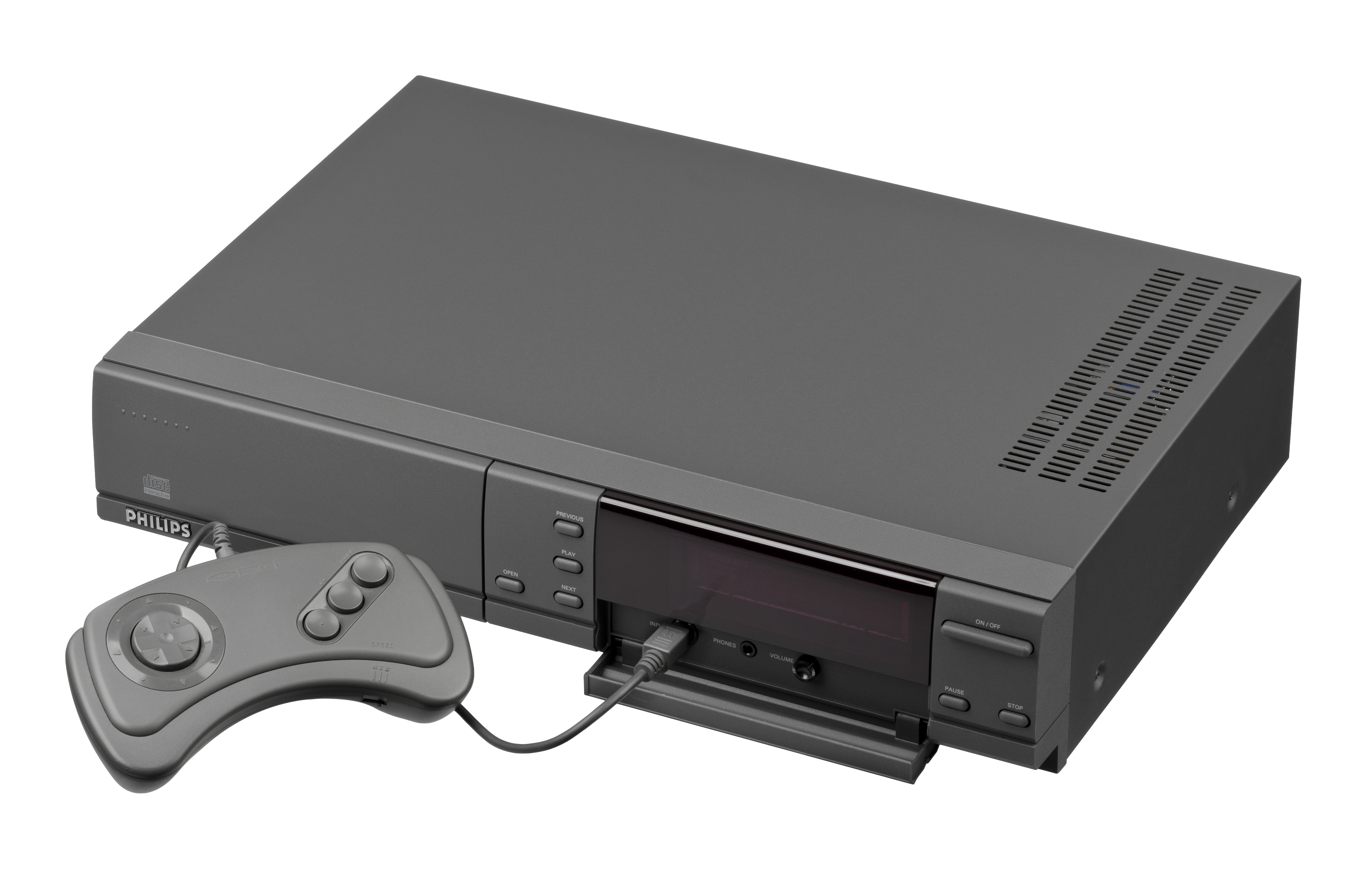
The CD-i format was announced in the late 1980s, with the first machines compatible with the format being released in 1991. The Philips CD-i's main selling point was that it was more than a game machine and could be used for multimedia needs. Due to an agreement between Nintendo and Philips about an abortive CD add-on for the SNES (which eventually evolved into Sony's PlayStation), Philips also had rights to use some of Nintendo's franchises. The CD-i was a commercial failure and was discontinued in 1998, selling only 1 million units worldwide despite several partnerships and multiple versions of the device, some made by other manufacturers.
Neo Geo
Main article: Neo Geo (console)
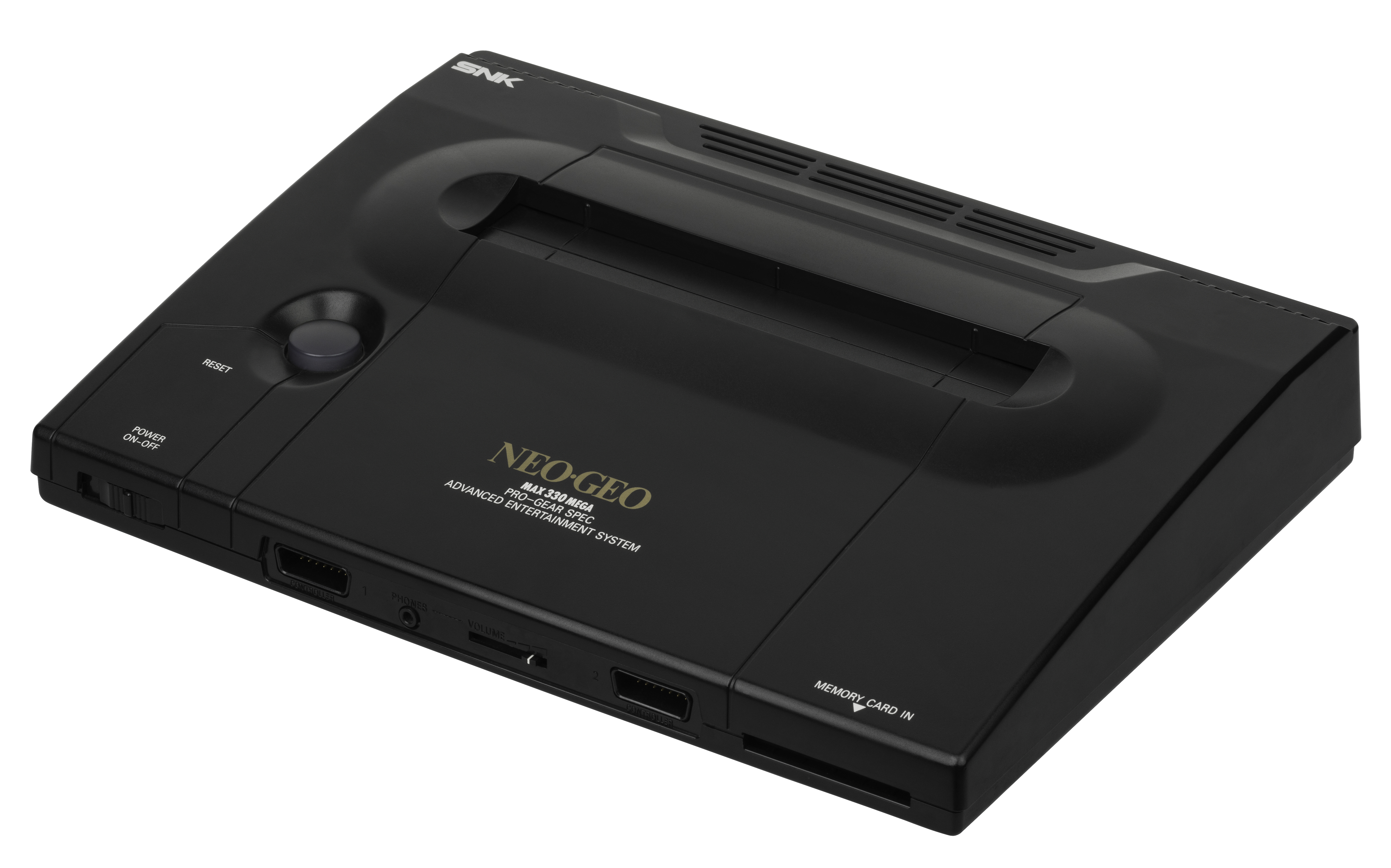
Released by SNK in 1990, the Neo Geo was a home console version of the major arcade platform. Compared to its console competition, the Neo Geo had much better graphics and sound, however, the prohibitively expensive launch price of $649.99 and games often retailing at over $250 made the console only accessible to a niche market. A less expensive version, retailing for $399.99, did not include a memory card, pack-in game or extra joystick.
Add-ons
Nintendo, NEC and Sega also competed with hardware peripherals for their consoles in this generation. NEC was the first with the release of the TurboGrafx CD system in 1990. Retailing for $399.99 at release, the CD add-on was not a popular purchase, but was largely responsible for the platform's success in Japan. The Sega CD was released with an unusually high price tag ($300 at its release) and a limited library of games. A unique add-on for the Sega console was Sega Channel, a subscription-based service (a form of online gaming delivery) hosted by local television providers. It required hardware that plugged into a cable line and the Genesis.
Nintendo also made two attempts with the Satellaview and the Super Game Boy. The Satellaview was a satellite service released only in Japan and the Super Game Boy was an adapter for the SNES that allowed Game Boy games to be displayed on a TV in color. Nintendo, working along with Sony, also had plans to create a CD-ROM drive for the SNES (plans that resulted in a prototype version of the Sony PlayStation), but eventually decided not to go through with that project, opting to team up with Philips in the development of the add-on instead (contrary to popular belief, the CD-i was largely unrelated to the project).
|File:Super CD-ROM2 with CoreGrafx II (3-4 right view).jpg|PC Engine CoreGrafx II with Super CD-ROM |File:Sega-CD-Model2-Set.jpg|Second model Genesis and Sega CD |File:Sega-Genesis-32X-01.jpg|32X |File:Satellaview.jpg|Satellaview |File:Nintendo-Super-Game-Boy.jpg|Super Game Boy ||Super NES CD-ROM
European importing
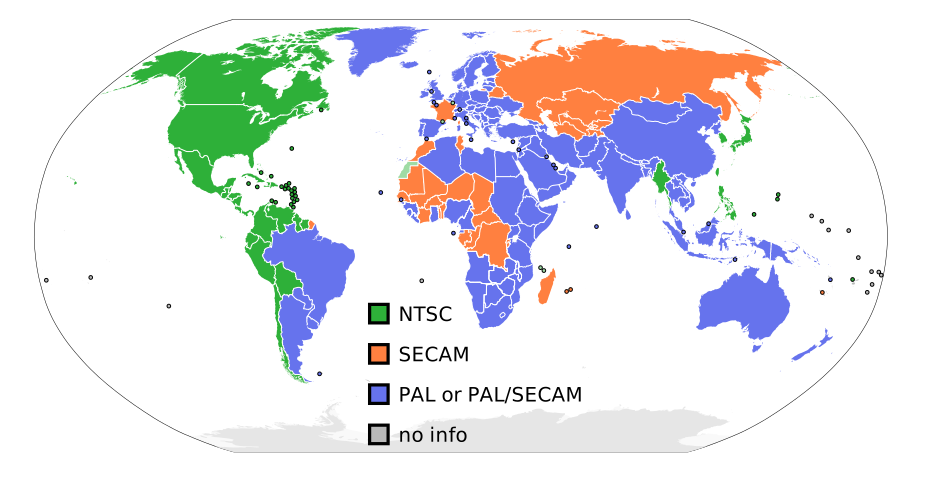
]] The fourth generation was also the era when the act of buying imported US games became more established in Europe, and regular stores began to carry them. The PAL region has a refresh rate of 50 Hz (compared with 60 Hz for NTSC) and a vertical resolution of 625 interlaced lines (576 effective), compared with 525/480 for NTSC. Because the simulation speed of contemporary game systems was directly linked to the output frame rate, which was in turn synchronized with the TV's refresh rate, this meant that the game would run more slowly on a PAL television. The smaller number of vertical lines in the NTSC signal would also lead to black bars appearing on the top and bottom of a PAL television. Developers often had a hard time converting games designed for the American and Japanese NTSC standard to the European and Australian PAL standard. Companies such as Konami, with large budgets and a healthy following in Europe and Australia, readily optimized several games (such as the International Superstar Soccer series) for this audience, while most smaller developers did not.
Also, few RPGs were released in Europe because the market for the genre was not as large as in Japan or North America, and the increasing amount of time and money required for translation as RPGs became more text-heavy, in addition to the usual need to convert the games to the PAL standard, often made localizing the games to Europe a high-cost venture with little potential payoff. As a result, RPG releases in Europe were largely limited to games which had previously been localized for North America, thus reducing the amount of translation required.
Popular US games imported at this time included Final Fantasy IV (known in the US as Final Fantasy II), Final Fantasy VI (known in the US as Final Fantasy III), Secret of Mana, Street Fighter II, Chrono Trigger, and Super Mario RPG. Secret of Mana and Street Fighter II would eventually receive official release in Europe, whilst Final Fantasy IV, Final Fantasy VI, Chrono Trigger and Super Mario RPG would be released in Europe years later on other consoles or formats outside of this generation.
Comparison
| Name | PC-Engine/ | |||||||||||||||||||||||||||||||||
|---|---|---|---|---|---|---|---|---|---|---|---|---|---|---|---|---|---|---|---|---|---|---|---|---|---|---|---|---|---|---|---|---|---|---|
| TurboGrafx-16 | Mega Drive/ | |||||||||||||||||||||||||||||||||
| Genesis | Super Famicom/ | |||||||||||||||||||||||||||||||||
| Super NES | Neo Geo | Manufacturer | Image(s) | Release date | Launch prices | US$ | GBP | JP¥ | Media | Type | Regional lockout | Backward compatibility | Pack-in game | Best-selling games | Accessories (retail) | CPU | GPU | Sound chip(s) | RAM | Video | Audio | |||||||||||||
| NEC | Sega | Nintendo | SNK | |||||||||||||||||||||||||||||||
| [[File:PC-Engine-Console-Set.jpg | 150px]] | |||||||||||||||||||||||||||||||||
| [[File:TurboGrafx-16-Console.jpg | 150px]] | [[File:Sega-Mega-Drive-JP-Mk1-Console-Set.jpg | 150px]] | |||||||||||||||||||||||||||||||
| [[File:Sega-Genesis-Mk2-6button.jpg | 150px]] | [[File:Super-Famicom-Console-Set.jpg | 150px]] | |||||||||||||||||||||||||||||||
| [[File:SNES-Mod1-Console-Set.jpg | 150px]] | [[File:Neo-Geo-AES-Console-Set.jpg | 150x150px]][[File:Neo-Geo-CD-TopLoader-wController-FL.jpg | 150x150px]] | ||||||||||||||||||||||||||||||
| {{vgrelease | JP | October 30, 1987 | NA | August 29, 1989 | EU | 1990 | }} | |||||||||||||||||||||||||||
| US$199.99 () | US$189.99 () | US$199.99 () | US$649.99 (Gold version) () | |||||||||||||||||||||||||||||||
| date=September 1990 | title=Megadrive – Official at Last | url=https://archive.org/stream/Computer_Video_Games_Issue_106_1990-09_EMAP_Publishing_GB/Computer__Video_Games_Issue_106_1990-09_EMAP_Publishing_GB#page/n11/mode/2up | magazine=Computer and Video Games | location=United Kingdom | publisher=Future Publishing | issue=106 | page=13 | archive-url=https://web.archive.org/web/20161007203253/http://archive.org/stream/Computer_Video_Games_Issue_106_1990-09_EMAP_Publishing_GB/Computer__Video_Games_Issue_106_1990-09_EMAP_Publishing_GB#page/n11/mode/2up | archive-date=October 7, 2016 | url-status=live}} () | £150 () | |||||||||||||||||||||||
| ¥21,000 () | ¥25,000 () | |||||||||||||||||||||||||||||||||
| {{Yes | Nintendo Entertainment System (unlicensed, using Super 8) | |||||||||||||||||||||||||||||||||
| Keith Courage in Alpha Zones | Sonic the Hedgehog (15 million) | url=http://www.edge-online.com/features/nintendo-years | title=The Nintendo Years: 1990 | website=Edge | page=2 | date=June 25, 2007 | access-date=June 27, 2007 | archive-url=https://web.archive.org/web/20120820031228/http://www.edge-online.com/features/nintendo-years | archive-date=August 20, 2012}} | |||||||||||||||||||||||||
| Bonk's Adventure | {{plainlist | url=https://www.capcom.co.jp/ir/english/business/million.html | title=Platinum Titles | publisher=Capcom | access-date=August 21, 2010 | archive-url=https://web.archive.org/web/20110605002550/http://capcom.co.jp/ir/english/business/million.html | archive-date=June 5, 2011 }} | Samurai Shodown | ||||||||||||||||||||||||||
| Hudson Soft HuC6280A (based on 8-bit 65SC02) | ||||||||||||||||||||||||||||||||||
| 1.79 MHz (0.77 MIPS) or 7.16 MHz (3.08 MIPS) | ||||||||||||||||||||||||||||||||||
| Sony APU (Audio Processing Unit) | Yamaha YM2610 | |||||||||||||||||||||||||||||||||
| Stereo audio with: | Stereo audio with: | Stereo audio with: | Stereo audio with: |
Other consoles
| Name | PC Engine SuperGrafx | PC Engine Duo/TurboDuo | CD-i | Wondermega/X'Eye | Manufacturer | Console | Release date | Launch prices | US$ | JP¥ | Media | Type | Regional lockout | Backward compatibility | GPU | Sound chip(s) | RAM | Video | Audio | ||
|---|---|---|---|---|---|---|---|---|---|---|---|---|---|---|---|---|---|---|---|---|---|
| NEC | Philips | Victor/JVC | |||||||||||||||||||
| [[File:SuperGrafx-Console-Set.jpg | 150px]] | [[File:PC-Engine-Duo-Console-Set.jpg | 150px]] | ||||||||||||||||||
| [[File:NEC-TurboDuo-Console-wController-L.jpg | 150px]] | [[File:CD-i-910-Console-Set.jpg | 150px]] | ||||||||||||||||||
| [[File:Philips-CDi-220-wController-FL.jpg | 150px]] | [[File:Victor-WonderMega-RG-M2-Console-Set.jpg | 150px]] | ||||||||||||||||||
| {{vgrelease | JP | December 8, 1989 | }} | ||||||||||||||||||
| US$299.99 () | US$799 () | US$500 () | |||||||||||||||||||
| ¥59,800 () | |||||||||||||||||||||
| HuCard | HuCard, CD-ROM | CD-ROM | Cartridge, CD-ROM | ||||||||||||||||||
| Sega ASIC coprocessor | |||||||||||||||||||||
| Ricoh RF5c164 | |||||||||||||||||||||
| Stereo audio with: | Stereo audio with: | Stereo audio with: |
File:CDTV.jpg|Commodore CDTV Released in 1991 File:Blank.svg|Video Information System by Tandy Released in 1992 File:Kids Computer Pico-01.jpg|Sega Pico Released in 1993 File:Pioneer-LaserActive-Set-FL.jpg|LaserActive by Pioneer Released in 1993 File:Blank.svg|CPS Changer by Capcom Released in 1994 File:Super-ACan-Console-set-h.jpg|Super A'Can Released in Taiwan on October 25, 1995
Worldwide sales standings
| Console | Firm | Units sold |
|---|---|---|
| Super Nintendo Entertainment System | Nintendo | 49.1 million |
| Sega Mega Drive/Genesis | Sega | 35.25 million |
| PC Engine/TurboGrafx-16 | NEC | 7.7 million |
| Sega CD | Sega | 2.765 million |
| PC Engine CD-ROM² | NEC | 1.92 million |
| Neo Geo AES | SNK | 1.18 million |
| Philips CD-i | Philips | 1 million |
| Sega 32X | Sega | 800,000 |
| Neo Geo CD | SNK | 570,000 |
Handheld systems
The first handheld game console released in the fourth generation was the Game Boy, on April 21, 1989. It went on to dominate handheld sales by an extremely large margin, despite featuring an 8-bit microprocessor and a low-contrast, unlit monochrome screen while all three of its leading competitors had color. Three major franchises made their debut on the Game Boy: Tetris, the Game Boy's killer application; Pokémon; and Kirby. With some design (Game Boy Pocket, Game Boy Light) and hardware (Game Boy Color) changes, it continued in production in some form until 2008, enjoying a better than 18-year run.
The Atari Lynx included hardware-accelerated color graphics, a backlight, and the ability to link up to sixteen units together in an early example of network play when its competitors could only link 2 or 4 consoles (or none at all), but its comparatively short battery life (approximately 4.5 hours on a set of alkaline cells, versus 35 hours for the Game Boy), and high price, resulted in the Lynx only selling 2 Million worldwide.{{Cite book
The third major handheld of the fourth generation was the Game Gear. It featured graphics capabilities roughly comparable to the Master System (better colours, but lower resolution), a ready made games library by using the "Master-Gear" adaptor to play cartridges from the older console, and the opportunity to be converted into a portable TV using a cheap tuner adaptor, but it also suffered some of the same shortcomings as the Lynx. While it sold more than twenty times as many units as the Lynx, its bulky design – slightly larger than even the original Game Boy; relatively poor battery life – only a little better than the Lynx; and later arrival in the marketplace – competing for sales amongst the remaining buyers who did not already have a Game Boy – hampered its overall popularity despite being more closely competitive to the Nintendo in terms of price and breadth of software library. Sega eventually retired the Game Gear in 1997, a year before Nintendo released the first examples of the Game Boy Color, to focus on the Nomad and non-portable console products.
Other handheld consoles released during the fourth generation included the TurboExpress, a handheld version of the TurboGrafx-16 released by NEC in 1990, and the Game Boy Pocket, an improved model of the Game Boy released about two years before the debut of the Game Boy Color. While the TurboExpress was another early pioneer of color handheld gaming technology and had the added benefit of using the same game cartridges or 'HuCards' as the TurboGrafx16, it had even worse battery life than the Lynx and Game Gear – about three hours on six contemporary AA batteries – selling only 1.5 million units.
List of handheld consoles
| Console | Game Boy | ||||||||||||||||||||||||||||||
|---|---|---|---|---|---|---|---|---|---|---|---|---|---|---|---|---|---|---|---|---|---|---|---|---|---|---|---|---|---|---|---|
| Game Boy Pocket | |||||||||||||||||||||||||||||||
| Game Boy Light | Atari Lynx | Game Gear | PC Engine GT | ||||||||||||||||||||||||||||
| TurboExpress | |||||||||||||||||||||||||||||||
| PC Engine LT | Manufacturer | Image | Release date | Launch price | US$ | GBP | A$ | JP¥ | Units sold | Media | Type | Regional lockout | Backward compatibility | Best-selling games | CPU | Memory | Video | Audio | |||||||||||||
| Nintendo | Atari | Sega | NEC | ||||||||||||||||||||||||||||
| [[File:Game-Boy-FL.jpg | 70px]] [[File:Game-Boy-Pocket-FL.jpg | 70px]] [[File:Game-Boy-Light-FL.jpg | 70px]] | [[File:Atari-Lynx-I-Handheld.jpg | 160px]] [[File:Atari-Lynx-II-Handheld-Angled.jpg | 160px]] | [[File:Game-Gear-Handheld.jpg | 150px]] | [[File:NEC-TurboExpress-Upright-FL.jpg | 80px]] [[File:PC Engine LT cutout.jpg | 80px]] | ||||||||||||||||||||
| {{ubl | PC Engine GT/TurboExpress | ||||||||||||||||||||||||||||||
| US$89.95 () | US$189.99 () | US$149.99 () | last=Melanson | first=Donald | date=March 3, 2006 | title=A Brief History of Handheld Video Games | url=https://www.engadget.com/2006/03/03/a-brief-history-of-handheld-video-games/ | url-status=live | archive-url=https://web.archive.org/web/20090618191810/http://www.engadget.com/2006/03/03/a-brief-history-of-handheld-video-games/ | archive-date=June 18, 2009 | access-date=January 27, 2009 | publisher=Engadget}} () | |||||||||||||||||||
| () | |||||||||||||||||||||||||||||||
| A$155 () | |||||||||||||||||||||||||||||||
| () | () | ||||||||||||||||||||||||||||||
| url=https://www.nintendo.co.jp/ir/library/historical_data/pdf/consolidated_sales_e1603.pdf | title=Consolidated Sales Transition by Region | access-date=2016-10-23 | date=2016-04-26 | publisher=Nintendo | archive-url=https://web.archive.org/web/20160427084600/https://www.nintendo.co.jp/ir/library/historical_data/pdf/consolidated_sales_e1603.pdf | archive-date=April 27, 2016 | url-status=dead}} | 500,000 | 11 million | 1.5 million | |||||||||||||||||||||
| Cartridge | Cartridge | Cartridge | Datacard | ||||||||||||||||||||||||||||
| Pokémon Red, Blue, and Yellow | RoadBlasters | Sonic the Hedgehog 2 | Bonk's Adventure | ||||||||||||||||||||||||||||
| Sharp SM83 @ 4.2 MHz | MOS 65SC02 @ 4 MHz | Zilog Z80 @ 3.5 MHz | HuC6280A @ 1.79 / 7.16 MHz | ||||||||||||||||||||||||||||
| 8 KB work RAM, 8 KB video RAM | 64 KB RAM | 8 KB work RAM, 16 KB video RAM | 8 KB work RAM, 64 KB video RAM | ||||||||||||||||||||||||||||
| Stereo audio (using headphones), with: | Stereo audio with: | Stereo audio (using headphones), with: | Stereo audio (using headphones), with: |
Other handheld game consoles
File:Gamate_(Console_only).jpg|Gamate Released in 1991 Sony_IVO.png|CD-i Intelligent Discman IVO Released in 1991 File:Watara-Supervision-Tilted.jpg|Watara Supervision Released in 1992 File:Mega-Duck-Handheld-FL.jpg|Mega Duck/Cougar Boy Released in 1993
Milestone titles ==
- Chrono Trigger (SNES) by Square is frequently listed among the greatest video games of all time.
- Donkey Kong Country (SNES) by Rare and Nintendo turned the tide of the console war in favor of Nintendo and became the best-selling game since Super Mario Bros. 3, largely due to its impressive graphics.
- FIFA International Soccer (Genesis, SNES) by Extended Play Productions and EA Sports has been described as one of the most influential sports games ever made.
- Garou: Mark of the Wolves (Arcade, Neo Geo AES) by SNK is considered one of the best fighting games, as well as the "swan song" of the generation. receiving praise for its hand-drawn graphics, and the game's tight and streamlined control scheme.
- Gunstar Heroes (Genesis) by Treasure and Sega is considered one of the best action games of the generation.
- John Madden Football (1990) (Genesis, SNES) by Park Place Productions and EA Sports played an important role in the early success of both the Genesis console and Electronic Arts.
- Super Mario World (SNES) by Nintendo Entertainment Analysis & Development (Nintendo EAD) and Nintendo, a SNES launch title showcasing the console's capabilities with enhanced graphics and sound, as well as introducing new gameplay mechanics and expansive level design. It is often considered one of the best games in the series, it became the best-selling game of its generation and is cited as one of the greatest video games ever made.
- Super Metroid (SNES) by Nintendo Research & Development 1 and Nintendo is still regarded by many gaming organizations as one of the "best games of all time."
- Mortal Kombat (Arcade, Genesis, SNES) by Midway Games garnered heated controversy over its violent themes, with the uncensored Genesis version outselling the SNES version by nearly three-to-one, ultimately leading to a U.S. Congressional hearing and the creation of the Entertainment Software Rating Board.
- NHLPA Hockey '93 (Genesis, SNES) by Park Place Productions and EA Sports is considered one of the most outstanding sports games ever made.
- Phantasy Star II (Genesis) by Sega Consumer Development Division 2 and Sega has been cited as one of the best and most influential console RPGs.
- Sonic the Hedgehog (Genesis) by Sonic Team and Sega was Sega's bid to compete head-to head with Nintendo's Mario franchise, played a critical role in the success of the Genesis, and received widespread critical acclaim as one of the greatest games ever made, kickstarting a successful franchise.
- Street Fighter II (Arcade, Genesis, SNES, TurboGrafx) by Capcom was the second game in the series to produce a lasting fanbase and set many of the trends seen in fighting games today, most notably its colorful selection of playable fighters from different countries across the globe. As of 2008, it is Capcom's best-selling consumer game of all time.
- Streets of Rage 2 (Genesis) by Sega AM7 and Sega is considered the best beat 'em up of the generation.
- Super Monaco GP (Arcade, Genesis) by Sega set a new standard for realism in console racing games.
- Super Mario World 2: Yoshi's Island (SNES) by Nintendo Entertainment Analysis & Development (Nintendo EAD) and Nintendo is considered perhaps the finest 2D platformer.
- The Legend of Zelda: A Link to the Past (SNES) by Nintendo EAD and Nintendo courted popularity that was larger than that of its predecessors on the NES. It was one of the few action-adventures to be released early in the SNES's lifecycle. Zelda II on the NES had been mostly action-based and was side-scrolling, while A Link to the Past drew more inspiration from the original Zelda game with its top-down adventure format.
Notes
References
References
- (November 1996). "16-Bit's Final Hurrah". [[Ziff Davis]].
- Sartori, Paul. (April 2, 2013). "TurboGrafx-16: the console that time forgot (and why it's worth re-discovering)". The Guardian.
- Console Database Staff. "Sega Mega Drive Console Information". Console Database/Dale Hansen.
- Kent, Steven L.. (2001). "[[The Ultimate History of Video Games]]". Prima Publishing.
- Kent, Steven L.. (2001). "The Ultimate History of Video Games: The Story Behind the Craze that Touched our Lives and Changed the World". Prima Publishing.
- Kent, Steven L.. (2001). "The Ultimate History of Video Games: The Story Behind the Craze that Touched our Lives and Changed the World". Prima Publishing.
- "The Essential 50 Part 28: Sonic the Hedgehog". www.1up.com.
- Kent, Steven L.. (2001). "The Ultimate History of Video Games: The Story Behind the Craze that Touched our Lives and Changed the World". Prima Publishing.
- Kohler, Chris. (July 29, 2009). "July 29, 1994: Videogame Makers Propose Ratings Board to Congress".
- (December 1993). "International Outlook". Sendai Publishing.
- Kent, Steven L.. (2001). "The Ultimate History of Video Games: The Story Behind the Craze that Touched our Lives and Changed the World". Prima Publishing.
- Ray Barnholt. (August 4, 2006). "Purple Reign: 15 Years of the Super NES".
- Semrad, Ed. (March 1994). "Sega Sets the Pace for 1994!". Sendai Publishing.
- (June 18, 2021). "History of the Sega Mega Drive - Sega Retro".
- Kent, Steven L.. (2001). "The Ultimate History of Video Games: The Story Behind the Craze that Touched our Lives and Changed the World". Prima Publishing.
- "Why Super Nintendo Is the Reason You're Still Playing Video Games".
- [[#CITEREFKent2001. Kent (2001)]], p. 434. Kent states September 1 was planned but later rescheduled to September 9.
- Campbell, Ron. (August 27, 1991 <!--). "Super Nintendo sells quickly at OC outlets". The Orange County Register.
- (November 1991). "Super Nintendo It's Here!!!". Sendai Publishing Group.
- (August 27, 1991). "New products put more zip into the video-game market". Chicago Sun-Times.
- Ray Barnholt. (August 4, 2006). "Purple Reign: 15 Years of the Super NES".
- "Super Nintendo Entertainment System". N-Sider.com.
- (January 27, 2010). "Consolidated Sales Transition by Region". Nintendo.
- Allen, Danny. (December 22, 2006). "A Brief History of Game Consoles, as Seen in Old TV Ads".
- Jeremy Parish. (September 6, 2005). "PS1 10th Anniversary retrospective".
- Blake Snow. (July 30, 2007). "The 10 Worst-Selling Consoles of All Time".
- Nutt, Christian. (September 12, 2014). "Stalled engine: The TurboGrafx-16 turns 25".
- (November 1995). "Nintendo Ultra 64: The Launch of the Decade?".
- (May 1997). "Preview: Shining the Holy Ark".
- (September 1990). "Megadrive – Official at Last". Future Publishing.
- (October 1990). "Going Console Crazy". [[EMAP Images]].
- Phillips, Tom. (April 11, 2012). "SNES celebrates 20th birthday in UK".
- Santulli, Joe. (2005). "Digital Press Collectors Guide". Digital Press.
- Hu-Cards are region locked. CDs aren't region locked.
- (February 17, 2009). "Sonic the Hedgehog GameTap Retrospective Pt. 3/4". [[GameTap]].
- (June 25, 2007). "The Nintendo Years: 1990".
- "Bonk's Adventure Virtual Console Review - Wii Review at IGN". Wii.ign.com.
- (August 5, 2006). "A Detailed Cross-Examination of Yesterday and Today's Best-Selling Platform Games".
- "Platinum Titles". [[Capcom]].
- (December 2017). "CD BackUp RAM Cart".
- Ludovic Drolez. "Lud's Open Source Corner".
- "Renesas Technology and Hitachi Announce Development of SH-2A 32-Bit RISC CPUCore for High-Performance Embedded Sysytems".
- MacDonald, Charles. (August 10, 2000). "Sega Genesis VDP documentation".
- "SSP1601".
- (March 17, 2006). "Sega-16 – Sega's SVP Chip: The Road Not Taken?".
- "Sega 32x Graphics".
- "Capcom Cx4 – Hitachi HG51B169 in SNES Development". Super Nintendo Development Wiki.
- "A Super FX FAQ".
- MacDonald, Charles. "Neo*Geo MVS Hardware Notes".
- "GPU".
- "Category:Chips".
- "Mame/Sn76496.c at master · mamedev/Mame · GitHub".
- (March 16, 2011). "Arcade Card Pro". PC-Engine dev.
- "Mega Drive PCB revisions – Sega Retro".
- (March 18, 2014). "Sega Genesis hardware notes".
- "notaz's SVP doc".
- MacDonald, Charles. (February 28, 2002). "TurboGrafx-16 Hardware Notes".
- "Street Fighter II CE Comparison Backgrounds Main".
- "Video Games, Cheats, Guides, Codes, Reviews – GamesRadar".
- "TASVideos".
- "How to program the Sega Genesis/Mega Drive".
- Charles MacDonald. "Sega Master System VDP documentation".
- "Sega Programming FAQ October 18, 1995, Sixth Edition – Final".
- "Sega Genesis vs Super Nintendo - www.gamepilgrimage.com".
- "Sega 32X Technical Specifications".
- "JAMMAPARTS.COM – Sega CD Detailed Technical Specifications".
- "Technical Specifications".
- "SNES Graphics Information".
- (March 13, 2017). "DMA". Segaretro+.
- "Game Pilgrimage".
- Aly James. "FM-Drive 2612 VST User Manual 1.2".
- "YM2610".
- (December 6, 1998). "Sega CD programming FAQ".
- "Sega CD - www.segaretro.org".
- "OKI Semiconductor MSM5205".
- "MSM5205".
- [https://console5.com/techwiki/images/f/f8/MSM5205.pdf] {{Webarchive. link. (October 11, 2020)
- "Super NES". Nintendo.
- (June 21, 1996). "Yearly market report". [[Famitsu Weekly]].
- (2012). "The Video Game Industry: Formation, Present State, and Future". Routledge.
- "Majesco Sales – Overview". [[AllGame]].
- Théo Azevedo. (July 30, 2012). "Vinte anos depois, Master System e Mega Drive vendem 150 mil unidades por ano no Brasil". [[Universo Online.
- Sponsel, Sebastian. (November 16, 2015). "Interview: Stefano Arnhold (Tectoy)". Sega-16.
- (March 1995). "Finance & Business".
- (June 21, 1996). "Weekly ''Famitsu'' Express".
- "Hardware Totals".
- (February 1998). "Tokyorama".
- ''[[:fr:Consoles +. link. (November 17, 2020)
- Stuart, Keith. (2014). "Sega Mega Drive Collected Works". Read-Only Memory.
- (2006). "The Atari Lynx". ataritimes.com.
- Bauscher, Dave. "allgame ( Sega Game Gear > Overview )". [[Allgame]].
- Blake Snow. (July 30, 2007). "The 10 Worst-Selling Handhelds of All Time". [[GamePro]].com.
- "PC-Engine". pc-engine.
- Douglas C. McGill. (June 5, 1989). "Now, Video Game Players Can Take Show on the Road". The New York Times.
- Melanson, Donald. (March 3, 2006). "A Brief History of Handheld Video Games". Engadget.
- "Nintendo Game Boy Original - UK TV Commercial (1990)".
- "Game Boy History". Nintendo.
- (2016-04-26). "Consolidated Sales Transition by Region". Nintendo.
- "Game Boy". [[BusinessWeek]].
- [http://www.videogamegazette.com/gamate/gamate.html Gamate Archive] {{webarchive. link. (May 11, 2011 , Video Game Gazette. Retrieved June 14, 2010.)
- IGN staff. (2006). "The Top 100 Games Ever".
- IGN staff. (2007). "The Top 100 Games Ever".
- IGN staff. (2008). "IGN Top 100 Games 2008 – 2 Chrono Trigger".
- Cork, Jeff. (November 16, 2009). "Game Informer's Top 100 Games of All Time (Circa Issue 100)".
- (April 17, 2006). "The Greatest Games of All Time".
- Campbell, Colin. (March 3, 2006). "Japan Votes on All Time Top 100".
- Ashcraft, Brian. (March 6, 2008). "Dengeki Readers Say Fav 2007 Game, Fav of All Time". Kotaku.
- (April 20, 2012). "The 100 best games of all time". [[GamesRadar]].
- Kent, Steven L.. (2001). "The Ultimate History of Video Games: The Story Behind the Craze that Touched our Lives and Changed the World". Prima Publishing.
- Kent, Steven L.. (October 9, 2006). "SOMETIMES THE BEST". Sad Sam's Place.
- ''GameSpot'' Staff. (December 2001). "''GameSpot''{{'}}s Best and Worst of 2001: Best Fighting Game Winner". [[GameSpot]].
- Thomas, Lucas. (December 11, 2006). "Gunstar Heroes Virtual Console Review".
- Kent, Steven L.. (2001). "The Ultimate History of Video Games: The Story Behind the Craze that Touched our Lives and Changed the World". Prima Publishing.
- (14 November 2008). "101 game facts that will rock your world". [[Future plc]].
- "The 100 Greatest Games Of All Time". Bauer Consumer Media.
- (2007). "The Greatest Games of All Time".
- "100 Games Of All Time". gamers.com.
- Kent, Steven L.. (2001). "The Ultimate History of Video Games: The Story Behind the Craze that Touched our Lives and Changed the World". Prima Publishing.
- Cork, Jeff. (November 16, 2009). "Game Informer's Top 100 Games of All Time (Circa Issue 100)".
- Semrad, Steve. (February 2, 2006). "The Greatest 200 Videogames of Their Time".
- Kaiser, Rowan. (July 22, 2011). "RPG Pillars: Phantasy Star II".
- Kasavin, Greg. "The Greatest Games of All Time: Phantasy Star II – Features at GameSpot".
- (January 2, 2011). "Time Machine: Phantasy Star". [[ComputerAndVideoGames.com]].
- Kent, Steven L.. (2001). "The Ultimate History of Video Games: The Story Behind the Craze that Touched our Lives and Changed the World". Prima Publishing.
- "Street Fighter II: The World Warrior (Game) – Giant Bomb".
- "CAPCOM – Platinum Titles".
- Thomas, Lucas M.. (May 30, 2007). "Streets of Rage 2 Review: The definitive console brawler". [[IGN]].
- "Super Monaco GP – Sega Megadrive – Mean Machines review". Meanmachinesmag.co.uk.
- Harris, Craig. (September 24, 2002). "Yoshi's Island: Super Mario Advance 3".
- "Legend of Zelda—A link to the Past". Ludogo.
- Gouskos, Carrie. (March 14, 2006). "The Greatest Games of All-Time: The Legend of Zelda: A Link to the Past".
- (April 13, 1992). "The Legend of Zelda: A Link to the Past". [[Nintendo]].
- (December 2, 2002). "[[The Legend of Zelda: A Link to the Past & Four Swords]]". [[Nintendo]].
- Stratton, Bryan. (December 10, 2002). "The Legend of Zelda — A Link to the Past". [[Prima Games]].
This article was imported from Wikipedia and is available under the Creative Commons Attribution-ShareAlike 4.0 License. Content has been adapted to SurfDoc format. Original contributors can be found on the article history page.
Ask Mako anything about Fourth generation of video game consoles — get instant answers, deeper analysis, and related topics.
Research with MakoFree with your Surf account
Create a free account to save articles, ask Mako questions, and organize your research.
Sign up freeThis content may have been generated or modified by AI. CloudSurf Software LLC is not responsible for the accuracy, completeness, or reliability of AI-generated content. Always verify important information from primary sources.
Report