From Surf Wiki (app.surf) — the open knowledge base
Foulard
Lightweight twill fabric
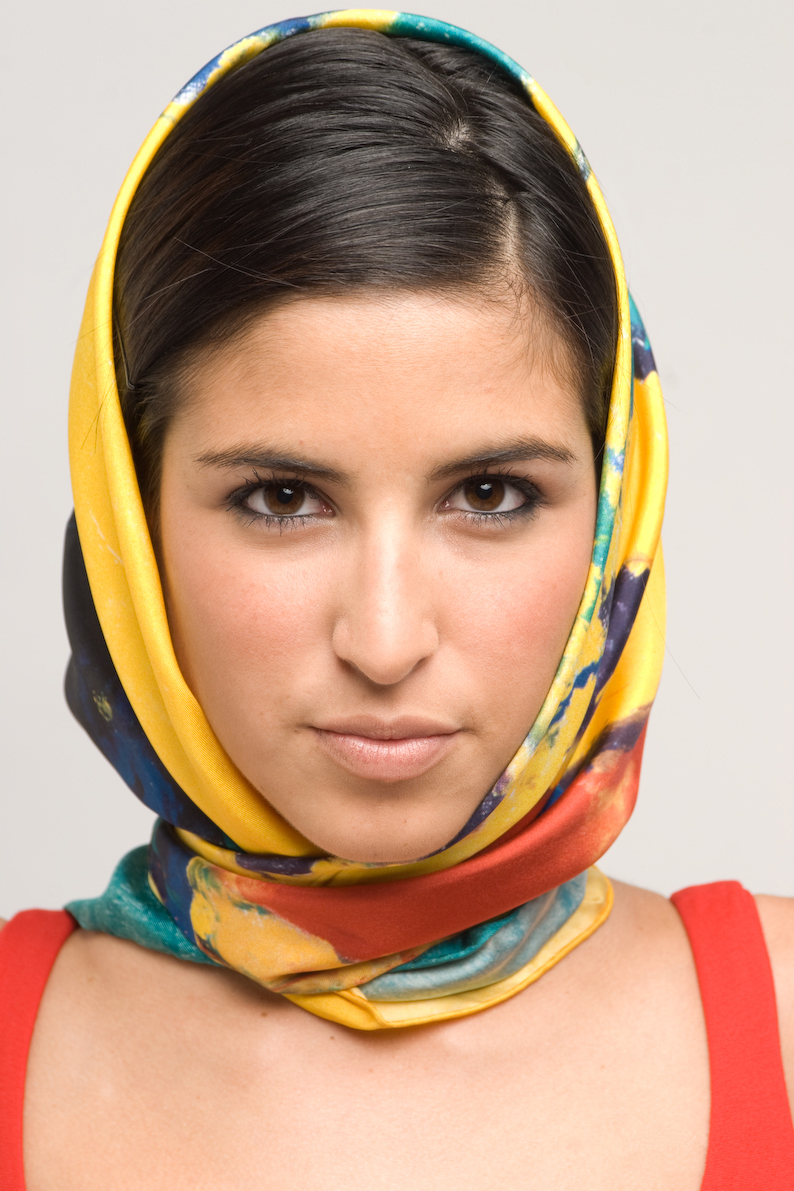
Lightweight twill fabric
History
Foulard is believed to have originated in East Asia. The word comes from the French word foulard, with the same proper and metonymic meanings. In modern French, foulard is the usual word for a neckerchief. In Quebec foulard is also used for scarf (écharpe in France).
Modern era
Ralph Lauren's fashion industry success began with his importation of foulards from London to the United States.
In 1989, a public debate over headscarves erupted in France when three Muslim girls in a state secondary school refused to remove their headscarves to comply with the school administration's concept of secularism. It became known as the "affaires de foulard."
Foulard fabric is also used in home décor wall coverings.
References
References
- "foulard". The Free Dictionary.
- Tikkanen, Amy. (2010). "Foulard".
- "What does foulard mean?".
- Fury, Alexander. (March 16, 2016). "Just Dandy: T: Men's Fashion Magazine". New York Times.
- Scott, Joan W.. (2005-01-01). "Symptomatic Politics: The Banning of Islamic Head Scarves in French Public Schools". French Politics, Culture & Society.
- Moruzzi, Norma Claire. (1994). "A Problem with Headscarves: Contemporary Complexities of Political and Social Identity". Political Theory.
- Rybczynski, Witold. (1987). "Home: A Short History Of An Idea". [[Penguin Books]].
This article was imported from Wikipedia and is available under the Creative Commons Attribution-ShareAlike 4.0 License. Content has been adapted to SurfDoc format. Original contributors can be found on the article history page.
Ask Mako anything about Foulard — get instant answers, deeper analysis, and related topics.
Research with MakoFree with your Surf account
Create a free account to save articles, ask Mako questions, and organize your research.
Sign up freeThis content may have been generated or modified by AI. CloudSurf Software LLC is not responsible for the accuracy, completeness, or reliability of AI-generated content. Always verify important information from primary sources.
Report