From Surf Wiki (app.surf) — the open knowledge base
Flowerpot technique
Animal testing technique
Animal testing technique
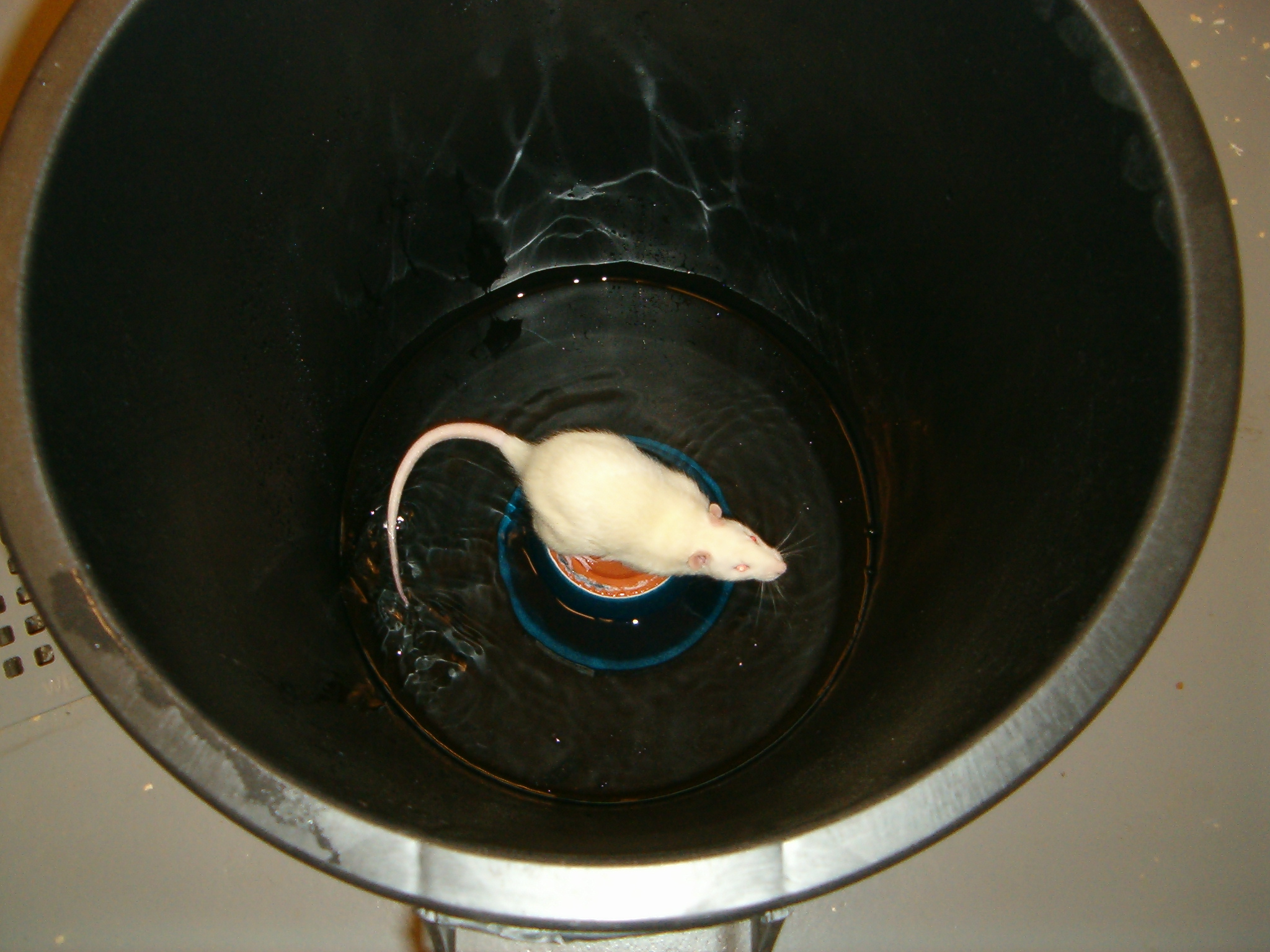
The flowerpot technique or flowerpot method is an animal testing technique used in sleep deprivation studies. It is designed to allow NREM sleep but prevent restful REM sleep. The test is usually performed with rodents.
Technique
During sleep deprivation studies, a laboratory rat is housed in a water filled enclosure with a single small, dry platform (traditionally, an upside down flowerpot in a bucket of water, from which the technique is named) just above the water line (1 cm). While in NREM sleep, the rat retains muscle tone and can sleep on top of the platform. When the rat enters the more meaningful REM sleep, it loses muscle tone and falls off the platform into the water, then climbs back up to avoid drowning, and reenters NREM sleep, or its nose becomes submerged, shocking the rat back into an awakened state. This allows the rat to physically rest to avoid fatigue, but deprives it of REM sleep needed for normal mental function. The rat can then be subjected to physical and mental tasks and its performance is compared with the performance of rested control rodents, or its tissue (particularly the brain) be analyzed.
References
References
- (1994). "The effect of REM sleep deprivation on histamine concentrations in different brain areas". Elsevier BV.
- (October 2025). ["Brain Stem and Cerebral Cortex Histamine Concentrations in the Rem Sleep Deprived Rats"](https://journals.tubitak.gov.tr/medical/abstract.htm?id=5052 }}{{Dead link). Turkish Journal of Medical Sciences.
- Rosenthal, Martha S.. (Summer 1998). "Physiology and neurochemistry of sleep". American Journal of Pharmaceutical Education.
This article was imported from Wikipedia and is available under the Creative Commons Attribution-ShareAlike 4.0 License. Content has been adapted to SurfDoc format. Original contributors can be found on the article history page.
Ask Mako anything about Flowerpot technique — get instant answers, deeper analysis, and related topics.
Research with MakoFree with your Surf account
Create a free account to save articles, ask Mako questions, and organize your research.
Sign up freeThis content may have been generated or modified by AI. CloudSurf Software LLC is not responsible for the accuracy, completeness, or reliability of AI-generated content. Always verify important information from primary sources.
Report