From Surf Wiki (app.surf) — the open knowledge base
Flavored tobacco
Tobacco product with added flavorings

Tobacco product with added flavorings
Flavored tobacco products—tobacco products with added flavorings—include types of cigarettes, cigarillos and cigars, hookahs and hookah tobacco, various types of smokeless tobacco, and more recently electronic cigarettes. Flavored tobacco products are especially popular with youth and have therefore become targets of regulation in several countries.
According to a 2013 survey of internet tobacco retailers, the most common flavors are apple, cherry, chocolate, honey, grape, menthol, mint, peach, rum, strawberry, "sweet" (including bubble gum, candy, mango, blueberry, strawberry, orange, gum mint, and toffee) and vanilla.
Flavored cigarettes
Cigarettes may be flavored to mask the taste or odor of the tobacco smoke, enhance the tobacco flavor, or decrease the social stigma associated with smoking. Flavors may be added to the tobacco, cigarette paper, filter, or even to the foil wrapper. Some tobacco companies have developed unconventional flavor delivery systems, including polymer pellet technology, using a flavored filter pellet (polyethylene bead), flavor micro-encapsulation in the paper or packaging technology, flavor fibers inserted into the filter, and flavored tips. Flavorings are typically added at the end of the cigarette manufacturing process. Flavored cigarettes are heavily preferred by youth, with research in 2004–2005 finding that United States adolescents and young adults used major brands of flavored cigarettes at 2 to 3 times the rate of adults aged 25 and older.
Beedi
Main article: Beedi
One common type of flavored cigarettes are beedis, a small, thin, hand-rolled cigarette originally from India, where they outsell regular cigarettes by a ratio of eight to one. Another is kretek, a cigarette made with a blend of tobacco and cloves that is popular in Indonesia. No flavored cigarettes, including menthol, beedis, and kreteks, are safe. Indeed, many flavorings produce increased levels of acetaldehyde when combusted, enhancing dependence and toxicity. Additionally, some flavorings in cigarettes contain toxic compounds such as alkenylbenzenes.
Menthol cigarettes
Main article: Menthol cigarette
The most popular cigarette flavor by far is menthol, in part by increasing the density of nicotine receptors in the brain.
In the United States, menthol cigarettes are used disproportionately by African Americans: more than 70% of African-American smokers primarily use menthols, compared to approximately 30% of White American smokers. In fact, menthol tobacco marketing is specifically targeted to African Americans; it is a subject of research and it has been a subject of litigation on discrimination grounds. This high use by African Americans is largely the result of deliberate marketing campaigns by tobacco companies, which exacerbated small racial differences in menthol cigarette preferences into large ones. Racial marketing strategies changed during the Fifties. The civil rights movement led to the rise of African-American publications, such as Ebony. This helped tobacco companies to target separate marketing messages by race. Tobacco companies supported civil rights organizations, and advertised their support heavily. Industry motives were, according to their public statements, to support civil rights causes; according to an independent review of internal tobacco industry documents, they were "to increase African American tobacco use, to use African Americans as a frontline force to defend industry policy positions, and to defuse tobacco control efforts". There had been internal resistance to tobacco sponsorship, and some organizations are now rejecting nicotine funding as a matter of policy. Tobacco company Lorillard even gave out free menthol cigarette samples to children in black neighborhoods in the U.S. in the 1950s.
In addition to high use by African Americans, menthol cigarettes are used disproportionately by adolescents, women, and lesbian, gay, bisexual, and transgender (LGBT) Americans. LGBT Americans are twice as likely as straight ones to use menthol cigarettes, according to CDC research. Where these demographics overlap, menthol use is especially high: most female LGBT smokers use menthols, as do 80 percent of African American youth smokers and 70 percent of LGBT youth smokers. Tobacco companies have targeted the LGBT community with advertising for menthol cigarettes, most notably through Project SCUM.
Cigars
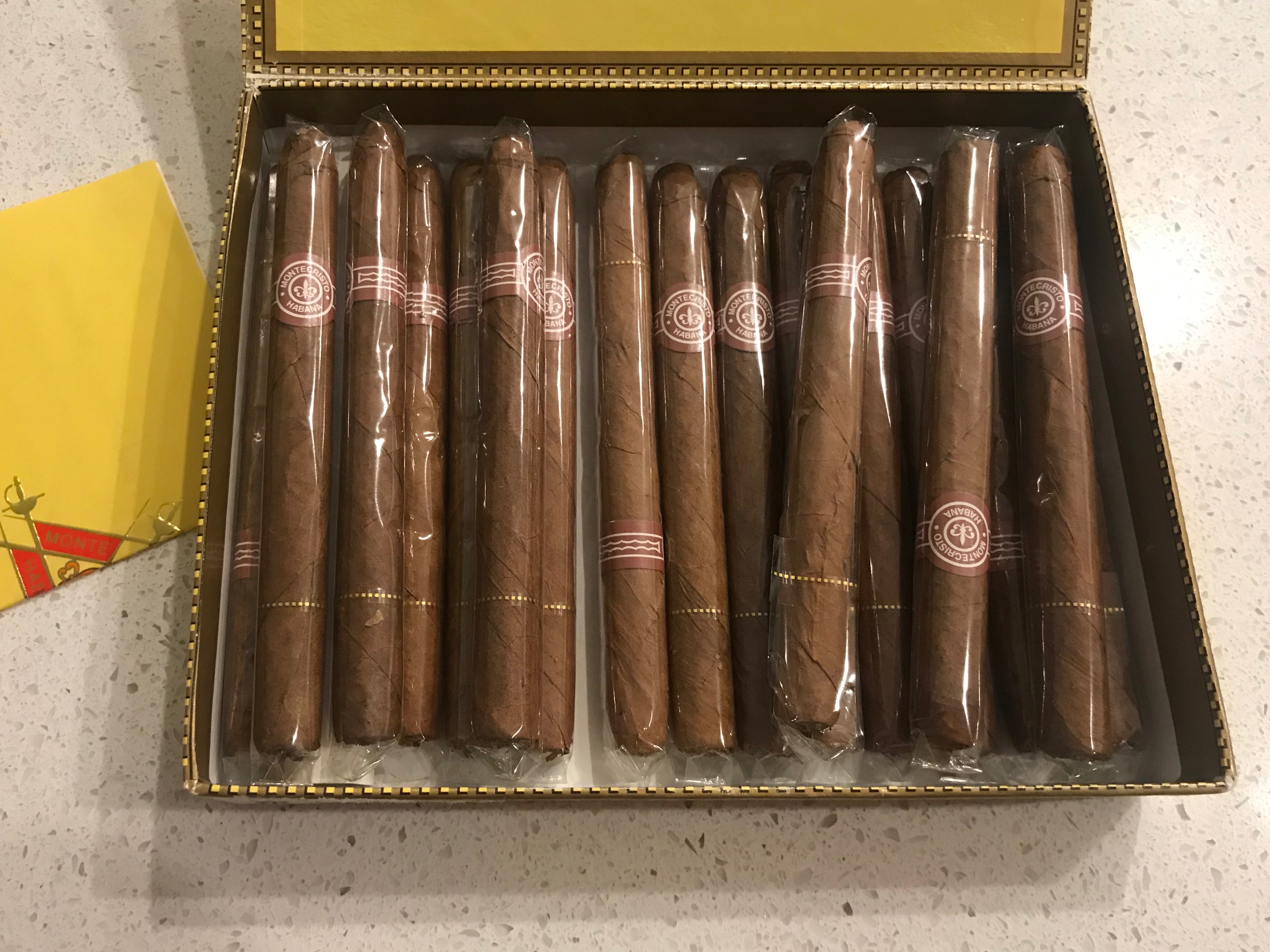
Little cigars, both cigarette-sized ones as well as mid-sized cigarillos, are typically flavored, unlike full-size, hand-wrapped premium cigars. young people, African Americans, Usage of flavored cigarillos has grown explosively, with sales in U.S. convenience stores up 50% between 2008 and 2015, after tripling between 1997 and 2007. In many jurisdictions, cigarillos and other cigars are taxed at lower rates than cigarettes, making them more appealing to low-income populations, including youth, young adults, and the unemployed.
Electronic cigarettes
.png)
E-liquid, the nicotine-containing liquid used in electronic cigarettes, is usually flavored. E-liquids come in a myriad of flavors, including mint, spice, fruit, and candy ones. A 2017 survey of internet e-cigarette retailers found 15,586 unique flavors of e-liquid and counting, up from the 7,764 found in a 2014 analysis. In surveys of regular e-cigarette users, the most popular e-liquid flavors are largely tobacco, mint and fruit, although candy and dessert flavors are also common. Fruit flavored e-liquid is the most commonly marketed e-liquid flavor on social media. Flavored e-liquids form a major part of the appeal for using e-cigarettes, especially for youth, for whom flavoring is cited as a major reason for using e-cigarettes.
Some e-liquid flavorings are toxic. Cinnamaldehyde is a highly cytotoxic material in vitro used in cinnamon-flavored e-liquids. Cinnamaldehyde have been identified as cytotoxic at the amount of about 400 times less than those allowed for use by the US Environmental Protection Agency. A 2018 in vitro study found that exposing lung cells to liquid or vapor containing cinnamaldehyde causes significant and rapid damage to their cilia and mitochondria. Some e-liquids containing cinnamaldehyde stimulate TRPA1, which might induce effects on the lung. Many flavors are known aldehydes, such as anisaldehyde, cinnamaldehyde, and isovaleraldehyde. A 2014 in vitro study demonstrated that e-cigarette use of a "balsamic" flavor with no nicotine can activate the release of proinflammatory cytokine in lung epithelial cells and keratinocytes. Some additives may be added to reduce the irritation on the pharynx. The long-term toxicity is subject to the additives and contaminants in the e-liquid.
Certain e-liquid flavorings contain diacetyl and acetyl propionyl which give a buttery taste. Diacetyl and acetyl propionyl are associated with bronchiolitis obliterans ("popcorn lung"), a serious lung disease. Both diacetyl and acetyl-propionyl have been found in concentrations above those recommended by the US National Institute for Occupational Safety and Health. The cardiovascular effects, including a vast range of flavorings and fragrances, is unknown. The irritants butyl acetate, diethyl carbonate, benzoic acid, quinoline, bis(2-ethylhexyl) phthalate, and 2,6-dimethyl phenol were present as undeclared ingredients in the e-liquid. Hindering safety assessments of e-liquids is the fact that the precise ingredients of e-cigarettes and e-liquids are not known.
With the current popular trend of flavored e-cigarettes use among young generations, there is concern about the potential long-term health of the public.
Heated tobacco products
Heated tobacco products are frequently flavored. It is possible that these products could appeal to non-smokers, especially since they are available in various flavors.
Hookah

Muʽassel (also known as shisha), the tobacco product used in hookahs, is almost always flavored: more than 85% of mu'assel sold in the United States is flavored. with mint and double apple () being the most popular. Unusual flavors, including white gummy bear, blueberry muffin, spiced chai and Powerbull flavor (similar to the flavor of a Red Bull energy drink), have been introduced in recent years by modern tobacco companies. Heating these flavorings releases toxic chemicals and carcinogens such as carbon monoxide (CO), polycyclic aromatic hydrocarbons (PAHs), furans, phenols, aldehydes (such as acrolein), and acids, in addition to nitrogenous carcinogens, alcohols, and heavy metals, all of which are dangerous to human health. A comparison of 13 common hookah flavors found that melon flavors are the most dangerous, with their smoke containing four classes of hazards in high concentrations.
Smokeless tobacco
Many types of smokeless tobacco are flavored. Gutka, a chewing tobacco preparation commonly used in parts of India, is commonly flavored, as is naswar, a type of dipping tobacco common in Central and South Asia. Moist snuff (dip), snus, and dissolvables are also often flavored.
Use by youth
Flavored tobacco products—particularly flavored cigarettes (including menthol), and electronic cigarettes—are disproportionately preferred by adolescents and young adults. According to the CDC, 67% of high school students and 49% of middle school students who used tobacco products in the past 30 days reported using a flavored tobacco product during that time.
Flavored tobacco products promote youth smoking initiation and help young occasional smokers to become daily smokers by reducing or masking the natural harshness and taste of tobacco smoke and increasing the social acceptability of the toxic tobacco product. Menthol appeals to younger or beginning smokers largely because the menthol masks the harshness and discomfort of inhaling smoke, making smoking more palatable. Young people who use menthol cigarettes are 80% more likely to become life-long smokers than those who use regular cigarettes. As such, adolescents were more likely to initiate vaping through flavored e-cigarettes than unflavored ones, and a majority of youth who used an e-cigarette first tried a flavored e-cigarette.
The goal of tobacco companies also drives the widespread use of flavored tobacco products. Likewise, multiple reviews of internal tobacco company documents have found that flavored cigarettes are deliberately introduced to appeal to young people, with flavorings often being fine-tuned to best appeal to youth.
Furthermore, flavored tobacco products are often advertised to children and adolescents. A 2018 analysis of the 2014, 2015, and 2016 NYTS data by the CDC found that retail stores were where most youth were exposed to e-cigarette advertisements, followed by online advertising, television advertising, and then newspaper and magazine advertising. On social media, marketing includes images associated with youth culture, endorsements by celebrities and social media influencers popular with youth, and themes that have been found to strongly appeal to youth (such as freedom and rebellion). Ads for flavored e-cigarettes have been shown to cause children to be more interested in buying and trying e-cigarettes, as compared to ads for unflavored e-cigarettes.
Regulation
Although a few countries have banned flavored cigarettes (except menthol), flavors in most tobacco products remain unregulated across the globe. The Family Smoking Prevention and Tobacco Control Act, passed by the United States Congress in October 2009, bans cigarettes with flavors other than menthol or tobacco. However, some tobacco companies have rebranded their flavored cigarettes as "little" or "filtered" cigars in order to circumvent this ban. That said, the ban was associated with a reduction in overall tobacco product use by youth of 6.1 percent.
Canada banned flavored additives in combustible tobacco products—cigarettes, little cigars, and rolling papers—in 2009, excluding menthol. Canada banned menthol cigarettes in 2017. Preliminary research in Ontario Province indicates that this ban increased the number of smokers who quit. Because the law only banned flavors in combustible tobacco products under 1.4 grams, some tobacco companies began producing flavored products slightly larger than 1.4 g.
In March 2012, Brazil became the first country to outlaw all flavored cigarettes, including menthol cigarettes. The policy has yet to be implemented.
In May 2016, the European Union banned flavored cigarettes including menthols. The ban took effect in 2020.
In 2015, Ethiopia, Moldova, and Chile have passed legislation banning flavored tobacco products. Turkey also implemented the world's first ban on menthol in all tobacco products in that year.
In June 2018, San Francisco residents voted to outlaw the sale of flavored tobacco products, including e-liquids and menthol cigarettes, in the city. The measure, Proposition E, passed with 68.5 percent of the vote, in spite of Big Tobacco company R.J. Reynolds spending more than $12 million on ads against the measure. The ban was supported by groups including the American Cancer Society, the American Heart Association, the American Lung Association, African American American Tobacco Control Leadership Council, and Tobacco-Free Kids Action Fund. , 180 localities in California, Illinois, Massachusetts, Minnesota, New York, and Rhode Island as well as two US states—Maine and New Jersey—restrict the sale of flavored tobacco products.
In June 2019, San Francisco became the first major U.S. city to put a ban on the sale and distribution of all e-cigarettes including flavored ones. The major e-cigarette company in San Francisco, JUUL spent over $18.6 million to the Proposition C campaign into a November ballot initiative in hopes to overturn the ban. This Proposition C would take launch starting early 2020 depending on the ballot results from San Francisco residents. It is based on the election results on November 5, 2019, the Proposition C was defeated. It shows that out of 201519 votes, nearly 82% of people were against Prop C. Which means that the citywide ban on e-cigarette products will be effective in 2020.
September 4, 2019, Michigan became the first state in the nation to ban flavored e-cigarettes.https://www.washingtonpost.com/health/michigan-becomes-first-state-to-ban-flavored-e-cigarettes/2019/09/03/34f234c6-ce4c-11e9-8c1c-7c8ee785b855_story.html
In November 2018 the FDA announced its intention to outlaw menthol cigarettes and flavored cigars, and to limit sales of e-cigarettes with flavors other than mint, tobacco, and menthol to qualified adults-only stores and online.
References
References
- (2007). "The Scientific Basis of Tobacco Product Regulation".
- (January 2015). "Flavoured, non-cigarette tobacco for sale in the USA: an inventory analysis of Internet retailers". [[BMJ Group]].
- (2004-06-01). "USA/Brazil: the flavour of things to come". Tobacco Control.
- (July 2008). "Use of flavored cigarettes among older adolescent and adult smokers: United States, 2004–2005". [[Oxford University Press]] on behalf of the [[Society for Research on Nicotine and Tobacco]].
- (14 August 2018). "Smoking and Tobacco Use; Fact Sheet; Bidis and Kreteks". Centers for Disease Control and Prevention.
- "Bidis: An Overview".
- "Smoke; A Century of Kretek".
- (July 2016). "Enhancing effect of menthol on nicotine self-administration in rats". [[Springer Science+Business Media.
- Wickham, R. J.. (September 2015). "How Menthol Alters Tobacco-Smoking Behavior: A Biological Perspective". [[Yale Journal of Biology and Medicine]].
- Kabbani, Nadine. (July 2013). "Not so Cool? Menthol's discovered actions on the nicotinic receptor and its implications for nicotine addiction". [[Frontiers Media]].
- (August 2021). "Affirming the Abuse Liability and Addiction Potential of Menthol: Differences in Subjective Appeal to Smoking Menthol Versus Non-Menthol Cigarettes Across African American and White Young Adult Smokers". [[Oxford University Press]] on behalf of the [[Society for Research on Nicotine and Tobacco]].
- Gardiner, Phillip S.. (February 2004). "The African Americanization of menthol cigarette use in the United States". [[Oxford University Press]] on behalf of the [[Society for Research on Nicotine and Tobacco]].
- (August 18, 2005). "Harvard Researchers Gather More Evidence Implicating Menthol in Health Disparities Between White and Black Smokers". Harvard School of Public Health.
- (January 5, 2011). "Why Big Tobacco Targeted Blacks With Ads for Menthol Cigarettes".
- (2008). "The role of the media in promoting and reducing tobacco use". U.S. Department of Health and Human Services, National Institutes of Health, National Cancer Institute.
- (2002-12-01). "African American leadership groups: smoking with the enemy". Tobacco Control.
- (2004-06-27). "Cigarette Suit Says Maker Gave Samples To Children". The New York Times.
- (August 2016). "''Evans v. Lorillard'': A Bittersweet Victory Against the Tobacco Industry". [[Mitchell Hamline School of Law]].
- (2017-02-27). "Perceptions of Menthol Cigarettes Among Twitter Users: Content and Sentiment Analysis". Journal of Medical Internet Research.
- (January 2015). "Menthol Cigarette Smoking among Lesbian, Gay, Bisexual, and Transgender Adults". American Journal of Preventive Medicine.
- (May 12, 2011). "Flavored Disease and Death for Minorities".
- (February 2013). "Flavored Cigar Smoking Among U.S. Adults: Findings From the 2009–2010 National Adult Tobacco Survey". Nicotine & Tobacco Research.
- (August 2014). "Little filtered cigar, cigarillo, and premium cigar smoking among adults--United States, 2012-2013.". MMWR. Morbidity and Mortality Weekly Report.
- (January 2014). "Flavored-Little-Cigar and Flavored-Cigarette Use Among U.S. Middle and High School Students". The Journal of Adolescent Health.
- (2015-12-01). "The Other Combustible Products: Prevalence and Correlates of Little Cigar/Cigarillo Use Among Cigarette Smokers". Nicotine & Tobacco Research.
- (September 13, 2018). "Flavored Tobacco Products Attract Kids". [[Campaign for Tobacco-Free Kids]].
- (12 March 2018). "Evolution of Electronic Cigarette Brands From 2013-2014 to 2016-2017: Analysis of Brand Websites". Journal of Medical Internet Research.
- (31 July 2014). "Electronic cigarettes: review of use, content, safety, effects on smokers and potential for harm and benefit.". Addiction.
- (November 16, 2017). "'Juuling': The most widespread phenomenon you've never heard of". [[The Boston Globe]].
- (22 January 2016). "Impact of Flavor on Electronic Cigarette Marketing in Social Media". Springer.
- (2017). "Electronic cigarettes and mental illness: Reviewing the evidence for help and harm among those with psychiatric and substance use disorders". The American Journal on Addictions.
- (September 2014). "Heart and Stroke Foundation: E-cigarettes in Canada". Heart and Stroke Foundation.
- (2015). "Counseling Patients on the Use of Electronic Cigarettes". Mayo Clinic Proceedings.
- (2014). "Safety evaluation and risk assessment of electronic cigarettes as tobacco cigarette substitutes: a systematic review". Therapeutic Advances in Drug Safety.
- (May 23, 2018). "The E-Cigarette Flavoring Cinnamaldehyde Suppresses Mitochondrial Function and Transiently Impairs Cilia Beat Frequency in Human Bronchial Epithelial Cells".
- (2015). "Will Chronic E-Cigarette Use Cause Lung Disease?". American Journal of Physiology. Lung Cellular and Molecular Physiology.
- (2014). "Are E-cigarettes a safe and good alternative to cigarette smoking?". Annals of the New York Academy of Sciences.
- (August 2014). "The electronic cigarette. Official statement of the Spanish Society of Pneumology and Thoracic Surgery (SEPAR) on the efficacy, safety and regulation of electronic cigarettes.". Archivos de Bronconeumologia.
- (2013). "Electronic Cigarettes: A Short Review". Respiration.
- (2015). "A Practitioner's Guide to Electronic Cigarettes in the Adolescent Population". Journal of Adolescent Health.
- (2015). "Regulation in the face of uncertainty: the evidence on electronic nicotine delivery systems (e-cigarettes)". Risk Management and Healthcare Policy.
- (2016). "Cardiovascular toxicity of nicotine: Implications for electronic cigarette use". Trends in Cardiovascular Medicine.
- (2014). "E-cigarettes: an up to date review and discussion of the controversy". W V Med J.
- (2014). "Electronic Cigarettes. A Position Statement of the Forum of International Respiratory Societies". American Journal of Respiratory and Critical Care Medicine.
- (2019-02-14). "The Dangerous Flavors of E-Cigarettes". New England Journal of Medicine.
- (May 2018). "Heated tobacco products (HTPs) information sheet". World Health Organization.
- (2016). "Alternatieve tabaksproducten: harm reduction?". [[Netherlands National Institute for Public Health and the Environment]].
- "Shisha".
- (11 March 2016). "Listing the Most Popular Shisha Flavors -".
- "Our Range". شركة الفاخر لتجارة التبغ.
- Ryabtsev, Greg. (18 June 2025). "Influence of coconut shisha charcoal on the taste and smell of hookah molasse smoking".
- (February 2020). "Short-Term Exposure to Waterpipe/Hookah Smoke Triggers a Hyperactive Platelet Activation State and Increases the Risk of Thrombogenesis". [[Lippincott Williams & Wilkins]].
- (October 2019). "A Review of the Pulmonary and Health Impacts of Hookah Use". [[American Thoracic Society]].
- (September 2019). "The effects of hookah/waterpipe smoking on general health and the cardiovascular system". [[BioMed Central]].
- (February 2019). "Urinary Biomarkers of Carcinogenic Exposure among Cigarette, Waterpipe, and Smokeless Tobacco Users and Never Users of Tobacco in the Golestan Cohort Study". [[American Association for Cancer Research]].
- (2018-11-19). "The characterization of flavored hookahs aroma profile and in response to heating as analyzed via headspace solid-phase microextraction (SPME) and chemometrics". Scientific Reports.
- [[Nasal snuff]] is typically flavored, with common flavors including [[coffee]], [[chocolate]], [[Bordeaux wine. bordeaux]], [[honey]], [[vanilla]], [[cherry]], [[Orange (fruit). orange]], [[apricot]], [[plum]], [[camphor]], [[cinnamon]], [[rose]], [[spearmint]], [[Bourbon whiskey. 978-1176904705
- "CPAA: Quit Smoking Campaign, Anti Tobacco & Quit Smoking Campaign".
- (2015-09-20). "Effects of smokeless dipping tobacco (Naswar) consumption on antioxidant enzymes and lipid profile in its users". Pakistan Journal of Pharmaceutical Sciences.
- (February 2006). "Dealing With an Innovative Industry: A Look at Flavored Cigarettes Promoted by Mainstream Brands". American Journal of Public Health.
- (June 7, 2018). "Tobacco Product Use Among Middle and High School Students — United States, 2011–2017". MMWR. Morbidity and Mortality Weekly Report.
- (2016). "E-Cigarette Use Among Youth and Young Adults: A Report of the Surgeon General". [[U.S. Department of Health and Human Services]], [[Centers for Disease Control and Prevention]], National Center for Chronic Disease Prevention and Health Promotion, Office on Smoking and Health.
- (2014). "Reasons for Electronic Cigarette Experimentation and Discontinuation Among Adolescents and Young Adults". Nicotine & Tobacco Research.
- (2019-12-10). "Youth and Tobacco Use". Centers for Disease Control and Prevention.
- (March 2002). "How cigarette design can affect youth initiation into smoking: Camel cigarettes 1983-93". Tobacco Control.
- (2013). "Preliminary Scientific Evaluation of the Possible Public Health Effects of Menthol versus Nonmenthol Cigarettes". [[Food and Drug Administration]].
- (2017). "Tobacco, e-cigarettes, and child health". Current Opinion in Pediatrics.
- (2018). "A systematic review of consumer preference for e-cigarette attributes: Flavor, nicotine strength, and type". PLOS ONE.
- (2016). "E-Cigarette Use Among Youth and Young Adults: A Report of the Surgeon General". Surgeon General of the United States.
- (2004-09-01). "Sweet and spicy flavours: new brands for minorities and youth". Tobacco Control.
- (March 2002). "Marketing to America's youth: evidence from corporate documents". Tobacco Control.
- (2016). "Ethical considerations of e-cigarette use for tobacco harm reduction". Respiratory Research.
- (December 2016). "Impact of advertisements promoting candy-like flavoured e-cigarettes on appeal of tobacco smoking among children: an experimental study". Tobacco Control.
- (December 2016). "Impact of advertisements promoting candy-like flavoured e-cigarettes on appeal of tobacco smoking among children: an experimental study". Tobacco Control.
- (2016). "Adolescents' responses to the promotion and flavouring of e-cigarettes". International Journal of Public Health.
- (2017). "Perceptions and Experiences with Flavored Non-Menthol Tobacco Products: A Systematic Review of Qualitative Studies". International Journal of Environmental Research and Public Health.
- (31 October 2018). "Compliance, Enforcement & Training - Family Smoking Prevention and Tobacco Control Act - An Overview". U.S. Food and Drug Administration.
- (2018-11-28). "Opening windows and closing gaps: a case analysis of Canada's 2009 tobacco additives ban and its policy lessons". BMC Public Health.
- (March 8, 2018). "A menthol cigarette ban may influence smokers to quit". Reuters.
- (2018-05-01). "Association of Ontario's Ban on Menthol Cigarettes With Smoking Behavior 1 Month After Implementation". JAMA Internal Medicine.
- (8 October 2009). "An Act to amend the Tobacco Act".
- "Brazil bans flavored tobacco". [[WHO Framework Convention on Tobacco Control]].
- (2022-07-01). "Brazilian smokers are ready for the ban on flavour additives in tobacco to be implemented". Preventive Medicine.
- (19 May 2016). "The EU is banning menthol cigarettes". The Independent.
- (2018). "Case studies for regulatory approaches to tobacco products: Menthol in tobacco products". [[World Health Organization]].
- (2015). "How Other Countries Regulate Flavored Tobacco Products".
- (2018-06-05). "California Primary Election Results". The New York Times.
- (June 6, 2018). "San Francisco Voters Uphold Ban on Flavored Vaping Products". The New York Times.
- (20 September 2017). "Oakland bans flavored tobacco products". East Bay Times.
- (2018-06-06). "Supervisors vote to ban flavored tobacco in San Mateo County". San Jose Mercury News.
- (January 22, 2019). "States & localities that have restricted the sale of flavored tobacco products".
- (2019-10-14). "7 States Have Moved to Ban Vapes. Is the Rest of America Next?".
- (October 2019). "Juul ends support for Prop. C, SF measure to overturn e-cigarette sales ban". San Francisco Chronicle.
- "BALLOTPEDIA".
- (2018-11-16). "F.D.A. Seeks Restrictions on Teens' Access to Flavored E-Cigarettes and a Ban on Menthol Cigarettes". The New York Times.
- (21 November 2018). "6 takeaways from the FDA's e-cigarette and flavored tobacco plan".
This article was imported from Wikipedia and is available under the Creative Commons Attribution-ShareAlike 4.0 License. Content has been adapted to SurfDoc format. Original contributors can be found on the article history page.
Ask Mako anything about Flavored tobacco — get instant answers, deeper analysis, and related topics.
Research with MakoFree with your Surf account
Create a free account to save articles, ask Mako questions, and organize your research.
Sign up freeThis content may have been generated or modified by AI. CloudSurf Software LLC is not responsible for the accuracy, completeness, or reliability of AI-generated content. Always verify important information from primary sources.
Report