From Surf Wiki (app.surf) — the open knowledge base
Flattened rice
Type of rice dish
Type of rice dish
| Field | Value |
|---|---|
| name | Flattened rice |
| image | poha.jpg |
| image_size | 250px |
| region | South and Southeast Asia |
| main_ingredient | Dehusked rice |
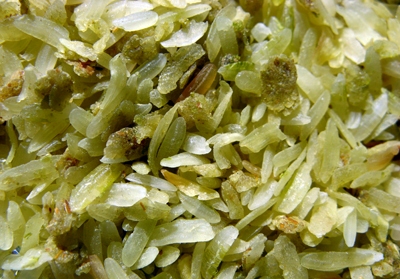
Flattened rice is a preparation of rice made from raw, toasted, or parboiled rice grains pounded into flat flakes. It is traditional to many rice-cultivating cultures in Southeast Asia and South Asia. It is also known as rice flakes, beaten rice, pounded rice, pressed rice or chipped rice.
It is toasted, fried, or used as ingredients or toppings for other dishes. Depending on their use and texture, it can be crispy, crunchy, chewy, or soft. Much like oatmeal, the term "flattened rice" and its equivalents in other languages may refer to the ingredient itself or a dish based on the ingredient.
South Asia
Flattened rice is a breakfast staple in South Asia, where it is called chiura, poha, avalakki (Kannada), aval (Tamil, Malayalam), atukulu (Telugu), chuda (Odia), chira (Bengali), sira (Assamese), and other names depending on the local language. It is particularly popular in India, Sri Lanka, Nepal, and Bangladesh. Poha is made by dehusking rice grains and then parboiling or soaking them in hot water for 45 minutes. They are then dried, roasted, and flattened with rollers. They usually come in thin, medium, and thick varieties. Thinner varieties are ideal for cooking and dessert use, while thicker varieties are ideal for deep-frying. Poha can be eaten as snacks such as Indori poha, or cooked into various sweet, savory, or spicy dishes. Enthusiasts of the dish, especially in India, celebrate 7 June as International Poha Day.
Nepal
Flattened rice is called chiura (चिउरा) in Nepali and baji in Newar. It is part of the traditional samay baji platter, and holds an important place in the traditional Newar wedding ceremony. Chiura is usually included in the bride price. After the initial wedding ceremony, the families escort the bride back to the groom's house. During this procession, the pounded rice ceremony occurs. The bride and groom are seated next to one another, and the bride is given the chiura. The groom asks three times for the bride to give him the chiura, each time using a less formal version of the pronoun "you".
Southeast Asia
Cambodia
Flattened rice is known in Cambodia as ambok (). It is made by toasting newly harvested rice (with husks on) on a wok, then pounding the heated rice with a large wooden mortar and pestle until flat. The husks are then removed. Ambok plays a very significant role in the Cambodian Water Festival (Bon Om Touk). They are commonly eaten mixed with bananas, palm sugar, and coconut water, or roasted together with small shrimp.
Myanmar
Flattened rice in Myanmar is known as mont hsan (). In Lower Myanmar, it is traditionally given as an offering to U Shin Gyi, a guardian nat (spirit) of waterways. Mont hsan is also consumed in Upper Myanmar, and is used as an ingredient in Burmese snacks called mont.
Philippines
Main article: Pinipig
Flattened rice in the Philippines is called pinipig. It is made using immature glutinous rice that is pounded and toasted. Pinipig is commonly eaten plain, used as toppings in desserts and drinks, or made into cakes.
A notable variant of pinipig, from Pampanga, is duman, which differs in that it is toasted first before being pounded. It is celebrated annually in the Duman Festival of Santa Rita, Pampanga.
Thailand
Flattened rice is known as khao mao () in Thailand. Similar to the Philippine variant, it uses immature green glutinous rice. It is made by soaking dehusked rice grains in water for several hours, steaming them in a bamboo container, toasting them in a wok, and then pounding them flat in a mortar with a pestle.
Vietnam
Main article: Cốm
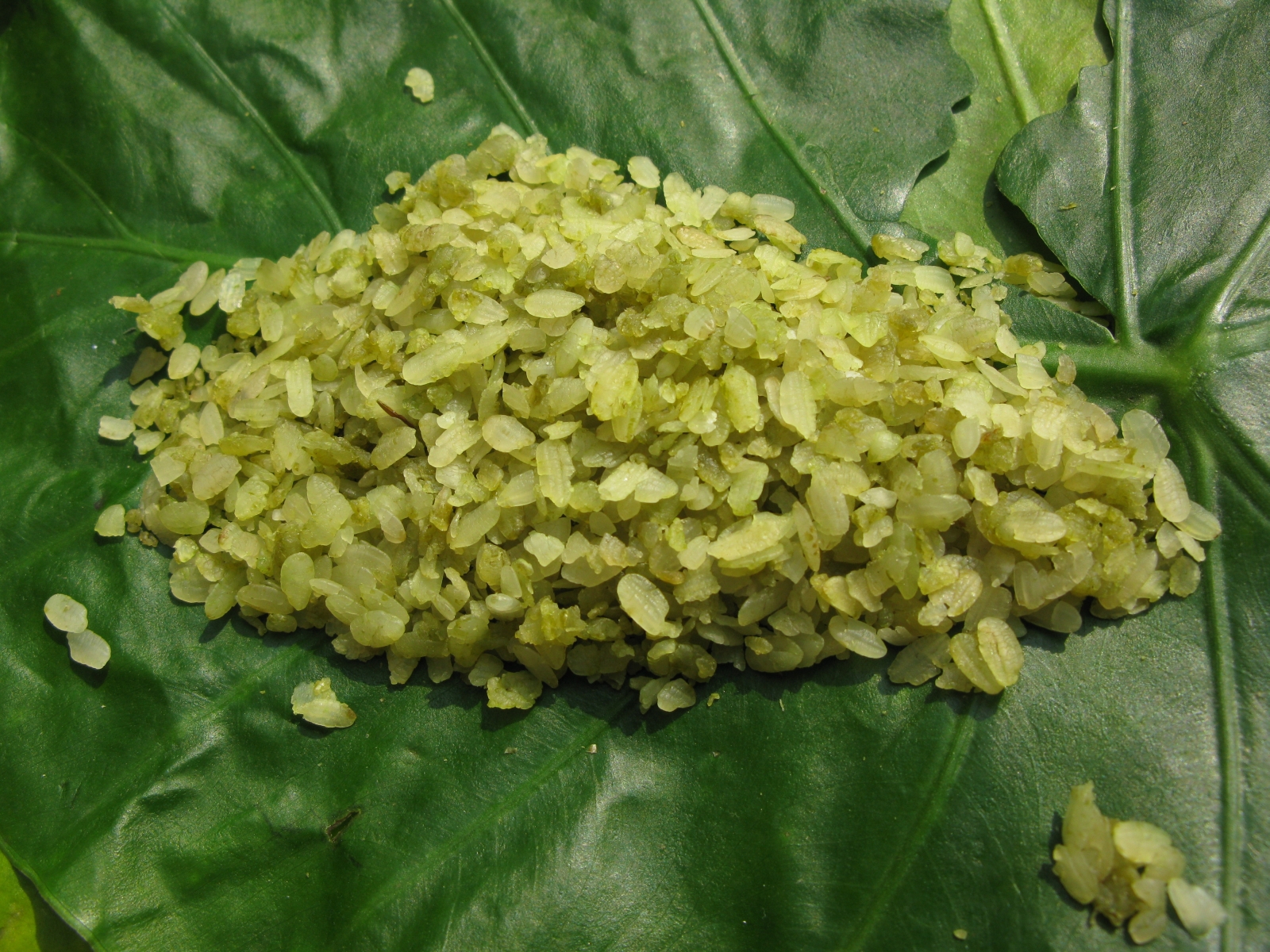
Flattened rice in Vietnam is known as cốm. It is made by toasting immature green rice grains over low heat and then pounding them flat in a mortar with a pestle. The husk is removed afterwards via winnowing. It can be eaten plain, used as an ingredient in other dishes, or made into cakes known as bánh cốm. It is commonly eaten during autumn.
References
References
- (2003). "Seductions of rice". Artisan Books.
- (2011). "A New Kind of Normal: Back to the Basics a Comprehensive Survival Guide for Eating Sugar -- Gluten -- Dairy and Yeast Free". Tuttle Publishing.
- (2016). "The Indian Grocery Store Demystified: A Food Lover's Guide to All the Best Ingredients in the Traditional Foods of India, Pakistan and Bangladesh". St. Martin's Publishing Group.
- (2016). "Made in India: 130 Simple, Fresh and Flavourful Recipes from One Indian Family". Penguin UK.
- (2023-06-08). "On International Poha Day, we give you 3 reasons to have this (healthy) bowl of goodness!". The Economic Times.
- Ahearn, Laura M.. (2001). "Invitations to Love: Literacy, Lover Letters, and Social Change in Nepal". University of Michigan Press.
- (9 June 2015). "The Essential Guide to Nepali Weddings: Food and Desserts". The Big Fat Indian Wedding.
- (9 November 2019). "Cambodians Enjoy Ambok-Eating Day".
- Le Fevre, John. (10 November 2019). "Khmer gather to eat ork ambok as disruption attempt foiled (photo gallery)".
- Mellie Leandicho Lopez. (2001). "A Study of Philippine Games". University of the Philippines Press.
- (2014). "The Oxford Companion to Food". Oxford University Press.
- (1965). "Beginning Tagalog: A Course for Speakers of English". University of California Press.
- "Pinipig". Gourmet Sleuth.
- Mary Ann Quioc Tayag. (11 December 2002). "For the love of duman". PhilStar.
- (2013). "Some physical characteristics and bioactive compounds of young flattened rice (Khao-Mao)". International Food Research Journal.
- (11 February 2020). ""Cốm" (Green Sticky Rice) – Autumn's Special Gift".
This article was imported from Wikipedia and is available under the Creative Commons Attribution-ShareAlike 4.0 License. Content has been adapted to SurfDoc format. Original contributors can be found on the article history page.
Ask Mako anything about Flattened rice — get instant answers, deeper analysis, and related topics.
Research with MakoFree with your Surf account
Create a free account to save articles, ask Mako questions, and organize your research.
Sign up freeThis content may have been generated or modified by AI. CloudSurf Software LLC is not responsible for the accuracy, completeness, or reliability of AI-generated content. Always verify important information from primary sources.
Report