From Surf Wiki (app.surf) — the open knowledge base
Father of the Nation
Honorific title
Honorific title
The Father of the Nation is an honorific title given to a person considered the driving force behind the establishment of a country, state, or nation. Pater Patriae was a Roman honorific meaning the "Father of the Fatherland", bestowed by the Senate on heroes, and later on emperors. In monarchies, the monarch is often considered the "father/mother of the nation" or as a patriarch to guide his family. This concept is expressed in the divine right of kings espoused in some monarchies, while in others it is codified into constitutional law.
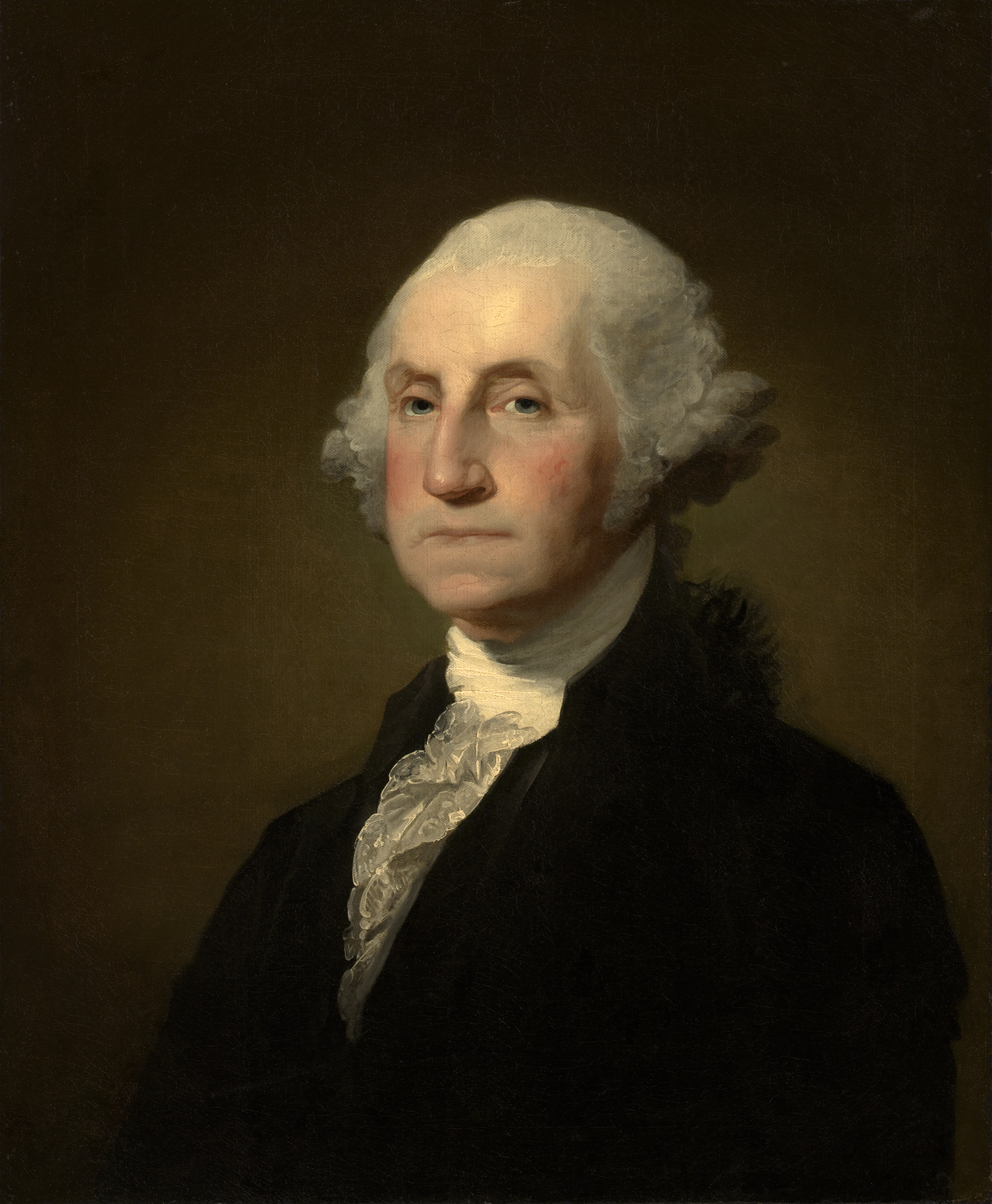
In the United States, George Washington, commander of the Continental Army during the American Revolutionary War, president of the Constitutional Convention, and the first president of the United States, is commonly considered the Father of the Nation. In Spain, the monarch is considered the personification and embodiment, the symbol of unity and permanence of the nation. In Thailand, the monarch is given the same recognition, and any person who expresses disrespect toward the reigning monarch faces severe criminal penalties.
Many dictators bestow titles upon themselves, which rarely survive the end of their regime. Gnassingbé Eyadéma of Togo's titles included "father of the nation", "older brother", and "Guide of the People". Mobutu Sese Seko, president of Zaire from 1971 to 1997, was referred to as "Father of the nation", "the Guide", "the Messiah", "the Leopard", "the Sun-President", and "the Cock who Jumps on Anything That Moves". In postcolonial Africa, "father of the nation" was a title used by many leaders both to refer to their role in the independence movement as a source of legitimacy, and to use paternalist symbolism as a source of continued popularity. On Joseph Stalin's seventieth birthday in 1949, he was bestowed with the title "Father of Nations" for his establishment of "people's democracies" in countries occupied by the USSR after World War II.
The title "Father of the Nation" is sometimes politically contested. The 1972 Constitution of Bangladesh declared Sheikh Mujibur Rahman to be "father of the nation". A motion in the Parliament of Slovakia to proclaim controversial pre-war leader Andrej Hlinka "father of the nation" barely failed in September 2007.
List
The following people are still often called the "Father" or "Mother" of their respective nations.
| Name | Nation | Title (native) | Title (translation) | Notes | |||||||||
|---|---|---|---|---|---|---|---|---|---|---|---|---|---|
| Ahmad Shah Durrani | Afghanistan | Ahmad Shāh Baba | title=Ahmad Shah Durrani: Father of Modern Afghanistan | last1=Ganḍā | first1=Singh | year=1959 | publisher=Asia Pub. House | isbn=978-1-4021-7278-6 | page=457 | url=https://books.google.com/books?id=F_A8AAAAMAAJ | access-date=2010-08-25}} | Founder of the Afghan Durrani Empire | |
| Mohammad Zahir Shah | Baba-e-Millat | Father of the Nation | Last and longest-reigning king of Afghanistan (1933–1973) | ||||||||||
| Skanderbeg | Albania | Heroi Kombëtar | |||||||||||
| Dragoi i Shqipërisë | National Hero | ||||||||||||
| Dragon of Albania | Resisted the Ottoman conquest of Albania and delayed Ottoman advances into Western Europe | ||||||||||||
| Ismail Kemal | Babai Kombit | Father of the Nation | Led the Albanian national movement against the Ottoman Empire | ||||||||||
| Ahmed Ben Bella | Algeria | أبو الأمة ('abu al'uma) | Father of the Nation | First President of Algeria and first Prime Minister of Algeria | |||||||||
| Agostinho Neto | Angola | Pai da Nação | Father of the Nation | Leader of the MPLA during the Angolan War of Independence and the first President of Angola. | |||||||||
| V. C. Bird | Antigua and Barbuda | Father of the Nation | Father of the Nation | First prime minister of Antigua and Barbuda and founder of the Antigua and Barbuda Labour Party. | |||||||||
| José de San Martín | Argentina | ||||||||||||
| Chile | |||||||||||||
| Peru Peru | Padre de la Patria / | ||||||||||||
| Fundador de la República y Protector del Perú | Father of the Fatherland / | ||||||||||||
| Founder of the Republic and Protector of Peru | Primary leader of the Argentine War of Independence and the Spanish American wars of independence in southern South America | ||||||||||||
| María Remedios del Valle | Argentina | Madre de la Patria | Mother of the Homeland | Important officer in the Argentine Army during the War of Independence, referred to as the "Mother of the Homeland" since her lifetime. In 1829, the Chamber of Representatives of the province of Buenos Aires named her "Mother of the Homeland" and granted her the position of sergeant major. | |||||||||
| Հայկ (Hayk) | Armenia | Նահապետ (hy) | Head of the Family | ||||||||||
| Patriarch | Legendary founder of the Armenian nation | ||||||||||||
| Sir Henry Parkes, | Australia | Father of Federation | Father of Federation | Gave the Tenterfield Oration, which is believed to be pivotal in the process of the Federation of Australia. | |||||||||
| Mahammad Amin Rasulzade | Millətin Atası | Father of the Nation | The founder of the Azerbaijan Democratic Republic, considered by many to be the founding father of the nation. | ||||||||||
| Heydar Aliyev | Böyük Lider | Great Leader | 3rd President of Azerbaijan from 1993 to his death in 2003, considered the founder of the modern Azerbaijani state. | ||||||||||
| Sir Lynden Pindling | The Bahamas | Father of the Nation | Father of the Nation | Leader at independence in 1973. | |||||||||
| Sheikh Mujibur Rahman | Bangladesh | বঙ্গবন্ধু (bn) | Founding president / Architecture of Independence | Founding leader of Bangladesh. Leader during the Bangladesh Liberation War. | |||||||||
| Errol Barrow | Barbados | Father of Independence | Father of Independence | The third and final premier of Barbados, serving from 1961 to 1966, who lead Barbados to independence from the British Empire in 1966. He became the first prime minister and served three terms (1966–76, 1986–87) dying in office of illness during his third. | |||||||||
| Konstanty Kalinowski | Belarus | Стваральнік беларускага народу (be) | Creator of the Belarusian Nation | Used among other titles. Military and political leader during the January Uprising. Usage opposed by those who view Kalinowski's nationality as Polish, rather than Belarusian. | |||||||||
| George Cadle Price | Belize | Father of the Nation | Father of the Nation | Former Chief Minister, Premier and two-term Prime Minister before retiring in 1997. | |||||||||
| Simón Bolívar | Bolivia | ||||||||||||
| Colombia | |||||||||||||
| Ecuador | |||||||||||||
| Panama | |||||||||||||
| Peru | |||||||||||||
| Venezuela | El Libertador | The Liberator | Primary leader of the Spanish American wars of independence in northern South America. | ||||||||||
| Seretse Khama | Botswana | Rra Boipuso | Father of Independence | Leader of the independence movement and first President of Botswana. Creator of democracy in Botswana | |||||||||
| Dom Pedro I, Maria Leopoldina of Austria and José Bonifácio de Andrada e Silva | Brazil | Pai da Pátria e Patriarca da Independência | Father of the Nation and Patriarch of Independence | Founder and the first Emperor of Brazil (1822) during the independence of Brazil. Maria Leopoldina was the first Empress of Brazil. Bonifácio was the advisor of Pedro I. | |||||||||
| Omar Ali Saifuddien III | Brunei | Arkitek Brunei Moden | |||||||||||
| Pembina Negara Moden | |||||||||||||
| Bapa Kemerdekaan | Architect of Modern Brunei. Builder of the Modern Nation and Father of Independence | 28th Sultan of Brunei and First Minister of Defence (1914–1986). | |||||||||||
| Vasil Levski | Bulgaria | Апостола на свободата (Apostola na svobodata) | Apostle of Freedom | Main revolutionary who fought for the independence of Bulgaria from Ottoman rule | |||||||||
| Thomas Sankara | Burkina Faso | Père de la nation | |||||||||||
| Héros du Burkina Faso | Father of The Nation and Hero of Burkina Faso | First president of Burkina Faso. Renamed the country from Upper Volta to Burkina Faso and writer of the national anthem, Ditanyè. | |||||||||||
| Louis Rwagasore | Burundi | Père de l'indépendance | Father of Independence | Burundi independence movement leader, second and youngest Prime Minister of Burundi and Crown Prince of the Kingdom of Burundi. | |||||||||
| Norodom Sihanouk | Cambodia | សម្តេចឪ (km) | King Father | Secured independence from France. | |||||||||
| John A. Macdonald and the other Fathers of Confederation | Canada | Fathers of Confederation | |||||||||||
| Pères de la Confédération | Father of Confederation | The 36 Canadian politicians who negotiated Canadian Confederation | |||||||||||
| Bernardo O'Higgins | Chile | Padre de la patria | Father of the fatherland | Principal leader of the Chilean War of Independence | |||||||||
| Sun Yat-sen | Republic of China | 國父 (zh) | Father of the Nation | Sun played an instrumental role in the overthrow of the Qing dynasty during the Xinhai Revolution. The Nationalist government decreed the title in 1940. Sun is more widely known in the People's Republic of China as the "Forerunner of the Revolution". | |||||||||
| José María Castro Madriz | Costa Rica | Fundador de la República | Founder of the Republic | First President of the Republic of Costa Rica. | |||||||||
| Ante Starčević | Croatia | Otac domovine | Father of the Homeland | His diverse activities and works laid the foundations for the modern Croatian state. | |||||||||
| Carlos Manuel de Céspedes | Cuba | Padre de la Patria | Father of the Fatherland | Leader of the first Cuban independence movement which fought the Ten Years' War. | |||||||||
| Archbishop Makarios III | Cyprus | Εθνάρχης (el) | Ethnarch | First and longest President of Cyprus, leader of Greek Cypriot nationalist movement during Cypriot intercommunal violence | |||||||||
| Charles IV, Holy Roman Emperor | Czech Republic | Otec vlasti | Father of the Homeland | King of Bohemia. Title coined by the rector of the Charles University of Prague at the emperor's funeral. | |||||||||
| František Palacký | Otec národa | Father of the Nation | Politician and historian, influential in Czech National Revival movement. Whereas vlast "homeland" included all inhabitants, národ "nation" comprised only Czech people. | ||||||||||
| Tomáš Masaryk | Tatíček / | ||||||||||||
| Prezident Osvoboditel | Father of the Fatherland / President Liberator | 978-80-87173-47-3}}, pages 36 – 39, 41 – 42, 106 – 107, 111–112, 124–125, 128, 129, 132, 140–148, 184–199. | |||||||||||
| Juan Pablo Duarte | Dominican Republic | Padre de la Patria | Father of the Fatherland | Foremost of the founding fathers of the Dominican Republic and the key leader responsible for shaping the modern revolutionary ideology that opposed all foreign rule. | |||||||||
| Pedro Santana | Libertador de la Patria | Liberator of the Fatherland | Served as the first President of the Dominican Republic and helped free the country from Haitian rule. | ||||||||||
| Presbyter, Dr. José Matías Delgado | El Salvador | Padre de la patria | Father of the fatherland | One of the founding fathers of El Salvador, and principal leader of the First Shout of Independence. | |||||||||
| Ilia Chavchavadze | Georgia | უგვირგვინო მეფე (ka) | |||||||||||
| ერის მამა (ka) | The Crownless King / Father of the Nation | Promoted Georgian language, literature, culture, and church autocephaly under imperial Russian rule. | |||||||||||
| Members of the Parlamentarischer Rat | Germany | Väter und Mütter des Grundgesetzes | Fathers and mothers of the Basic Law | Drafted the Basic Law, the constitution of (then West) Germany | |||||||||
| Kwame Nkrumah | Ghana | Osagyefo | Father of the nation | First president and prime minister of Ghana during decolonization, the first country in Sub-Saharan Africa to achieve full independence. | |||||||||
| Alexander the Great | Greece | Πατέρας των Ελλήνων (el) | Father of the Greeks | Founder of the Macedonian Empire responsible for spreading Greek culture during the Hellenistic period. | |||||||||
| Sir Eric Gairy | Grenada | Father of Independence | Father of Independence | First Prime Minister of Grenada. Secured independence from the United Kingdom | |||||||||
| Cheddi Jagan | Guyana | Father of the Nation | Father of the Nation | President of Guyana from 1992 to 1997. | |||||||||
| Jean-Jacques Dessalines and Toussaint Louverture | Haiti | Père de la patrie | Father of the Fatherland | Primary leaders of the Haitian Revolution. | |||||||||
| Dionisio de Herrera | Honduras | Padre de la Patria | Father of the Fatherland | First Head of State of Honduras within the Federal Republic of Central America | |||||||||
| Árpád | Hungary | Honalapító | Founder of the Homeland | Second Grand Prince of the Hungarians, leader of the Hungarian conquest of the Carpathian basin. | |||||||||
| Mahatma Gandhi | India | राष्ट्रपिता (Rashtrapita) | |||||||||||
| Bapu (Father) | Father of the Nation | Leader of the Indian independence movement from British Raj. | |||||||||||
| Soepomo | |||||||||||||
| Mohammad Yamin | |||||||||||||
| Sukarno | |||||||||||||
| Mohammad Hatta | |||||||||||||
| Sutan Sjahrir | Indonesia | Bapak Bangsa | |||||||||||
| Sang Proklamator | |||||||||||||
| Dwitunggal | Father(s) of the Nation | ||||||||||||
| The Proclamators | |||||||||||||
| Duumvirate | Main leaders of the Indonesian National Revolution, wrote and signed the Proclamation of Indonesian Independence, as well as served as the first President and Vice President of Indonesia, respectively. | ||||||||||||
| Cyrus the Great | Iran (Persia) | Shahanshah | King of Kings | The founder of the first Persian Empire | |||||||||
| David Ben-Gurion | Israel | Israel's founding father | Father of the Nation | Formally proclaimed the establishment of Israel and served as its first prime minister | |||||||||
| Theodor Herzl | חוֹזֵה הַמְדִינָה (he, ) | date=May 14, 1948 | title=Declaration of Establishment of State of Israel | url=http://www.mfa.gov.il/mfa/foreignpolicy/peace/guide/pages/declaration%20of%20establishment%20of%20state%20of%20israel.aspx | url-status=dead | archive-url=https://web.archive.org/web/20151228134825/http://www.mfa.gov.il/mfa/foreignpolicy/peace/guide/pages/declaration%20of%20establishment%20of%20state%20of%20israel.aspx | archive-date=Dec 28, 2015 | website=Israel Ministry of Foreign Affairs}} | Father of modern political Zionism | ||||
| Julius Caesar | Italy | Pater Patriae | Father of the Fatherland | Gave the Roman citizenship to all the inhabitants of the Italian Peninsula | |||||||||
| Augustus | Pater Patriae | Father of the Fatherland | Gave administrative unity to the Italian Peninsula, by defining the regions of Roman Italy. | ||||||||||
| {{plainlist | Padre della Patria | Father of the Fatherland | Authors of Italian unification | ||||||||||
| Kerei Khan and Janibek Khan | Kazakhstan | Негізін қалаушылар (Negızın qalauşylar) | Founders | Founders and first rulers of the Kazakh Khanate, who led the Kazakh War of Independence against the Uzbek Khanate and established the first independent Kazakh state. | |||||||||
| Jomo Kenyatta | Kenya | Baba wa Taifa | Father of the Nation/Freedom Fighter | First President of Kenya from 1963 to his death in 1978 who helped create the Kenyan Constitution. | |||||||||
| Ibrahim Rugova | Kosovo | Ati i Kombit | Father of the Nation | First president of the First Republic of Kosovo. President of Serbian Autonomous Province of Kosovo and Metochia under UN administration after the Kosovo War. | |||||||||
| Muammar Gaddafi | Libya | أبو الأمة ('abu al'uma) | Father of the Nation | Leader of Libya from 1969 to 2011. He styled himself as the Father of the Nation, in addition to using other titles. He was also styled as such by Libyan state media. | |||||||||
| Jonas Basanavičius | Lithuania | Tautos patriarchas | Patriarch of the Nation | Various cultural activities during the Lithuanian National Revival. | |||||||||
| Tunku Abdul Rahman | Malaysia | {{plainlist | {{plainlist | The first Prime Minister of Malaysia. A prince from the Kedah Sultanate, the Cambridge-educated Tunku led the negotiated independence of Federation of Malaya from the British Empire in 1957. Later formed Malaysia through the union of Peninsular Malaya, Singapore, North Borneo and Sarawak in 1963. | |||||||||
| Giorgio Borġ Olivier | Malta | Missier Malta Indipendenti | Father of Independent Malta | First post-independence Prime Minister of Malta between 1950–1955 and 1962–1971. | |||||||||
| Dom Mintoff | {{plainlist | {{plainlist | A Maltese statesman and leading politician. He twice served as Prime Minister of Malta (from 1955 to 1958, and from 1974 to 1984) as the Leader of the Labour Party, a position he held from 1949 to 1984. In 1974, with him as Prime Minister, Malta negotiated a series of constitutional reforms leading to the establishment of the Maltese Republic and the removal of the British monarch as head of state. In 1979, the last Royal Navy ships left Malta, marking the country's transformation into a fully independent nation. Mintoff is also credited with the establishment of the Maltese welfare state and the socialist-style nationalisation and collectivisation of various key industries. | ||||||||||
| Sir Seewoosagur Ramgoolam | Mauritius | Father of the Nation | url=http://www.mauritiuspost.mu/museum/fdc/other.php?id=51 | quote=Known as the "Father of the Nation", Sir Seewoosagur Ramgoolam has throughout his political career from 1940 to 1982 been closely associated with the significant emancipation of the people of Mauritius and has led the struggle for Independence. | title=Centenary of Sir Seewoosagur Ramgoolam. | year=2004 | work=Mauritius Post Museum | publisher=Mauritius Post | access-date=2009-01-20 | url-status=dead | archive-url=https://web.archive.org/web/20070625162936/http://www.mauritiuspost.mu/museum/fdc/other.php?id=51 | archive-date=25 June 2007 }} | First post-independence Prime Minister, in 1968. |
| Miguel Hidalgo y Costilla | Mexico | Padre de la patria mexicana | Father of the Mexican Nation | First revolutionary leader in the Mexican War of Independence. | |||||||||
| Genghis Khan | Mongolia | Монголчуудын эцэг (mn) | Father of the Mongols, Founding Father of Mongolia | After unifying the many nomadic tribes of northeastern Asian steppe peoples, Genghis Khan founded the Mongol Empire and became the first Great Khan and Emperor. He eventually led a conquest of the majority of Eurasia, and his unified homeland would become Mongolia. | |||||||||
| Mohammed V | Morocco | أَب الْأُمَّة (ar) | Father of the Nation | King of Morocco during its independence in 1956, seen by most Moroccans as Father of the Nation. | |||||||||
| Aung San | Myanmar | {{plainlist | Father of Nation, | ||||||||||
| Father of Independence, | |||||||||||||
| Father of Tatmadaw (Burmese Army) | He was the founder of Tatmadaw (Burmese Army) and he was the 5th Prime Minister of Burma during the British Era from 1946 to 1947. He was instrumental in Myanmar's struggle for independence from British rule, but he was assassinated just six months before his goal was realized. | ||||||||||||
| Sam Nujoma | Namibia | Founding Father of the Namibian Nation | Founding Father of the Namibian Nation | Primary leader of SWAPO during the South African Border War and first President of Namibia, 1990–2005; title conferred by Act of Parliament in 2005. | |||||||||
| Prithvi Narayan Shah | Nepal | श्री ५ बडामहाराजधिराज पृथ्वी नारायण शाह () | Father of the Nation | King of Nepal during the Unification of Nepal. | |||||||||
| William the Silent | Netherlands | Vader des Vaderlands | Father of the Fatherland | Leader of the successful Dutch Revolt against the Spanish Empire, which led to the Dutch Republic, the first independent Dutch state. | |||||||||
| Diriangén | Nicaragua | Padre de la Patria Nicaragüense | Father of the Nicaraguan Fatherland | Native Nicaraguan tribal leader | |||||||||
| José Núñez | Salvador de la Patria | Savior of the Fatherland | First president of independent Nicaragua following its secession from the Federal Republic of Central America. | ||||||||||
| Nnamdi Azikiwe | Nigeria | Father of Nigerian Nationalism | Father of Nigerian Nationalism | First president of Nigeria when it became a republic on 1 October 1963, and was the last governor general of Nigeria. | |||||||||
| Krste Misirkov | North Macedonia | Татко на нацијата (Tatko na nacijata) | Father of the Nation | Prominent linguist, writer and activist. | |||||||||
| Einar Gerhardsen | Norway | Landsfaderen | Father of the Nation | First post–World War II prime minister of Norway. | |||||||||
| Kim Il Sung | North Korea | 주체조선의 영원한 수령 (ko) | Eternal Leader | Founder of the North Korean state, progenitor of Juche, and General Secretary of the Workers' Party of Korea from 1949 to 1994. | |||||||||
| Qaboos bin Said | Oman | أَبُو الْأُمَّة (ar) | Father of the Nation | Sultan from 1970 to 2020, transitioned the country to independence from Britain and promulgated the Basic Statute of Oman. | |||||||||
| Muhammad Ali Jinnah | Pakistan | {{plainlist | Father of the Nation | Led the Pakistan Movement and served as the first governor-general of Pakistan. | |||||||||
| Yasser Arafat | Palestine | أبو فلسطين ('abu filastin) | The Father of Palestine | Led the Palestinian liberation movement and served as president of the State of Palestine from 1994 to 2004. | |||||||||
| Sir Michael Somare | Papua New Guinea | Papa Blo Kantri | Father of the Nation | Leader at independence in 1975; also known as "the chief" and "the old man". | |||||||||
| Emilio Aguinaldo | Philippines | Kauna-unahang Pangulo ng Pilipinas | First President of the Philippines | Military Leader of the Philippine Revolution and the First President of the Philippines through the 1899 Malolos Congress, which oversaw the promulgation of the Malolos Constitution. His birthday, 22 March 1869, is celebrated as Emilio Aguinaldo Day. | |||||||||
| Andrés Bonifacio | Amá ng Himagsikan | Father of the Revolution | Political Leader of the Philippine Revolution, which saw armed resistance against the Spanish Empire. His birthday, 30 November 1863, is a national holiday. | ||||||||||
| José Rizal | Pambansáng Bayani | National Hero | Colloquially known as the "National Hero". Rizal's works and writings–which helped start the Philippine Revolution–are part of the national curriculum as mandated by Republic Act No. 1425. The anniversary of his 30 December 1896 execution by the Spanish colonial government is a national holiday. | ||||||||||
| Ignacy Daszyński, Roman Dmowski, Wojciech Korfanty, Ignacy Jan Paderewski, Józef Piłsudski, Wincenty Witos | Poland | Ojcowie Niepodległości, Ojcowie Polski Odrodzonej | Fathers of Independence, Fathers of Reborn Poland | After World War I six fathers of independence jointly took advantage of the favorable conditions and led to the birth of the Second Polish Republic. | |||||||||
| Mieszko I | Twórca państwa polskiego | Founder of the Polish state | Mieszko I united slavic tribes of Poland, baptized the country and became the first historical ruler of Poland. | ||||||||||
| Dom Afonso I of Portugal | Portugal | Fundador da Nacionalidade | Founder of Nationhood | ||||||||||
| a.k.a. The Conqueror | Founder and first King of Portugal (1139), recognized by the Holy See in 1179. | ||||||||||||
| Peter I of Russia | Russia | Отец Отечества (ru) | Father of the Fatherland | Was granted the title in 1721 by the Governing Senate, along with "Emperor of Russia" and "The Great". | |||||||||
| Sir John Compton | Saint Lucia | Father of the Nation | Father of the Nation | Prime Minister at independence in 1979. Also known as "Daddy Compton". | |||||||||
| Ibn Saud of Saudi Arabia | Saudi Arabia | وَالِد الْأُمَّة (ar)/الْمُؤَسِّس (ar) | Father of the Nation/The Founder | Unified the tribes of the Arabian Peninsula and established the modern Saudi state. He descended from the noble House of Saud, the dynasty which had ruled most of Arabia in the 18th century. His son King Salman is the current head of state of Saudi Arabia. Five other older sons – Saud, Faisal, Khalid, Fahd and Abdullah – served as former heads of state. | |||||||||
| Donald Dewar | Scotland | Father of the Nation | Father of the Nation | The inaugural holder of the office of First Minister of Scotland following the reconvening of the Scottish Parliament in 1999. He is known as the Father of the Nation for his role in overseeing the introduction of Scottish devolution. | |||||||||
| Saint Sava | Serbia | Отац отаџбине (Otac otadžbine) | Father of the Fatherland | Founder of the Serbian Orthodox Church. | |||||||||
| Karađorđe and Miloš the Great | Отац нације (Otac nacije) | Father of the Nation | Leaders of the First and Second Serbian Uprising during the Serbian Revolution. | ||||||||||
| Dobrica Ćosić | Отац нације (Otac nacije) | Father of the Nation | Yugoslav and Serbian politician, writer, and political theorist. | ||||||||||
| Lee Kuan Yew | Singapore | 国父 (Guófù) | Father of Singapore | First Prime Minister of the Republic of Singapore, governing for over 30 years. Leading figure throughout Singapore's time as a part of Malaysia and its later independence. | |||||||||
| Primož Trubar and Janez Bleiweis | Slovenia | Oče naroda | Father of the Nation | A consolidator of Slovene and the author of the first Slovene printed book (Trubar) and a politician, national awakener and promotor of the United Slovenia political program (Bleiweis). | |||||||||
| Mohammed Abdullah Hassan | Somalia | Aabaha aabaha | Father of the fatherland | The emir of Dervish and Diiriye Guure. | |||||||||
| Nelson Mandela | South Africa | Tata wethu | Our Father | Primary leader of internal resistance to apartheid as chairman of the African National Congress, and first President of post-apartheid South Africa. | |||||||||
| Catholic Monarchs (Ferdinand and Isabella) | Spain | Reyes Católicos de los reinos de Castilla y Aragón | Catholic Monarchs of the Kingdoms of Castille and Aragon | The unifiers of Spain. They unified the territories of Castille, Aragon and Al-Andalus, all the territories of the Iberian Peninsula, except Portugal. During their reign America was discovered and started the Spanish Empire. | |||||||||
| Don Stephen Senanayake | Sri Lanka | ජාතියේ පියා (si) | Father of the Nation | First Prime Minister, from 1947 to 1952. | |||||||||
| Johan Ferrier | Suriname | Vader des Vaderlands | Father of the Nation | First president after the independence of the country in 1975 (the term Vader des Vaderlands has its roots in the Netherlands). | |||||||||
| Gustav I of Sweden | Sweden | Landsfader | Father of the Nation | Led Sweden out of the Kalmar Union. | |||||||||
| Per Albin Hansson | Landsfader | Father of the Nation | Prime Minister 1932–1946 and founder of The People's Home. | ||||||||||
| Julius Nyerere | Tanzania | Baba wa Taifa | Father of the Nation | First President of Tanzania. | |||||||||
| Henry Alcazar, Victor Bryan, Tubal Uriah Butler, Rudranath Capildeo, Simbhoonath Capildeo, Arthur Andrew Cipriani, Albert Gomes, Solomon Hochoy, A. P. T. James, Audrey Jeffers, Ranjit Kumar, Emmanuel Mzumbo Lazare, Chanka Maharaj, Bhadase Sagan Maraj, Quintin O'Connor, Michael Pocock, Adrian Cola Rienzi (Krishna Deonarine), Alfred Richards, Harold Robinson, Timothy Roodal, Lionel Seukeran, Ashford Sinanan, Mitra Sinanan, Sarran Teelucksingh, Louis de Verteuil, Gerald Wight, Eric Williams, Hugh Wooding | Trinidad and Tobago | Moulders of the Nation | Moulders of the Nation | They helped shape the country's future as an independent nation and laid the foundation of democracy. | |||||||||
| Eric Williams | Father of the Nation | Father of the Nation | First and three-term Prime Minister of Trinidad and Tobago from 1956 to his death in 1981, first Premier of Trinidad and Tobago from 1961 to 1966, second Chief Minister of Trinidad and Tobago from 1956 to 1961, founder of the People's National Movement (PNM) and was instrumental in writing the Trinidad and Tobago constitution and gaining the country independence and republicanism from British rule. | ||||||||||
| Habib Bourguiba | Tunisia | الْمُجَاهِد الْأَكْبَر (ar) | The Supreme Warrior | Father of the independence of Tunisia and first President of Tunisia. He led the Tunisian national movement against the French colonial empire. After Tunisian independence, he founded a modern state, built schools and hospitals and gave the Tunisian women rights that are still unique in the Arab World today. | |||||||||
| Mustafa Kemal Atatürk | Turkey | Atatürk | Father of the Turks (always used as a last name and not a title proper) | Founder of the Republic of Turkey and first President of Turkey. He led the Turkish national movement in the Turkish War of Independence, and enacted the reforms that made Turkey a democratic nation-state. Granted in accordance with the 1934 Surname Law establishing surnames in Turkey. | |||||||||
| Saparmurat Niyazov | Turkmenistan | Türkmenbaşy | Father of the Turkmen | Inaugural president as well as president for life of Turkmenistan, he ruled the country with an iron fist from 1991 to 2006. | |||||||||
| Bohdan Khmelnytsky | Ukraine | Батько нації (Batʹko natsiyi) | Father of the Nation | Leader of the Khmelnytsky Uprising against the Polish–Lithuanian Commonwealth and founder of the Cossack Hetmanate, the first independent Ukrainian state. | |||||||||
| Taras Shevchenko | Батько нації (Batʹko natsiyi) | Father of the Nation | Preserver of Ukrainian language and literature from Russification during Tsarist rule. | ||||||||||
| Sheikh Zayed bin Sultan Al Nahyan | United Arab Emirates | وَالِد الْأُمَّة (ar) | Father of the Nation | President of the UAE for its first 33 years (1971–2004). | |||||||||
| George Washington, John Adams, Thomas Jefferson, James Madison, John Jay, Alexander Hamilton, Benjamin Franklin and other Signers and Framers | United States | Founding Fathers | Founding Fathers | The Signers signed the United States Declaration of Independence in 1776. The Framers were delegates to the Constitutional Convention and took part in framing or drafting the proposed United States Constitution. | |||||||||
| George Washington | Father of His Country | Grizzard | 2002 | pp=105–107}} | commander-in-chief]] of the Continental Army during the American Revolutionary War, his resignation of command at the end of the war, the presidency of the Constitutional Convention and for his tenure (and voluntary retirement) as the first President of the United States. | ||||||||
| José Gervasio Artigas | Uruguay | Padre de la independencia uruguaya, Protector de los Pueblos Libres y Jefe de los orientales | Father of Uruguayan independence, Defender of the Free and Chief of the eastern people | Fought against the Spanish Royalists for independence in the Río de la Plata. | |||||||||
| Ho Chi Minh | Vietnam | Cha già dân tộc | Father of the people | Leader of the Viet Minh, who fought for independence from France in the First Indochina War and decisively defeated them at the bloody Battle of Dien Bien Phu, resulting in the establishment of an independent Democratic Republic of Vietnam in the north of the country in 1954. Vietnam would eventually be united under Communist Party of Vietnam rule after his death with the Fall of Saigon at the end of the Vietnam War in 1975. | |||||||||
| Rhodri Morgan | Wales | Tad y Genedl | Father of the Nation | First Minister of Wales from 2000 to 2009. He is credited with stabilising Welsh devolution after the short and unstable premiership of his predecessor, the first First Minister Alun Michael. | |||||||||
| El-Ouali Mustapha Sayed | Western Sahara | أبو الأمة ('abu al'uma) | Father of the Nation | Leader of the Polisario Front, First President of the SADR. Fought against Spanish colonial army & against the invasion of the Moroccan and Mauritanian armies in the Western Sahara conflict. | |||||||||
| Kenneth Kaunda | Zambia | Tata | Father of the nation | First president of Zambia from 1964 to 1991. He founded the Zambian African National Congress (ANC), later becoming the head of the United National Independence Party (UNIP) which led to attaining independence. |
References
Works cited
References
- Triulzi, Alessandro. (1996). "The Post-colonial Question". [[Routledge]].
- Haskin, Jeanne M.. (2005). "The Tragic State of the Congo: From Decolonization to Dictatorship". Algora Publishing.
- Schatzberg, Michael G.. (2001). "Political Legitimacy in Middle Africa: Father, Family, Food". [[Indiana University Press]].
- Paczkowski, Andrzej. (2003). "The Spring Will be Ours: Poland and the Poles from Occupation to Freedom". [[Penn State Press]].
- "Country profile: Bangladesh". BBC News.
- Balogová, Beata. (2007-12-17). "2007 was turbulent for the ruling coalition". The Slovak Spectator.
- (1959). "Ahmad Shah Durrani: Father of Modern Afghanistan". Asia Pub. House.
- (1997). "Ahmad Shah and the Durrani Empire". [[Library of Congress Country Studies]] on [[Afghanistan]].
- (2010). "Aḥmad Shah Durrānī". [[Encyclopædia Britannica]] Online Version.
- ''[[Encyclopædia Britannica]]'', [https://www.britannica.com/eb/article-9078202/Mohammad-Zahir-Shah "Mohammad Zahir Shah"]
- MacIntyre, Ben. (24 June 2016). "Lawless Libya can unite behind a new king". The Daily Telegraph.
- George, Elesha. (10 December 2020). "A&B celebrates the Father of the Nation". Antigua and Barbuda Observer.
- "Argentina - José de San Martín".
- (13 May 2019). "María Remedios del Valle, la "Madre de la Patria"". [[Cabildo of Buenos Aires.
- Pignatelli, Adrián. (8 November 2022). "Remedios del Valle, la "Madre de la Patria" que luchó junto a Belgrano y terminó como mendiga". [[Infobae]].
- https://eurasianet.org/cancellation-of-azerbaijani-historical-biopic-sparks-controversy
- http://news.bbc.co.uk/2/hi/asia-pacific/3170536.stm {{Bare URL inline. (July 2025)
- (4 January 2024). "Ode to the father: Bangladesh's political personality cult". [[France 24]].
- (1975-01-27). "'Father' of Bangladesh". The New York Times.
- Shahabuddin, Mohammed. (15 August 2023). "Immortal Bangabandhu". Daily Sun.
- BGIS. (2024-01-21). "Celebrating The Life Of Errol Walton Barrow".
- (22 March 2021). "Каліноўскі быў беларусам. Даказаць адваротнае немагчыма". [[Novy Chas]].
- (22 January 2013). "Каліноўскі і мы". [[Radio Free Europe/Radio Liberty]].
- (3 April 2009). "Кім быў Кастусь Каліноўскі?". [[Polskie Radio]].
- (2015). "至樂齋詩抄 第二部". 新華出版社.
- (2017). "少数民族入主中国史略". Lulu.com.
- (27 June 2013). "Francisco María Oreamuno Badilla".
- "Povijest Oca domovine". [[Croatian Party of Rights Dr. Ante Starčević]].
- Roberts, Andrew Lawrence. (2005). "From Good King Wenceslas to the Good Soldier Švejk: A Dictionary of Czech Popular Culture". [[Central European University Press]].
- Preclík, Vratislav. Masaryk a legie (Masaryk and legions), váz. kniha, 219 pages, first issue vydalo nakladatelství Paris Karviná, Žižkova 2379 (734 01 Karvina, Czech Republic) ve spolupráci s Masarykovým demokratickým hnutím (Masaryk Democratic Movement, Prague), 2019, {{ISBN. 978-80-87173-47-3, pages 36 – 39, 41 – 42, 106 – 107, 111–112, 124–125, 128, 129, 132, 140–148, 184–199.
- Carlos Meléndez Chaverri. (2000). "Presbítero y Dr. José Matías Delgado, Prócer Centroamericano". National Council for Culture and Art (CONCULTURA).
- Lamrani, Salim. (2021-04-30). "Toussaint Louverture, In the Name of Dignity. A Look at the Trajectory of the Precursor of Independence of Haiti". Études caribéennes.
- Mocombe, Paul C.. (2018). "Identity and Ideology in Haiti: The Children of Sans Souci, Dessalines/Toussaint, and Pétion". Routledge.
- (2 October 2021). "Gandhi Jayanti 2021: Inspirational quotes by 'Father of the Nation' Mahatma Gandhi". Firstpost.
- (20 January 2020). "Mahatma Gandhi was never declared 'Father of Nation', reveals RTI reply". [[The Times of India]].
- (1 December 1973). "1973: Israel's founding father dies". BBC.
- (May 14, 1948). "Declaration of Establishment of State of Israel".
- Sarti, Roland. (2003). "Almanacco della Repubblica: storia d'Italia attraverso le tradizioni, le istituzioni e le simbologie repubblicane". Pearson.
- Ugolini, Romano. "Cento anni del Vittoriano 1911-2011". Gangemi.
- Perfetti, Francesco. (2011). "Quaderni del Dipartimento di Scienze Politiche Università Cattolica del Sacro Cuore".
- (2018-10-13). "On the Foundation of the Kazakh Khanate".
- Walker, Shaun. (16 April 2011). "Kazakh leader puts own name in lights with film of his childhood". The Independent.
- Danahar, Paul. (1 September 2011). "Photo journal: Key moments in Libya's six-month revolt". BBC News.
- Mekay, Emad. (23 February 2011). "One Libyan Battle Is Fought in Social and News Media". The New York Times.
- O'Connor, Kevin. (2003). "The history of the Baltic States". Greenwood Publishing Group.
- (2007-09-15). "El Grito, una tradición popular mexicana sin dueño". El Periodico de Mexico.
- (2025-03-10). "ذكرى وفاة جلالة المغفور له محمد الخامس.. مناسبة لاستحضار التضحيات الجسام التي بذلها محرر الأمة من أجل الحرية والاستقلال".
- (2022-04-11). "63rd Anniversary of Death of HM Mohammed V, Tribute to Memory of Father of the Nation and Symbol of Anti-colonial Struggle".
- (1999-01-01). "Les 100 portes du Maghreb". Éditions de l'Atelier (programme ReLIRE).
- "Myanmar and Aung San: The resurrection of an icon". www.lowyinstitute.org.
- (22 September 2016). "Profile in power: Aung San - InsideBurma Tours blog". InsideAsia Blog.
- "The Oude and Nieuwe Kerk in Delft".
- Ortiz Nuñez, Ramiro. (1953). "Dirianghen: padre de la patria nicaragüense". Tipografía Brenes.
- Andrés Vega Bolaños (1944). «Gobernantes de Nicaragua» p. 73, 74
- Bjørn Talen. (1987-05-09). "Gratulerer, kjære landsmann!". [[Aftenposten]].
- "Kim Jong-un and North Korea's Power Structure".
- "التاريخ". Foreign Ministry of Oman.
- "History". Foreign Ministry of Oman.
- (2020-01-21). "Oman's new sultan faces mammoth challenges". BBC News.
- (11 September 2008). "Quaid's 60th death anniversary being marked today". The News International.
- "Father of the Nation : Quaid-i-Azam Muhammad Ali Jinnah". Government of Pakistan.
- Shelburne, Elizabeth. (10 August 2005). "The Father of Palestine".
- Kuku, Rebecca. (2021-02-26). "Sir Michael Somare, Papua New Guinea's 'Father of the Nation', dies aged 84". The Guardian.
- "Jose Rizal".
- "Różnymi ścieżkami ku Niepodległej szli. Ojcowie Polski Odrodzonej". Niepodległa - świętujmy razem!.
- (10 September 2007). "Obituary: Sir John Compton". [[The Daily Telegraph]].
- (12 October 2020). "Remembering Donad Dewar: the Glasgow politician who became 'Father of the Nation'". Glasgow Times.
- (2001). "Britannica Book of the Year". Encyclopaedia Britannica, Incorporated.
- Branko Pešić. (1988). "Spomen hram Sv. Save na Vračaru u Beogradu: 1895–1988". Sveti arhijerejski sinod Srpske pravoslavne crkve.
- Durde Jelenić. (1923). "Nova Srbija i Jugoslavija, 1788–1921".
- Milivoj J. Malenić. (1901). "Posle četrdeset godina: u spomen proslave četrdesetogodišnjice Sv. Andrejske velike narodne skupštine". U Drž. štamp. Kralj. Srbije.
- Zorica Vulić. (11 May 2000). "Ko je ovaj čovek?: Dobrica Ćosić". [[Glas javnosti]].
- Lukić, Svetlana Lukić & Svetlana Vuković. (16 March 2007). "Injekcija za Srbe". [[B92]]: Peščanik.
- (2001). "The Scramble in the Horn of Africa".
- "Nelson Mandela International Day, July 18, For Freedom, Justice and Democracy". United Nations.
- Ryytty, Carsten. (2014). "Per Albin Hansson dör".
- Duval Smith, Alex. (20 October 1999). "Tanzania weeps for father of the nation". [[The Independent]].
- (26 May 2013). "50th Anniversary of Independence of Trinidad and Tobago". Issuu.
- "Trinidad and Tobago Parliament".
- (2018-02-07). "Dr. Eric Williams: The Father of the Nation".
- Parla, Taha. (2004). "Corporatist Ideology in Kemalist Turkey: Progress Or Order?". [[Syracuse University Press]].
- "Why is Taras Shevchenko a phenomenon for the Ukrainian people? :: Svidomi".
- Wheeler, Julia. (2 November 2004). "Obituary: Sheikh Zayed". BBC.
- "America's Founding Fathers". National Archives.
- Stanfield, Jack. ''America's Founding Fathers: Who Are They? Thumbnail Sketches of 164 Patriots'' (Universal-Publishers, 2001).
- {{harvtxt. Grizzard. 2002
- Rupert Cornwell, [https://www.independent.co.uk/news/presidents/george-washington-the-father-of-the-nation-1391109.html "George Washington: The father of the nation" (17 January 2009).] {{Webarchive. link. (10 October 2017)
- Phillips, Ioan. (20 July 2021). "Morgan, Hywel Rhodri (1939-2017), gwleidydd". Y Bywngraffiadur [Dictionary of Welsh Biography].
- Bory, Stéphanie. (1 January 2018). "From Rhodri Morgan to Carwyn Jones, two different styles of leadership". Observatoire de la société britannique.
- Hurst, Greg. (2010). "The Times Guide to the House of Commons, 2010". Times Newspapers Limited.
- Phillips, Ioan. (20 July 2021). "Morgan, Hywel Rhodri (1939-2017), politician". Dictionary of Welsh Biography.
This article was imported from Wikipedia and is available under the Creative Commons Attribution-ShareAlike 4.0 License. Content has been adapted to SurfDoc format. Original contributors can be found on the article history page.
Ask Mako anything about Father of the Nation — get instant answers, deeper analysis, and related topics.
Research with MakoFree with your Surf account
Create a free account to save articles, ask Mako questions, and organize your research.
Sign up freeThis content may have been generated or modified by AI. CloudSurf Software LLC is not responsible for the accuracy, completeness, or reliability of AI-generated content. Always verify important information from primary sources.
Report