From Surf Wiki (app.surf) — the open knowledge base
Ex vivo
Process of biological interventions on extracted fragments of organisms
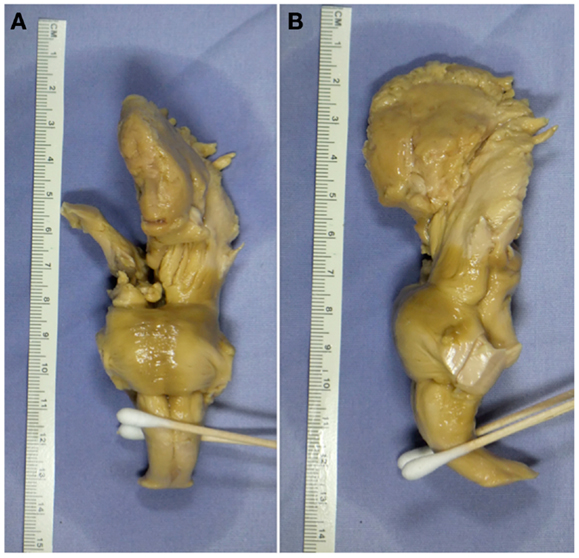
Process of biological interventions on extracted fragments of organisms
refers to biological studies involving tissues, organs, or cells maintained outside their native organism under controlled laboratory conditions. By carefully managing factors such as temperature, oxygenation, nutrient delivery, and perfusing a nutrient solution through the tissue's vasculature, researchers sustain function long enough to conduct experiments that would be difficult or unethical in a living body. Exvivo models occupy a middle ground between in vitro () models, which typically use isolated cells, and in vivo () studies conducted inside living organisms.
Ex vivo platforms support pharmacologic screening, toxicology testing, transplant evaluation, developmental biology, and investigations of disease-mechanism research across medicine and biology, from cardiology and neuroscience to dermatology and orthopedics. Because they often use human tissues obtained from clinical procedures or biobanks, they can reduce reliance on live-animal experimentation; their utility, however, is limited by finite viability, incomplete systemic integration, and post-mortem biochemical changes that accumulate over time. The earliest perfusion studies were conducted in the mid-19thcentury, and subsequent advances in sterilization, imaging, and microfluidics have facilitated broader adoption into the 20th and 21stcenturies. Regulatory oversight depends on specimen origin: human exvivo research is subject to informed consent, whereas animal-derived models fall under institutional animal care guidelines.
Principles and definition

Ex vivo, literally 'out of the living' in Latin, refers to biological studies involving tissues, organs, or cells maintained outside their native organism under tightly controlled laboratory conditions. These studies preserve the extracted materials' viability and structural integrity for limited periods by managing conditions such as oxygenation, temperature, nutrient delivery, and humidity, depending on the specific requirements of the model. These conditions are often facilitated through cell culture media or specialized perfusion chambers.
Physiological relevance refers to the extent to which an experimental system replicates the structural, mechanical, and biochemical environment of a living organism. In vivo models are conducted within living organisms, therefore rank highest in terms of physiological relevance—these models preserve the full complexity of organismal physiology. As an intermediate approach between in vivo models and in vitro ones (the latter of which typically use isolated cells in artificial environments), exvivo models preserve more of the native tissue architecture than traditional cell cultures, while allowing greater experimental control than whole-organism studies. In doing so, exvivo models address some of the limitations of invitro work, such as oversimplified cellular interactions, and may help mitigate the systemic variability and complexity inherent to invivo models.

In the preclinical development of therapies for bone diseases, for example, in vitro cell studies are typically performed prior to in vivo testing in animals, as the latter approach is more costly, time-intensive, and complex, requiring large sample sizes to yield statistically meaningful results. However, in vitro findings do not always foresee in vivo responses due to the absence of native tissue architecture, including the extracellular matrix (ECM), and the lack of physiologically relevant cell–cell as well as cell–matrix interactions. Ex vivo bone explant cultures preserve these features by maintaining tissue integrity outside the organism, and reduce the complexity of in vivo testing by excluding systemic variables, enabling controlled investigation of specific biological or mechanical factors. Another example is the use of ex vivo models during the preclinical evaluation of intestinal drug transport. Unlike in vivo studies, which rely on animal models and are affected by interspecies differences, ex vivo approaches can utilize resected human intestinal segments, more accurately representing human physiological conditions.
The boundary between exvivo and invitro models remains contested, particularly in the fields of regenerative medicine and tissue engineering, where the terms have been used interchangeably in many studies. Modern invitro systems have progressed from simple two-dimensional cell cultures to advanced three-dimensional constructs, such as organoids and organ-on-a-chip devices, that replicate aspects of tissue architecture, further complicating the distinction. Klein and Hutmacher (2024) propose that a model may be classified as exvivo if it meets one or more of the following criteria:
- It preserves the native structure and composition of a cell, tissue, or organ without disrupting its cellular or extracellular components.
- It is used in therapeutic contexts where cells, organs, or tissues are removed and then reimplanted.
- It links explanted organs or tissues to artificial circulation via perfusion.
According to these criteria, systems involving extensive reorganization or manipulation—including organoids, organ-on-a-chip, and organotypic cultures—are considered invitro, even when they replicate certain organ-level functions.
In general, invitro models are more flexible and relatively inexpensive, allowing researchers to test new treatments quickly and adjust experimental parameters as needed. Exvivo systems are less adaptable but often provide a more reliable indication of how a treatment will work in the human body and what side effects it might cause. They are, however, subject to inherent limitations, including post-mortem alterations in biophysical properties, progressive tissue degradation, limited viability duration, and typically the absence—or only artificial replication—of circulation and innervation. These factors can restrict their capacity to reproduce long-term or systemic physiological effects. Some of these limitations also complicate direct comparisons with invivo systems; for example, studies measuring how electric fields behave in primate brain tissue during stimulation have found that results differ markedly between in vivo and ex vivo conditions—and the longer the tissue has been removed from the body, the greater the discrepancy, partly due to cooling and loss of normal biological function. In addition, microglia undergo substantial alterations under ex vivo conditions.
Techniques and applications
Organ perfusion
Main article: Perfusion
Organ perfusion involves circulating oxygenated solutions through isolated organs to sustain their viability. For example, ex vivo lung perfusion (EVLP) is used to evaluate donor lungs prior to transplantation. An EVLP system includes a ventilator connected to the lung via an endotracheal tube to simulate natural respiration and enable alveolar gas exchange. The typical perfusion circuit consists of a centrifugal pump to circulate the perfusate, a reservoir to collect effluent, a heat exchanger for temperature regulation, a leukocyte filter to remove white blood cells, a flow probe to measure perfusate flow, and a membrane gas exchanger to adjust oxygen and carbon dioxide concentrations in the circulating fluid. Cannulas link the circuit to the lung's pulmonary artery and left atrial cuff.
In cardiovascular research, a Langendorff heart preparation removes a heart and perfuses it with a nutrient solution, preserving structure and conduction pathways for investigation of arrhythmias or drug effects without the complexity of an in vivo model. Several ex vivo perfusion systems have been developed to reduce ischemic injury during the organ preservation phase. One such system is the Organ Care System (OCS), which maintains the heart in a non-beating but metabolically active state by circulating heparinized donor blood supplemented with a proprietary perfusate formulation. In translational pharmacology, perfusion platforms restore pulsatile blood flow in isolated human organs, enabling direct measurement of absorption, metabolism, and toxicity prior to first-in-human trials. By supplying pharmacokinetic data on viable human tissue rather than relying on animal models or cell assays, the platforms inform clinical trial decisions and may reduce animal testing.
Not all forms of organ perfusion are ex vivo; in situ perfusion techniques are employed during organ retrieval to restore blood flow to organs while they remain within the body, minimizing ischemic injury and preserving viability for transplantation. A related example is selective insitu perfusion during surgery, such as isolated hepatic perfusion (IHP), which is used for targeted chemotherapy.
Organ culture
Organ culture typically involves maintaining organ sections or small fragments in static or semi-static conditions without active perfusion. The use of culture media to sustain excised tissues or organs does not alter their classification as ex vivo models, provided that the native tissue architecture remains preserved, in accordance with the criteria proposed by Klein and Hutmacher (2024). In dermatological research, human skin organ culture (HSOC) is a technique in which excised human skin is maintained in an artificial medium that preserves its native architecture. HSOC models are employed to study wound healing, drug penetration, and toxicological responses. By retaining the structural complexity of human skin, these models facilitate the investigation of conditions that are not reproducible in animal models, such as keloid formation.
Cell culture involves isolating individual cells from tissues and growing them in a medium enriched with nutrients and growth factors. While these cultures retain some functional characteristics of their tissue of origin, they often exhibit changes in phenotype and gene expression when removed from their native environment. Primary cell cultures, derived directly from tissues, more closely resemble physiological conditions than immortalized cell lines, making them essential for studying cellular behavior, disease mechanisms, and drug effects.
Microscopy and imaging
Ex vivo microscopy (EVM) uses advanced digital microscopes (such as confocal or optical-coherence devices) to produce microscopic images of fresh tissue, without mounting thin sections on glass slides. Because the tissue stays intact, surgeons can assess tumor margins or examine biopsy samples during surgery.
Computed tomography (CT) is used in ex vivo research to produce non-destructive, high-resolution images of internal structures.
Energy–tissue interaction studies
Human skin explants from surgical procedures allow researchers to observe early-stage physiological responses to laser treatments in ways that closely resemble invivo conditions, though processes like re-epithelialization occur more slowly than in living tissue. In intervertebral disc research, ex vivo models that retain vertebral bone allow for testing potential drugs and investigating loading effects on disc degeneration and repair.
In biosensing and electroanalytical applications, ex vivo methods offer experimental flexibility unavailable in living systems. While many in vivo experiments favor micro- and nanoelectrodes to minimize invasiveness, larger electrodes are routinely used for specific purposes. Exvivo approaches, by contrast, permit custom electrode geometries that interface precisely with biological tissues under controlled conditions, without the same constraints on size and invasiveness. This adaptability enables detailed examination of biological analytes and their physiological roles. Exvivo electroanalytical methods are applied in neuroscience, pharmacology, and biomedical engineering to study neurotransmitter dynamics, metabolic activity, and disease-associated biomarkers.
In some cases, ex vivo electroporation, in which an electric field is applied to cells to facilitate the uptake of genetic material, is used to introduce DNA into cells within tissue slices, allowing researchers to study gene expression in a controlled environment.
History
The foundational techniques and concepts of exvivo experimentation were developed in the 19th century, although the term and formalized protocols came later. In 1846, German physiologist Carl Ludwig and his student Carl Wild conducted one of the earliest perfusion studies, connecting the heart of a deceased animal to the common carotid artery of a living donor animal. This configuration allowed the donor's circulation to perfuse the coronary vessels of the excised heart. However, because the heart's viability remained dependent on a living organism rather than an artificial perfusion system, the preparation does not meet the strict criteria for ex vivo experimentation. The earliest known studies involving the perfusion of kidneys outside the native organism were conducted by German physiologist Carl Eduard Loebell, who presented his findings in a doctoral dissertation in 1849. In 1866, Russian physiologist Elias von Cyon developed the isolated perfused frog heart preparation at the Carl Ludwig Institute of Physiology in Leipzig, Germany. This method was commonly used during the late 19thcentury and later served as the basis for the isolated perfused mammalian heart preparation. In 1876, German physiologist Gustav von Bunge and German pharmacologist Oswald Schmiedeberg demonstrated the synthesis of hippuric acid in the isolated dog kidney. In 1885, German physiologist Maximilian von Frey and Austrian biologist Max von Gruber, working at the Carl Ludwig Institute of Physiology, constructed an apparatus combining a mechanical pump with an early oxygenator that substituted the function of the heart and lungs in experiments on dogs. This device oxygenated blood outside the body and was a precursor to the heart–lung machine.
In the 1880s, British physiologist Sydney Ringer developed a salt solution that sustained rhythmic contractions in the isolated frog heart. Later named Ringer's solution, it enabled extended observation of cardiac activity and supported controlled experimental studies on cardiac physiology in isolated preparations. In 1895, German physiologist Oskar Langendorff introduced a method for isolated heart perfusion involving retrograde flow through the aorta to supply the coronary circulation. The Langendorff preparation allowed for direct measurement of cardiac function and precise control of perfusion parameters while minimizing systemic confounders inherent to in vivo models. It became a widely used technique in the study of cardiac physiology and remains a standard method in cardiovascular research. At the turn of the 20thcentury, researchers initiated efforts to preserve animal tissues exvivo within laboratory settings. Early experiments involved isolating tissues from organisms and transferring them to external media to develop reliable cultivation techniques. These studies aimed not only to maintain cellular viability but also to stimulate tissue growth, often using blood plasma—typically sourced from the same animal—as the medium.

In 1935, French surgeon Alexis Carrel and American aviator Charles Lindbergh announced the first closed, sterile perfusion pump. The glass-enclosed, three-chamber device maintained a pulsatile flow of oxygenated perfusate through explanted animal thyroid glands, keeping them viable for up to three weeks in vitro. Their fragments were then transferred to culture flasks, where they gave rise to proliferating cell colonies, verifying exvivo viability. By equalizing pressure and continuously recirculating the medium, the apparatus proved that long-term organ maintenance outside the body was feasible and laid the groundwork for modern perfusion culture techniques. In 1953, American surgeon John Heysham Gibbon successfully employed a heart–lung machine during open-heart surgery on a human patient. The procedure demonstrated that an artificial circuit with controlled oxygenation and temperature could temporarily maintain systemic circulation. Throughout the 20thcentury, exvivo techniques were adapted for a range of animal models. A notable refinement was the development of the working heart model, in which perfusate enters the left atrium and exits through the aorta, more closely replicating physiological flow conditions. Advances in instrumentation enabled detailed assessments of cardiac function, including pressure–volume relationships, oxygen consumption, and myocardial contractility. The artificial organ field contributed significantly to the advancement of exvivo systems; for example, the development of hemodialysis relied on a series of exvivo models designed to support and test extracorporeal circulation technologies.
Ethical and legal aspects
Some exvivo models may offer ethical benefits by reducing reliance on live-animal experimentation relative to in vivo approaches, enabling researchers to conduct physiologically relevant studies without using whole, living organisms. In certain cases, animals already intended for slaughter may be used as tissue sources. The Langendorff heart preparation requires the use of live animals, as it involves the excision and immediate perfusion of the heart to preserve viability for experimental analysis; however, adaptations of the technique can reduce the number of animals needed for certain protocols by enabling multiple experimental applications from a single specimen.
Human tissues for exvivo models are typically obtained from clinical procedures, such as surgical discards, donations, biopsies, or through accredited biobanks. Tissues obtained shortly after death through autopsy are used in some cases, particularly for studies focused on maintaining structural integrity or assessing short-term functional properties. Although human tissues provide the highest degree of physiological relevance, their use is subject to inter-sample heterogeneity (e.g., age, gender, medication history, and diet), logistical challenges in obtaining region-specific samples, and ethical constraints. In many jurisdictions worldwide, the acquisition and research use of human tissues are regulated by ethical and legal frameworks that require informed consent. In Japan, the Ethical Guidelines for Medical and Biological Research Involving Human Subjects, implemented in 2021, consolidate previous standards and mandate that researchers obtain informed consent when conducting studies involving human tissues. In Switzerland, the Federal Act on Research involving Human Beings (Human Research Act, HRA) stipulates that all research involving identifiable human tissue must be approved by an ethics committee. Researchers are required to obtain written informed consent from donors, and documentation concerning the origin of the tissue and the consent procedure must be submitted as part of the ethical review process.
In the United Kingdom, the legal framework governing the removal, storage, and use of human tissue for research varies by jurisdiction. In England, Wales, and Northern Ireland, the Human Tissue Act 2004 mandates that appropriate consent must be obtained for the removal and use of tissue from both the living and the deceased, unless specific statutory exemptions apply. The Act includes provisions introduced in response to public health scandals in the 1990s, such as the Alder Hey and Bristol Royal Infirmary cases, in which thousands of children's organs were retained without parental knowledge. In Scotland, the Human Tissue (Scotland) Act 2006 regulates the removal, retention, and use of human tissue for purposes including transplantation and research. Unlike the 2004 Act, which relies on "appropriate consent", the Scottish legislation is based on the principle of "authorisation" as the legal basis for the use of human tissue. The 2006 Act was subsequently amended by the Human Tissue (Authorisation) (Scotland) Act 2019, which introduced a system of deemed authorisation for organ and tissue donation after death. In Wales, the Human Transplantation (Wales) Act 2013 further diverged by introducing a system of deemed consent for post-mortem organ and tissue donation.
In the United States, federal regulations such as the Common Rule and those enforced by the Food and Drug Administration (FDA) stipulate that researchers must obtain informed consent when conducting studies involving human subjects, including the use of identifiable biological materials. The Health Insurance Portability and Accountability Act (HIPAA) further safeguards the confidentiality of personal health information, including data derived from tissue samples.
Notes
References
Primary sources
References
- (2013). "Imaging White Matter in Human Brainstem". Frontiers in Human Neuroscience.
- (2017). "Ex vivo lung perfusion review of a revolutionary technology". Annals of Translational Medicine.
- Griffiths, John R.. (2022). "Magnetic resonance spectroscopy ex vivo: A short historical review". NMR in Biomedicine.
- (2023). "Closing the gap between in vivo and in vitro omics: using QA/QC to strengthen ex vivo NMR metabolomics". NMR in Biomedicine.
- (2023). "In vitro, ex vivo, and in vivo models for dental pulp regeneration". Journal of Materials Science: Materials in Medicine.
- (February 2023). "Dynamic interaction of injected liquid jet with skin layer interfaces revealed by microsecond imaging of optically cleared ex vivo skin tissue model". Journal of Biological Engineering.
- Szczesny, Spencer E.. (July 2020). "Ex vivo models of musculoskeletal tissues". Connective Tissue Research.
- (2016). "Investigating lung responses with functional hyperpolarized xenon-129 MRI in an ex vivo rat model of asthma". Magnetic Resonance in Medicine.
- (2021). "Ex vivo Bone Models and Their Potential in Preclinical Evaluation". Current Osteoporosis Reports.
- (September 2021). "Biofabrication of advanced in vitro and ex vivo cancer models for disease modeling and drug screening". Future Drug Discovery.
- (2024). "Straddling the Line Between In Vitro and Ex Vivo Investigations". Tissue Engineering Part C.
- (2020). "Human skin explant model for the investigation of topical therapeutics". Scientific Reports.
- Cserép, C.. (2025). "Lessons from ex vivo and in vitro models in microglia research". Trends in Neurosciences.
- (2019). "The Enteric Nervous System for Epithelial Researchers: Basic Anatomy, Techniques, and Interactions With the Epithelium". Cellular and Molecular Gastroenterology and Hepatology.
- (May 2017). "Limitations of ex vivo measurements for in vivo neuroscience". [[Proceedings of the National Academy of Sciences of the United States of America]].
- (2024). "A comprehensive protocol combining in vivo and ex vivo electrophysiological experiments in an arrhythmogenic animal model". American Journal of Physiology. Heart and Circulatory Physiology.
- (2019). "A normothermic ex vivo organ perfusion delivery method for cardiac transplantation gene therapy". Scientific Reports.
- (2008). "Ex vivo Metrics™, a preclinical tool in new drug development". [[Journal of Translational Medicine]].
- (2014). "In Situ Normothermic Regional Perfusion for Controlled Donation After Circulatory Death—The United Kingdom Experience". [[American Journal of Transplantation]].
- (2014). "Isolated hepatic perfusion for patients with liver metastases". Therapeutic Advances in Medical Oncology.
- (2024). "Ex vivo lung perfusion and the Organ Care System: a review". Clinical Transplant Research.
- (2022). "Organ Therapeutics During Ex-Situ Dynamic Preservation: A Look Into the Future". European Journal of Transplantation.
- (2018). "The renaissance of human skin organ culture: A critical reappraisal". Differentiation.
- (December 2019). "In vitro and ex vivo models for functional testing of therapeutic anti-scarring drug targets in keloids". Advances in Wound Care.
- (March 2024). "Clinical and Molecular Insights into Hypertrophic Scars and Keloids: A Literature Review". International Journal of Medical Science and Clinical Research Studies.
- Hussein, Ramadan S.. (March 2024). "Botulinum Neurotoxin BoNT-A in the Management of Hypertrophic Scars and Keloids: A Comprehensive Review". International Journal of Biomedicine.
- (2009). "Comparative proteomic phenotyping of cell lines and primary cells to assess preservation of cell type-specific functions". Molecular & Cellular Proteomics.
- (2020). "RNA-seq reveals altered gene expression levels in proximal tubular cell cultures compared to renal cortex but not during early glucotoxicity". Scientific Reports.
- (2019). "Ex Vivo Microscopy: A Promising Next-Generation Digital Microscopy Tool for Surgical Pathology Practice". [[Archives of Pathology & Laboratory Medicine]].
- "CT-scan". Institut national de recherche pour l'agriculture, l'alimentation et l'environnement.
- (2013). "Usefulness and Limitations of Skin Explants to Assess Laser Treatment". Medical Lasers.
- (July 2016). "Development of a Large Animal Long-Term Intervertebral Disc Organ Culture Model That Includes the Bony Vertebrae for Ex Vivo Studies". Tissue Engineering Part C: Methods.
- Patel, Bhavik A.. (2021). "Electrochemistry for Bioanalysis". [[Elsevier]].
- (2007). "Electrochemical Methods for Neuroscience". [[CRC Press]].
- (2015). "Guide to Research Techniques in Neuroscience". [[Academic Press]].
- Zimmer, Heinz-Gerd. (1998). "The Isolated Perfused Heart and Its Pioneers". News in Physiological Sciences.
- (2007). "Isolated heart perfusion according to Langendorff—Still viable in the new millennium". Journal of Pharmacological and Toxicological Methods.
- (2017). "A Laboratory Manual of Kidney Perfusion Techniques". [[University of Münster]].
- Zimmer, Heinz-Gerd. (2003). "The heart-lung machine was invented twice--the first time by Max von Frey". Clinical Cardiology.
- Fye, W. B.. (1984). "Sydney Ringer, calcium, and cardiac function". Circulation.
- (2024). "History of the development of isolated heart perfusion experimental model and its pioneering role in understanding heart physiology". Archives of Medical Science – Atherosclerotic Diseases.
- (2021). "Enabling out-of-body experiences for living organs". [[Journal of Experimental Medicine]].
- Hill, J. Donald. (1982). "John H. Gibbon, Jr. Part I. The development of the first successful heart-lung machine". [[The Annals of Thoracic Surgery]].
- (1967). "Effect of pressure development on oxygen consumption by isolated rat heart". American Journal of Physiology.
- (1974). "Instantaneous pressure-volume relationships and their ratio in the excised, supported canine left ventricle". Circulation Research.
- (2022). "P1: Ex Vivo Liver Perfusion for Research Purposes. Can We Use Slaughterhouse Material to Reduce Animal Testing?". [[ASAIO Journal]].
- (December 2022). "Controversies in spine research: Organ culture versus in vivo models for studies of the intervertebral disc". JOR Spine.
- (2014). "Utility of cell viability assays for use with ex vivo vocal fold epithelial tissue". [[The Laryngoscope]].
- (2013). "A novel approach to the Langendorff technique: preparation of isolated cardiomyocytes and myocardial samples from the same rat heart". Experimental Physiology.
- "Human Metabolic Tissue Bank". [[University of Pennsylvania]].
- "A – Z List of Registered Resources".
- (2005). "Development of a rapid autopsy program for studies of brain immunity". [[Journal of Neuroimmunology]].
- (2021). "An overview of in vitro, ex vivo and in vivo models for studying the transport of drugs across intestinal barriers". Advanced Drug Delivery Reviews.
- (2022). "Overview of the ethical guidelines for medical and biological research involving human subjects in Japan". [[Japanese Journal of Clinical Oncology]].
- "Human Research Act". [[University of Basel]].
- "Use of human tissue in research". [[National Health Service]].
- Tempest, Matthew. (15 January 2004). "'Opt-out' organ donations ruled out". [[The Guardian]].
This article was imported from Wikipedia and is available under the Creative Commons Attribution-ShareAlike 4.0 License. Content has been adapted to SurfDoc format. Original contributors can be found on the article history page.
Ask Mako anything about Ex vivo — get instant answers, deeper analysis, and related topics.
Research with MakoFree with your Surf account
Create a free account to save articles, ask Mako questions, and organize your research.
Sign up freeThis content may have been generated or modified by AI. CloudSurf Software LLC is not responsible for the accuracy, completeness, or reliability of AI-generated content. Always verify important information from primary sources.
Report