From Surf Wiki (app.surf) — the open knowledge base
Evolutionary medicine
Application of modern evolutionary theory to understanding health and disease
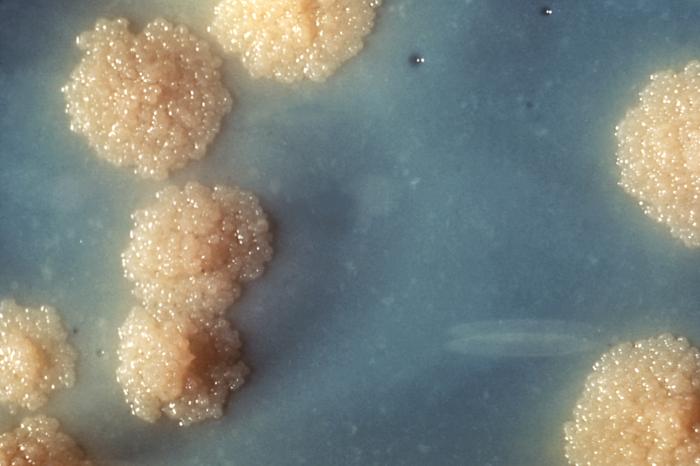
Application of modern evolutionary theory to understanding health and disease
Evolutionary medicine or Darwinian medicine is the application of modern evolutionary theory to understanding health and disease. Modern biomedical research and practice have focused on the molecular and physiological mechanisms underlying health and disease, while evolutionary medicine focuses on the question of why evolution has shaped these mechanisms in ways that may leave us susceptible to disease. The evolutionary approach has driven important advances in the understanding of cancer, autoimmune disease, and anatomy. Medical schools have been slower to integrate evolutionary approaches because of limitations on what can be added to existing medical curricula. The International Society for Evolution, Medicine and Public Health coordinates efforts to develop the field. It owns the Oxford University Press journal Evolution, Medicine and Public Health and The Evolution and Medicine Review.
Core principles
Utilizing the Delphi method, 56 experts from a variety of disciplines, including anthropology, medicine, nursing, and biology agreed upon 14 core principles intrinsic to the education and practice of evolutionary medicine. These 14 principles can be further grouped into five general categories: question framing, evolution I and II (with II involving a higher level of complexity), evolutionary trade-offs, reasons for vulnerability, and culture. Additional information regarding these principles may be found in the table below.
| Topic | Core Principle |
|---|---|
| Types of explanation (question framing) | Both proximate (mechanistic) and ultimate (evolutionary) explanations are needed to provide a full biological understanding of traits, including those that increase vulnerability to disease. |
| Evolutionary processes (evolution I) | All evolutionary processes, including natural selection, genetic drift, mutation, migration and non-random mating, are important for understanding traits and disease. |
| Reproductive success (evolution I) | Natural selection maximizes reproductive success, sometimes at the expense of health and longevity. |
| Sexual selection (evolution I) | Sexual selection shapes traits that result in different health risks between sexes. |
| Constraints (evolution I) | Several constraints inhibit the capacity of natural selection to shape traits that are hypothetically optimal for health. |
| Trade-offs (evolutionary trade-offs) | Evolutionary changes in one trait that improve fitness can be linked to changes in other traits that decrease fitness. |
| Life History Theory (evolutionary trade-offs) | Life history traits, such as age at first reproduction, reproductive lifespan and rate of senescence, are shaped by evolution, and have implications for health and disease. |
| Levels of selection (evolution II) | Vulnerabilities to disease can result when selection has opposing effects at different levels (e.g. genetic elements, cells, organisms, kin and other levels). |
| Phylogeny (evolution II) | Tracing phylogenetic relationships for species, populations, traits or pathogens can provide insights into health and disease. |
| Coevolution (evolution II) | Coevolution among species can influence health and disease (e.g. evolutionary arms races and mutualistic relationships such as those seen in the microbiome). |
| Plasticity (evolution II) | Environmental factors can shift developmental trajectories in ways that influence health and the plasticity of these trajectories can be the product of evolved adaptive mechanisms. |
| Defenses (reasons for vulnerability) | Many signs and symptoms of disease (e.g. fever) are useful defenses, which can be pathological if dysregulated. |
| Mismatch (reasons for vulnerability) | Disease risks can be altered for organisms living in environments that differ from those in which their ancestors evolved. |
| Cultural practices (culture) | Cultural practices can influence the evolution of humans and other species (including pathogens), in ways that can affect health and disease (e.g. anti-biotic use, birth practices, diet, etc.). |
Human adaptations
Adaptation works within constraints, makes compromises and trade-offs, and occurs in the context of different forms of competition.
Constraints
Adaptations can only occur if they are evolvable. Some adaptations which would prevent ill health are therefore not possible.
- DNA cannot be totally prevented from undergoing somatic replication corruption; this has meant that cancer, which is caused by somatic mutations, has not (so far) been eliminated by natural selection.
- Humans cannot biosynthesize vitamin C, and so risk scurvy, vitamin C deficiency disease, if dietary intake of the vitamin is insufficient.
- Retinal neurons and their axon output have evolved to be inside the layer of retinal pigment cells. This creates a constraint on the evolution of the visual system such that the optic nerve is forced to exit the retina through a point called the optic disc. This, in turn, creates a blind spot. More importantly, it makes vision vulnerable to increased pressure within the eye (glaucoma) since this cups and damages the optic nerve at this point, resulting in impaired vision. Other constraints occur as the byproduct of adaptive innovations.
Trade-offs and conflicts
One constraint upon selection is that different adaptations can conflict, which requires a compromise between them to ensure an optimal cost-benefit tradeoff.
- Running efficiency in women, and birth canal size
- Encephalization, and gut size
- Skin pigmentation protection from UV, and the skin synthesis of vitamin D
- Speech and its use of a descended larynx, and increased risk of choking
Competition effects
Different forms of competition exist and these can shape the processes of genetic change.
- mate choice and disease susceptibility
- genomic conflict between mother and fetus that results in pre-eclampsia
Lifestyle
Humans evolved to live as simple hunter-gatherers in small tribal bands, while contemporary humans have a more complex life. This change may make present-day humans susceptible to lifestyle diseases.
Diet
In contrast to the diet of early hunter-gatherers, the modern Western diet often contains high quantities of fat, salt, and simple carbohydrates, such as refined sugars and flours.
- Trans fat health risks
- Dental caries
- High GI foods
- Modern diet based on "common wisdom" regarding diets in the Paleolithic era
Among different countries, the incidence of colon cancer varies widely, and the extent of exposure to a Western pattern diet may be a factor in cancer incidence.
Life expectancy
Main article: Aging-associated diseases
Examples of aging-associated diseases are atherosclerosis and cardiovascular disease, cancer, arthritis, cataracts, osteoporosis, type 2 diabetes, hypertension and Alzheimer's disease. The incidence of all of these diseases increases rapidly with aging (increases exponentially with age, in the case of cancer).

Of the roughly 150,000 people who die each day across the globe, about two thirds—100,000 per day—die of age-related causes. In industrialized nations, the proportion is much higher, reaching 90%.
Exercise
Many contemporary humans engage in little physical exercise compared to the physically active lifestyles of ancestral hunter-gatherers. Prolonged periods of inactivity may have only occurred in early humans following illness or injury, so a modern sedentary lifestyle may continuously cue the body to trigger life preserving metabolic and stress-related responses such as inflammation, and some theorize that this causes chronic diseases.
Cleanliness
Contemporary humans in developed countries are mostly free of parasites, particularly intestinal ones. This is largely due to frequent washing of clothing and the body, and improved sanitation. Although such hygiene can be very important when it comes to maintaining good health, it can be problematic for the proper development of the immune system. The hygiene hypothesis is that humans evolved to be dependent on certain microorganisms that help establish the immune system, and modern hygiene practices can prevent necessary exposure to these microorganisms. "Microorganisms and macroorganisms such as helminths from mud, animals, and feces play a critical role in driving immunoregulation" (Rook, 2012). Essential microorganisms play a crucial role in building and training immune functions that fight off and repel some diseases, and protect against excessive inflammation, which has been implicated in several diseases. For instance, recent studies have found evidence supporting inflammation as a contributing factor in Alzheimer's Disease.
Specific explanations
This is a partial list: all links here go to a section describing or debating its evolutionary origin.
Life stage related
- Adipose tissue in human infants
- Arthritis and other chronic inflammatory diseases
- Ageing
- Alzheimer disease
- Childhood
- Menarche
- Menopause
- Menstruation
- Morning sickness
Other
- Atherosclerosis
- Arthritis and other chronic inflammatory diseases
- Cough]
- Cystic fibrosis
- Dental occlusion
- Diabetes Type II
- Diarrhea
- Essential hypertension
- Fever
- Gestational hypertension
- Gout
- Iron deficiency (paradoxical benefits)
- Obesity
- Phenylketonuria
- Placebos
- Osteoporosis
- Red blood cell polymorphism disorders
- Sickle cell anemia
- Sickness behavior
- Women's reproductive cancers
Evolutionary psychology
As noted in the table below, adaptationist hypotheses regarding the etiology of psychological disorders are often based on analogies with evolutionary perspectives on medicine and physiological dysfunctions (see in particular, Randy Nesse and George C. Williams' book Why We Get Sick). Evolutionary psychiatrists and psychologists suggest that some mental disorders likely have multiple causes.
| Possible Causes of Psychological 'Abnormalities' from an Adaptationist Perspective |
|---|
| Possible cause |
| **Functioning adaptation |
| (adaptive defense)** |
| By-product of an adaptation(s) |
| Adaptations with multiple effects |
| Malfunctioning adaptation |
| Frequency-dependent morphs |
| Mismatch between ancestral & current environments |
| Tails of normal (bell shaped) curve |
See several topic areas, and the associated references, below.
- Agoraphobia
- Anxiety
- Depression
- Drug abuse
- Schizophrenia
- Unhappiness
History

Charles Darwin did not discuss the implications of his work for medicine, though biologists quickly appreciated the germ theory of disease and its implications for understanding the evolution of pathogens, as well as an organism's need to defend against them.
Medicine, in turn, ignored evolution, and instead focused (as done in the hard sciences) upon proximate mechanical causes. George C. Williams was the first to apply evolutionary theory to health in the context of senescence. Also in the 1950s, John Bowlby approached the problem of disturbed child development from an evolutionary perspective upon attachment.
An important theoretical development was Nikolaas Tinbergen's distinction made originally in ethology between evolutionary and proximate mechanisms.
Randolph M. Nesse summarizes its relevance to medicine:
The paper of Paul Ewald in 1980, "Evolutionary Biology and the Treatment of Signs and Symptoms of Infectious Disease", and that of Williams and Nesse in 1991, "The Dawn of Darwinian Medicine" were key developments. The latter paper "draw a favorable reception",page x and led to a book, Why We Get Sick (published as Evolution and healing in the UK). In 2008, an online journal started: Evolution and Medicine Review.
In 2000, Paul Sherman hypothesised that morning sickness could be an adaptation that protects the developing fetus from foodborne illnesses, some of which can cause miscarriage or birth defects, such as listeriosis and toxoplasmosis.
References
References
- (December 2006). "Cancer as an evolutionary and ecological process". Nature Reviews. Cancer.
- (January 2012). "Helminth-host immunological interactions: prevention and control of immune-mediated diseases". Annals of the New York Academy of Sciences.
- Shubin, Neil. (2008). "Your inner fish : a journey into the 3.5-billion-year history of the human body". Pantheon Books.
- (January 2010). "Evolution in health and medicine Sackler colloquium: Making evolutionary biology a basic science for medicine". Proceedings of the National Academy of Sciences of the United States of America.
- (2017-12-26). "Core principles of evolutionary medicine: A Delphi study". Evolution, Medicine, and Public Health.
- (2005). "Issues in evolutionary medicine". American Journal of Human Biology.
- (2002). "Up from dragons: the evolution of human intelligence". McGraw-Hill.
- (1995). "The Expensive-Tissue Hypothesis: The Brain and the Digestive System in Human and Primate Evolution". Current Anthropology.
- (2007). "The Evolution of Human Speech: Its Anatomical and Neural Bases". Current Anthropology.
- (November 2004). "Good vs complementary genes for parasite resistance and the evolution of mate choice". BMC Evolutionary Biology.
- (December 1993). "Genetic conflicts in human pregnancy". The Quarterly Review of Biology.
- (September 2000). "Pre-eclampsia: a parent–offspring conflict". Journal of Psychosomatic Obstetrics and Gynaecology.
- (April 1988). "Stone agers in the fast lane: chronic degenerative diseases in evolutionary perspective". The American Journal of Medicine.
- (December 1978). "Diabetes incidence and prevalence in Pima Indians: a 19-fold greater incidence than in Rochester, Minnesota". American Journal of Epidemiology.
- (February 2002). "Evolutionary health promotion". Preventive Medicine.
- (February 2006). "The ancestral human diet: what was it and should it be a paradigm for contemporary nutrition?". The Proceedings of the Nutrition Society.
- (September 2003). "Micronutrient intakes of wild primates: are humans different?". Comparative Biochemistry and Physiology. Part A, Molecular & Integrative Physiology.
- (December 2016). "Diet, microorganisms and their metabolites, and colon cancer". Nature Reviews. Gastroenterology & Hepatology.
- Aubrey D.N.J, de Grey. (2007). "Life Span Extension Research and Public Debate: Societal Considerations". Studies in Ethics, Law, and Technology.
- (2005). "Realigning our 21st century diet and lifestyle with our hunter-gatherer genetic identity". Directions Psych.
- (2007). "Endothelial Biomedicine". Cambridge University Press.
- (September 2003). "An evolutionary perspective on human physical activity: implications for health". Comparative Biochemistry and Physiology. Part A, Molecular & Integrative Physiology.
- (July 1998). "Physical activity, energy expenditure and fitness: an evolutionary perspective". International Journal of Sports Medicine.
- (1997). "Nutrition and Fitness: Evolutionary Aspects, Children's Health, Programs and Policies". World Review of Nutrition and Dietetics.
- (August 2010). "Disease prevention--should we target obesity or sedentary lifestyle?". Nature Reviews. Cardiology.
- http://www.microbemagazine.org/index.php {{Webarchive. link. (2013-10-17 ? option=com_content&view=article&id=4700:a-darwinian-view-of-the-hygiene-or-old-friends- hypothesis&catid=950&Itemid=1301)
- (January 2013). "Hygiene and the world distribution of Alzheimer's disease: Epidemiological evidence for a relationship between microbial environment and age-adjusted disease burden". Evolution, Medicine, and Public Health.
- (1998). "Adipose tissue in human infancy and childhood: an evolutionary perspective". American Journal of Physical Anthropology.
- Straub, R. H., del Rey, A., Besedovsky, H. O. (2007) "Emerging concepts for the pathogenesis of chronic disabling inflammatory diseases: neuroendocrine-immune interactions and evolutionary biology" In: Ader, R. (2007) "Psychoneuroimmunology", Volume 1, Academic Press, San Diego, pp.217-232
- (2007). "[Why are there analogous disease mechanisms in chronic inflammatory diseases?]". Wiener Klinische Wochenschrift.
- (2003). "A Darwinian-evolutionary concept of age-related diseases". Experimental Gerontology.
- Bogin, B. (1997) "Evolutionary hypotheses for human childhood". Yearbook of Physical Anthropology. 104: 63-89 [https://archive.today/20110813195657/http://www3.interscience.wiley.com/journal/39912/abstract abstract]
- (2006). "Evolution, development and timing of puberty". Trends in Endocrinology and Metabolism.
- (August 2007). "An evolutionary perspective on the origin and ontogeny of menopause". Maturitas.
- (September 1993). "Menstruation as a defense against pathogens transported by sperm". The Quarterly Review of Biology.
- (June 1996). "The evolution of endometrial cycles and menstruation". The Quarterly Review of Biology.
- (1998). "Menstruation: A nonadaptive consequence of uterine evolution". The Quarterly Review of Biology.
- (June 2000). "Morning sickness: a mechanism for protecting mother and embryo". The Quarterly Review of Biology.
- (July 2008). "Morning sickness: adaptive cause or nonadaptive consequence of embryo viability?". The American Naturalist.
- (December 2001). "Atherosclerosis as an autoimmune disease: an update". Trends in Immunology.
- (December 2003). "Integrated evolutionary, immunological, and neuroendocrine framework for the pathogenesis of chronic disabling inflammatory diseases". FASEB Journal.
- (1987). "What maintains the frequencies of human genetic diseases?". Nature.
- (2003). "Tooth wear and the "design" of the human dentition: a perspective from evolutionary medicine". American Journal of Physical Anthropology.
- (December 1962). "Diabetes mellitus: a "thrifty" genotype rendered detrimental by "progress"?". American Journal of Human Genetics.
- (1998). "Type II diabetes, essential hypertension, and obesity as "syndromes of impaired genetic homeostasis": the "thrifty genotype" hypothesis enters the 21st century". Perspectives in Biology and Medicine.
- (1996). "Why We Get Sick: the new science of Darwinian medicine". Vintage Books.
- (February 2000). "Diseases of aging". Vaccine.
- (April 1975). "Fever and survival". Science.
- (January 1979). "Fever and reduced iron: their interaction as a host defense response to bacterial infection". Science.
- (November 1981). "Uric acid provides an antioxidant defense in humans against oxidant- and radical-caused aging and cancer: a hypothesis". Proceedings of the National Academy of Sciences of the United States of America.
- (October 2008). "Evaluation of iron deficiency as a nutritional adaptation to infectious disease: an evolutionary medicine perspective". American Journal of Human Biology.
- (April 1997). "Paleolithic nutrition revisited: a twelve-year retrospective on its nature and implications". European Journal of Clinical Nutrition.
- (January 1985). "Paleolithic nutrition. A consideration of its nature and current implications". The New England Journal of Medicine.
- (May 1975). "Phenylketonuria as a balanced polymorphism: the nature of the heterozygote advantage". Annals of Human Genetics.
- Humphrey, Nicholas. (2002). "The mind made flesh: essays from the frontiers of psychology and evolution". Oxford University Press.
- (November 2008). "Osteoporosis: an evolutionary perspective". Human Genetics.
- (August 2006). "Human red blood cell polymorphisms and malaria". Current Opinion in Microbiology.
- (November 2004). "Enhanced phagocytosis of ring-parasitized mutant erythrocytes: a common mechanism that may explain protection against falciparum malaria in sickle trait and beta-thalassemia trait". Blood.
- (July 2005). "Sickle cell trait and the risk of Plasmodium falciparum malaria and other childhood diseases". The Journal of Infectious Diseases.
- (1988). "Biological basis of the behavior of sick animals". Neuroscience and Biobehavioral Reviews.
- (September 1994). "Women's reproductive cancers in evolutionary context". The Quarterly Review of Biology.
- Gaulin, Steven J. C. and Donald H. McBurney. Evolutionary psychology. Prentice Hall. 2003. {{ISBN. 978-0-13-111529-3, Chapter 1, p 1-24.
- Buss, D.M. (2011). Evolutionary Psychology.
- Gaulin & McBurney (2004), Evolutionary Psychology
- Workman & Reader (2004), Evolutionary Psychology
- (1997). "The maladapted mind: classic readings in evolutionary psychopathology". Psychology Press.
- (June 2005). "An approach to the prevention of anxiety-related disorders based on evolutionary medicine". Preventive Medicine.
- (January 2000). "Is depression an adaptation?". Archives of General Psychiatry.
- (October 1997). "Psychoactive drug use in evolutionary perspective". Science.
- (July 1995). "A Darwinian approach to the origins of psychosis". The British Journal of Psychiatry.
- (March 2004). "Schizophrenia-an evolutionary enigma?". Neuroscience and Biobehavioral Reviews.
- (September 2004). "Natural selection and the elusiveness of happiness". Philosophical Transactions of the Royal Society of London. Series B, Biological Sciences.
- (1 July 1998). "Notes on an evolutionary medicine". Psychosomatic Medicine.
- (2011-06-04). "Pleiotropy, Natural Selection, and the Evolution of Senescence". Evolution.
- (August 2019). ["On Aims and Methods in Ethology"](http://www.rockefeller.edu/bard/pdfs/week_02_tinbergen_on_aims_and_methods_of_ethology_zft_1963.pdf }}{{Dead link). Zeitschrift für Tierpsychologie.
- (December 2008). "Evolution: medicine's most basic science". Lancet.
- (September 1980). "Evolutionary biology and the treatment of signs and symptoms of infectious disease". Journal of Theoretical Biology.
- (March 1991). "The dawn of Darwinian medicine". The Quarterly Review of Biology.
- Brody, Jane E.. (2000-06-06). "PERSONAL HEALTH; What Could Be Good About Morning Sickness? Plenty". The New York Times.
This article was imported from Wikipedia and is available under the Creative Commons Attribution-ShareAlike 4.0 License. Content has been adapted to SurfDoc format. Original contributors can be found on the article history page.
Ask Mako anything about Evolutionary medicine — get instant answers, deeper analysis, and related topics.
Research with MakoFree with your Surf account
Create a free account to save articles, ask Mako questions, and organize your research.
Sign up freeThis content may have been generated or modified by AI. CloudSurf Software LLC is not responsible for the accuracy, completeness, or reliability of AI-generated content. Always verify important information from primary sources.
Report