From Surf Wiki (app.surf) — the open knowledge base
Eurovision Song Contest 1997
International song competition

International song competition
| Field | Value |
|---|---|
| name | Eurovision Song Contest |
| year | 1997 |
| logo | Eurovision Song Contest Logo 1997.svg |
| final | |
| presenters | |
| musdirector | Frank McNamara |
| director | Ian McGarry |
| scrutineer | Marie-Claire Vionnet |
| exproducer | Noel Curran |
| organiser | European Broadcasting Union (EBU) |
| host | Radio Telefís Éireann (RTÉ) |
| venue | Point Theatre |
| Dublin, Ireland | |
| winner | |
| vote | Each country awarded 12, 10, 8–1 points to their ten favourite songs |
| entries | 25 |
| return | |
| nonreturn | |
| Map Relegation | Y |
Dublin, Ireland
The Eurovision Song Contest 1997 was the 42nd edition of the Eurovision Song Contest, held on 3 May 1997 at the Point Theatre in Dublin, Ireland, and presented by Carrie Crowley and Ronan Keating. It was organised by the European Broadcasting Union (EBU) and host broadcaster Radio Telefís Éireann (RTÉ), who staged the event after winning the for with the song "The Voice" by Eimear Quinn. The 1997 contest was the seventh – and to date last – edition to be staged in Ireland, as well as the fourth to be produced by RTÉ in five years. The Point Theatre served as the host venue for the third time, following the and contests, becoming the only venue to have been the site of three Eurovision Song Contests.
Broadcasters from twenty-five countries participated in the contest, with a new relegation system introduced to determine which could participate, based on each country's average points total in previous contests. made its first appearance since , and , , , and returned after last competing in , having been prevented from competing the previous year after failing to progress from that event's qualifying round. , , and , participants in the previous year's contest, were unable to return after being excluded by the new relegation rules.
The winner was the with the song "Love Shine a Light", written by Kimberley Rew and performed by Katrina and the Waves. , , , and rounded out the top five, with Ireland earning its fifth placing in the top two within six years, Turkey achieving their best result to date, and Cyprus equalling its best result from . Five of the competing countries used televoting to determine their points, allowing the general viewing public a say in the results for the first time; following this successful trial all countries were encouraged to use this system starting from the . Entries were also permitted for the first time to feature no live music accompaniment, with each performance being able to use only a backing track rather than utilising any part of the orchestra or any live instrumentation from the performers themselves.
The 1997 event would prove to be a watershed for the contest, with many aspects of this event leaving a lasting impact on future editions of Eurovision. These included: the first openly LGBT artist, Iceland's Paul Oscar, selected to compete in the event; changes to contest rules led to the abandonment of live musical accompaniment in future events; a successful trial of televoting in five countries led to widespread adoption for all countries in 1998.
Location
The 1997 contest took place in Dublin, Ireland, following the country's victory at the with the song "The Voice", performed by Eimear Quinn. It was the seventh time that Ireland had hosted the contest, having previously staged the event in , , , , , and , with all previous events held in Dublin except the 1993 contest which was held in Millstreet. This was the fourth edition of the contest that Ireland had hosted within five years, and with this edition Ireland equalled the record for the nation which had staged the most contests, originally set by the United Kingdom in .
Given the financial impact to staging the contest for a fourth time in five years, there was early speculation following its win in the 1996 contest that Radio Telefís Éireann (RTÉ) might stage the event as a co-production with BBC Northern Ireland. Another possibility that was brought up was hosting the contest in the Sydney Opera House in Australia in collaboration with SBS. Ultimately, the Irish broadcaster decided to organise the event on its own once again. The selected venue was the Point Theatre, a concert and events venue located amongst the Dublin Docklands which had originally been built as a train depot to serve the nearby port. Opened as a music venue in 1988, it was closed for redevelopment and expansion in 2008 and is now known as the 3Arena. The venue had previously hosted the 1994 and 1995 contests, and with this staging it became the only venue to have hosted three Eurovision Song Contests.
Participants
.jpg)
Per the rules of the contest twenty-five countries were allowed to participate in the event. , , , and made a return to the contest after failing to progress from the qualifying round in the previous year's contest, and returned after last competing . Conversely , , and , participants in the 1996 contest, were relegated and prevented from participating in this year's event.
Three representatives who had previously performed as lead artists in the contest competed again at this year's event. Two artists represented their country for a second consecutive year, with Şebnem Paker having represented , and Maarja-Liis Ilus, after having represented with Ivo Linna, competing as a solo artist. Alma Čardžić also made a second appearance in the contest, having previously represented . Additionally, Tor Endresen and Bettina Soriat, representing Norway and Austria, respectively, in this year's event, had performed in previous contests as backing vocalist. Endresen had supported , and Soriat had supported .
| Country | Broadcaster | Artist | Song | Language | Songwriter(s) | Conductor | ||
|---|---|---|---|---|---|---|---|---|
| ORF | Bettina Soriat | "One Step" | German | |||||
| RTVBiH | Alma Čardžić | "Goodbye" | Bosnian | Sinan Alimanović | ||||
| HRT | E.N.I. | "Probudi me" | Croatian | |||||
| CyBC | and | "Mana mou" (Μάνα μου) | Greek | Stavros Lantsias | ||||
| DR | "Stemmen i mit liv" | Danish | ||||||
| ETV | Maarja | "Keelatud maa" | Estonian | Tarmo Leinatamm | ||||
| France Télévision | Fanny | "Sentiments songes" | French | Régis Dupré | ||||
| NDR | Bianca Shomburg | "Zeit" | German | |||||
| ERT | Marianna Zorba | "Horepse" (Χόρεψε) | Greek | Manolis Manouselis | Anacreon Papageorgiou | |||
| MTV | V.I.P. | "Miért kell, hogy elmenj?" | Hungarian | |||||
| RÚV | Paul Oscar | "Minn hinsti dans" | Icelandic | |||||
| RTÉ | Marc Roberts | "Mysterious Woman" | English | John Farry | ||||
| RAI | Jalisse | "Fiumi di parole" | Italian | Lucio Fabbri | ||||
| PBS | {{ill | Debbie Scerri | de | fr | it}} | "Let Me Fly" | English | Ray Agius |
| NOS | Mrs. Einstein | "Niemand heeft nog tijd" | Dutch | Ed Hooijmans | Dick Bakker | |||
| NRK | Tor Endresen | "San Francisco" | Norwegian | Geir Langslet | ||||
| TVP | Anna Maria Jopek | "Ale jestem" | Polish | Krzesimir Dębski | ||||
| RTP | "Antes do adeus" | Portuguese | Thilo Krasmann | |||||
| ORT | Alla Pugacheva | "Primadonna" (Примадонна) | Russian | Alla Pugacheva | Rutger Gunnarsson | |||
| RTVSLO | Tanja Ribič | "Zbudi se" | Slovene | Mojmir Sepe | ||||
| TVE | Marcos Llunas | "Sin rencor" | Spanish | Marcos Llunas | Toni Xuclà | |||
| SVT | "Bara hon älskar mig" | Swedish | Stephan Berg | Curt-Eric Holmquist | ||||
| SRG SSR | "Dentro di me" | Italian | Barbara Berta | Pietro Damiani | ||||
| TRT | Şebnem Paker and | "Dinle" | Turkish | Levent Çoker | ||||
| BBC | Katrina and the Waves | "Love Shine a Light" | English | Kimberley Rew | Don Airey |
Qualification
Due to the high number of countries wishing to enter the contest a relegation system was introduced in 1993 in order to reduce the number of countries which could compete in each year's contest. Any relegated countries would be able to return the following year, thus allowing all countries the opportunity to compete in at least one in every two editions. The audio-only qualifying round used in 1996 had been poorly received among the competing countries, and so a new relegation system was introduced by the European Broadcasting Union (EBU) for 1997 and future contests. The twenty-five participants in the 1997 contest were made up of the previous year's winning country and host nation Ireland, and the twenty-four countries which had the highest average points total over the preceding four contests. In cases where the average was identical between two or more countries the total number of points scored in the most recent contest determined the final order. Any countries which were not able to compete in the 1997 contest would then be eligible to compete in the 1998 event.
Belgium, , Finland, , , and Slovakia were therefore excluded from participating in the 1997 contest; however following 's withdrawal due to the date of the final clashing with its Holocaust Remembrance Day, Bosnia and Herzegovina was subsequently provided a reprieve and allowed to participate. was also excluded due to its failure to progress through the qualifying round in 1996. The calculations used to determine the countries relegated for the 1997 contest are outlined in the table below.
Table key
| Rank | Country | Average | Yearly Point Totals | 1 | 2 | 3 | 4 | 5 | 6 | 7 | 8 | 9 | 10 | 11 | 12 | 13 | 14 | 15 | 16 | 17 | 18 | 19 | 20 | 21 | 22 | 23 | 24 | 25 | 26 | 27 | 28 | 29 | 30 | 31 | 32 | – | |
|---|---|---|---|---|---|---|---|---|---|---|---|---|---|---|---|---|---|---|---|---|---|---|---|---|---|---|---|---|---|---|---|---|---|---|---|---|---|
| ‡ | 154.75 | 187 | 226 | 44 | 162 | ||||||||||||||||||||||||||||||||
| 114.50 | 120 | 76 | 148 | 114 | |||||||||||||||||||||||||||||||||
| 95.00 | 164 | 63 | 76 | 77 | |||||||||||||||||||||||||||||||||
| 84.25 | 89 | 48 | 100 | 100 | |||||||||||||||||||||||||||||||||
| 77.50 | 69 | 97 | 76 | 68 | |||||||||||||||||||||||||||||||||
| 76.75 | 121 | 74 | 94 | 18 | |||||||||||||||||||||||||||||||||
| 70.67 | 166 | 15 | 31 | ||||||||||||||||||||||||||||||||||
| 62.50 | 122 | 3 | |||||||||||||||||||||||||||||||||||
| 61.75 | 31 | 27 | 91 | 98 | |||||||||||||||||||||||||||||||||
| 61.67 | 148 | 15 | 22 | ||||||||||||||||||||||||||||||||||
| 58.00 | 92 | 4 | 78 | ||||||||||||||||||||||||||||||||||
| 57.50 | 60 | 73 | 5 | 92 | |||||||||||||||||||||||||||||||||
| 54.75 | 17 | 51 | 79 | 72 | |||||||||||||||||||||||||||||||||
| 53.00 | 64 | 44 | 68 | 36 | |||||||||||||||||||||||||||||||||
| 52.75 | 58 | 17 | 119 | 17 | |||||||||||||||||||||||||||||||||
| 50.50 | 9 | 92 | |||||||||||||||||||||||||||||||||||
| 49.00 | 18 | 128 | 1 | ||||||||||||||||||||||||||||||||||
| 48.00 | 2 | 94 | |||||||||||||||||||||||||||||||||||
| 46.50 | 32 | 19 | 67 | 68 | |||||||||||||||||||||||||||||||||
| 45.00 | 45 | ||||||||||||||||||||||||||||||||||||
| 43.50 | 70 | 17 | |||||||||||||||||||||||||||||||||||
| 43.25 | 42 | 49 | 31 | 51 | |||||||||||||||||||||||||||||||||
| 42.50 | 4 | 81 | |||||||||||||||||||||||||||||||||||
| 36.33 | 9 | 84 | 16 | ||||||||||||||||||||||||||||||||||
| 29.33 | 10 | 21 | 57 | ||||||||||||||||||||||||||||||||||
| 23.25 | 27 | 39 | 14 | 13 | |||||||||||||||||||||||||||||||||
| 17.00 | 15 | 19 | |||||||||||||||||||||||||||||||||||
| 14.00 | 14 | ||||||||||||||||||||||||||||||||||||
| 13.33 | 20 | 11 | 9 | ||||||||||||||||||||||||||||||||||
| 11.00 | 3 | 8 | 22 | ||||||||||||||||||||||||||||||||||
| 11.00 | 11 | ||||||||||||||||||||||||||||||||||||
| 0.00 | 0 | ||||||||||||||||||||||||||||||||||||
| {{N/A | – |
Production
The Eurovision Song Contest 1997 was produced by the Irish public broadcaster Radio Telefís Éireann (RTÉ). Noel Curran served as executive producer, Ian McGarry served as director, Paula Farrell and John Casey served as designers, and Frank McNamara served as musical director, leading the RTÉ Concert Orchestra. On behalf of the contest organisers, the European Broadcasting Union (EBU), the event was overseen by Marie-Claire Vionnet as scrutineer.
Rehearsals in the contest venue for the competing acts began on 28 April 1997. Each country had two technical rehearsals in the week approaching the contest, with countries rehearsing in the order in which they would perform. The first rehearsals took place on 28 and 29 April, with each country allowed 40 minutes total on stage followed by a 20-minute press conference, followed by the second rehearsals on 30 April and 1 May lasting 30 minutes. Times were also arranged during the week for the artists to be recorded in the RTÉ studios, with footage used during the postcards between each song. Three dress rehearsals were held on 2 and 3 May, with an audience in attendance during the evening dress rehearsal on 2 May. The final dress rehearsal on 3 May was also recorded for use as a production stand-by in case of problems during the live contest. A tight security presence was felt during the rehearsal week; emergency drills were held by Gardaí, including evacuations of the Point Theatre, as a precaution against potential disruption from loyalist paramilitaries as part of the wider sectarian conflict in Northern Ireland.
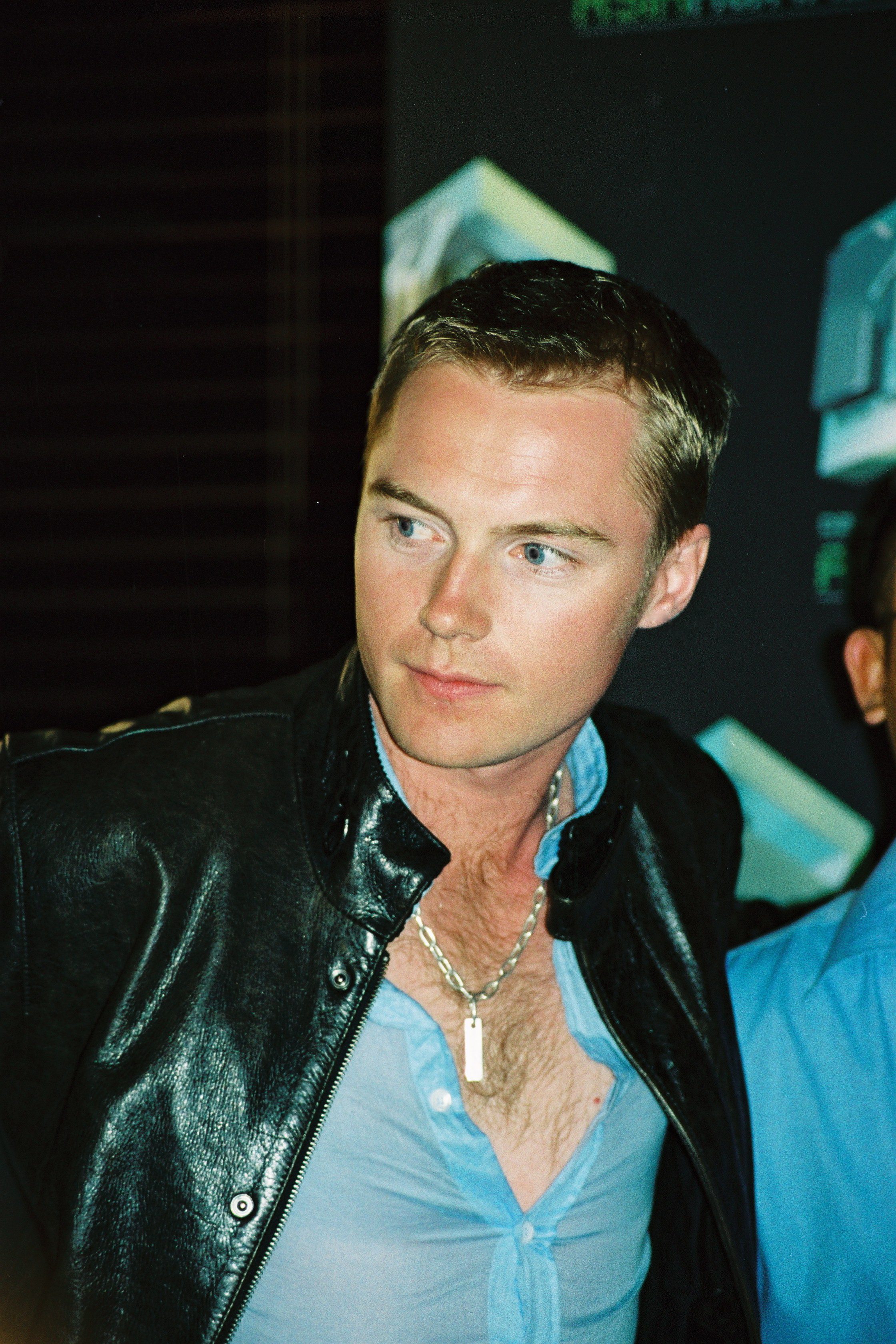
The Irish television and radio presenter Carrie Crowley and the Irish singer Ronan Keating were the presenters of the 1997 contest. The trophy awarded to the winners was designed by Maura Whelan and Luc Racine, and was presented by the previous year's winning artist Eimear Quinn.
Format
Entries
Each participating broadcaster submitted one song, which was required to be no longer than three minutes in duration and performed in the language, or one of the languages, of the country which it represented. Short quotations from another language, no more than a single phrase repeated a maximum of three times, were permitted. A maximum of six performers were allowed on stage during each country's performance, and all participants were required to have reached the age of 16 in the year of the contest. Each entry could utilise all or part of the live orchestra and could use instrumental-only backing tracks. This was the first time that a competing song could be accompanied entirely with a backing track following a change to the contest rules, with the previous rules stating that any backing tracks used could only include the sound of instruments featured on stage being mimed by the performers. For those countries which opted to utilise the orchestra a separate musical director could be nominated to lead the orchestra during their performance, with the host musical director, Frank McNamara, also available to conduct for those countries which did not nominate their own conductor. The entries from Austria, Croatia, Germany and Ireland were performed entirely without live orchestration.
Selected entries were not permitted to be released commercially until after 3 February 1997 and after having been selected for the contest. Each country's participating broadcaster was required to have selected its entry by 10 March, and all entries had to be submitted to the contest organisers by 19 March, including the score of the song for use by the orchestra, a sound recording of the entry and backing track for use during the contest, and the text of the song lyrics in its original language and translations in French and English for distribution to the participating broadcasters, their commentators and juries.
Following the confirmation of the twenty-five competing countries, the draw to determine the running order was held on 28 November 1996.
Voting procedure
The results of the 1997 contest were determined through the same scoring system as had first been introduced in : each country awarded twelve points to its favourite entry, followed by ten points to its second favourite, and then awarded points in decreasing value from eight to one for the remaining songs which featured in the country's top ten, with countries unable to vote for their own entry. The points awarded by the majority of countries were determined by an assembled jury of sixteen individuals, which was required to be split evenly between members of the public and music professionals, comprised additionally of an equal number of men and women, and below and above 30 years of age. Each jury member voted in secret and awarded between one and ten votes to each participating song, excluding that from their own country and with no abstentions permitted. The votes of each member were collected following the country's performance and then tallied by the non-voting jury chairperson to determine the points to be awarded. In any cases where two or more songs in the top ten received the same number of votes, a show of hands by all jury members was used to determine the final placing; if a tie still remained, the youngest jury member would have the deciding vote.
For the first time however, as part of a trial held by the contest organisers, televoting was used to determine the points from five of the participating countries. In these countries viewers had a total of five minutes to register their vote by calling one of twenty-four different telephone numbers to represent the twenty-five competing entries except that which represented their own country. Once the voting phone lines were opened following the performance of the last competing entry, a video recap containing short clips of each competing entry with the accompanying phone number for voting was shown in order to aid viewers during the voting window. In those countries which opted to use televoting to determine their points a jury was still required which would function as a back-up in case technical failure prevented the televote results from being used. The composition of the back-up juries in these countries was identical to the juries in the other countries with regards to profession, gender and age.
Contest overview
.jpg)
The contest took place on 3 May 1997 at 20:00 (IST) and lasted 3 hours and 11 minutes.
The show was opened by good luck messages from past Eurovision winners and hosts to the contestants in the contest, and short interviews with previous contestants also featured preceding some of the postcards between the entries. Irish boy band Boyzone, with co-presenter Keating as a member, featured as part of the show's interval act, performing the song "Let the Message Run Free".
The winner was the represented by the song "Love Shine a Light", composed by Kimberley Rew and performed by Katrina and the Waves. This was the United Kingdom's fifth contest winits first in sixteen yearsfollowing victories in , , and . As of , this is the last winning UK Eurovision entry. Ireland's second-place finish was its fifth placing in the top two within six years, while Turkey and Cyprus achieved their highest placings yet by finishing third and fifth respectively. Norway meanwhile finished in last place for the eighth time and received its fourth nul points. Following this contest 's RAI declined to participate in future events and an Italian entry would not participate in the Eurovision Song Contest for 14 years, until its return at the .
| R/O | Country | Artist | Song | Points | Place | 1 | 2 | 3 | 4 | 5 | 6 | 7 | 8 | 9 | 10 | 11 | 12 | 13 | 14 | 15 | 16 | 17 | 18 | 19 | 20 | 21 | 22 | 23 | 24 | 25 |
|---|---|---|---|---|---|---|---|---|---|---|---|---|---|---|---|---|---|---|---|---|---|---|---|---|---|---|---|---|---|---|
| "Mana mou" | 98 | 5 | ||||||||||||||||||||||||||||
| and Grup Ethnic | "Dinle" | 121 | 3 | |||||||||||||||||||||||||||
| "San Francisco" | 0 | 24 | ||||||||||||||||||||||||||||
| "One Step" | 12 | 21 | ||||||||||||||||||||||||||||
| "Mysterious Woman" | 157 | 2 | ||||||||||||||||||||||||||||
| "Zbudi se" | 60 | 10 | ||||||||||||||||||||||||||||
| "Dentro di me" | 5 | 22 | ||||||||||||||||||||||||||||
| Mrs. Einstein | "Niemand heeft nog tijd" | 5 | 22 | |||||||||||||||||||||||||||
| Jalisse | "Fiumi di parole" | 114 | 4 | |||||||||||||||||||||||||||
| "Sin rencor" | 96 | 6 | ||||||||||||||||||||||||||||
| "Zeit" | 22 | 18 | ||||||||||||||||||||||||||||
| "Ale jestem" | 54 | 11 | ||||||||||||||||||||||||||||
| Maarja | "Keelatud maa" | 82 | 8 | |||||||||||||||||||||||||||
| "Goodbye" | 22 | 18 | ||||||||||||||||||||||||||||
| "Antes do adeus" | 0 | 24 | ||||||||||||||||||||||||||||
| Blond | "Bara hon älskar mig" | 36 | 14 | |||||||||||||||||||||||||||
| "Horepse" | 39 | 12 | ||||||||||||||||||||||||||||
| "Let Me Fly" | 66 | 9 | ||||||||||||||||||||||||||||
| V.I.P. | "Miért kell, hogy elmenj?" | 39 | 12 | |||||||||||||||||||||||||||
| "Primadonna" | 33 | 15 | ||||||||||||||||||||||||||||
| Kølig Kaj | "Stemmen i mit liv" | 25 | 16 | |||||||||||||||||||||||||||
| Fanny | "Sentiments songes" | 95 | 7 | |||||||||||||||||||||||||||
| E.N.I. | "Probudi me" | 24 | 17 | |||||||||||||||||||||||||||
| Katrina and the Waves | "Love Shine a Light" | 227 | 1 | |||||||||||||||||||||||||||
| "Minn hinsti dans" | 18 | 20 |
Spokespersons

Each participating broadcaster appointed a spokesperson who was responsible for announcing, in English or French, the votes for its respective country. As had been the case since the , the spokespersons were connected via satellite and appeared in vision during the broadcast. Spokespersons at the 1997 contest are listed below.
- CyprusMarios Skordis
- TurkeyÖmer Önder
- NorwayRagnhild Sælthun Fjørtoft
- Austria
- IrelandEileen Dunne
- Slovenia
- Switzerland
- NetherlandsCorry Brokken
- Italy
- SpainBelén Fernández de Henestrosa
- GermanyChristina Mänz
- Poland
- EstoniaHelene Tedre
- Bosnia and HerzegovinaSegmedina Srna
- PortugalCristina Rocha
- SwedenGösta Hanson
- GreeceNiki Venega
- MaltaAnna Bonanno
- Hungary
- RussiaArina Sharapova
- Denmark
- France and Marie Myriam
- Croatia
- United KingdomColin Berry
- IcelandSvanhildur Konráðsdóttir
Detailed voting results
Jury voting was used to determine the points awarded by most countries, with televoting used in Austria, Germany, Switzerland, Sweden and the United Kingdom. The announcement of the results from each country was conducted in the order in which they performed, with the spokespersons announcing their country's points in English or French in ascending order. The detailed breakdown of the points awarded by each country is listed in the tables below.
| nb=1 | Total score | cellstyle=border-bottom:1px solid transparent;}} | nb=1 | Cyprus}} | nb=1 | Turkey}} | nb=1 | Norway}} | nb=1 | Austria}} | nb=1 | Ireland}} | nb=1 | Slovenia}} | nb=1 | Switzerland}} | nb=1 | Netherlands}} | nb=1 | Italy}} | nb=1 | Spain}} | nb=1 | Germany}} | nb=1 | Poland}} | nb=1 | Estonia}} | nb=1 | Bosnia and Herzegovina}} | nb=1 | Portugal}} | nb=1 | Sweden}} | nb=1 | Greece}} | nb=1 | Malta}} | nb=1 | Hungary}} | nb=1 | Russia}} | nb=1 | Denmark}} | nb=1 | France}} | nb=1 | Croatia}} | nb=1 | United Kingdom}} | nb=1 | Iceland}} | va=middle | Contestants}} | Cyprus | Turkey | Norway | Austria | Ireland | Slovenia | Switzerland | Netherlands | Italy | Spain | Germany | Poland | Estonia | Bosnia and Herzegovina | Portugal | Sweden | Greece | Malta | Hungary | Russia | Denmark | France | Croatia | United Kingdom | Iceland |
|---|---|---|---|---|---|---|---|---|---|---|---|---|---|---|---|---|---|---|---|---|---|---|---|---|---|---|---|---|---|---|---|---|---|---|---|---|---|---|---|---|---|---|---|---|---|---|---|---|---|---|---|---|---|---|---|---|---|---|---|---|---|---|---|---|---|---|---|---|---|---|---|---|---|---|---|---|---|---|---|
| Voting procedure used: | |||||||||||||||||||||||||||||||||||||||||||||||||||||||||||||||||||||||||||||||
| 98 | 2 | 3 | 4 | 4 | 10 | 4 | 10 | 5 | 1 | 3 | 12 | 7 | 1 | 7 | 4 | 4 | 5 | 12 | |||||||||||||||||||||||||||||||||||||||||||||||||||||||||||||
| 121 | 7 | 2 | 6 | 2 | 7 | 12 | 12 | 6 | 12 | 5 | 6 | 7 | 10 | 6 | 4 | 6 | 4 | 7 | |||||||||||||||||||||||||||||||||||||||||||||||||||||||||||||
| 0 | |||||||||||||||||||||||||||||||||||||||||||||||||||||||||||||||||||||||||||||||
| 12 | 3 | 1 | 5 | 3 | |||||||||||||||||||||||||||||||||||||||||||||||||||||||||||||||||||||||||||
| 157 | 8 | 6 | 3 | 10 | 1 | 7 | 4 | 10 | 6 | 8 | 7 | 8 | 8 | 10 | 10 | 8 | 5 | 10 | 10 | 6 | 12 | ||||||||||||||||||||||||||||||||||||||||||||||||||||||||||
| 60 | 2 | 10 | 2 | 4 | 7 | 4 | 3 | 5 | 10 | 7 | 3 | 3 | |||||||||||||||||||||||||||||||||||||||||||||||||||||||||||||||||||
| 5 | 2 | 3 | |||||||||||||||||||||||||||||||||||||||||||||||||||||||||||||||||||||||||||||
| 5 | 1 | 4 | |||||||||||||||||||||||||||||||||||||||||||||||||||||||||||||||||||||||||||||
| 114 | 6 | 5 | 1 | 1 | 10 | 10 | 7 | 8 | 4 | 8 | 6 | 12 | 3 | 5 | 3 | 7 | 4 | 10 | 3 | 1 | |||||||||||||||||||||||||||||||||||||||||||||||||||||||||||
| 96 | 10 | 4 | 6 | 5 | 8 | 6 | 3 | 2 | 4 | 8 | 6 | 12 | 10 | 8 | 2 | 2 | |||||||||||||||||||||||||||||||||||||||||||||||||||||||||||||||
| 22 | 3 | 5 | 5 | 3 | 1 | 5 | |||||||||||||||||||||||||||||||||||||||||||||||||||||||||||||||||||||||||
| 54 | 4 | 8 | 7 | 1 | 1 | 2 | 6 | 3 | 4 | 2 | 1 | 7 | 5 | 3 | |||||||||||||||||||||||||||||||||||||||||||||||||||||||||||||||||
| 82 | 1 | 6 | 8 | 3 | 12 | 4 | 7 | 6 | 1 | 1 | 1 | 4 | 8 | 8 | 10 | 2 | |||||||||||||||||||||||||||||||||||||||||||||||||||||||||||||||
| 22 | 8 | 4 | 2 | 3 | 4 | 1 | |||||||||||||||||||||||||||||||||||||||||||||||||||||||||||||||||||||||||
| 0 | |||||||||||||||||||||||||||||||||||||||||||||||||||||||||||||||||||||||||||||||
| 36 | 8 | 5 | 6 | 6 | 7 | 4 | |||||||||||||||||||||||||||||||||||||||||||||||||||||||||||||||||||||||||
| 39 | 12 | 5 | 7 | 6 | 2 | 7 | |||||||||||||||||||||||||||||||||||||||||||||||||||||||||||||||||||||||||
| 66 | 5 | 12 | 10 | 7 | 6 | 1 | 5 | 8 | 3 | 1 | 8 | ||||||||||||||||||||||||||||||||||||||||||||||||||||||||||||||||||||
| 39 | 3 | 4 | 5 | 5 | 2 | 5 | 2 | 8 | 5 | ||||||||||||||||||||||||||||||||||||||||||||||||||||||||||||||||||||||
| 33 | 1 | 5 | 12 | 8 | 7 | ||||||||||||||||||||||||||||||||||||||||||||||||||||||||||||||||||||||||||
| 25 | 7 | 1 | 7 | 2 | 2 | 6 | |||||||||||||||||||||||||||||||||||||||||||||||||||||||||||||||||||||||||
| 95 | 3 | 2 | 12 | 10 | 2 | 3 | 5 | 12 | 12 | 3 | 6 | 2 | 4 | 2 | 6 | 1 | 10 | ||||||||||||||||||||||||||||||||||||||||||||||||||||||||||||||
| 24 | 4 | 1 | 3 | 2 | 5 | 8 | 1 | ||||||||||||||||||||||||||||||||||||||||||||||||||||||||||||||||||||||||
| 227 | 7 | 7 | 6 | 12 | 12 | 8 | 12 | 12 | 8 | 5 | 10 | 10 | 10 | 10 | 7 | 12 | 10 | 1 | 12 | 12 | 12 | 12 | 12 | 8 | |||||||||||||||||||||||||||||||||||||||||||||||||||||||
| 18 | 2 | 2 | 8 | 6 |
12 points
The below table summarises how the maximum 12 points were awarded from one country to another. The winning country is shown in bold. The United Kingdom received the maximum score of 12 points from ten countries, with France and Turkey receiving three sets of 12 points each, Cyprus receiving two sets of 12 points, and Estonia, Greece, Ireland, Italy, Malta, Russia and Spain each receiving one maximum score.
| N. | Contestant | Nation(s) giving 12 points | 10 | 3 | 2 | 1 |
|---|---|---|---|---|---|---|
| **** | , , , , , , , , , | |||||
| , , | ||||||
| , , | ||||||
| , |
Broadcasts
Each participating broadcaster was required to relay the contest live and in full via television. Non-participating EBU member broadcasters were also able to relay the contest as "passive participants"; any passive countries wishing to participate in the following year's event were also required to provide a live broadcast of the contest or a deferred broadcast within 24 hours. Broadcasters were able to send commentators to provide coverage of the contest in their own native language and to relay information about the artists and songs to their television viewers. These commentators were typically sent to the venue to report on the event, and were able to provide commentary from small booths constructed at the back of the venue. An estimated audience of 300 million viewers was reported.
Known details on the broadcasts in each country, including the specific broadcasting stations and commentators, are shown in the tables below:
| Country | Broadcaster | Channel(s) | Commentator(s) | Austria | Croatia | Cyprus | Denmark | Estonia | France | Germany | Greece | Hungary | Iceland | Ireland | Italy | Netherlands | Norway | Poland | Portugal | Russia | Slovenia | Spain | Sweden | Switzerland | Turkey | United Kingdom |
|---|---|---|---|---|---|---|---|---|---|---|---|---|---|---|---|---|---|---|---|---|---|---|---|---|---|---|
| ORF | ORF 1 | Ernst Grissemann | ||||||||||||||||||||||||
| FM4 | Stermann & Grissemann | |||||||||||||||||||||||||
| HRT | HRT1 | Aleksandar Kostadinov | ||||||||||||||||||||||||
| CyBC | RIK 1 | Evi Papamichail | ||||||||||||||||||||||||
| DR | DR1 | |||||||||||||||||||||||||
| DR P3 | Katrine Nyland Sørensen and Morten H. Pankoke | |||||||||||||||||||||||||
| ETV | ||||||||||||||||||||||||||
| ER | Vikerraadio | |||||||||||||||||||||||||
| France Télévision | France 2 | Olivier Minne | ||||||||||||||||||||||||
| ARD | Das Erste | Peter Urban | ||||||||||||||||||||||||
| ERT | ET1 | Dafni Bokota | ||||||||||||||||||||||||
| MTV | MTV 1 | István Vágó | ||||||||||||||||||||||||
| RÚV | Sjónvarpið, Rás 2 | Jakob Frímann Magnússon | ||||||||||||||||||||||||
| RTÉ | RTÉ One | Pat Kenny | ||||||||||||||||||||||||
| RTÉ Radio 1 | Larry Gogan | |||||||||||||||||||||||||
| RAI | RAI Uno | |||||||||||||||||||||||||
| NOS | TV2 | Willem van Beusekom | ||||||||||||||||||||||||
| Radio 2 | ||||||||||||||||||||||||||
| NRK | NRK1 | Jostein Pedersen | ||||||||||||||||||||||||
| NRK P1 | ||||||||||||||||||||||||||
| TVP | TVP1 | Jan Wilkans | ||||||||||||||||||||||||
| PR | Polskie Radio Bis | Artur Orzech and Dariusz Michalski | ||||||||||||||||||||||||
| RTP | RTP1 | |||||||||||||||||||||||||
| ORT | ORT | Philipp Kirkorov and | ||||||||||||||||||||||||
| RTVSLO | SLO 1 | |||||||||||||||||||||||||
| TV Koper-Capodistria | ||||||||||||||||||||||||||
| Val 202 | ||||||||||||||||||||||||||
| TVE | La Primera | José Luis Uribarri | ||||||||||||||||||||||||
| SVT | SVT2 | |||||||||||||||||||||||||
| SR | SR P3 | Claes-Johan Larsson and Susan Seidemar | ||||||||||||||||||||||||
| SRG SSR | Schweiz 4 | Sandra Studer | ||||||||||||||||||||||||
| TSR | Pierre Grandjean | |||||||||||||||||||||||||
| TSI | ||||||||||||||||||||||||||
| TRT | TRT 1 | |||||||||||||||||||||||||
| BBC | BBC1 | Terry Wogan | ||||||||||||||||||||||||
| BBC Radio 2 | Ken Bruce |
| Country | Broadcaster | Channel(s) | Commentator(s) | Australia | Belgium | Falkland Islands | Faroe Islands | Finland | Greenland | Israel | Jordan | Romania | Slovakia | FR Yugoslavia Yugoslavia |
|---|---|---|---|---|---|---|---|---|---|---|---|---|---|---|
| SBS | SBS TV | |||||||||||||
| BRTN | TV1 | André Vermeulen | ||||||||||||
| RTBF | RTBF La 1 | Jean-Pierre Hautier | ||||||||||||
| BFBS | BFBS Television | Terry Wogan | ||||||||||||
| SvF | Hans Otto Bisgaard | |||||||||||||
| YLE | TV1 | Aki Sirkesalo and Olli Ahvenlahti | ||||||||||||
| Radio Suomi | Iris Mattila and Sanna Kojo | |||||||||||||
| KNR | KNR | |||||||||||||
| IBA | Channel 1 | |||||||||||||
| JRTV | JTV2 | |||||||||||||
| TVR | TVR 1 | Doina Caramzulescu and Costin Grigore | ||||||||||||
| STV | STV2 | |||||||||||||
| RTS | RTS 2 |
Other awards
Barbara Dex Award
The Barbara Dex Award was first organised for artists in this year's contest. The award, created by the fansite House of Eurovision, was awarded to the performer deemed to have been the "worst dressed" among the participants. The winner in 1997 was Malta's representative, (as determined by the founders of the House of Eurovision site, Edwin van Thillo and Rob Paardekam).
Legacy

The Eurovision Song Contest has long held a fandom within the LGBT community, however it was not until the 1997 event that an openly LGBT artist was selected to compete in the event. 's Paul Oscar was the first openly gay man to compete as a lead artist in Eurovision. Paul Oscar's participation, as well as changing attitudes to homosexuality in Europe in the following years, marked the beginning of wider visibility of LGBT artists and themes; the provided the first trans participant in Israel's Dana International, saw 's Sestre become the first competing artists to perform in drag, and the contained the first display of same-sex affection on stage through a kiss between the two male members of the Israeli band PingPong. Since the 1997 contest many openly LGBT artists have competed in the contest, including several winners, among them Dana International, 's Conchita Wurst in , and the ' Duncan Laurence in . Paul Oscar's contest performance, which featured four female backing dancers dressed in black latex clothing and sexually suggestive choreography, pushed the boundaries for sexual expression on the Eurovision stage for the first time.
The changes in the rules regarding the use of orchestra for this contest would eventually lead to the complete abandonment of live musical accompaniment in the Eurovision Song Contest. Ahead of the the rules were modified again to make the procurement of an orchestra an optional component to staging the event, with that year's event becoming the first to have all competing entries performed to pre-recorded backing tracks. The rules of the contest have since been modified further, and no live musical accompaniment is now allowed for any competing entries. The abolishment of the orchestra proved controversial among some circles, with three-time, former Eurovision winner Johnny Logan referring to the modified event as "karaoke" in 2000.
The introduction of televoting to the contest followed several years of successive Irish wins, with the national juries typically voting for more traditional, middle-of-the-road songs than those that represented the wider tastes of the general public, as was the case in 1996 when Eimear Quinn's "The Voice" was victorious over more modern entries such as Gina G's "Ooh Aah... Just a Little Bit", which represented the United Kingdom at that year's event and would go on to receive a nomination for Best Dance Recording at the 1998 Grammy Awards. The successful trial of televoting in five countries led to widespread adoption for all countries in 1998, and public voting continues to play a part in determining the result of the contest to the present day. The widespread use of televoting in the following years would however lead to accusations of greater political bias and "bloc voting", with the perception that neighbouring countries swap points and large diasporas are able to vote en masse for their native countries, skewing the results in their favour. Controversy over the perceived unfairness of the voting system reached a head in , when the public vote largely rewarded the entries from Eastern European countries over those from Western Europe. The EBU would ultimately make changes to mitigate the impact of neighbourly voting by splitting countries by geographical location and voting history in the semi-finals from and re-introducing juries to account for 50% of each country's points in .
References
- "Ireland – Participation history". European Broadcasting Union (EBU).
- "Eurovision Archives". European Broadcasting Union (EBU).
- "Dublin 1997". European Broadcasting Union (EBU).
- (13 May 2020). "When Opening Up became hard". [[European Broadcasting Union]].
- (18 April 2020). "#EurovisionAgain travels back to Dublin 1997". European Broadcasting Union (EBU).
- "The Eurovision Show '97: The Venue". {{lang.
- "3Arena Dublin – About, History & Hotels Near". O'Callaghan Collection.
- (17 November 2002). "Tor har ikke sendt sang". {{lang.
- "Österreich beim Song Contest {{!}} 1997: Bettina Soriat mit "One Step"". {{lang.
- "Dublin 1997 – Participants". European Broadcasting Union (EBU).
- "Alle deutschen ESC-Acts und ihre Titel". [[ARD (broadcaster).
- (18 September 2016). "Milestone Moments: 1993/4 – The Eurovision Family expands". European Broadcasting Union (EBU).
- (7 April 1997). "Ireland once again hosts Eurovision Song Contest". European Broadcasting Union (EBU) (EBU).
- (2023-08-03). "Is North Macedonia the unluckiest country at Eurovision?". Aussievision.
- "Millstreet 1993 – Scoreboard". European Broadcasting Union (EBU).
- "Dublin 1994 – Scoreboard". European Broadcasting Union (EBU).
- "Dublin 1995 – Scoreboard". European Broadcasting Union (EBU).
- "Oslo 1996 – Scoreboard". European Broadcasting Union (EBU).
- "The Eurovision Show '97: The Set Designers". {{lang.
- "The Eurovision Show '97: The Producer". {{lang.
- "The Organisers behind the Eurovision Song Contest". European Broadcasting Union (EBU).
- "The 1997 Eurovision Song Contest Rehearsal Schedule {{!}} Day One – Monday April 28th 1997". {{lang.
- "The 1997 Eurovision Song Contest Rehearsal Schedule {{!}} Day Two – Tuesday April 29th 1997". {{lang.
- "The 1997 Eurovision Song Contest Rehearsal Schedule {{!}} Day Three – Wednesday April 30th 1997". {{lang.
- "The 1997 Eurovision Song Contest Rehearsal Schedule {{!}} Day Four – Thursday May 1st 1997". {{lang.
- "Eurovision '97: The News Centre {{!}} Friday May 2nd 1997". {{lang.
- "The Eurovision Show '97: The Presenters". {{lang.
- (April 1997). "Eurovision Song Contest trophy (1997)".
- "Rules of the 42nd Eurovision Song Contest 1997 (Part 2)". European Broadcasting Union (EBU).
- "Rules of the 42nd Eurovision Song Contest 1997 (Part 1)". European Broadcasting Union (EBU).
- (31 March 2017). "In a Nutshell". European Broadcasting Union (EBU).
- "Rules of the 42nd Eurovision Song Contest 1997 (Part 3)". European Broadcasting Union (EBU).
- "Rules of the 42nd Eurovision Song Contest 1997 (Part 4)". European Broadcasting Union (EBU).
- (3 May 1997). "Eurovision Song Contest 1997". {{lang.
- "Dublin 1997 – Katrina and the Waves". European Broadcasting Union (EBU).
- "United Kingdom – Participation history". European Broadcasting Union (EBU).
- "Türkiye – Participation history". European Broadcasting Union (EBU).
- "Cyprus – Participation history". European Broadcasting Union (EBU).
- "Norway – Participation history". European Broadcasting Union (EBU).
- (23 December 2011). "Top moments of 2011: Italy's return". European Broadcasting Union (EBU).
- "Italy – Participation history". European Broadcasting Union (EBU).
- "Dublin 1997 – Scoreboard". European Broadcasting Union (EBU).
- (19 August 2011). "Winners of the 1970s – What happened to them?". European Broadcasting Union (EBU).
- (18 May 2019). "How it works". European Broadcasting Union (EBU).
- "Dublin 1994". European Broadcasting Union (EBU).
- (8 June 2021). "RTE Eileen Dunne's marriage to soap star Macdara O'Fatharta, their wedding day and grown up son Cormac". RSVP Live.
- D. V.. (3 May 1997). "Nagrada Evrovizije". [[Delo (newspaper).
- (2–4 May 1997). "Jopek nie naraża zdrowia". [[Dziennik Bałtycki]].
- (14 May 2022). "Eesti žürii punktid edastab Eurovisioonil Tanel Padar". Muusika Planeet.
- "Dublin 1997 – Detailed voting results". European Broadcasting Union (EBU).
- "Eurovision Song Contest 1997 – Scoreboard". European Broadcasting Union (EBU).
- "The Eurovision Show '97: Television Coverage". {{lang.
- (15 May 2011). "Commentator's guide to the commentators". European Broadcasting Union (EBU).
- (14 May 2017). "Commentators: The national hosts of Eurovision". European Broadcasting Union (EBU).
- (5 May 1997). "Alerte à la bombe à l'Eurovision". [[Le Nouveau Quotidien]].
- (22 May 2015). "Ein virtueller Disput der ESC-Kommentatoren". [[Kurier]].
- (1 May 2012). "Song Contest mit Stermann & Grissemann". {{lang.
- (2 May 1997). "Program HRT". Glas Podravine.
- (10 May 1997). "Veliki i mali brodovi". [[Slobodna Dalmacija]].
- (3 May 1997). "Τηλεοραση". {{lang.
- (25 April 1997). "Στο Δουβλίνο η κυπριακή αποστολή για τη Γιουροβίζιον". {{lang.
- "Alle tiders programoversigter – Lørdag den 3. maj 1997". [[DR (broadcaster).
- (3 May 1997). "Tele- ja raadiokava". [[Eesti Päevaleht]].
- (3 May 1997). "les programmes TV". {{ill.
- (30 April 1997). "Samstag 3. Mai {{!}} Samedi 3 mai".
- (28 April 1997). "Szombat május 3. {{!}} Televízió".
- (3 May 1997). "Útvarp/Sjónvarp". [[Morgunblaðið]].
- (28 April – 4 May 1997). "Laugardagur 3. maí". [[Ríkisútvarpið]] (RÚV).
- (3 September 2017). "Pat Kenny: 'As Long As People Still Want Me I'll Keep Coming To Work'".
- (3 May 1997). "Saturday: Television and Radio". [[The Irish Times.
- (3 May 1997). "I programmi di oggi". [[Libertà (newspaper).
- (3 May 1997). "Media". [[Algemeen Dagblad]].
- (3 May 1997). "Radio- og TV-Programmene – Lørdag 3. mai 1997". [[Moss Dagblad]].
- (3 May 1997). "Norgeskanalen NRK P1 – Kjøreplan lørdag 3. mai 1997". [[NRK]].
- (2–4 May 1997). "Telewizja – Sobota". [[Dziennik Bałtycki]].
- (9 May 2022). "Eurowizja – polscy reprezentanci i polscy pretendenci". [[Polskie Radio]].
- (3 May 1997). "sobota". [[Życie Warszawy]].
- (1 May 1997). "Programa da televisão". A Comarca de Arganil.
- (26 April 1997). "Телепрограмма". [[Sovetskaya Sibir]].
- (5 May 1997). "Примадонна метала бисер". [[Moskovskij Komsomolets]].
- (25 April 1995). "Программа радио и телевидения на следующую неделю". [[Rossiyskaya Gazeta]].
- (3 May 1997). "Televizija+Radio". [[Delo (newspaper).
- (3 May 1997). "La televisió i la ràdio". [[El Punt]].
- (3 May 1997). "TV-programmen". [[Svenska Dagbladet]].
- (3 May 1997). "Radioprogrammen". [[Svenska Dagbladet]].
- (3 May 1997). "Radio / TV Samstag". Freiburger Nachrichten.
- (1 May 1997). "Samedi 3 mai". [[TV8 (magazine).
- (3 May 1997). "TV Programları". [[Cumhuriyet]].
- (3 May 1997). "The Eurovision Song Contest – BBC One".
- (3 May 1997). "The Eurovision Song Contest – BBC Radio 2".
- (2 May 1997). "The Times TV Guide". [[Victor Harbor Times]].
- (3 May 1997). "Radio en televisie". [[Provinciale Zeeuwse Courant]].
- (8 April 2014). "VRT schuift André Vermeulen opzij bij Eurovisiesongfestival". [[De Morgen]].
- (16 May 1997). "Your BFBS Television programmes". [[Penguin News]].
- (2 May 1997). "Sunnudagur 4. mai". [[Sosialurin]].
- (3 May 1997). "Televisio & Radio". [[Helsingin Sanomat]].
- (3 May 1997). "Finlande, zero points – Olli Ahvenlahti ja Aki Sirkesalo edustavat Euronollaa Dublinissa". [[Helsingin Sanomat]].
- (1 May 1997). "KNR Aallakaatitassat/Programmer". [[Atuagagdliutit/Grønlandsposten.
- (2 May 1997). "السبت ٣\٥\٩٧". [[Al-Ittihad (Israeli newspaper).
- (3 May 1997). "Jordan Times Daily Guide and Calendar". [[The Jordan Times]].
- (30 April 1997). "Televiziune - sâmbătă". [[Libertatea]].
- (3 May 1997). "Tévé és rádió – vasárnap". [[Új Szó]].
- (3 May 1997). "TV szombat". [[Magyar Szó]].
- (25 May 2012). "Forgettable song, memorable outfit: The crazy clothes of Eurovision". [[CNN]].
- (30 May 2021). "Barbara Dex Award 2021: Norway's TIX wins prize for Most Striking Outfit". Wiwibloggs.
- "Barbara Dex Award – All winners".
- (25 May 2005). "Martin Vucic wins Barbara Dex Award". ESCToday.
- "About Us". The House of Eurovision.
- (22 May 2015). "How Eurovision became a gay-friendly contest". [[France 24]].
- (March 2017). "The 'gay Olympics'? The Eurovision Song Contest and the politics of LGBT/European belonging". [[SAGE Publishing]].
- (24 October 2016). "Life's a drag! Eurovision queens past and present". European Broadcasting Union (EBU).
- (12 May 2016). "Throwback: Remembering PingPong, Israel's Disastrous Eurovision 2000 Entry".
- (5 June 2021). "The Queer Power at Eurovision". [[Medium (website).
- (6 May 2022). "Beyond the camp and frivolity of Eurovision".
- (29 May 2012). "13 years ago today: Sweden wins the contest". European Broadcasting Union (EBU).
- (31 October 2018). "The Rules of the Contest". European Broadcasting Union (EBU).
- (15 May 2000). "Eurovision now just karaoke, says singer". [[The Irish Times]].
- "Gina G {{!}} Artist". [[Grammy Awards]].
- "Oslo 1996 – Gina G". European Broadcasting Union (EBU).
- (10 May 2013). "Eurovision: It's all political though isn't it?". BBC.
- (19 May 2008). "The maths of Eurovision voting". [[BBC News]].
- (13 May 2021). "Douze points: the who, what & why of Eurovision voting". {{lang.
- (30 December 2009). "The end of a decade: Helsinki 2007". European Broadcasting Union (EBU).
- (6 August 2007). "Eurovision cleared over block voting". [[The Guardian]].
- (24 January 2008). "All you need to know for Monday's draw!". European Broadcasting Union (EBU).
- (14 September 2008). "Televoting/jury mix in 2009 Final voting". European Broadcasting Union (EBU).
- (16 September 2008). "Eurovision juries return". [[The Guardian]].
This article was imported from Wikipedia and is available under the Creative Commons Attribution-ShareAlike 4.0 License. Content has been adapted to SurfDoc format. Original contributors can be found on the article history page.
Ask Mako anything about Eurovision Song Contest 1997 — get instant answers, deeper analysis, and related topics.
Research with MakoFree with your Surf account
Create a free account to save articles, ask Mako questions, and organize your research.
Sign up freeThis content may have been generated or modified by AI. CloudSurf Software LLC is not responsible for the accuracy, completeness, or reliability of AI-generated content. Always verify important information from primary sources.
Report