From Surf Wiki (app.surf) — the open knowledge base
Eurovision Song Contest 1960
International song competition
International song competition
| Field | Value |
|---|---|
| name | Eurovision Song Contest |
| year | 1960 |
| logo | Eurovision Song Contest 1960 - logo.svg |
| final | |
| venue | Royal Festival Hall |
| London, United Kingdom | |
| presenter | Catherine Boyle |
| musdirector | Eric Robinson |
| director | Innes Lloyd |
| exproducer | Harry Carlisle |
| organiser | European Broadcasting Union (EBU) |
| host | British Broadcasting Corporation (BBC) |
| entries | 13 |
| debut | |
| return | |
| vote | Ten-member juries in each country; each member gave one vote to their favourite song |
| winner | |
| "Tom Pillibi" | |
| BlueNoSemis | Y |
London, United Kingdom "Tom Pillibi"
The Eurovision Song Contest 1960 was the fifth edition of the Eurovision Song Contest, held on Tuesday 29 March 1960 at the Royal Festival Hall in London, United Kingdom, and presented by Catherine Boyle. It was organised by the European Broadcasting Union (EBU) and host broadcaster the British Broadcasting Corporation (BBC), who staged the event after Nederlandse Televisie Stichting (NTS), which had won the for the , declined hosting responsibilities as it had staged the competition in . Broadcasters from thirteen countries participated in the contest. returned to the competition after an absence of one year, and made its first appearance.
The winner was with the song "Tom Pillibi", performed by Jacqueline Boyer, composed by André Popp and written by Pierre Cour. This marked France's second contest victory, having also won in 1958. The placed second for the second consecutive year and earned its first top three finish by placing third.
Location
The contest took place in London, United Kingdom. Although the had won the , the Dutch broadcaster Nederlandse Televisie Stichting (NTS) declined to stage the event for a second time in three years, after hosting the in Hilversum. The rights to stage the contest subsequently passed to the United Kingdom's British Broadcasting Corporation (BBC), following its second place finish in the previous year's event, a decision which was announced in October 1959.
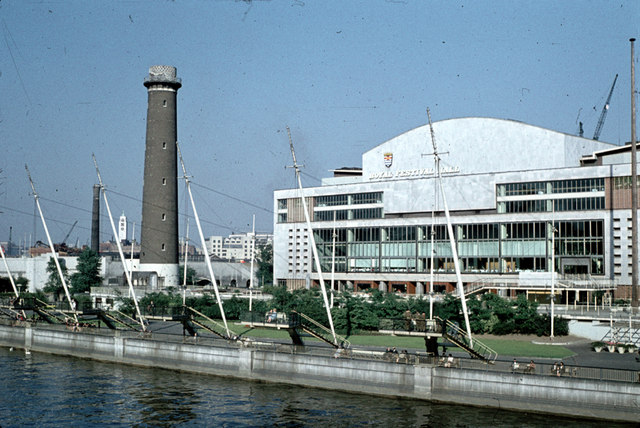
The Royal Festival Hall was chosen to stage the 1960 contest. Situated on the South Bank of the River Thames, the venue was first opened in 1951 and was originally conceived for use during that year's Festival of Britain; it is now part of the Southbank Centre, a complex of several artistic venues.
Participants
The number of entries grew to thirteen for this edition, with the eleven competing countries from the 1959 contest being joined by , returning after a one year absence, and , making its first appearance.
Fud Leclerc made his third appearance at the contest, having represented with "Messieurs les noyés de la Seine" (one of the two Belgian entries in that year's contest) and with "Ma petite chatte". The song from Luxembourg was the first entry performed in Luxembourgish at the contest, and one of only three entries performed in the language (alongside the country's entries and ).
| Country | Broadcaster | Artist | Song | Language | Songwriter(s) | Conductor |
|---|---|---|---|---|---|---|
| ORF | Harry Winter | "Du hast mich so fasziniert" | German | Robert Stolz | ||
| Fud Leclerc | "Mon amour pour toi" | French | ||||
| DR | Katy Bødtger | "Det var en yndig tid" | Danish | Kai Mortensen | ||
| RTF | Jacqueline Boyer | "Tom Pillibi" | French | Franck Pourcel | ||
| HR | Wyn Hoop | "Bonne nuit ma chérie" | German | Franz Josef Breuer | ||
| RAI | Renato Rascel | "Romantica" | Italian | Cinico Angelini | ||
| CLT | Camillo Felgen | "So laang we's du do bast" | Luxembourgish | Eric Robinson | ||
| TMC | François Deguelt | "Ce soir-là" | French | Raymond Lefèvre | ||
| NTS | Rudi Carrell | "Wat een geluk" | Dutch | Dolf van der Linden | ||
| NRK | Nora Brockstedt | "Voi-voi" | Norwegian | Øivind Bergh | ||
| SR | Siw Malmkvist | "Alla andra får varann" | Swedish | Thore Ehrling | ||
| SRG SSR | Anita Traversi | "Cielo e terra" | Italian | Mario Robbiani | ||
| BBC | Bryan Johnson | "Looking High, High, High" | English | John Watson | Eric Robinson |
Format
.jpg)
The contest was organised and broadcast by the BBC, with Harry Carlisle serving as producer, Innes Lloyd as director, Richard Levin as designer, and Eric Robinson as musical director, leading the orchestra during the event. Each participating delegation was allowed to nominate its own musical director to lead the orchestra during the performance of its country's entry, with the host musical director, Eric Robinson, also conducting for those countries which did not nominate their own conductor.
As had been the case since the 1957 contest, each country, participating through a single EBU member broadcaster, was represented by one song performed by up to two people on stage. The results of the event were determined through jury voting, with each country's jury containing ten individuals who each gave one vote to their favourite song, with no abstentions allowed and with jurors unable to vote for their own country. A new innovation for this year's event was to allow the national juries to listen to the final rehearsal of each country, which was also recorded to allow jury members to listen to the entries ahead of the live contest.
The draw to determine the order in which each country would perform was conducted on 28 March in the presence of the performers. Performance and technical rehearsals involving the artists and orchestra were held on 28 and 29 March ahead of the live transmission.
Contest overview
.jpg)
The contest was held on 29 March 1960 at 21:00 (GMT) and lasted 1 hour and 20 minutes. The contest was presented by British television presenter and actress Catherine Boyle (better known as Katie Boyle), the first of four contests in which she participated as host. Boyle presided over the opening of the contest and the voting process, while the various national broadcasters that carried the show provided commentary between each act, with the United Kingdom's commentator David Jacobs also being heard by the assembled audience of over 2,500 people in the hall.
The winner was represented by the song "Tom Pillibi", composed by André Popp, written by Pierre Cour and performed by Jacqueline Boyer. Boyer is the daughter of Jacques Pills, who had represented Monaco in the and placed last with "Mon ami Pierrot". France's victory was its second in the contest, following its win in 1958, and brought them level on number of victories with the Netherlands. The UK gained its second consecutive second place finish, while Monaco considerably improved upon its debut performance the previous year with a third place finish.
It was originally planned for the top three songs to be performed again following the voting, as had occurred in the 1959 contest, however this was ultimately scrapped and only the winning song received its traditional reprise performance. The winning artist was presented with a silver gilt vase, which was awarded by Teddy Scholten; this marked the first time that the previous year's winning artist awarded the prize to the next contest winner, which has since become Eurovision tradition.
| R/O | Country | Artist | Song | Votes | Place | 1 | 2 | 3 | 4 | 5 | 6 | 7 | 8 | 9 | 10 | 11 | 12 | 13 |
|---|---|---|---|---|---|---|---|---|---|---|---|---|---|---|---|---|---|---|
| "Looking High, High, High" | 25 | 2 | ||||||||||||||||
| "Alla andra får varann" | 4 | 10 | ||||||||||||||||
| "So laang we's du do bast" | 1 | 13 | ||||||||||||||||
| "Det var en yndig tid" | 4 | 10 | ||||||||||||||||
| "Mon amour pour toi" | 9 | 6 | ||||||||||||||||
| "Voi-voi" | 11 | 4 | ||||||||||||||||
| "Du hast mich so fasziniert" | 6 | 7 | ||||||||||||||||
| "Ce soir-là" | 15 | 3 | ||||||||||||||||
| "Cielo e terra" | 5 | 8 | ||||||||||||||||
| "Wat een geluk" | 2 | 12 | ||||||||||||||||
| "Bonne nuit ma chérie" | 11 | 4 | ||||||||||||||||
| "Romantica" | 5 | 8 | ||||||||||||||||
| "Tom Pillibi" | 32 | 1 |
Spokespersons
Each participating broadcaster appointed a spokesperson who was responsible for announcing the votes for its respective country via telephone. Known spokespersons at the 1960 contest are listed below.
- Netherlands
- SwedenTage Danielsson
- United KingdomNick Burrell-Davis
Detailed voting results
The announcement of the results from each country was conducted in reverse order to the order in which each country performed.
| nb=1 | Total score}} | nb=1 | France}} | nb=1 | Italy}} | nb=1 | Germany}} | nb=1 | Netherlands}} | nb=1 | Switzerland}} | nb=1 | Monaco}} | nb=1 | Austria}} | nb=1 | Norway}} | nb=1 | Belgium}} | nb=1 | Denmark}} | nb=1 | Luxembourg}} | nb=1 | Sweden}} | nb=1 | United Kingdom}} | va=middle | Contestants}} | United Kingdom | Sweden | Luxembourg | Denmark | Belgium | Norway | Austria | Monaco | Switzerland | Netherlands | Germany | Italy | France |
|---|---|---|---|---|---|---|---|---|---|---|---|---|---|---|---|---|---|---|---|---|---|---|---|---|---|---|---|---|---|---|---|---|---|---|---|---|---|---|---|---|---|---|
| 25 | 2 | 1 | 5 | 4 | 1 | 3 | 2 | 1 | 5 | 1 | ||||||||||||||||||||||||||||||||
| 4 | 2 | 1 | 1 | |||||||||||||||||||||||||||||||||||||||
| 1 | 1 | |||||||||||||||||||||||||||||||||||||||||
| 4 | 2 | 1 | 1 | |||||||||||||||||||||||||||||||||||||||
| 9 | 3 | 1 | 1 | 4 | ||||||||||||||||||||||||||||||||||||||
| 11 | 1 | 1 | 4 | 1 | 1 | 2 | 1 | |||||||||||||||||||||||||||||||||||
| 6 | 1 | 1 | 2 | 2 | ||||||||||||||||||||||||||||||||||||||
| 15 | 3 | 7 | 1 | 2 | 1 | 1 | ||||||||||||||||||||||||||||||||||||
| 5 | 1 | 2 | 1 | 1 | ||||||||||||||||||||||||||||||||||||||
| 2 | 1 | 1 | ||||||||||||||||||||||||||||||||||||||||
| 11 | 4 | 2 | 2 | 2 | 1 | |||||||||||||||||||||||||||||||||||||
| 5 | 1 | 2 | 1 | 1 | ||||||||||||||||||||||||||||||||||||||
| 32 | 1 | 2 | 1 | 5 | 1 | 5 | 3 | 4 | 1 | 4 | 5 |
Broadcasts
Broadcasters competing in the event were required to relay the contest via its networks; non-participating EBU member broadcasters were also able to relay the contest. Broadcasters were able to send commentators to provide coverage of the contest in their own native language and to relay information about the artists and songs to their television viewers. An estimated audience of 30 million would see the contest.
Known details on the broadcasts in each country, including the specific broadcasting stations and commentators are shown in the tables below.
| Country | Broadcaster | Channel(s) | Commentator(s) | Austria | Belgium | Denmark | France | Germany | Italy | Luxembourg | Netherlands | Norway | Sweden | Switzerland | United Kingdom |
|---|---|---|---|---|---|---|---|---|---|---|---|---|---|---|---|
| ORF | ORF | ||||||||||||||
| INR | Pierre Tchernia | ||||||||||||||
| NIR | |||||||||||||||
| DR | Danmarks Radio TV, Program 2 | Sejr Volmer-Sørensen | |||||||||||||
| RTF | RTF | Pierre Tchernia | |||||||||||||
| ARD | Deutsches Fernsehen | Wolf Mittler | |||||||||||||
| RAI | RAI Televisione, Secondo Programma | Giorgio Porro | |||||||||||||
| CLT | Télé-Luxembourg | ||||||||||||||
| NTS | NTS | Piet te Nuyl Jr. | |||||||||||||
| NRU | Hilversum 2 | ||||||||||||||
| NRK | NRK Fjernsynet, NRK | Erik Diesen | |||||||||||||
| SR | Sveriges TV, SR P2 | ||||||||||||||
| SRG SSR | TV DRS, Radio Beromünster | ||||||||||||||
| TSR, Radio Sottens | |||||||||||||||
| TSI, Radio Monte Ceneri | |||||||||||||||
| BBC | BBC Television Service | David Jacobs |
| Country | Broadcaster | Channel(s) | Commentator(s) | Finland | Netherlands Antilles |
|---|---|---|---|---|---|
| YLE | Suomen Televisio | ||||
| RNW |
References
- "Royal Festival Hall". [[Royal Opera House]].
- "Our venues & spaces". [[Southbank Centre]].
- "Belgium – Participant profile". [[European Broadcasting Union]] (EBU).
- (21 December 2015). "Xtra's Pick of the 50s and 60s". ESCXtra.
- "London 1960 – Participants". [[European Broadcasting Union]] (EBU).
- "Alle deutschen ESC-Acts und ihre Titel". [[ARD (broadcaster).
- "London 1960". [[European Broadcasting Union]] (EBU).
- (21 March 2018). "Katie Boyle, iconic Eurovision Song Contest host, dies at 91". [[European Broadcasting Union]] (EBU).
- "London 1960 – Jacqueline Boyer". [[European Broadcasting Union]] (EBU).
- "Winners". [[European Broadcasting Union]] (EBU).
- "United Kingdom – Participation history". [[European Broadcasting Union]] (EBU).
- "Monaco – Participation history". [[European Broadcasting Union]] (EBU).
- "London 1960 – Scoreboard". [[European Broadcasting Union]] (EBU).
- (18 May 2019). "How it works". [[European Broadcasting Union]] (EBU).
- (30 March 1960). "Toch geen geluk voor Rudi". [[Trouw.
- "London 1960 – Detailed voting results". [[European Broadcasting Union]] (EBU).
- "Eurovision Song Contest 1960 – Scoreboard". [[European Broadcasting Union]] (EBU).
- (31 October 2018). "The Rules of the Contest". [[European Broadcasting Union]] (EBU).
- (29 March 1960). "Today's Television". [[Evening Standard]].
- (25 March 1960). "Radio program". Slovenski vestnik.
- (24 March 1960). "Mardi 29 mars". [[Moustique]].
- (24 March 1960). "Dinsdag 29 mars". [[Humo (magazine).
- "Alle tiders programoversigter – Tirsdag den 29. marts 1960". [[DR (broadcaster).
- (29 March 1960). "Les programmes de television". La République Nouvelle.
- (26 March 1960). "Deutsches Fernsehen". Neckar-Bote.
- (27 March – 2 April 1960). "TV {{!}} martedì 29 marzo".
- (27 March – 2 April 1960). "Radio {{!}} martedì".
- (28 March 1960). "Télé-Luxembourg". [[Luxemburger Wort]].
- (26 March 1960). "Televisie {{!}} dinsdag". Vrije geluiden.
- (28 March 1960). "Rudi Carell als tiende". {{ill.
- (26 March 1960). "Avondprogramma – 29 maart 1960 dinsdag". Vrije geluiden.
- (29 March 1960). "Radioprogrammet {{!}} Fjernsynet". [[Drammens Tidende]].
- (30 March 1960). "TV". [[Drammens Tidende]].
- (29 March 1960). "Radioprogramma – TV tirsdag". [[Svenska Dagbladet]].
- (28 March 1960). "Radio und Fernsehen". [[Der Bund]].
- (24 March 1960). "Votre programme". Journal d'Yverdon.
- (29 March 1960). "Spettacoli". {{ill.
- (27 March 1960). "Eurovision Song Contest Grand Prix 1960".
- (29 March 1960). "Radio-ohjelma". [[Helsingin Sanomat]].
- (2 April 1960). "Radio en Televisie". [[Amigoe.
This article was imported from Wikipedia and is available under the Creative Commons Attribution-ShareAlike 4.0 License. Content has been adapted to SurfDoc format. Original contributors can be found on the article history page.
Ask Mako anything about Eurovision Song Contest 1960 — get instant answers, deeper analysis, and related topics.
Research with MakoFree with your Surf account
Create a free account to save articles, ask Mako questions, and organize your research.
Sign up freeThis content may have been generated or modified by AI. CloudSurf Software LLC is not responsible for the accuracy, completeness, or reliability of AI-generated content. Always verify important information from primary sources.
Report