From Surf Wiki (app.surf) — the open knowledge base
Electric vehicle battery
Rechargable battery used for vehicles
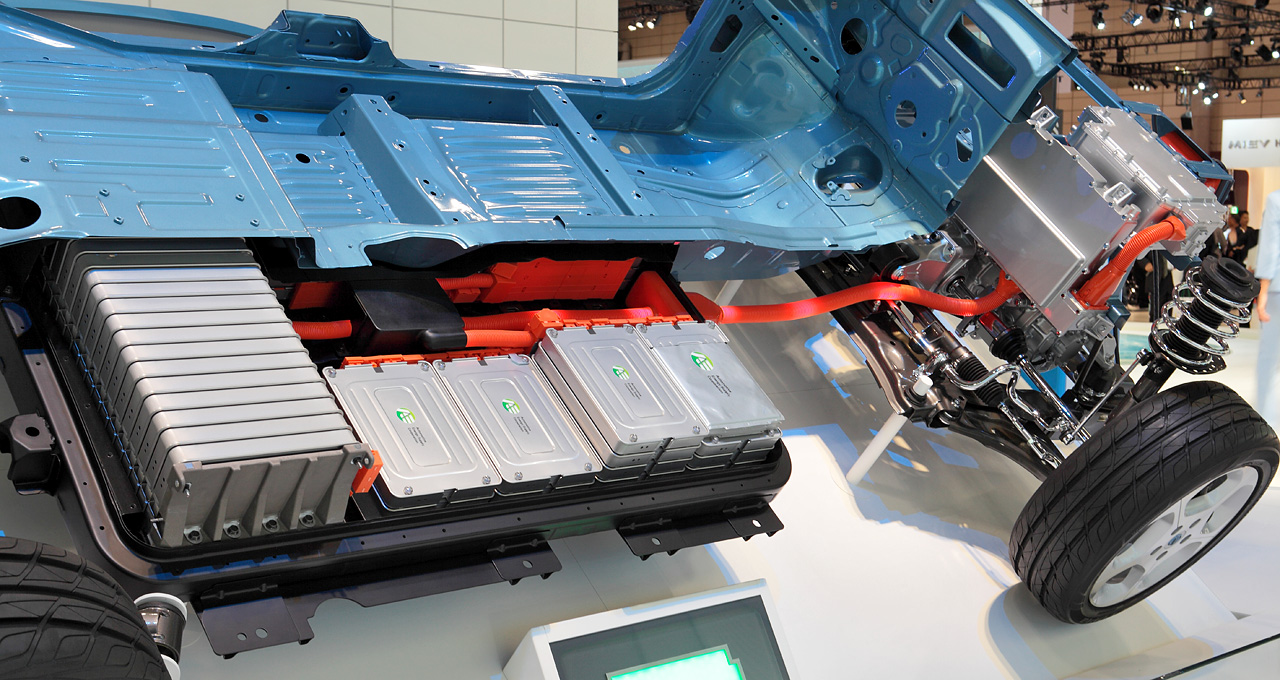
Rechargable battery used for vehicles
An electric vehicle battery is a rechargeable battery used to power the electric motors of a battery electric vehicle (BEV) or hybrid electric vehicle (HEV).
They are typically lithium-ion batteries that are designed for high power-to-weight ratio and energy density. Compared to liquid fuels, most current battery technologies have much lower specific energy. This increases the weight of vehicles or reduces their range.
Li-NMC batteries using lithium nickel manganese cobalt oxides are the most common in EV. The lithium iron phosphate battery (LFP) is on the rise, reaching 41% global market share by capacity for BEVs in 2023. LFP batteries are heavier but cheaper and more sustainable. However, some commercial passenger car manufacturers are now beginning to use a sodium-ion battery completely avoiding the need for critical minerals.
The battery makes up a significant portion of the cost and environmental impact of an electric vehicle. Growth in the industry has generated interest in securing ethical battery supply chains, which presents many challenges and has become an important geopolitical issue. Reduction of use of mined cobalt, which is also required in fossil fuel refining, has been a major goal of research. A number of new chemistries compete to displace Li-NMC with (see solid-state battery) performance above 800Wh/kg in laboratory testing.
, despite more reliance on recycled materials the cost of electric vehicle batteries has fallen 87% since 2010 on a per kilowatt-hour basis.
Demand for EVBs exceeded 750 GWh in 2023. EVBs have much higher capacities than automotive batteries used for starting, lighting, and ignition (SLI) in combustion cars. The battery capacity of available EV models reached from 21 to 123 kWh in 2023 with an average of 80 kWh.
Electric vehicle battery types
As of 2024, the lithium-ion battery (LIB) with the variants Li-NMC, LFP and Li-NCA dominates the BEV market. The combined global production capacity in 2023 reached almost 2000 GWh with 772 GWh used for EVs in 2023. Most production is based in China where capacities increased by 45% that year. With their high energy density and long cycle life, lithium-ion batteries have become the leading battery type for use in EVs. They were initially developed and commercialized for use in laptops and consumer electronics. Recent EVs are using new variations on lithium-ion chemistry that sacrifice specific energy and specific power to provide fire resistance, environmental friendliness, rapid charging and longer lifespans. These variants have been shown to have a much longer lifetime. For example, lithium-ion cells containing single wall carbon nanotubes (SWCNTs) show increased mechanical strength, suppressing degradation and leading to a longer battery lifetime.
| Li-NMC | LFP | Li-NCA | Sodium-ion | Lead-acid | global BEV market share | Energy density per ton | Energy density projection | Price per kWh | Price projection | Cycles (state of health 80%) | Considerable flammability | Temperature range | Production | ||||||||||||||||||||||||||||||||||||
|---|---|---|---|---|---|---|---|---|---|---|---|---|---|---|---|---|---|---|---|---|---|---|---|---|---|---|---|---|---|---|---|---|---|---|---|---|---|---|---|---|---|---|---|---|---|---|---|---|---|
| date=2024 | title=Batteries and secure energy transitions | url=https://www.iea.org/reports/batteries-and-secure-energy-transitions | publisher=IEA | location=Paris}} | 26}} | 26}} | no data | ||||||||||||||||||||||||||||||||||||||||||
| title=NMC vs LFP: safety and performance in operation | url=https://powerup-technology.com/nmc-vs-lfp-safety-and-performance-in-operation/ | publisher=Power Up | date=2023-11-21}} | 80-150 kWh | 200-260 kWh | title=Alternative Battery Technologies Roadmap 2030+ | url=https://publica.fraunhofer.de/entities/publication/ea395bdf-6a1e-4951-bfa0-1e1a31694e66/details | publisher= Fraunhofer Institute for Systems and Innovation | doi=10.24406/publica-1342 | date=2023 | last1=Stephan | first1=Annegret | last2=Hettesheimer | first2=Tim | last3=Neef | first3=Christoph | last4=Schmaltz | first4=Thomas | last5=Stephan | first5=Maximilian | last6=Link | first6=Steffen | last7=Heizmann | first7=Jan Luca | last8=Thielmann | first8=Axel }} | last1=May | first1=Geoffrey J. | last2=Davidson | first2=Alistair | last3=Monahov | first3=Boris | title=Lead batteries for utility energy storage: A review | journal=Journal of Energy Storage | date=February 2018 | volume=15 | pages=145–157 | doi=10.1016/j.est.2017.11.008 | doi-access=free | bibcode=2018JEnSt..15..145M }} | |||||||||
| 300 kWh | 260 kWh | 13}} | |||||||||||||||||||||||||||||||||||||||||||||||
| last1=Colthorpe | first1=Andy | title=LFP cell average falls below US$100/kWh as battery pack prices drop to record low in 2023 | url=https://www.energy-storage.news/lfp-cell-average-falls-below-us100-kwh-as-battery-pack-prices-drop-to-record-low-in-2023/ | publisher=energy-storage.net | date=2023-11-27}} | last1=Wang | first1=Brian | title=EV LFP Battery Price War at Less Than $56 per kWh Within Six Months | url=https://www.nextbigfuture.com/2024/01/ev-lfp-battery-price-war-w-55-in-six-months.html | publisher=NextBigFuture | date=2024-01-16}} | 120$ | 12}} | 65-100$ | |||||||||||||||||||||||||||||||||||
| 80$ (2030) | 36$ (2025) | 13}} | |||||||||||||||||||||||||||||||||||||||||||||||
| title=Battery cycle count comparison between lithium-ion and lead-acid | url=https://enertec.co.za/blog/battery-cycle-count-comparison-between-lithium-ion-vs-lead-acid.html | publisher=Enertec Batteries | date=2022-11-28 | access-date=12 May 2024}} | date=2007-08-10 | title=A123 Inks Deal to Develop Battery Cells for GM Electric Car | work=Xconomy | url=https://xconomy.com/boston/2007/08/10/a123-inks-deal-to-develop-battery-cells-for-gm-electric-car/ | access-date=2016-12-10 | archive-date=25 October 2022 | archive-url=https://web.archive.org/web/20221025044137/https://xconomy.com/boston/2007/08/10/a123-inks-deal-to-develop-battery-cells-for-gm-electric-car/ | url-status=dead }} | 4000 - 5000 | 200 - 1500 | |||||||||||||||||||||||||||||||||||
| yes | no | medium | no | yes | |||||||||||||||||||||||||||||||||||||||||||||
| medium | high | high | medium | ||||||||||||||||||||||||||||||||||||||||||||||
| 67% China | 100% China |
Lithium-NMC
Lithium nickel manganese cobalt oxides offer high performance and have become the global standard in BEV production since the 2010s. On the other hand, the exploitation of the required minerals causes environmental problems. The downside of traditional NMC batteries includes sensitivity to temperature, low temperature power performance, and performance degradation with age. Due to the volatility of organic electrolytes, the presence of highly oxidized metal oxides, and the thermal instability of the anode SEI layer, traditional lithium-ion batteries pose a fire safety risk if punctured or charged improperly. Early cells did not accept or supply charge when extremely cold. Heaters can be used in some climates to warm them.
Lithium iron phosphate (LFP)
The Lithium iron phosphate battery has a shorter range but is cheaper, safer and more sustainable than the NMC battery. It does not require the critical minerals manganese and cobalt. Since 2023, LFP has become the leading technology in China while the market share in Europe and North America remains lower than 10%. LFP is the dominant type in grid energy storage.
Lithium titanate (LTO)
Lithium titanate or lithium-titanium-oxide (LTO) batteries are known for their high safety profile, with reduced risk of thermal runaway and effective operation over a wide temperature range. LTO batteries have an impressive cycle life, often exceeding 10,000 charge-discharge cycles. They also have rapid charging capabilities due to their high charge acceptance. However, they have a lower energy density compared to other lithium-ion batteries.
Sodium-ion
The Sodium-ion battery completely avoids critical materials. Due to the high availability of sodium which is a part of salt water, cost projections are low. In early 2024, various Chinese manufacturers began with the delivery of their first models. Analysts see a high potential for this type especially for the use in small EVs, bikes and three-wheelers.
Future types
Several types are in development.
- The solid-state battery could offer high energy density and potential safety improvements.
- The lithium-sulfur battery is also expected to meet high performance demands.
- The LMFP battery is a LFP battery that includes manganese as a cathode component.
Legacy types
Lead-acid
In the 20th century most electric vehicles used a flooded lead–acid battery due to their mature technology, high availability, and low cost. Lead–acid batteries powered such early modern EVs as the original 1996 versions of the EV1. There are two main types of lead–acid batteries: automobile engine starter batteries, and deep-cycle batteries which provide continuous electricity to run electric vehicles like forklifts or golf carts. Deep-cycle batteries are also used as auxiliary batteries in recreational vehicles, but they require different, multi-stage charging. Discharging below 50% can shorten the battery's life. Flooded batteries require inspection of electrolyte levels and occasional replacement of water, which gases away during the normal charging cycle. EVs with lead–acid batteries are capable of up to 130 km per charge.
Nickel–metal hydride (NiMH)
Main article: Nickel–metal hydride battery
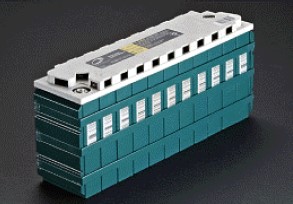
Nickel–metal hydride batteries are considered a mature technology. While less efficient (60–70%) in charging and discharging than even lead–acid, they have a higher specific energy of 30–80 W·h/kg. When used properly, nickel–metal hydride batteries can have exceptionally long lives, as has been demonstrated in their use in hybrid cars and in the surviving first-generation NiMH Toyota RAV4 EVs that still operate well after 100000 mi and over a decade of service. Downsides include finicky charge cycles and poor performance in weather below -20 °C. GM Ovonic produced the NiMH battery used in the second generation EV-1. Prototype NiMH-EVs delivered up to 200 km of range.
Zebra
Main article: Molten salt battery
The sodium nickel chloride or "Zebra" battery was used in early EVs between 1997 and 2012. It uses a molten sodium chloroaluminate (NaAlCl4) salt as the electrolyte. It has a specific energy of 120 W·h/kg. Since the battery must be heated for use, cold weather does not strongly affect its operation except for increasing heating costs. Zebra batteries can last for a few thousand charge cycles and are nontoxic. The downsides to the Zebra battery include poor specific power (
Other legacy types
Other types of rechargeable batteries used in early electric vehicles include
- nickel–cadmium
- Nickel–iron battery used in the Detroit Electric
- Lithium vanadium oxide made its way into the Subaru prototype G4e.
Battery architecture and integration
CTx series:
- Cell to Module (CTM) - battery cells put into modules, than into battery pack
- Cell to Pack (CTP) - battery cells into battery pack without modules
- Cell to Chassis (CTC) - battery cells into frame or chassis, batteries maybe used as part of structural integrity or to increase structural strength
- Cell to Body (CTB) - battery cells into vehicle body
Supply chain

Lifecycle of lithium-based EV batteries
During the first stage, the materials are mined in different parts of the world, including Australia, Russia, New Caledonia and Indonesia. All the following steps are currently dominated by China. After the materials are refined by pre-processing factories, battery manufacturing companies buy them, make batteries, and assemble them into packs. Car manufacturing companies buy and install them in cars. To address the environmental impact of this process, the supply chain is increasingly focusing on sustainability, with efforts to reduce reliance on rare-earth minerals and improve recycling.
Manufacturing

There are mainly three stages during the manufacturing process of EV batteries: materials manufacturing, cell manufacturing and integration, as shown in Manufacturing process of EV batteries graph in grey, green and orange color respectively. This shown process does not include manufacturing of cell hardware, i.e. casings and current collectors. During the materials manufacturing process, the active material, conductivity additives, polymer binder and solvent are mixed first. After this, they are coated on the current collectors ready for the drying process. During this stage, the methods of making active materials depend on the electrode and the chemistry.
Cathodes mostly use transition metal oxides, i.e. Lithium nickel manganese cobalt oxides (Li-NMC), or else Lithium metal phosphates, i.e. Lithium iron phosphates (LFP). The most popular material for anodes is graphite. However, recently there have been a lot of companies started to make Si mixed anode (Sila Nanotech, ProLogium) and Li metal anode (Cuberg, Solid Power).
In general, for active materials production, there are three steps: materials preparation, materials processing and refinement. Schmuch et al. discussed materials manufacturing in greater details.
In the cell manufacturing stage, the prepared electrode will be processed to the desired shape for packaging in a cylindrical, rectangular or pouch format. Then after filling the electrolytes and sealing the cells, the battery cells are cycled carefully to form SEI protecting the anode. Then, these batteries are assembled into packs ready for vehicle integration.
Reusing and repurposing
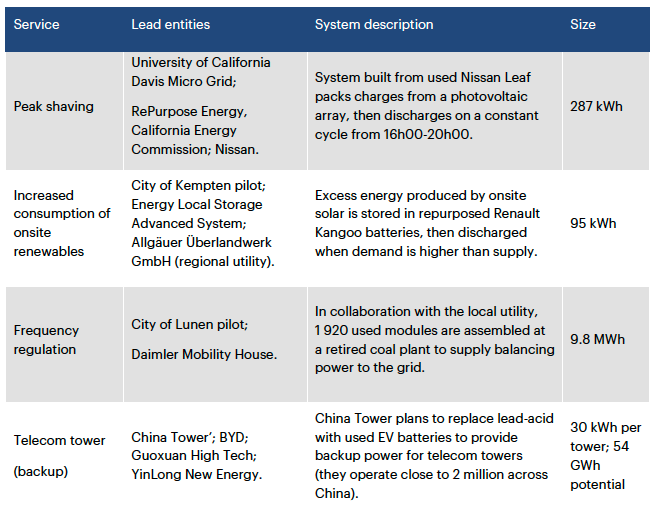
For electric vehicles (EVs), actual end of life will be defined by many factors that will vary across vehicles, including the owner's willingness to continue driving the EV as its range declines, the health of other components in the vehicle, and whether or not the vehicle is involved in a crash. For practicality, however, end of life is commonly defined in repurposing studies as when a battery's capacity degrades to 80% of its initial capacity. This likely comes from the U.S. American Battery Consortium definition: "End-of-life is clarified to occur when either the net DST delivered capacity or peak power capability at 80% DOD is less than 80% of rated." One of the waste management methods is to reuse the pack. By repurposing the pack for stationary storage, more value can be extracted from the battery pack while reducing the per kWh lifecycle impact.
Uneven and undesired battery degradation happens during EV operation depending on temperature during operation and charging/discharging patterns. Each battery cell could degrade differently during operation. Currently, the state of health (SOH) information from a battery management system (BMS) can be extracted on a pack level but not on a cell level. Engineers can mitigate the degradation by engineering the next-generation thermal management system. electrochemical impedance spectroscopy (EIS) can be used to ensure the quality of the battery pack.
It is costly and time-intensive to disassemble modules and cells. The module must be fully discharged. Then, the pack must be disassembled and reconfigured to meet the power and energy requirement of the second life application. A refurbishing company can sell or reuse the discharged energy from the module to reduce the cost of this process. Robots are being used to increase the safety of the dismantling process.
Battery technology is non-transparent and lacks standards. Because battery development is the core part of EV, it is difficult for the manufacturer to label the exact chemistry of cathode, anode and electrolytes on the pack. In addition, the capacity and the design of the cells and packs changes on a yearly basis. The refurbishing company needs to closely work with the manufacture to have a timely update on this information. On the other hand, government can set up labeling standard.
Lastly, battery costs have decreased faster than predicted. The refurbished unit may be less attractive than the new batteries to the market.
Nonetheless, there have been several successes on the second-life application as shown in the examples of storage projects using second-life EV batteries. They are used in less demanding stationary storage application as peak shaving or additional storage for renewable-based generating sources.
Recycling

Although battery life span can be extended by enabling a second-life application, ultimately EV batteries need to be recycled. Recyclability is not currently an important design consideration for battery manufacturers, and in 2019 only 5% of electric vehicle batteries were recycled. However, closing the loop is extremely important. Not only because of a predicted tightened supply of nickel, cobalt and lithium in the future, also recycling EV batteries has the potential to maximize the environmental benefit. Xu et al. predicted that in the sustainable development scenario, lithium, cobalt and nickel will reach or surpass the amount of known reserves in the future if no recycling is in place. Ciez and Whitacre found that by deploying battery recycling some green house gas (GHG) emission from mining could be avoided.
BEV technologies lack an established recycling framework in many countries, making the usage of BEV and other battery-operated electrical equipment a large energy expenditure, ultimately increasing emissions - especially in countries lacking renewable energy resources.
There have been many efforts around the world to promote recycling technologies development and deployment. In the US, the Department of Energy Vehicle Technologies Offices (VTO) set up two efforts targeting at innovation and practicability of recycling processes. ReCell Lithium Recycling RD center brings in three universities and three national labs together to develop innovative, efficient recycling technologies. Most notably, the direct cathode recycling method was developed by the ReCell center. On the other hand, VTO also set up the battery recycling prize to incentivize American entrepreneurs to find innovative solutions to solve current challenges.
Recycling of EV Batteries helps to recover valuable materials such as lithium, cobalt, nickel, and rare-earth elements, reducing the need for new mining and conserving natural resources and reduces the environmental footprint associated with battery production by minimizing mining impacts, energy consumption, and greenhouse gas emissions.
Recycling vs mining

To develop a deeper understanding of the lifecycle of EV batteries, it is important to analyze the emission associated with different phases. Using NMC cylindrical cells as an example, Ciez and Whitacre found that around 9 kg CO2e kg battery*−1 is emitted during raw materials pre-processing and battery manufacturing under the US average electricity grid. The biggest part of the emission came from materials preparation accounting for more than 50% of the emissions. If NMC pouch cell is used, the total emission increases to almost 10 kg CO2e kg battery−*1 while materials manufacturing still contributes to more than 50% of the emission. During the end-of-life management phase, the refurbishing process adds little emission to the lifecycle emission. The recycling process, on the other hand, as suggested by Ciez and Whitacre emits a significant amount of GHG. As shown in the battery recycling emission plot a and c, the emission of the recycling process varies with the different recycling processes, different chemistry and different form factor. Thus, the net emission avoided compared to not recycling also varies with these factors. At a glance, as shown in the plot b and d, the direct recycling process is the most ideal process for recycling pouch cell batteries, while the hydrometallurgical process is most suitable for cylindrical type battery. However, with the error bars shown, the best approach cannot be picked with confidence. It is worth noting that for the lithium iron phosphates (LFP) chemistry, the net benefit is negative. Because LFP cells lacks cobalt and nickel which are expensive and energy intensive to produce, it is more energetically efficient to mine. In general, in addition to promoting the growth of a single sector, a more integrated effort should be in place to reduce the lifecycle emission of EV batteries. A finite total supply of rare earth material can apparently justify the need for recycling. But the environmental benefit of recycling needs closer scrutiny. Based on current recycling technology, the net benefit of recycling depends on the form factors, the chemistry and the recycling process chosen.
Environmental impact
Transition to electric vehicles is estimated to require 87 times more than 2015 of specific metals by 2060 that need to be mined initially, with recycling covering part of the demand in future. According to IEA 2021 study, mineral supplies need to increase from 400 kilotonnes in 2020 to 11,800 kilotonnes in 2040 in order to cover the demand by EV. This increase creates a number of key challenges, from supply chain as 60% of production is concentrated in China to significant impact on climate and environment as result of such a large increase in mining operations. However 45% of oil demand in 2022 was for road transport, and batteries may reduce this to 20% by 2050, which would save hundreds of times more raw material than that used to make the batteries.
Distributive and energy injustice concerns persist as resource-rich but economically disadvantaged communities bear social and ecological costs while wealthier nations benefit from these technologies. Scholars described these regions as sacrifice zones, where Indigenous and low-income groups experience slow violence and environmental degradation. In many cases, mining projects proceed without meaningful consultation/consent, leaving local communities without a voice in decisions impacting them, highlighting issues in procedural injustice. Regulatory policies, like the DRC Mining Code and OECD Due Diligence Guidance, aim to address issues, but face weak enforcement, corruption, and non-binding commitments that limited their effectiveness.
Rising demand for EV batteries has intensified mining for nickel, copper, lithium, and cobalt, particularly in developing countries including the Philippines, the Democratic Republic of Congo (DRC), Chile, and Indonesia. Nickel mining in Indonesia has caused significant deforestation and heavy metal contamination in rivers, affecting communities reliant on these ecosystems. In the DRC, mining exposes marginalized groups to elevated levels of toxic metals in the air, water, and soil, with little compensation or protection and lack the power to influence mining regulations or demand better working conditions.
In Chile's Salar de Atacama, lithium extraction consumes 65% of the region's freshwater supply, worsening droughts and impacting Indigenous communities. Producing one metric ton of lithium requires 400,000 to 2 million liters (100,000-500,000 gallons) of water. In January 2024, Indigenous-led protests blocked mining operations, demanding inclusion in decision-making regarding the salt flats. Concerns remain over the lack of adherence to Free, Prior, and Informed Consent (FPIC) in affected communities.
Battery cost
Main article: Rechargeable battery#Price history
Average battery costs fell by 90% between 2010 and 2024 due to advances in battery chemistry and manufacturing. Batteries represent a substantial portion of an EV's overall cost, often accounting for up to 30-40% of the vehicle's total price. However, the cost of EV batteries has been decreasing steadily over the years due to advancements in technology, economies of scale, and improvements in manufacturing processes. EV batteries typically come with warranties covering a certain number of years or miles, reflecting confidence in their durability and reliability over time.
The cost of lithium-ion battery packs remains a primary barrier to the widespread adoption of battery electric vehicles (BEVs), particularly in achieving cost parity with internal combustion engine vehicles (ICEVs). A large fraction—around 70%—of the total battery cost is attributed to the materials used in the cell, with cathodes alone accounting for 40–45% of this material cost.{{Cite book
Recent models take a bottom-up approach, calculating battery costs from raw metal prices rather than relying on fixed CAM prices. This approach reveals how fluctuations in cobalt and nickel prices impact the costs of CAMs such as NMC, NCA, LMO, LNMO, and LFP. The shift to higher nickel cathodes (e.g., NMC811, NCA) has been shown to reduce material costs by enhancing energy density and reducing cobalt content.{{Cite journal | doi-access = free
Techno-economic analyses show that BEVs with larger energy requirements (e.g., 200 mile range) benefit from lower per-kWh costs due to the use of thicker electrodes and improved economies of scale. For instance, pack-level costs can range from approximately $545/kWh for plug-in hybrid electric vehicles (PHEV10) to around $230/kWh for BEV200 vehicles.{{Cite journal
Economies of scale play a crucial role in reducing battery costs, though significant reductions plateau beyond production volumes of 200–300 MWh per year.{{Cite journal | article-number = 116499 | doi-access = free
EV parity

Cost parity
One issue is purchase price, the other issue is total cost of ownership. Total cost of ownership of electric cars is often less than petrol or diesel cars. In 2024 Gartner predicted that by 2027, next-generation BEVs will, on average, be cheaper to produce than a comparable ICE". In China, BEV are now cheaper than comparable combustion cars. The development is driven by subsidies in the Chinese market. The USA are protecting their own manufacturers with tariffs, in the EU this is debated. This can delay cost parity.
Range parity
The mass of the electric vehicle battery is the limiting factor to reach range parity. Diesel and gasoline have more than the 50-fold energy density of current EV batteries.
| energy density | typical consumption | mass | Diesel | EV battery |
|---|---|---|---|---|
| 12600 | 7 litres ~ 72 kWh | ~6 kg | ||
| 166}} | 20 kWh | ~120 kg |
In practical use, charging speed is more relevant than battery capacity (see recharging section). Typical EV batteries in passenger cars have a mass of 300 to resulting in ranges from 150 to, depending on temperature, driving style and car type.
Even with the same range as an average all-combustion vehicle, buyers must be assured that there are widely available and compatible charging stations for their vehicles.
the range of electric ships and large planes is less than combustion engined ones. To electrify all shipping standardized multi-megawatt charging is needed. But sometimes batteries can be swapped, for example for river shipping. pure electric large plane ranges of over 1000 km are not expected within a decade - meaning that for over half of scheduled flights range parity cannot be achieved.
Specifics
Internal components

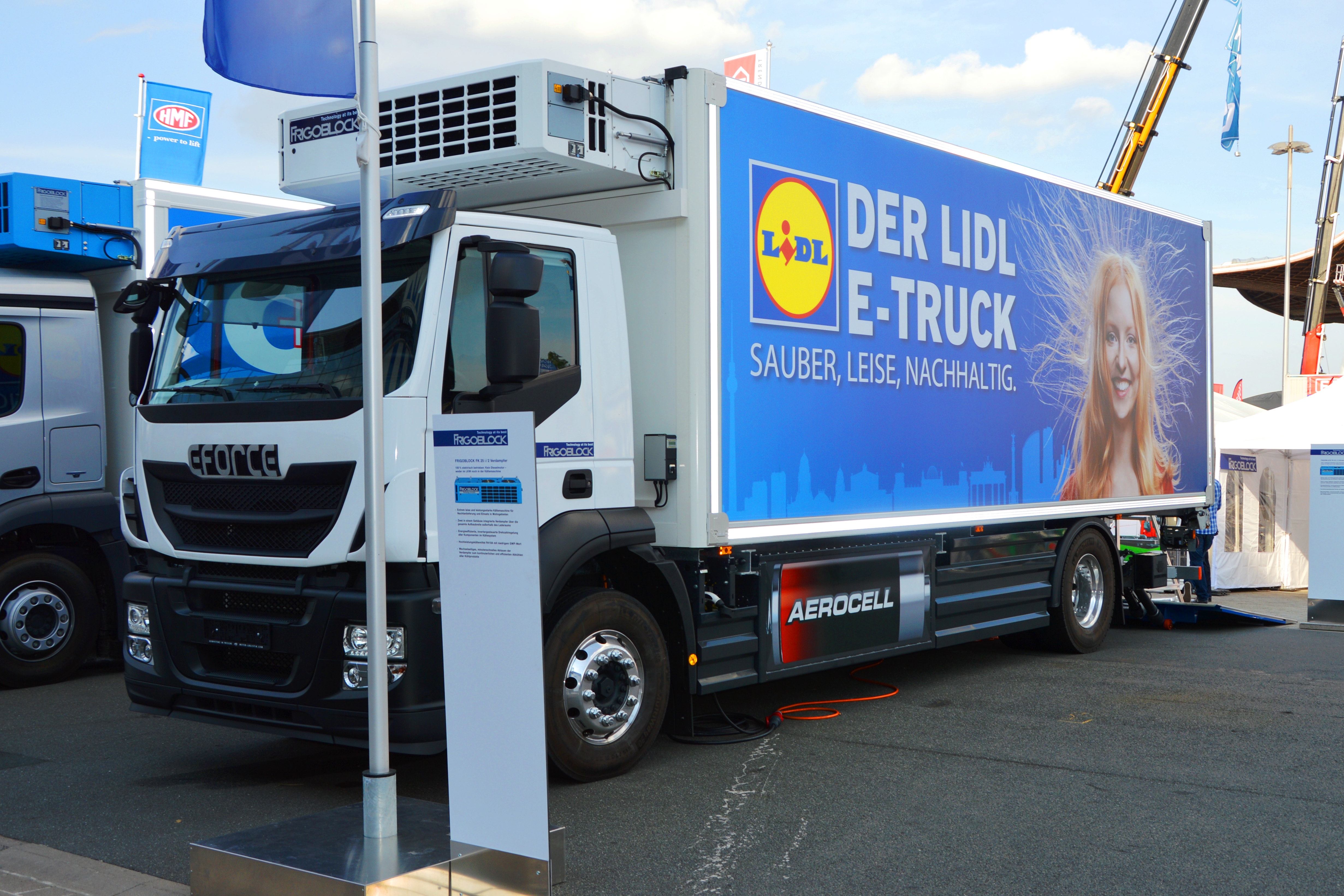
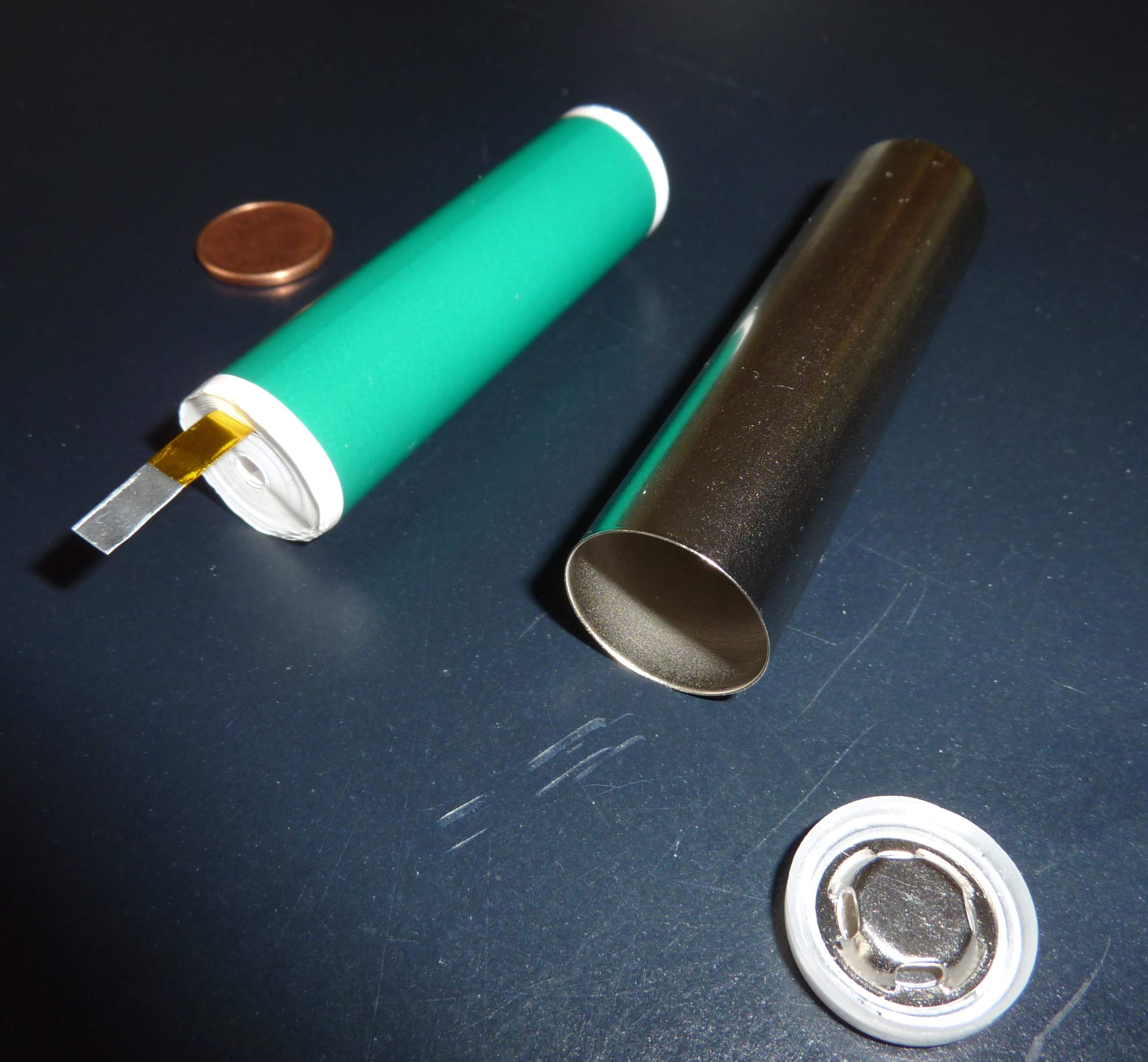

Battery pack designs for electric vehicles (EVs) are complex and vary widely by manufacturer and specific application. However, they all incorporate a combination of several simple mechanical and electrical component systems which perform the basic required functions of the pack.
The actual battery cells can have different chemistry, physical shapes, and sizes as preferred by various pack manufacturers. Battery packs will always incorporate many discrete cells connected in series and parallel to achieve the total voltage and current requirements of the pack. Battery packs for all electric drive EVs can contain several hundred individual cells. Each cell has a nominal voltage of 3-4 volts, depending on its chemical composition.
To assist in manufacturing and assembly, the large stack of cells is typically grouped into smaller stacks called modules. Several of these modules are placed into a single pack. Within each module the cells are welded together to complete the electrical path for current flow. Modules can also incorporate cooling mechanisms, temperature monitors, and other devices. Modules must remain within a specific temperature range for optimal performance. In most cases, modules also allow for monitoring the voltage produced by each battery cell in the stack by using a battery management system (BMS).
The battery cell stack has a main fuse which limits the current of the pack under a short circuit. A "service plug" or "service disconnect" can be removed to split the battery stack into two electrically isolated halves. With the service plug removed, the exposed main terminals of the battery present no high potential electrical danger to service technicians.
The battery pack also contains relays, or contactors, which control the distribution of the battery pack's electrical power to the output terminals. In most cases there will be a minimum of two main relays which connect the battery cell stack to the main positive and negative output terminals of the pack, which then supply high current to the electrical drive motor. Some pack designs include alternate current paths for pre-charging the drive system through a pre-charge resistor or for powering an auxiliary bus which will also have their own associated control relays. For safety reasons these relays are all normally open.
The battery pack also contains a variety of temperature, voltage, and current sensors. Collection of data from the pack sensors and activation of the pack relays are accomplished by the pack's battery monitoring unit (BMU) or BMS. The BMS is also responsible for communications with the vehicle outside the battery pack.
Recharging
Batteries in BEVs must be periodically recharged. BEVs charge at home from the power grid or local generation such as solar panels, or using a recharging point. The energy is generated from a variety of resources including coal, hydroelectricity, nuclear, natural gas, photovoltaic solar cell panels and wind.
Recharging time

With rapid recharging, the concern about limited travel ranges loses relevance as the duration of a stops at public charging stations can be minimized. There is a growing electric vehicle charging network with DC powers of 150 kW and more which can add up to 300 km of range within a typical 30 minute break. Charging speed depends on the power of the charging station and the maximum load which the specific EV model can handle. At charging states over 50%, charging speed generally slows down. Typical rapid charging powers are between 30 and 80 kW. Charging at home or smaller charging stations using alternating current usually takes several hours. The table assumes a typical consumption of 15 kWh per 100 km and takes into account that drivers should take a break every 300 km anyway.
| Duration for refuelling / charging 300 km (45 kWh) | type | maximum power | average power | time | |||
|---|---|---|---|---|---|---|---|
| Diesel / Gasoline | |||||||
| Tesla model Y | 250 kW | ||||||
| VW e-Up | 37 kW |
Charging time at home is limited by the capacity of the household electrical outlet, unless specialized electrical wiring work is done. In the US, Canada, Japan, and other countries with 120V electricity, a normal household outlet delivers 1.5 kilowatts. In other countries with 230V electricity between 7 and 14 kilowatts can be delivered (230V single phase and 400V three-phase, respectively). In Europe, a 400V (three-phase 230V) grid connection is increasingly popular since newer houses don't have natural gas connection due to the European Union's safety regulations.
Battery life
With suitable power supplies, good battery lifespan is usually achieved at charging rates not exceeding half of the capacity of the battery per hour ("0.5C"), thereby taking two or more hours for a full charge, but faster charging is available even for large capacity batteries.
New data has shown that exposure to heat and the use of fast charging promote the degradation of Li-ion batteries more than age and actual use, and that the average electric vehicle battery will retain 90% of its initial capacity after six years and six months of service. For example, the battery in a Nissan Leaf will degrade twice as fast as the battery in a Tesla, because the Leaf does not have an active cooling system for its battery.
A December 2024 study published in Nature Energy has prompted significant discussion within the scientific and automotive communities regarding the longevity of electric vehicle (EV) batteries. The research suggests that EV batteries, in real-world conditions, may last up to a third longer than previously estimated under laboratory conditions. This finding challenges the assumption that laboratory tests, conducted under controlled and often harsher conditions, accurately predict battery life in everyday use.
Connectors
The charging power can be connected to the car in two ways. The first is a direct electrical connection known as conductive coupling. This might be as simple as a mains lead into a weatherproof socket through special high capacity cables with connectors to protect the user from high voltages. The modern standard for plug-in vehicle charging is the SAE1772 conductive connector (IEC62196 Type1) in the US. The ACEA has chosen the VDE-AR-E 2623-2-2 (IEC62196 Type2) for deployment in Europe, which, without a latch, means unnecessary extra power requirements for the locking mechanism.
The second approach is known as inductive charging. A special 'paddle' is inserted into a slot on the car. The paddle is one winding of a transformer, while the other is built into the car. When the paddle is inserted it completes a magnetic circuit which provides power to the battery pack. In one inductive charging system, one winding is attached to the underside of the car, and the other stays on the floor of the garage. The advantage of the inductive approach is that there is no possibility of electrocution as there are no exposed conductors, although interlocks, special connectors and ground fault detectors can make conductive coupling nearly as safe. Inductive charging can also reduce vehicle weight, by moving more charging componentry offboard. An inductive charging advocate from Toyota contended in 1998, that overall cost differences were minimal, while a conductive charging advocate from Ford contended that conductive charging was more cost efficient.
Recharging locations
Main article: Charging station
, there more than 200,000 locations and 400,000 EV charging stations worldwide.
Travel range before recharging
The range of a BEV depends on the number and type of batteries used. The weight and type of vehicle as well as terrain, weather, and the performance of the driver also have an impact, just as they do on the mileage of traditional vehicles. Electric vehicle conversion performance depends on a number of factors including the battery chemistry. Lithium-ion battery-equipped EVs provide 320 - of range per charge.
The internal resistance of some batteries may be significantly increased at low temperature which can cause noticeable reduction in the range of the vehicle and on the lifetime of the battery.
With an AC system or advanced DC system, regenerative braking can extend range by up to 50% under extreme traffic conditions without complete stopping. Otherwise, the range is extended by about 10 to 25% in city driving, and only negligibly in highway driving, depending upon terrain.
BEVs (including buses and trucks) can also use genset trailers and pusher trailers in order to extend their range when desired without the additional weight during normal short range use. Discharged basket trailers can be replaced by recharged ones en route. If rented then maintenance costs can be deferred to the agency.
Trailers
Auxiliary battery capacity carried in trailers can increase the overall vehicle range, but also increases the loss of power arising from aerodynamic drag, increases weight transfer effects and reduces traction capacity.
Swapping and removing
Main article: Battery swapping
An alternative to recharging is to exchange drained or nearly drained batteries (or battery range extender modules) with fully charged batteries. This is called battery swapping and is done in exchange stations.
Features of swap stations include:
- The consumer is no longer concerned with battery capital cost, life cycle, technology, maintenance, or warranty issues;
- Swapping is far faster than charging: battery swap equipment built by the firm Better Place has demonstrated automated swaps in less than 60 seconds;
- Swap stations increase the feasibility of distributed energy storage via the electric grid;
Concerns about swap stations include:
- Potential for fraud (battery quality can only be measured over a full discharge cycle; battery lifetime can only be measured over repeated discharge cycles; those in the swap transaction cannot know if they are getting a worn or reduced effectiveness battery; battery quality degrades slowly over time, so worn batteries will be gradually forced into the system)
- Manufacturers' unwillingness to standardize open-source hardware battery access and implementation details, so users must find a proprietary station
- Safety concerns
Vehicle-to-grid
Main article: Vehicle-to-grid
Smart grid allows BEVs to provide power to the grid at any time, especially:
- During peak load periods (When the selling price of electricity can be very high. Vehicles can then be recharged during off-peak hours at cheaper rates which helps absorb excess night time generation. The vehicles serve as a distributed battery storage system to buffer power.)
- During blackouts, as backup power sources.
Safety
The safety issues of battery electric vehicles are largely dealt with by the international standard ISO 6469. This standard is divided into three parts:
- On-board electrical energy storage, i.e. the battery
- Functional safety means and protection against failures
- Protection of persons against electrical hazards.
Firefighters and rescue personnel receive special training to deal with the higher voltages and chemicals encountered in electric and hybrid electric vehicle accidents. While BEV accidents may present unusual problems, such as fires and fumes resulting from rapid battery discharge, many experts agree that BEV batteries are safe in commercially available vehicles and in rear-end collisions, and are safer than gasoline-propelled cars with rear gasoline tanks.
Usually, battery performance testing includes the determination of:
- State of charge (SOC)
- State of Health (SOH)
- Energy Efficiency
Performance testing simulates the drive cycles for the drive trains of Battery Electric Vehicles (BEV), Hybrid Electric Vehicles (HEV) and Plug in Hybrid Electric Vehicles (PHEV) as per the required specifications of car manufacturers (OEMs). During these drive cycles, controlled cooling of the battery can be performed, simulating the thermal conditions in the car.
In addition, climatic chambers control environmental conditions during testing and allow simulation of the full automotive temperature range and climatic conditions.
Patents
Patents may be used to suppress development or deployment of battery technology. For example, patents relevant to the use of Nickel metal hydride cells in cars were held by an offshoot of Chevron Corporation, a petroleum company, who maintained veto power over any sale or licensing of NiMH technology.
Research, development and innovation
As of December 2019, billions of euro in research are planned to be invested around the world for improving batteries.
Researchers have come up with some design considerations for contactless BEV chargers. Inductively coupled power transfer (ICPT) systems are made to transfer power efficiently from a primary source (charging station) to one or more secondary sources (BEVs) in a contactless way via magnetic coupling.
Europe has plans for heavy investment in electric vehicle battery development and production, and Indonesia also aims to produce electric vehicle batteries in 2023, inviting Chinese battery firm GEM and Contemporary Amperex Technology Ltd to invest in Indonesia.
Ultracapacitors
Electric double-layer capacitors (or "ultracapacitors") are used in some electric vehicles, such as AFS Trinity's concept prototype, to store rapidly available energy with their high specific power, in order to keep batteries within safe resistive heating limits and extend battery life.
Since commercially available ultracapacitors have a low specific energy, no production electric cars use ultracapacitors exclusively.
In January 2020, Elon Musk, CEO of Tesla, stated that the advancements in Li-ion battery technology have made ultra-capacitors unnecessary for electric vehicles.
Promotion in the United States
On 2 May 2022, President Biden announced the administration will begin a $3.16 billion plan to boost domestic manufacturing and recycling of batteries, in a larger effort to shift the country away from gas-powered cars to electric vehicles. The goal of the Biden administration is to have half of U.S. automobile production electric by 2030.
The Inflation Reduction Act, passed on 16 August 2022, aimed to incentivize clean energy manufacturing with a $7,500 consumer tax credit for EVs with US-built batteries, and subsidies for EV plants. By October 2022, billions of dollars of investment had been announced for over two dozen US battery plants, leading some commentators to nickname the Midwest as the "Battery Belt".
References
References
- (2024). "Global EV Outlook 2024". IEA.
- (2024-01-05). "BYD breaks ground on its first sodium-ion EV battery plant". Electrek.
- (2019-12-03). "Battery prices are falling, which is good news for EVs".
- "Electric vehicle model statistics". EU European Alternative Fuels Observatory.
- "Useable battery capacity of full electric vehicles". EV Database.
- (2024-07-01). "Development of a feasible and scalable manufacturing method for PTFE-based solvent-free lithium-ion battery electrodes". Chemical Engineering Journal.
- (March 2024). "Investigation of The Failure Mechanisms of Li-Ion Pouch Cells with Si/Graphite Composite Negative Electrodes and Single Wall Carbon Nanotube Conducting Additive". Journal of the Electrochemical Society.
- (2024). "Batteries and secure energy transitions". IEA.
- (2023-11-21). "NMC vs LFP: safety and performance in operation". Power Up.
- (2023-01-25). "Six Most Important Lithium-Ion Battery Chemistries". Electronics for you.
- "VW-Related Guoxuan High-Tech Launches Record-Setting 210 Wh/kg LFP Battery Cells". Inside EVs.
- (2023). "Alternative Battery Technologies Roadmap 2030+". Fraunhofer Institute for Systems and Innovation.
- (2023-11-23). "Northvolt develops state-of-the-art sodium-ion battery validated at 160 Wh/kg".
- (February 2018). "Lead batteries for utility energy storage: A review". Journal of Energy Storage.
- (2023). "Benchmarking the electrochemical parameters of the LiNi0.8Mn0.1Co0.1O2 positive electrode material for Li-ion batteries". Heliyon.
- (2021-07-21). "CATL Unveils Its Latest Breakthrough Technology by Releasing Its First Generation of Sodium-ion Batteries". CATL.
- (2023-11-27). "LFP cell average falls below US$100/kWh as battery pack prices drop to record low in 2023". energy-storage.net.
- (2024-01-16). "EV LFP Battery Price War at Less Than $56 per kWh Within Six Months". NextBigFuture.
- (2023). "Sodium-ion Batteries 2024-2034: Technology, Players, Markets, and Forecasts". IDTechEx.
- "Lithium LiFePO4 vs Lead-Acid cost analysis". PowerTech.
- (22 June 2022). "Lead-acid vs lithium batteries". Eco Tree Lithium.
- (2023-09-11). "Sodium-ion batteries ready for commercialisation: for grids, homes, even compact EVs". EnergyPost.eu.
- (2023-09-01). "Future Sodium Ion Batteries Could Be Ten Times Cheaper for Energy Storage". NextBigFuture.com.
- (2022-11-28). "Battery cycle count comparison between lithium-ion and lead-acid". Enertec Batteries.
- (2007-08-10). "A123 Inks Deal to Develop Battery Cells for GM Electric Car". Xconomy.
- (2023-09-11). "Sodium-ion batteries ready for commercialisation: for grids, homes, even compact EVs".
- (2015). "Cycle aging of commercial NMC/graphite pouch cells at different temperatures". Applied Energy.
- (2024-04-12). "Why are LFP Cells so Attractive?".
- (2022). "Encyclopedia of Energy Storage".
- Cowie, Ivan. (Jan 21, 2015). "All About Batteries, Part 12: Lithium Titanate (LTO)".
- (2018). "Fast charging of lithium-ion batteries at all temperatures". Proceedings of the National Academy of Sciences.
- Trento, Chin. (Dec 27, 2023). "Cobalt in EV Batteries: Advantages, Challenges, and Alternatives".
- "Global EV Outlook 2023: Trends in batteries". IEA.
- (2024-02-06). "Alternatives to lithium-ion batteries: potentials and challenges of alternative battery technologies". Fraunhofer Institute for Systems and Innovation Research ISI.
- (2022-07-01). "Battery management strategies: An essential review for battery state of health monitoring techniques". Journal of Energy Storage.
- Barre, Harold. (1997). "Managing 12 Volts: How To Upgrade, Operate, and Troubleshoot 12 Volt Electrical Systenms". Summer Breeze Publishing.
- "Nickel Metal Hydride NiMH Batteries".
- https://www.researchgate.net/publication/266481576_On_the_Low_Temperature_Performance_of_Nickel-Metal_Hydride_NiMH_Batteries#:~:text=Nickel%2Dmetal%20hydride%20(NiMH,electric%20vehicles.
- "GM, Chevron and CARB killed the sole NiMH EV once, will do so again – Plug-in Electric cars and solar power reduce dependence on foreign oil by living oil-free, we review the options".
- (2006-11-24). "Axeon Receives Order for 50 Zebra Packs for Modec Electric Vehicle; Li-Ion UnderTesting". Green Car Congress.
- Kurzweil, Peter. (2015-01-01). "Chapter 16 - Lithium Battery Energy Storage: State of the Art Including Lithium–Air and Lithium–Sulfur Systems". Elsevier.
- ReportLinker. (2022-10-11). "CTP, CTC and CTB Integrated Battery Industry Research Report, 2022".
- Battery, Bonnen. (2023-10-12). "EVs Battery Pack Technology Today and Development Trends.".
- University, Semco. (2024-04-09). "Electric Vehicle Battery Integration: Pushing the Limits".
- (25 October 2017). "Electric Vehicles, Batteries, Cobalt, and Rare Earth Metals".
- (15 August 2022). "About 50kg of nickel goes into each Tesla battery but the world isn't producing enough to keep up with demand". ABC.
- (10 March 2022). "Biden's sanctions of Russian energy give electric vehicle batteries a pass". CNN.
- (28 May 2024). "New Caledonia unrest pushes nickel sector deeper into crisis". France 24.
- (15 July 2024). "Indonesia's massive metals build-out is felling the forest for batteries". AP News.
- (2024-03-08). "Electric vehicle battery chemistry affects supply chain disruption vulnerabilities". Nature Communications.
- (2025-04-01). "China's hold on the lithium-ion battery supply chain: Prospects for competitive growth and sovereign control". Journal of Power Sources Advances.
- (2024-01-01). "Diffusion of Technologies: Delivering on the Promises of Battery Electric Vehicles". Emerald Publishing Limited.
- (April 2018). "Performance and cost of materials for lithium-based rechargeable automotive batteries". Nature Energy.
- (December 2022). "Techno-economic feasibility of retired electric-vehicle batteries repurpose/reuse in second-life applications: A systematic review". Energy and Climate Change.
- Idaho National Lab. (January 1996). "Electric Vehicle Battery Test Procedures Manual (Revision 2)".
- (2020-06-18). "Global EV Outlook 2020".
- (2021). "Assessment of Technologies for Improving Light-Duty Vehicle Fuel Economyâ€"2025-2035". The National Academies Press.
- (2019-11-06). "Recycling lithium-ion batteries from electric vehicles". Nature.
- Jacoby, Mitch. (July 14, 2019). "It's time to get serious about recycling lithium-ion batteries". Chemical & Engineering News.
- (December 2020). "Future material demand for automotive lithium-based batteries". Communications Materials.
- (February 2019). "Examining different recycling processes for lithium-ion batteries". Nature Sustainability.
- (2015-11-01). "Electric vehicle battery technologies: From present state to future systems". Renewable and Sustainable Energy Reviews.
- (2019-04-01). "FY2018 Batteries Annual Progress Report".
- (2018-08-01). "Global metal flows in the renewable energy transition: Exploring the effects of substitutes, technological mix and development". Energy Policy.
- (5 May 2021). "The Role of Critical Minerals in Clean Energy Transitions – Analysis".
- (2023-06-22). "How EVs Will Drive Peak Oil This Decade, in Five Charts".
- (2021-03-01). "Batteries vs oil: A comparison of raw material needs".
- (2024-12-01). "Spatial distributive justice has many faces: The case of siting renewable energy infrastructures". Energy Research & Social Science.
- (August 2020). "The justice and equity implications of the clean energy transition". Nature Energy.
- ""Sacrifice Zones" in the Green Energy Economy: Toward an Environmental Justice Framework".
- (2023-06-01). "The slow violence of mining and environmental suffering in the Andean waterscapes". The Extractive Industries and Society.
- (2023-06-01). "The dark side of the energy transition: Extractivist violence, energy (in)justice and lithium mining in Portugal". Energy Research & Social Science.
- (2021-04-01). "Governing the dark side of renewable energy: A typology of global displacements". Energy Research & Social Science.
- (2025-01-09). "Philippines: Nickel mining projects approved despite inadequate consultation and serious risks to communities' health and environment".
- "Mining code in DR Congo: the challenges of reform".
- "Demystifying the Due Diligence Process under the 2023 OECD Guidelines for Multinational Enterprises on Responsible Business Conduct - Forum - Corporate Sustainability".
- (2024-04-05). "Focus - Philippines: Locals and activists campaign against booming nickel industry".
- "How 'modern-day slavery' in the Congo powers the rechargeable battery economy". NPR.
- (2022-04-26). "Lithium Mining Is Leaving Chile's Indigenous Communities High and Dry (Literally)".
- "False solutions to climate change: Lithium extraction at the Atacama Desert of Chile – Global Justice Ecology Project".
- Jong, Hans Nicholas. (2024-02-26). "Indonesian nickel project harms environment and human rights, report says".
- "EU faces green dilemma in Indonesian nickel – DW – 07/16/2024".
- "Nickel mining boom in Indonesia brings pollution and health crisis - EHN".
- Reid, Juliana. (2022-05-17). "Water Security Issues for Lithium Mining in Chile 5/17/2022".
- (2023-03-22). "World Water Day: The water impacts of lithium extraction".
- (2024-01-29). "Atacameño Communities Maintain Protest Camps in the Atacama Salt Flat and Raise Awareness about out the Environmental Impacts of Lithium Mining".
- EARTHWORKS. (2020-06-25). "Atacama, Chile".
- https://www.deloitte.com/de/de/Industries/automotive/research/study-key-role-of-battery-costs-in-automotive.html
- https://www.iea.org/reports/global-ev-outlook-2025/trends-in-electric-car-affordability
- (21 July 2022). "Race to Net Zero: The Pressures of the Battery Boom in Five Charts".
- "How much do electric vehicles (EVs) cost?".
- "Gartner Outlines a New Phase for Electric Vehicles".
- (2023-08-09). "In China, It's Already Cheaper to Buy EVs Than Gasoline Cars". Bloomberg.
- "Energy density". CEVA Logistics.
- (2023-07-06). "A Complete Guide on Electric Car Battery Weight". EVGas.
- (2016-01-01). "Addressing electric vehicle (EV) sales and range anxiety through parking layout, policy and regulation". Transportation Research Part A: Policy and Practice.
- (2024-03-19). "Fast charging for battery-powered ships: Horizon Europe guarantee".
- "Largest Electric, Battery-Powered Containerships Commissioned in China".
- (2024-01-12). "90-seat Elysian airliner: 800-1,000-km range on batteries alone".
- (2010-11-01). "Heat transfer in phase change materials for thermal management of electric vehicle battery modules". International Journal of Heat and Mass Transfer.
- "PHEV, HEV, and EV Battery Pack Testing in a Manufacturing Environment". DMC, Inc..
- "Leader of Battery Safety & Battery Regulation Programs - PBRA".
- (2023-03-01). "Optimal Configuration of Extreme Fast Charging Stations Integrated with Energy Storage System and Photovoltaic Panels in Distribution Networks". Energies.
- "Open Charge Map".
- "Tesla Model Y Long Range charging curve & performance". evkx.
- "EV-Database: Volkswagen e-Up (2020-21)". EV-Database.
- Coren, Michael J.. (15 December 2019). "Fast charging is not a friend of electric car batteries".
- "How Long Does It Take to Charge an Electric Car?".
- (16 December 2019). "New Data Shows Heat & Fast-Charging Responsible For More Battery Degradation Than Age Or Mileage".
- Ferris, David. (2024-12-10). "EV batteries can last 38% longer than expected".
- [http://www.theautochannel.com/news/press/date/19981123/press000865.html "Car Companies' Head-on Competition In Electric Vehicle Charging."] (Website). ''The Auto Channel'', 1998-11-24. Retrieved on 2007-08-21.
- "Open Charge Map - Statistics".
- (9 February 2021). "Edmunds Tested: Electric Car Range and Consumption". Edmunds.
- "Wayback Machine".
- http://large.stanford.edu/courses/2017/ph240/leis-pretto1/
- (2008-09-17). "Electric cars wait in the wings". [[Manawatu Standard]].
- (2009-09-17). "Volkswagen Says 'No' to Battery Swapping, 'Yes' to Electrics in U.S.: Greentech Media". greentechmedia.com.
- "What's Hot: Car News, Photos, Videos & Road Tests | Edmunds.com". blogs.edmunds.com.
- "Battery swap model ?won?t work? | carsguide.com.au". carsguide.com.au.
- Walford, Lynn. (2014-07-18). "Are EV batteries safe? Electric car batteries can be safer than gas cars". auto connected car.
- (2004-12-02). "ECD Ovonics Amended General Statement of Beneficial Ownership".
- (2008-03-31). "ECD Ovonics 10-Q Quarterly Report for the period ending March 31, 2008".
- (2019-12-09). "EU approves 3.2 billion euro state aid for battery research". Reuters.
- (5 November 2019). "StackPath".
- (October 2005). "Design considerations for a contactless electric vehicle battery charger". IEEE Transactions on Industrial Electronics.
- (19 December 2019). "Indonesia to produce EV batteries by 2022 - report".
- (9 November 2018). "Factbox: Plans for electric vehicle battery production in Europe". Reuters.
- (2 May 2019). "European battery production to receive financial boost". DW.
- (2 May 2019). "France and Germany commit to European electric battery industry". Reuters.
- (28 March 2019). "Europe aims to take its place on the global EV battery production stage".
- (27 June 2019). "CATL Plans Massive Increase In European Battery Production".
- "The 2040 outlook for EV battery manufacturing". McKinsey.
- (2 May 2019). "EU aims to become powerhouse of battery production". Platts Insight.
- Wald, Matthew L.. (2008-01-13). "Closing the Power Gap Between a Hybrid's Supply and Demand". The New York Times.
- "AFS TRINITY UNVEILS 150 MPG EXTREME HYBRID (XH™) SUV".
- Lambert, Fred. (2020-01-21). "Elon Musk: Tesla acquisition of Maxwell is going to have a very big impact on batteries".
- (2022-05-02). "Biden's Team Puts Up Over $3 Billion to Boost U.S. Battery Output". Bloomberg News.
- Weisbrod, Katelyn. (2022-10-27). "The EV Battery Boom Is Here, With Manufacturers Investing Billions in Midwest Factories".
- Lewis, Michelle. (2022-10-13). "Here's where the new US EV 'Battery Belt' is forming – and why".
This article was imported from Wikipedia and is available under the Creative Commons Attribution-ShareAlike 4.0 License. Content has been adapted to SurfDoc format. Original contributors can be found on the article history page.
Ask Mako anything about Electric vehicle battery — get instant answers, deeper analysis, and related topics.
Research with MakoFree with your Surf account
Create a free account to save articles, ask Mako questions, and organize your research.
Sign up freeThis content may have been generated or modified by AI. CloudSurf Software LLC is not responsible for the accuracy, completeness, or reliability of AI-generated content. Always verify important information from primary sources.
Report