From Surf Wiki (app.surf) — the open knowledge base
Egusi
Type of seed commonly found in West African cuisine
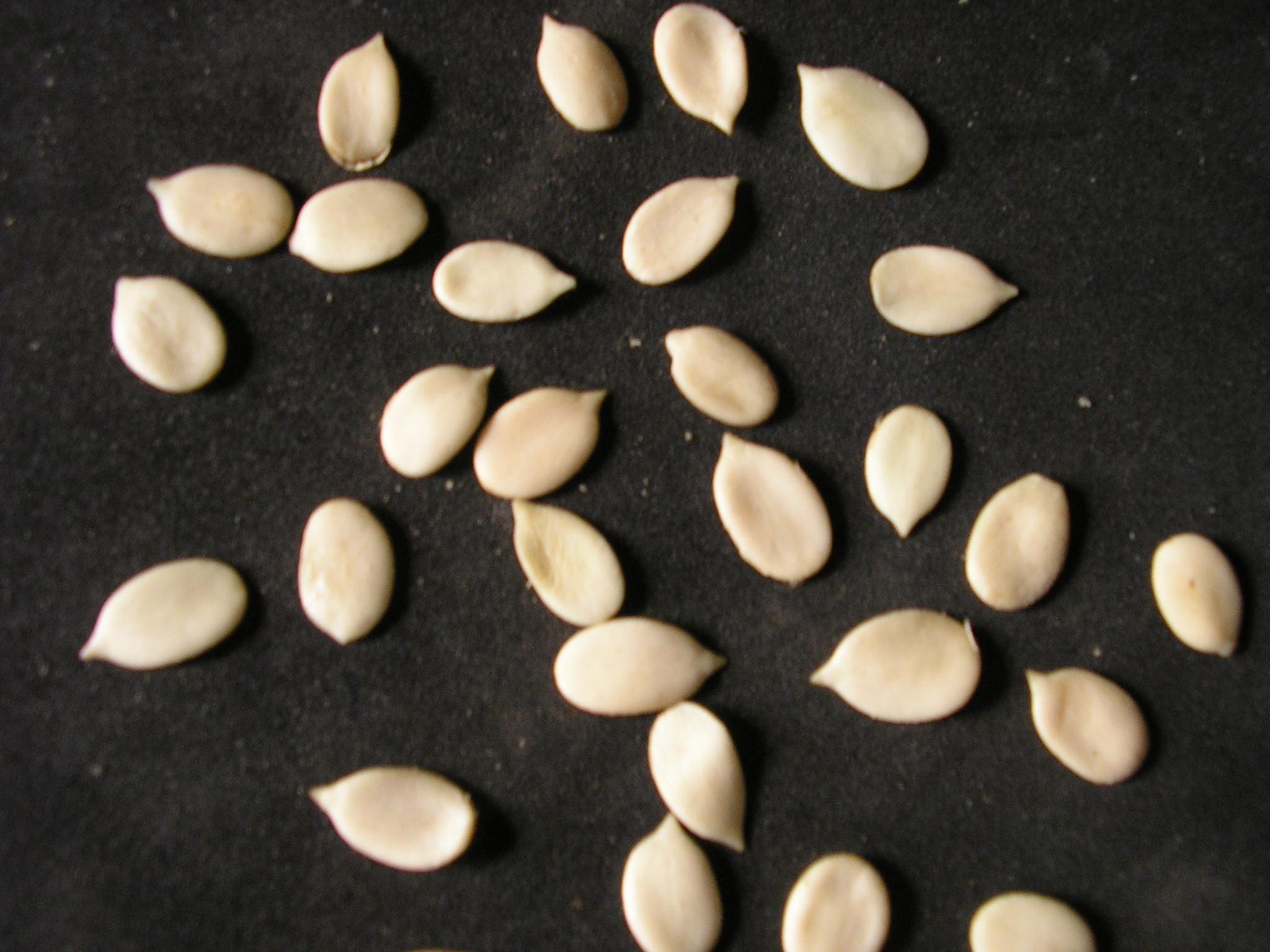
Type of seed commonly found in West African cuisine
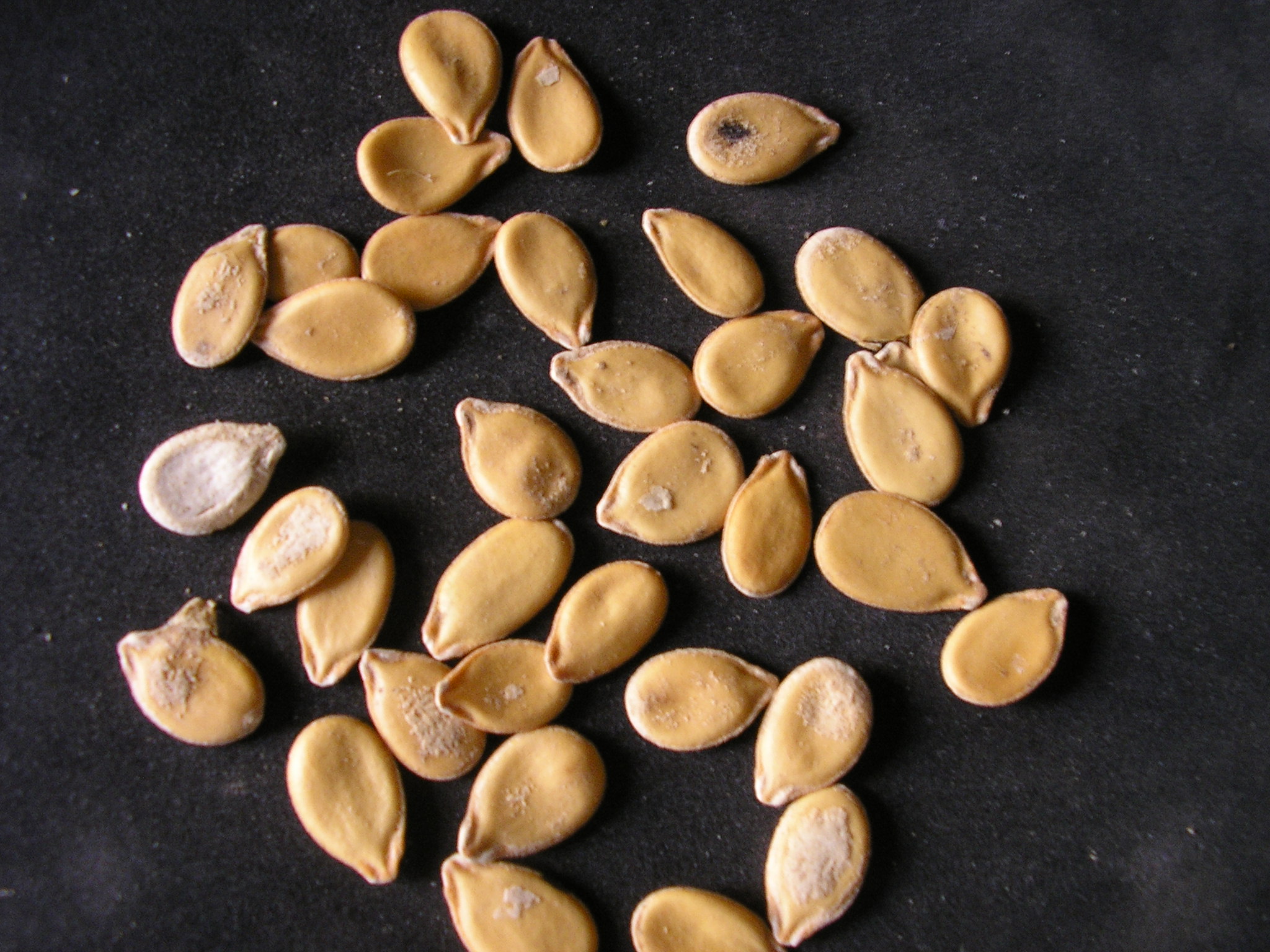
Egusi, also spelled egushi (Yoruba: Ẹ̀gúṣí), are the protein-rich seeds of certain cucurbitaceous plants (squash, melon, gourd), which, after being dried and ground, are used as a major ingredient in West African cuisine. A popular method of cooking, it is rooted in Yoruba culinary traditions.
Egusi melon seeds are large and white in appearance; sometimes they look brownish or off-white in color but the main egusi color is primarily white.
Scholars disagree whether the word is used more properly for the seeds of the colocynth, those of a particular large-seeded variety of the watermelon, or generically for those of any cucurbitaceous plant. Egusi seeds are in a class of their own and should never be mistaken for pumpkin or watermelon seeds. In particular the name "egusi" may refer to either or both plants (or more generically to other cucurbits) in their capacity as seed crops, or to a soup made from these seeds and popular in West Africa.
The characteristics and uses of all these seeds are broadly similar. Major egusi-growing nations include Nigeria, Burkina Faso, Togo, Ghana, Côte d'Ivoire, Benin, Mali, and Cameroon.
Species from which egusi is derived include Melothria sphaerocarpa (syn. Cucumeropsis mannii) and Citrullus lanatus.
Etymology
The 'ẹ' means 'to', 'gun' means 'pound' or 'grind', and 'ṣi' means 'to open'; this etymology of 'egusi' soup, meaning 'to grind open', reflects the procedure used in its preparation.{{cite book
Egusi stew is now widely eaten across large portions of West and Central Africa where it is known by various local names, many of which are variants of the word egusi itself. Some of the other names egusi goes by across the region include:
- Yoruba : Egusi / Egushi (Ẹ̀gúṣí)
- Hausa : Agusi, Agushi (via Yoruba)
- Twi : Akatowa
- Ga : Agushi, Egushi
- Igbo : Élìlì, Énìnì, Ekeke, Ahụ, Élìlè, Ilolo, Iroro, Éyìyè, Ogili, Nwanru, Ègwúsí (Onitsha Igbo; via Yoruba)
- Edo : Ogi, Ikpogi
- Ibibio, Efik : Íkpán, Ikon
- Fon : Gúsí
- Nupe : Epín, Epíngi, Paragi
- Urhobo : Ikpogri
- Tiv : Icegher
- Kikongo, Lingala : Mbika
Usage
Soups and stews
Egusi seeds are used in making egusi soup; the soup is thickened with the seeds. Melothria sphaerocarpa, which egusi seeds are from, grows throughout central to western Africa and is used by different ethnic groups in these regions to prepare the soup. Egusi soup is a very popular soup in West Africa, with considerable local variations. Besides the seeds, water, and oil, egusi soup typically contains leafy greens, other vegetables, seasonings, and meat. Leafy greens typically used for egusi soup include Efo Tete, scent leaf, okazi/afang (wild spinach), bitterleaf (onugbu), pumpkin leaf (ugu), uziza leaf, celosia and spinach. Other commonly used vegetables include tomatoes, okra and bell peppers. Typical seasonings include chili peppers, onions, salt and locust beans. Also commonly used ingredients are beef, goat, chicken, fish, periwinkle, shrimp or crayfish as sources of protein.
In Nigeria, egusi is common throughout the country, and the seeds are used in making stews and soups. The Igbo refer to it as "egwusi," a borrowed term from the original Yoruba word "egusi."
In Ghana, egusi is also called akatoa, egushi or agushi, and is used for soup and stew, most popularly in palaver sauce.
Seed oil
Egusi seed oil contains linoleic acid (53%) and oleic acid (19%).
Processing
In the late 1980s, the Government of Canada funded a project intended to develop a machine to help Cameroonians shell egusi seeds. A machine has also been developed in Nigeria to shell egusi.
Gallery
File:A Plate of Pounded Yam (Iyan) served in Birmingham UK.JPG|A plate of pounded yam and egusi soup File:Egusi and bitter leaf soup..jpg|Egusi and bitter leaf soup File:Egusi powder (lemon).jpg|Egusi powder with powdered lemon
References
References
- (June 6, 2022). "Chopology: Egushi Stew".
- Rachel C. J. Massaquoi, [https://books.google.com/books?id=bKwN7Absx6AC&dq=egusi+west+africa&pg=PA34 "Groundnut, Egusi, Palm Oil, and Other Soups"], in ''Foods of Sierra Leone and Other West African Countries: A Cookbook'', AuthorHouse, 2011, p. 36.
- Ukegbu, Kavachi Michelle. (2021). "The art of fufu: a guide to the culture and flavors of a West African tradition".
- William Bascom. "Yoruba Cooking". Africa: Journal of the International African Institute.
- National Research Council (U.S.). Board on Science and Technology for International Development. (2006). "Lost crops of Africa. Volume II, Vegetables". National Academies Press.
- National Research Council. (2006). "Lost Crops of Africa: Volume II: Vegetables". National Academies Press.
- (2021-08-23). "Fertilizer Rate for Optimum Growth and Yield of Egusi Melon (Colocynthis citrullus L.)/ Hot Pepper (Capsicum chinense, Jackquin cv. rodo) Intercrop". Izmir International Guest Student Association.
- Blench, Roger. (2006). "Archaeology, language, and the African past". Altamira Press.
- (16 March 1972). "Rural Hausa: A Village and a Setting". Cambridge University Press.
- (1 February 2008). "Edible Medicines: An Ethnopharmacology of Food". University of Arizona Press.
- (1983). "Sixth African Symposium on Horticultural Crops, Ibadan, Nigeria, 19 - 25 July 1981". International Society for Horticultural Science.
- (1982). "Nigerian Languages and Cultural Development: Proceedings of the National Seminar on the Use of Local Languages for Cultural Development and Application, Held at Durbar Hotel, Kaduna 22-24 June, 1981". National Language Centre, Federal Ministry of Education.
- (10 July 2024). "Nutritional and Health Aspects of Food in Western Africa". Elsevier.
- (1962). "Report on Soil and Agricultural Survey of Sene-Obosum River Basins, East Brong-Ahafo and Ashanti Regions, Ghana". U.S. Agency for International Development.
- (30 June 2005). "Food Culture in Sub-Saharan Africa". Bloomsbury Publishing USA.
- (1979). "Ikoli Harcourt Whyte, the Man and His Music: A Case of Musical Acculturation in Nigeria". Verlag der Musikalienhandlung Wagner.
- (1973). "Verbs Meaning "to Buy" in Igbo".
- (1972). "Igbo-English dictionary based on the Onitsha dialect". Ethiope Publishing Corporation.
- (2022). "Towards a specialised digital monolingual Igbo dictionary on crop cultivation.". IKENGA: International Journal of Institute of African Studies.
- (1985). "The Useful Plants of West Tropical Africa". Royal Botanic Gardens.
- (27 November 2006). "Lost Crops of Africa: Volume II: Vegetables". National Academies Press.
- "The Recipes of Africa". Dyfed Lloyd Evans.
- (2013). "Isi Cookbook: Collection of Easy Nigerian Recipes". iUniverse.
- (13 November 2022). "Egusi Soup: Ingredients". Robin Okwanma.
- "Egusi Soup: A Royal Feast For Any Day".
- Michael J. C. Echeruo. (1998). "Igbo-English Dictionary". Yale University Press.
- (June 6, 2022). "Chopology: Egushi Stew".
- [http://omgvoice.com/lifestyle/nigerian-foods-eaten-ghanaians-different-names/ "13 Nigerian Foods That Are Eaten By Ghanaians But Have Different Names"] {{Webarchive. link. (2016-11-27 , OMGVoice.)
- "Archived copy".
- (January 2019). "Physicochemical and fatty acid profile of egusi oil from supercritical carbon dioxide extraction". Heliyon.
- "Projects in Cameroon".
- (2012). "Development and performance tests of a melon (egusi) seed shelling machine". Agricultural Engineering International: CIGR Journal.
This article was imported from Wikipedia and is available under the Creative Commons Attribution-ShareAlike 4.0 License. Content has been adapted to SurfDoc format. Original contributors can be found on the article history page.
Ask Mako anything about Egusi — get instant answers, deeper analysis, and related topics.
Research with MakoFree with your Surf account
Create a free account to save articles, ask Mako questions, and organize your research.
Sign up freeThis content may have been generated or modified by AI. CloudSurf Software LLC is not responsible for the accuracy, completeness, or reliability of AI-generated content. Always verify important information from primary sources.
Report