From Surf Wiki (app.surf) — the open knowledge base
Education 3.0
Technology-driven learning model beyond traditional education
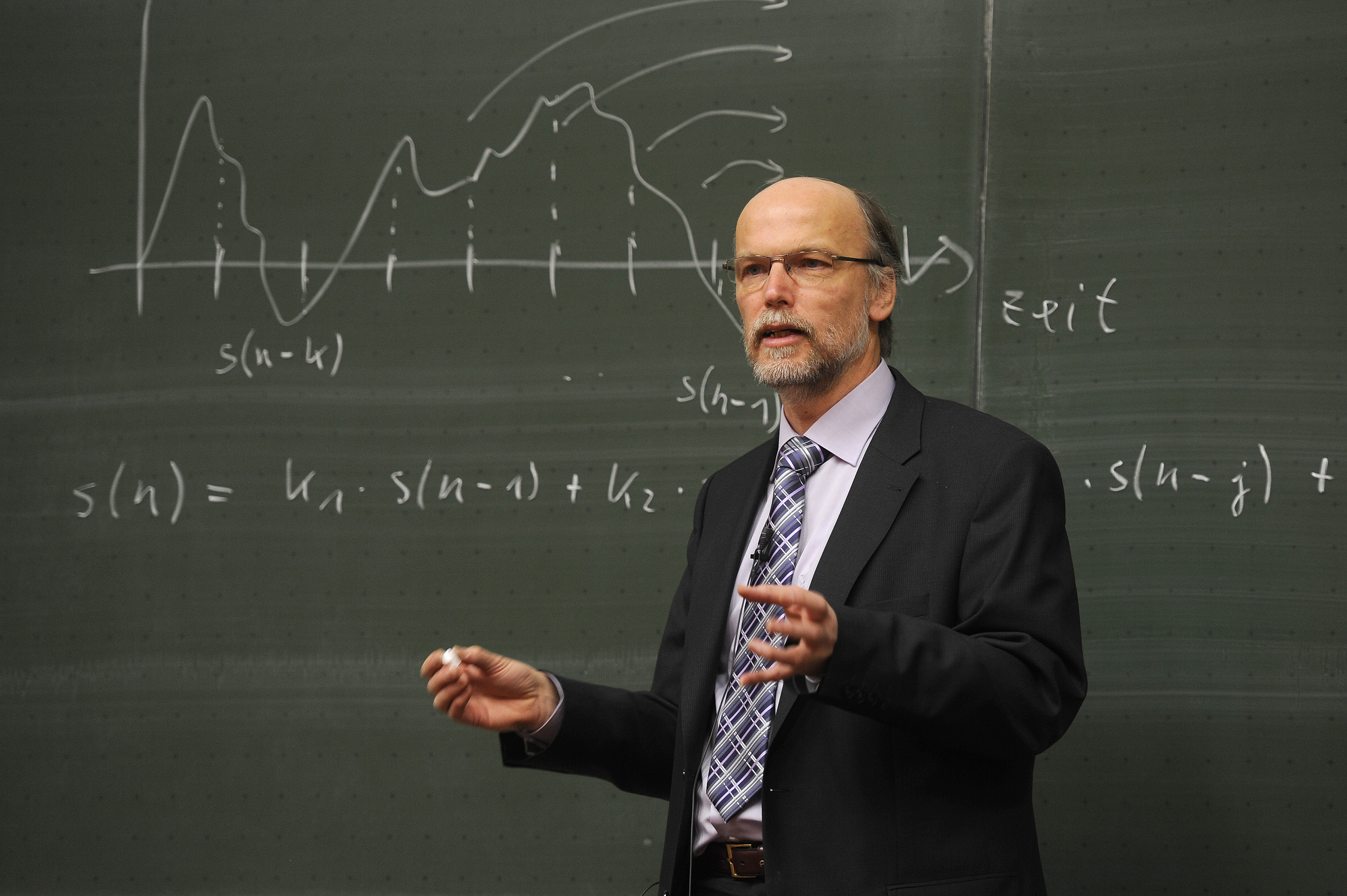
Technology-driven learning model beyond traditional education
Education 3.0 is an umbrella term used by educational theorists to describe a variety of ways to integrate technology into learning. According to Jeff Borden, Education 3.0 entails a confluence of neuroscience, cognitive psychology, and education technology, using web-based digital and mobile technology, including apps, hardware and software, and "anything else with an e in front of it."{{cite magazine | access-date= August 19, 2015 | access-date= August 19, 2015 | access-date= August 19, 2015 | access-date= August 21, 2015
With Education 3.0, classes move away from traditional lectures and instead focus on interactive learning, with question and answer sessions, reviews and quizzes, discussions, labs, and other project-based learning. It usually involves customization and personalization, such that educational content is tailored to meet the needs of specific students. It can mean reversing the traditional classroom learning, in which lectures happen in class and homework is done out of class, into flipped classrooms, such that new content is delivered online while students work on assignments together in class.
Lectures move online—which handles students' need for personalization—and, as one of Lee's presentations states, "What in a class? Anything but lecturing!" Class time moves away from PowerPoint, blackboards, and whiteboards and is instead devoted to interactive and applied learning—questions and answers, review and summary, quizzes, interactive problem solving, discussion, project-based learning, and labs.
The term has been used by educational theorists in South Korea and in Latin America. According to a report in Forbes magazine, schools such as the Korea Advanced Institute of Science and Technology or KAIST are actively exploring Education 3.0. In Latin America, Educación 3.0 is being explored as a way to make education affordable to impoverished people throughout the region, and to help ameliorate poverty.{{cite web | access-date= August 19, 2015
References
References
- (2007-03-05). "Volume 12, Number 3 — 5 March 2007". Firstmonday.org.
This article was imported from Wikipedia and is available under the Creative Commons Attribution-ShareAlike 4.0 License. Content has been adapted to SurfDoc format. Original contributors can be found on the article history page.
Ask Mako anything about Education 3.0 — get instant answers, deeper analysis, and related topics.
Research with MakoFree with your Surf account
Create a free account to save articles, ask Mako questions, and organize your research.
Sign up freeThis content may have been generated or modified by AI. CloudSurf Software LLC is not responsible for the accuracy, completeness, or reliability of AI-generated content. Always verify important information from primary sources.
Report