From Surf Wiki (app.surf) — the open knowledge base
Edgeplay
Dangerous sexual practice in BDSM
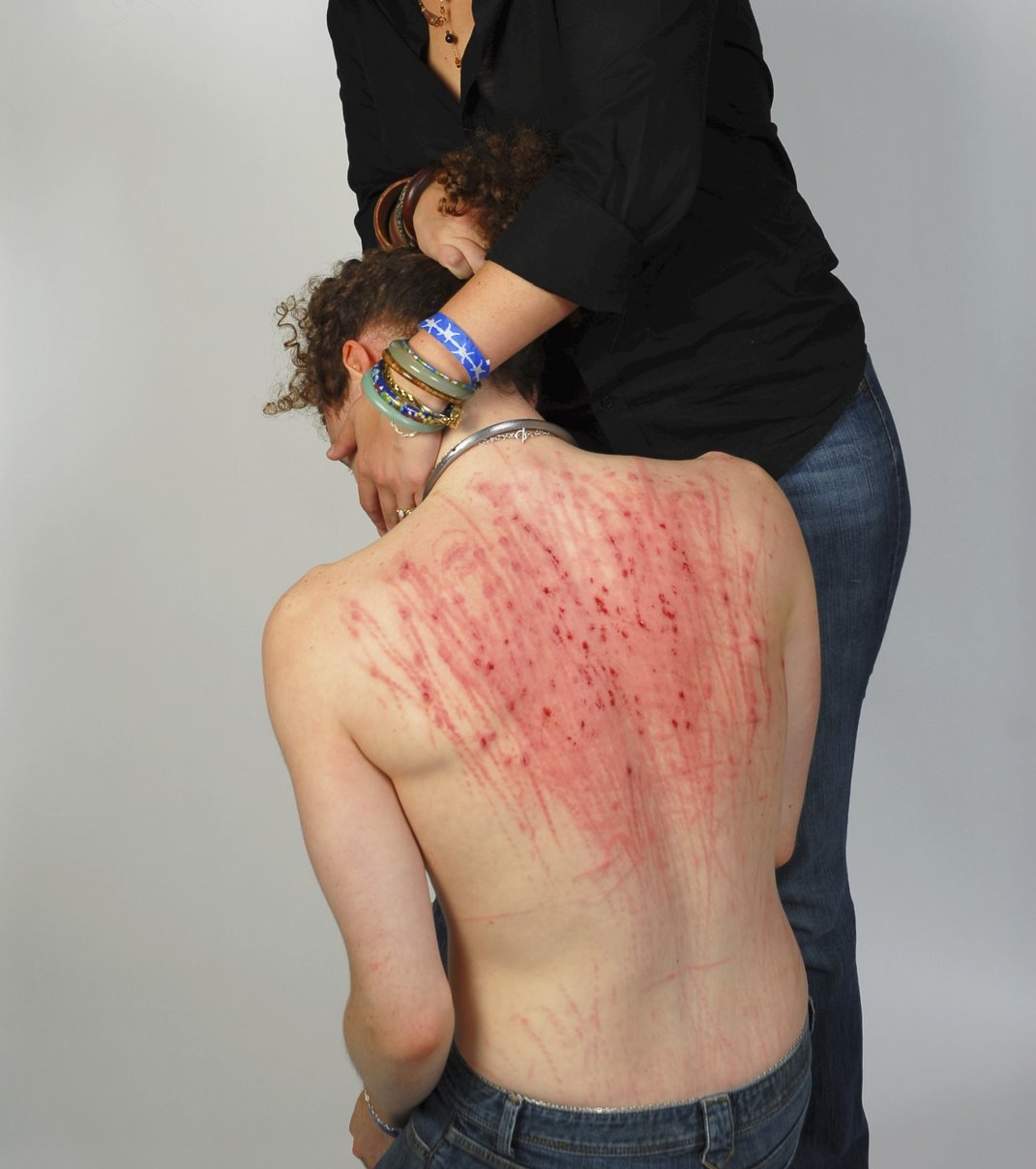
Dangerous sexual practice in BDSM
In BDSM, edgeplay is a subjective term for activity (sexual or mentally manipulative) that may challenge the conventional safe, sane and consensual ("SSC") scheme; if one is aware of the risks and consequences and is willing to accept them, then the activity is considered risk-aware consensual kink ("RACK").
Edgeplay may involve the consequences of potential short or long-term harm or death, exemplified by activities such as breathplay (erotic asphyxiation), fire play, knife play, fear play, temperature play, wax play, consensual non-consent, and gunplay, as well as the potential increased risk of infection when the possibility of bodily fluid exchange is present, such as with cutting, bloodplay, or barebacking. Urethral sounding is also considered edgeplay because of its medical risks.
In the mid-1990s, the Living in Leather convention did not have discussion on ageplay, salirophilia or scat because, at the time, they were considered too extreme for consensual activity. By 2000, some considered them to be within the scope of edgeplay.
References
References
- [https://www.fanfiction.net/s/9371008/2/Breaking-Blood-on-Alabaster Breaking Blood on Alabaster], written by [https://www.fanfiction.net/u/2669092/Chanse-Lowell Chanse Lowell].
This article was imported from Wikipedia and is available under the Creative Commons Attribution-ShareAlike 4.0 License. Content has been adapted to SurfDoc format. Original contributors can be found on the article history page.
Ask Mako anything about Edgeplay — get instant answers, deeper analysis, and related topics.
Research with MakoFree with your Surf account
Create a free account to save articles, ask Mako questions, and organize your research.
Sign up freeThis content may have been generated or modified by AI. CloudSurf Software LLC is not responsible for the accuracy, completeness, or reliability of AI-generated content. Always verify important information from primary sources.
Report