From Surf Wiki (app.surf) — the open knowledge base
Economy of Turkey
None
None
| Field | Value | |||||||||||||
|---|---|---|---|---|---|---|---|---|---|---|---|---|---|---|
| country | Turkey | |||||||||||||
| image | Levent_financial_district_in_Istanbul.jpg | |||||||||||||
| image_size | 300px | |||||||||||||
| caption | Istanbul is the largest city in Europe and the chief financial and economic center of Turkey. | |||||||||||||
| currency | Turkish lira (TRY, ) | |||||||||||||
| year | Calendar year | |||||||||||||
| organs | G-20; OECD; BSEC; MIKTA; ECO; EU Customs Union; OTS; WTO, and Others | |||||||||||||
| group | {{plainlist | |||||||||||||
| * Emerging market<ref name | "devgroup" | |||||||||||||
| * Newly industrialized country<ref>{{cite book | title | Principles of Economics | author=N. Gregory Mankiw | year=2007 | publisher=Cengage Learning | edition=4th | isbn=978-0-324-22472-6}} | |||||||
| *Diversified, industrializing economy<ref>{{Cite CIA World Factbook | country | Turkey-Turkiye}} | ||||||||||||
| * Industrial country<ref>{{cite book | doi | 10.1093/acref/9780199237043.001.0001 | title=A Dictionary of Economics | year=2009 | last1=Black | first1=John | last2=Hashimzade | first2=Nigar | last3=Myles | first3=Gareth | isbn=978-0-19-923704-3 | publisher=Oxford University Press | entry=industrial countries | entry-url=https://www.oxfordreference.com/view/10.1093/oi/authority.20110803100002206}}}} |
| population | 85,664,944 | |||||||||||||
| gdp | {{plainlist | |||||||||||||
| * $1.710 trillion (nominal, 2026)<ref name | "IMF.TR" | |||||||||||||
| * $3.900 trillion (PPP, 2026)<ref name | "IMF.TR"/ | |||||||||||||
| gdp rank | {{plainlist | |||||||||||||
| growth | {{plainlist | |||||||||||||
| *2.7% (2025)<ref name | "IMF.TR"/ | |||||||||||||
| per capita | {{plainlist | |||||||||||||
| * $20,072 (nominal; 2026)<ref name | "IMF.TR"/ | |||||||||||||
| * $45,120 (PPP; 2026)<ref name | "IMF.TR"/ | |||||||||||||
| per capita rank | {{plainlist | |||||||||||||
| sectors | {{plainlist | |||||||||||||
| *(2022)<ref>{{Cite web | date | 31 August 2023 | title=Annual Gross Domestic Product, 2022 | url=https://data.tuik.gov.tr/Bulten/Index?p=Annual-Gross-Domestic-Product-2022-49742&dil=2 | website=Turkstat}} | |||||||||
| inflation | 30.9% (2025) | |||||||||||||
| poverty | {{plainlist | |||||||||||||
| * 14.4% at 50% of the median equivalised income (2022)<ref>{{Cite web | date | 8 May 2023 | title=Poverty and Living Conditions Statistics, 2022 | url=https://data.tuik.gov.tr/Bulten/Index?p=Poverty-and-Living-Conditions-Statistics-2022-49746&dil=2 | website=Turkstat}} | |||||||||
| * 30.4% at risk of poverty or social exclusion (AROPE 2024)<ref>{{cite web | url | https://ec.europa.eu/eurostat/databrowser/view/tepsr_lm410/default/table?lang=en | title=Persons at risk of poverty or social exclusion by age and sex | publisher=Eurostat | website=ec.europa.eu}}}} | |||||||||
| cpi | 34 out of 100 points (2023; 115th rank) | |||||||||||||
| labor | {{plainlist | |||||||||||||
| * 34,796,000 (2023)<ref name | "OCTOBER2023"/ | |||||||||||||
| *about 3.2 million Turks work abroad<ref name | "CIAWFTU"/ | |||||||||||||
| * 57.3% employment rate (2023)<ref>{{cite web | url | https://ec.europa.eu/eurostat/statistics-explained/index.php?title=Employment_-_annual_statistics | title=Employment rate by sex, age group 20-64 | publisher=Eurostat | website=ec.europa.eu/eurostat | access-date=20 July 2024}}}} | ||||||||
| occupations | {{plainlist | |||||||||||||
| *(2023)<ref>{{Cite web | date | 17 November 2023 | title=Labour Force Statistics, Quarter III: July-September, 2023 | url=https://data.tuik.gov.tr/Bulten/Index?p=49381&dil=2 | website=Turkstat}}}} | |||||||||
| average gross salary | ₺47,346 / €1,334 (per month, 2024) | |||||||||||||
| average net salary | ₺33,913 / €956 (per month, 2024) | |||||||||||||
| unemployment | {{plainlist | |||||||||||||
| * 8.5% (2023)<ref name | "OCTOBER2023"/ | |||||||||||||
| * 16.3% youth unemployment rate (15 to 24 year-olds; October 2023)<ref name | "OCTOBER2023"}} | |||||||||||||
| gini | 44.8 (2024) | |||||||||||||
| hdi | {{plainlist | |||||||||||||
| * 0.853 (2023, 51st)<ref name | "UNHDR" | |||||||||||||
| * 0.708 (2023, IHDI 60th)<ref name | "UNHDR"/}} | |||||||||||||
| industries | ||||||||||||||
| exports | $273.4 billion (2025) | |||||||||||||
| export-goods | ||||||||||||||
| export-partners | {{plainlist | |||||||||||||
| *(2025)<ref name | "TRTRADE"}} | |||||||||||||
| imports | $365.5 billion (2025) | |||||||||||||
| import-goods | ||||||||||||||
| import-partners | {{plainlist | |||||||||||||
| *(2025)<ref name | "TRTRADE"/}} | |||||||||||||
| current account | −1.74% of GDP (2021) | |||||||||||||
| FDI | {{plainlist | |||||||||||||
| * $180.3 billion (31 December 2017 est.)<ref name | "CIAWFTU"/ | |||||||||||||
| * Abroad: $47.44 billion (31 December 2017 est.)<ref name | "CIAWFTU"/}} | |||||||||||||
| gross external debt | $500 billion (2024) (28th) | |||||||||||||
| debt | 29.5% of GDP (2024) | |||||||||||||
| revenue | $234.9 billion (2022 est.) | |||||||||||||
| expenses | $269.1 billion (2022 est.) | |||||||||||||
| balance | −5.4% (of GDP) (2023) | |||||||||||||
| reserves | $144.343 billion (2025) (22nd) | |||||||||||||
| credit | {{plainlist | |||||||||||||
| *Standard & Poor's:<ref>{{cite web | url | http://www.standardandpoors.com/ratings/sovereigns/ratings-list/en/eu/?subSectorCode=39 | title=Sovereigns rating list | publisher=Standard & Poor's | access-date=3 May 2024}} | |||||||||
| *Moody's:<ref>{{cite web | url | https://www.moodys.com/credit-ratings/Turkiye-Government-of-credit-rating-768337 | title=Turkiye, Government of | publisher=Moody's | access-date=16 October 2023}} | |||||||||
| *Fitch:<ref>{{cite web | url | https://www.fitchratings.com/entity/turkiye-80442217 | title=Turkiye | publisher=Fitch | access-date=16 October 2023}} | |||||||||
| *Scope:<ref>{{cite web | url | https://www.scoperatings.com/ratings-and-research/rating/EN/178121 | title=Scope upgrades Türkiye's long-term ratings to BB- and revises the Outlooks to Stable | date=6 December 2024 | website=Scope Ratings | access-date=8 December 2024}} | ||||||||
| aid | donor: $8.399 billion, 0.79% of GNI (2018) |
- $1.710 trillion (nominal, 2026)
- $3.900 trillion (PPP, 2026)
- 16th (Nominal, 2026)
- 11th (PPP, 2026)}}
- 5.1% (2023)
- 3.2% (2024)
- 2.7% (2025)
- $20,072 (nominal; 2026)
- $45,120 (PPP; 2026)
- 66th (Nominal; 2025)
- 51st (PPP; 2025)
- Manufacturing: 22.1%
- Wholesale and retail trade: 13.5%
- Transport and storage: 10.0%
- Agriculture, forestry and fishing: 6.5%
- Construction: 4.9%
- (2022)
- 14.4% at 50% of the median equivalised income (2022)
- 30.4% at risk of poverty or social exclusion (AROPE 2024)}}
- 34,796,000 (2023)
- about 3.2 million Turks work abroad
- 57.3% employment rate (2023)}}
- Agriculture, forestry and fishing: 14.8%
- Secondary sector: Industry: 20.8%
- Secondary sector: Construction: 6.4%
- Services: 58.0%
- (2023)}}
- 8.5% (2023)
- 16.3% youth unemployment rate (15 to 24 year-olds; October 2023)}}
- 0.853 (2023, 51st)
- 0.708 (2023, IHDI 60th)}} | export-goods = | export-partners = {{plainlist|
- Germany 8.1%
- United Kingdom 6.1%
- United States 6.0%
- Italy 4.9%
- (2025)}} | import-goods = | import-partners = {{plainlist|
- China 13.6%
- Russia 11.6%
- Germany 8.2%
- United States 4.9%
- (2025)}}
- $180.3 billion (31 December 2017 est.)
- Abroad: $47.44 billion (31 December 2017 est.)}}
- Standard & Poor's:
- BB-
- Outlook: Stable (March 2024)
- Moody's:
- B1
- Outlook: Positive (December 2024)
- Fitch:
- BB-
- Outlook: Positive (May 2025)
- Scope:
- BB-
- Outlook: Stable (December 2025*)}}
Turkey has an emerging free-market economy. It ranked as the 16th-largest in the world and 7th-largest in Europe by nominal GDP in 2025. It also ranked as the 11th-largest in the world and 5th-largest in Europe by PPP in 2025. Turkey's rapid economic growth since the 2000s was stranded by the economic crisis in 2018, but it began to recover in 2021. Turkey's USD-based nominal GDP per capita and GDP-PPP per capita have eventually reached their all-time peak values in 2024.
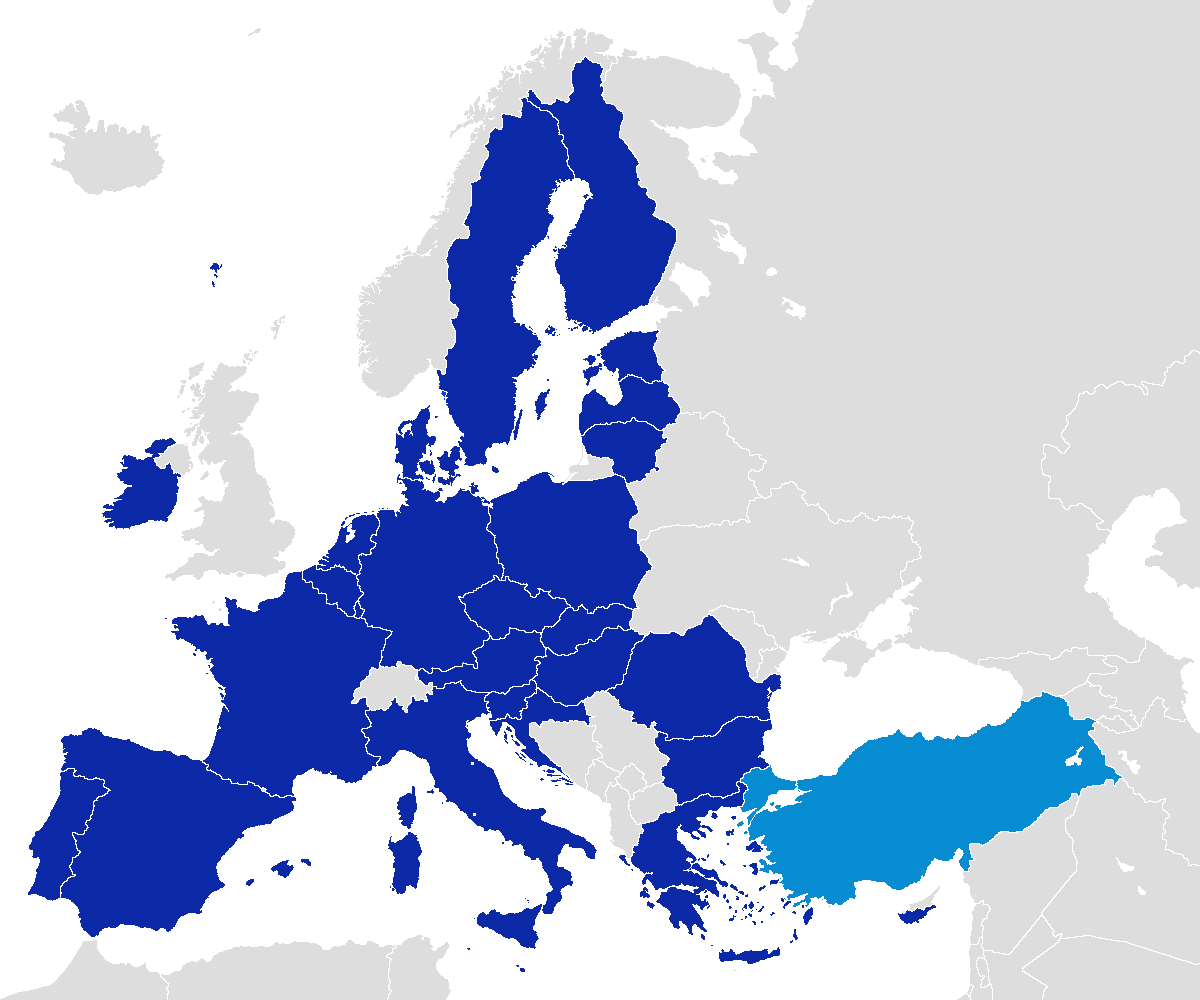
Turkey is a founding member of the OECD and G20. Ratified in 1995, the European Union–Turkey Customs Union has established a free trade area between Turkey and the European Union, which has increased bilateral foreign trade, investment and economic activity.
As the fourth-most-visited destination in the world, Turkey has a large tourism industry, which accounted for 12% of the country's total GDP in 2023. First established in 2000, many technoparks were pioneered by Turkish universities, now hosting over 1,600 R&D centers that draw investment by both domestic and international corporations. Turkey is also among the world's leading producers of motor vehicles, consumer electronics, home appliances and defense products. In 2021, the country was ranked eighth in the world in the technology rankings of the Economic Complexity Index.
In the first quarter of the 21st century, there have been major developments in the financial and social aspects of Turkey's economy, such as increases in employment and average income since 2000. A period of strong economic growth between 2002 and 2013 (except for 2009 due to the 2008 financial crisis) was followed by a period of stagnation and recession in terms of USD-based nominal GDP figures between 2014 and 2020, especially during the 2018 Turkish currency and debt crisis; even though Turkey's USD-based GDP-PPP and TL-based nominal GDP have continued to grow in this period. Since 2021, there has been a steady recovery and rapid growth in Turkey's USD-based nominal GDP and GDP-PPP figures, which have reached their all-time highest values in both 2023 and 2024.
Growth-focused and populist financial policies, such as the preference to keep interest rates as low as possible (dubbed Erdoganomics) have led to one of the world's highest inflation rates since 2018. Following the Turkish parliamentary and presidential elections in 2023, and the appointment of Mehmet Şimşek as the Minister of Treasury and Finance, Turkey has adopted a more orthodox monetary policy regarding interest rates and has succeeded in gradually decreasing inflation from 86% in late 2022 to 31% in late 2025. Right to Clean Air Platform estimate that the lack of a legal limit on fine particulate air pollution cost the economy 10% of GDP in 2024.
History
Main article: Economic history of the Ottoman Empire, Economic history of Turkey
Data


The following table shows the main economic indicators from 1980 to 2024 (with IMF staff estimates in 2024–2029). Inflation below 10% is in green.
| Year | GDP | GDP per capita | GDP | GDP per capita | GDP growth | Inflation rate | Unemployment |
|---|---|---|---|---|---|---|---|
| 1980 | 159.2 | 3,516.3 | 96.6 | 2,133.7 | -0.8% | 110.6% | 7.2% |
| 1981 | 181.9 | 3,926.5 | 97.9 | 2,113.1 | 4.4% | 36.4% | 7.2% |
| 1982 | 199.7 | 4,215.0 | 88.9 | 1,876.6 | 3.4% | 31.1% | 7.6% |
| 1983 | 217.4 | 4,486.2 | 85.0 | 1,753.3 | 4.8% | 31.3% | 7.5% |
| 1984 | 240.6 | 4,857.9 | 82.6 | 1,668.5 | 6.8% | 48.4% | 7.4% |
| 1985 | 258.8 | 5,116.5 | 92.8 | 1,835.2 | 4.3% | 44.5% | 6.9% |
| 1986 | 282.3 | 5,471.0 | 102.3 | 1,983.1 | 6.9% | 34.6% | 7.7% |
| 1987 | 318.3 | 6,051.1 | 118.9 | 2,260.7 | 10.0% | 38.9% | 8.1% |
| 1988 | 336.5 | 6,280.3 | 125.0 | 2,333.2 | 2.1% | 73.7% | 8.7% |
| 1989 | 350.6 | 6,427.2 | 147.7 | 2,707.9 | 0.3% | 63.3% | 8.6% |
| 1990 | 397.4 | 7,159.3 | 207.5 | 3,738.2 | 9.3% | 60.3% | 8.0% |
| 1991 | 414.7 | 7,344.8 | 208.4 | 3,691.4 | 0.9% | 66.0% | 7.7% |
| 1992 | 449.5 | 7,831.6 | 219.2 | 3,818.8 | 6.0% | 70.1% | 7.9% |
| 1993 | 497.2 | 8,523.4 | 248.6 | 4,261.6 | 8.0% | 66.1% | 8.4% |
| 1994 | 480.1 | 8,101.2 | 179.4 | 3,026.7 | -5.5% | 104.5% | 8.0% |
| 1995 | 525.4 | 8,729.4 | 233.6 | 3,880.9 | 7.2% | 89.6% | 7.1% |
| 1996 | 572.5 | 9,368.7 | 250.5 | 4,099.2 | 7.0% | 80.2% | 6.1% |
| 1997 | 626.2 | 10,096.0 | 261.9 | 4,221.9 | 7.5% | 85.7% | 6.3% |
| 1998 | 652.8 | 10,376.8 | 275.8 | 4,384.5 | 3.1% | 84.7% | 6.4% |
| 1999 | 640.4 | 10,035.0 | 256.6 | 4,020.3 | -3.3% | 64.9% | 7.2% |
| 2000 | 700.3 | 10,819.4 | 274.3 | 4,238.0 | 6.9% | 55.0% | 6.0% |
| 2001 | 674.9 | 10,288.1 | 202.2 | 3,082.9 | -5.8% | 54.2% | 7.8% |
| 2002 | 729.6 | 10,988.4 | 240.2 | 3,617.2 | 6.4% | 45.1% | 9.8% |
| 2003 | 786.9 | 11,712.5 | 314.8 | 4,684.7 | 5.8% | 25.3% | 9.9% |
| 2004 | 887.2 | 13,045.3 | 409.1 | 6,015.7 | 9.8% | 8.6% | 9.7% |
| 2005 | 997.3 | 14,483.1 | 506.2 | 7,350.9 | 9.0% | 8.2% | 9.2% |
| 2006 | 1,099.5 | 15,768.3 | 555.1 | 7,961.1 | 6.9% | 9.6% | 8.7% |
| 2007 | 1,186.2 | 16,804.9 | 680.5 | 9,640.6 | 5.0% | 8.8% | 8.9% |
| 2008 | 1,218.8 | 17,042.0 | 770.8 | 10,778.1 | 0.8% | 10.4% | 9.8% |
| 2009 | 1,167.4 | 16,089.1 | 648.8 | 8,941.4 | -4.8% | 6.3% | 13.0% |
| 2010 | 1,281.0 | 17,376.4 | 776.6 | 10,533.5 | 8.4% | 8.6% | 11.0% |
| 2011 | 1,454.1 | 19,459.8 | 838.5 | 11,221.4 | 11.2% | 6.5% | 9.0% |
| 2012 | 1,550.7 | 20,504.4 | 880.1 | 11,637.9 | 4.8% | 8.9% | 8.3% |
| 2013 | 1,703.7 | 22,221.4 | 957.5 | 12,489.0 | 8.5% | 7.5% | 8.9% |
| 2014 | 1,860.5 | 23,945.5 | 938.5 | 12,079.3 | 4.9% | 8.9% | 9.9% |
| 2015 | 2,022.9 | 25,691.1 | 864.1 | 10,973.6 | 6.1% | 7.7% | 10.3% |
| 2016 | 2,116.2 | 26,513.6 | 869.3 | 10,891.2 | 3.3% | 7.8% | 10.9% |
| 2017 | 2,282.3 | 28,242.5 | 858.9 | 10,628.9 | 7.5% | 11.1% | 10.9% |
| 2018 | 2,406.5 | 29,345.6 | 779.7 | 9,508.0 | 3.0% | 16.3% | 10.9% |
| 2019 | 2,468.7 | 29,688.0 | 759.5 | 9,132.9 | 0.8% | 15.2% | 13.7% |
| 2020 | 2,546.9 | 30,490.5 | 720.1 | 8,612.3 | 1.9% | 12.3% | 13.1% |
| 2021 | 2,953.9 | 35,063.5 | 817.5 | 9,654.1 | 11.4% | 19.6% | 12.0% |
| 2022 | 3,009.8 | 35,293.4 | 905.8 | 10,621.4 | 5.5% | 72.3% | 10.8% |
| 2023 | 3,277.5 | 38,390.9 | 1,129.9 | 13,235.8 | 5.1% | 53.8% | 10.5% |
| Numbers below are 2024 IMF Estimates | |||||||
| 2024 | 3,456.7 | 40,283.3 | 1,344.3 | 15,665.9 | 3.0% | 60.9% | 10.4% |
| 2025 | 3,614.5 | 41,913.6 | 1,455.4 | 16,876.5 | 2.7% | 32.9% | 10.4% |
| 2026 | 3,801.0 | 43,865.0 | 1,477.3 | 17,048.6 | 3.2% | 19.2% | 10.4% |
| 2027 | 4,002.5 | 45,976.9 | 1,565.5 | 17,982.6 | 3.4% | 15.9% | 10.4% |
| 2028 | 4,226.6 | 48,333.7 | 1,660.5 | 18,988.9 | 3.6% | 15.0% | 10.4% |
| 2029 | 4,471.8 | 50,917.766 | 1,764.2 | 20,088.2 | 3.8% | 15.0% | 10.4% |
Main economic sectors
As of November 2023, there are 1,086,670 registered companies based in Turkey. The sector with the highest number of companies registered in the country is manufacturing with 241,362 companies. This is followed by wholesale trading and services with 197,476 and 187,325 companies respectively.
Agricultural sector

Industrial sector
Heavy industry is tending to move out of the EU due to Turkey's laxer pollution regulations and cheaper energy.
Consumer electronics and home appliances
Turkey's Vestel is the largest TV producer in Europe, accounting for a quarter of all TV sets manufactured and sold on the continent in 2006. By January 2005, Vestel and its rival Turkish electronics and white goods brand Beko accounted for more than half of all TV sets manufactured in Europe. Another Turkish electronics brand, Profilo Telra, was Europe's third-largest TV producer in 2005.
Textiles and clothing
Turkey is the world's fifth-largest exporter of textiles, accounting for 10% of the country's GDP and employing 750 000 people in 2018. Turkish companies made clothing exports worth $13.98 billion in 2006; more than $10.67 billion of which (76.33%) were exported to the European Union.
Motor vehicles and automotive products
Main article: Automotive industry in Turkey
The automotive industry in Turkey, which plays an important role in the manufacturing sector of the Turkish economy, produced 1,352,648 motor vehicles in 2022, ranking as the 13th largest producer in the world (production peaked at 1,695,731 motor vehicles in 2017, when Turkey also ranked 13th). Turkish automotive companies like TEMSA, Otokar and BMC are among the world's largest van, bus and truck manufacturers. Togg, or Turkey's Automobile Joint Venture Group Inc. is the first all-electric vehicle company of Turkey.
The automotive industry is an important part of the economy since the late 1960s. The companies that operate in the sector are mainly located in the Marmara Region. With a cluster of car-makers and parts suppliers, the Turkish automotive sector has become an integral part of the global network of production bases, exporting over $22.94 billion worth of motor vehicles and components in 2008.
Global car manufacturers with production plants include Fiat/Tofaş, Oyak-Renault, Hyundai, Toyota, Honda and Ford/Otosan. Turkish automotive companies like TEMSA, Otokar and BMC are among the world's largest van, bus and truck manufacturers. Togg is a new Turkish automotive company established in 2018 for producing EVs. Togg's factory in Gemlik, Bursa Province, was inaugurated on 29 October 2022, the 99th anniversary of the Turkish Republic.
Turkey's annual auto exports, including trucks and buses, surpassed 1 million units for the first time in 2016 as foreign automakers' investment in new models and a recovery in its mainstay European market lifted shipments. According to the industry group Automotive Manufacturers Association (OSD), Turkey-based car plants exported 1.14 million units in 2016, up 15% from the year before. Auto exports hit a record high for the fourth straight year. Production grew 9% year on year in 2016 to 1.48 million units, setting a new record for the second consecutive year. Nearly 80% of vehicles produced in Turkey were exported.
Multiple unit trains, locomotives and wagons

TÜLOMSAŞ (1894), TÜVASAŞ (1951) and EUROTEM (2006) are among the major producers of multiple unit trains, locomotives and wagons in Turkey, including high-speed EMU and DMU models.
Bozankaya is a Turkish manufacturer of rolling stock including metro, tram and trolleybus vehicles in Ankara.
Defence industry
Main article: Defense industry of Turkey

_on_the_Bosphorus_(cropped).jpg)
Other important products include the TAI TF Kaan, TF2000-class destroyer, Milgem class corvette, Baykar MIUS Kızılelma UCAV, Baykar Akıncı HALE UCAV, Baykar Bayraktar TB2 MALE UCAV, TAI Aksungur MALE UCAV, TAI Anka MALE UAV/UCAV, Aselsan İzci UGV, Altay main battle tank, T-155 Fırtına self-propelled howitzer, J-600T missile, T-129 attack helicopter, A400M, Roketsan UMTAS anti-tank missile, Roketsan Cirit laser-guided rocket, Panter howitzer, ACV-300, Otokar Cobra and Akrep, BMC Kirpi, FNSS Pars 6x6 and 8x8 APC, Nurol Ejder 6x6 APC, TOROS artillery rocket system, Bayraktar Mini UAV, ASELPOD, and SOM cruise missile.
Steel-Iron industry
Turkey ranks 8th in the list of countries by steel production. In 2013, total steel production was 35.134 million tonnes. Turkey's crude steel production reached a record high of 34.1 million tons in 2011. Notable producers (above 2 million tonnes) and their ranks among top steel producing companies.
- Erdemir (7.1 million tonnes) (47th) (Only Erdemir-Turkey; Erdemir-Romania is not included)
- Habaş (4.4 million tonnes) (72nd)
- İçdaş (3.6 million tonnes) (76th)
- Diler (2.3 million tonnes) (108th)
- Çolakoğlu (2.1 million tonnes) (110th)
Science and technology
Main article: Science and technology in Turkey
Turkey boasts over 80 technoparks where around 6,000 national and multinational companies engage in R&D activities. TÜBİTAK is the leading agency for developing science, technology and innovation policies in Turkey. The Turkish Academy of Sciences is an autonomous scholarly society acting to promote scientific activities in Turkey. TAEK is the official nuclear energy institution of Turkey. Its objectives include academic research in nuclear energy, and the development and implementation of peaceful nuclear tools.
Turkish government companies for research and development in military technologies include Turkish Aerospace Industries, ASELSAN, HAVELSAN, ROKETSAN, MKE, among others. Turkish Satellite Assembly, Integration and Test Center is a spacecraft production and testing facility owned by the Ministry of National Defence and operated by the Turkish Aerospace Industries. The Turkish Space Launch System is a project to develop the satellite launch capability of Turkey. It consists of the construction of a spaceport, the development of satellite launch vehicles as well as the establishment of remote earth stations.
Construction and contracting sector
Main article: Turkish construction and contracting industry
The Turkish construction and contracting industry is made up of a large number of businesses. In 2016 a total of 39 Turkish construction and contracting companies were listed in the Top 250 International Contractors List prepared by the Engineering News-Record. From the beginning of the 1970s to the end of 2022, Turkish contractors have completed more than 11,605 projects in 133 countries. Their business volume abroad has reached 472 billion US Dollars in 2022.
As Turkey is prone to strong earthquakes, the buildings that were constructed before the post-1999 safety standards and regulations remain a major concern, with many ongoing urban redevelopment and reconstruction projects, especially in large cities. In 2019, an amnesty plan to register illegally constructed buildings for generating extra tax revenues to the government brought in $3.1 billion, but the plan was criticized for ignoring safety issues. The two major earthquakes on February 6, 2023, in southern Turkey have revealed that some of the recently built structures that collapsed were not constructed in accordance with the latest safety regulations.
Service sector
Banking and finance
Main article: Banking in Turkey
.jpg)
During the 19th and early 20th centuries, Bankalar Caddesi (Banks Street) in Istanbul was the financial center of the Ottoman Empire, where the headquarters of the Ottoman Bank (established as the Bank-ı Osmanî in 1856, and later reorganized as the Bank-ı Osmanî-i Şahane in 1863) and the Ottoman Stock Exchange (1866) were located. Bankalar Caddesi continued to be Istanbul's main financial district until the 1990s, when most Turkish banks began moving their headquarters to the modern central business districts of Levent and Maslak.
Originally established as the Ottoman Stock Exchange (Dersaadet Tahvilat Borsası) in 1866, and reorganized to its current structure at the beginning of 1986, the Istanbul Stock Exchange (ISE) is the sole securities market of Turkey. In 1995, the Istanbul Stock Exchange moved to its current building in the Istinye quarter. The Istanbul Gold Exchange was also established in 1995.
The Central Bank of the Republic of Turkey (Türkiye Cumhuriyet Merkez Bankası) was founded in 1930 as a privileged joint-stock company. The CBRT possesses the sole right to issue notes. It also has the obligation to provide for the monetary requirements of the state agricultural and commercial enterprises.
The "New Turkish lira" (TRY) was introduced on 1 January 2005. On 1 January 2009, the New Turkish lira was renamed once again as the "Turkish lira", with the introduction of new banknotes and coins.
Banking came under stress beginning in October 2008, as a result of the 2008 financial crisis. Turkish banking authorities warned state-run banks against the pullback of loans from the larger financial sectors.

Turkey's economy resumed its growth between 2009 and 2013, which was followed by a period of stagnation and recession between 2014 and 2020. Turkey's GDP began to recover and grow again in the period between 2020 and 2024.
In 2020, the total value of assets of the banking sector in Turkey amounted to more than $800 billion. As of January 2021, there were a total of 48 banks operating with 9,880 branches in Turkey and 71 branches abroad. , the foreign currency deposits of the citizens and residents in Turkish banks stood at $234 billion, equivalent to around half of all deposits. , the foreign currency reserves of the Turkish Central Bank were $85 billion, its gold reserves were $67.4 billion, while its official reserve assets stood at $159.8 billion.
Transport
Main article: Transport in Turkey
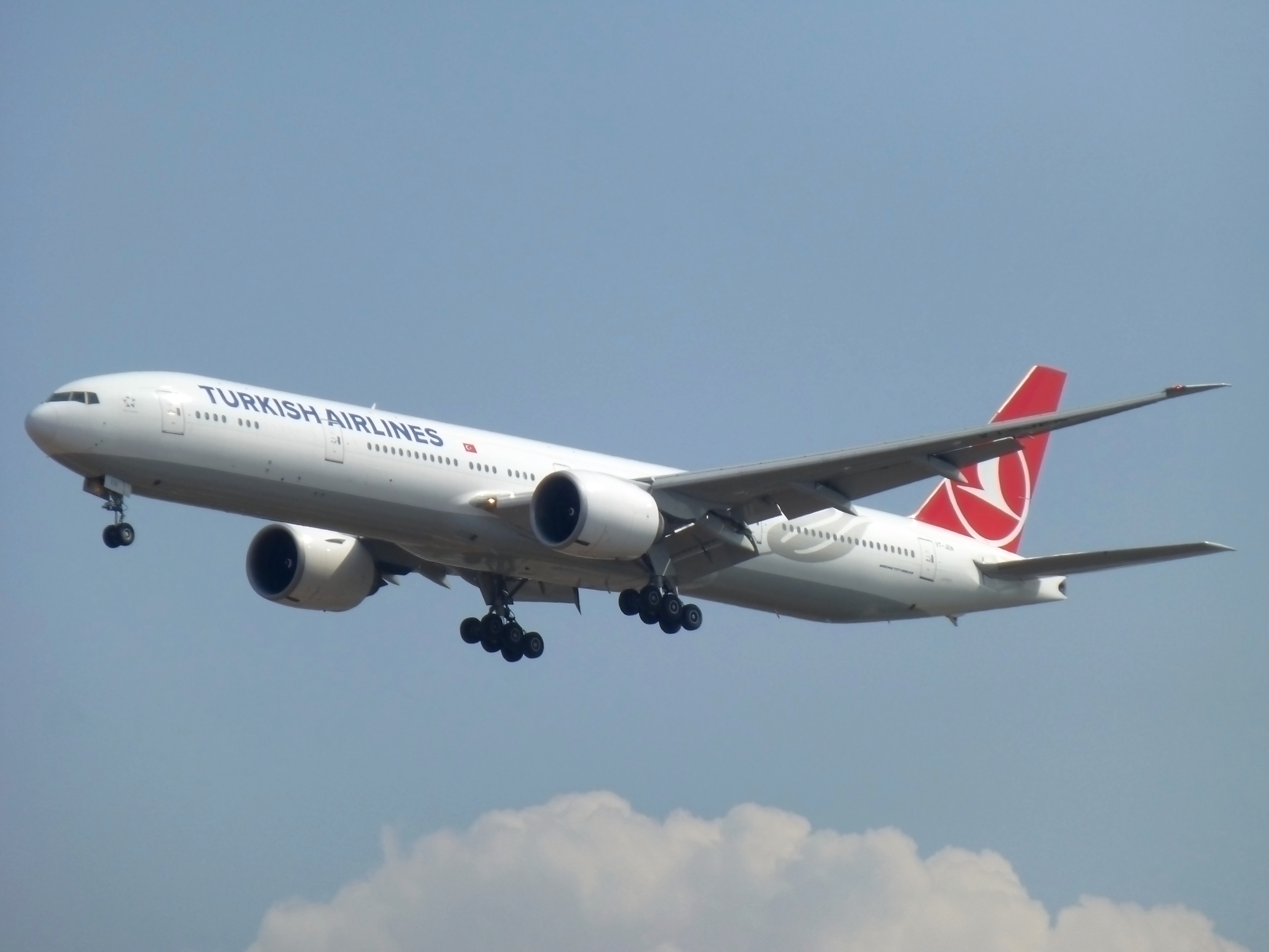

In 2013 there were ninety-eight airports in Turkey, including 22 international airports. , Istanbul Atatürk Airport is the 11th busiest airport in the world, serving 31,833,324 passengers between January and July 2014, according to Airports Council International. The new (third) international airport of Istanbul is planned to be the largest airport in the world, with a capacity to serve 150 million passengers per annum.

The state-owned utility Turkish State Railways operates the 12,740–km railway network, 23rd longest in the world. Since 2003, Turkish State Railways has also been investing in high-speed rail lines, which at 2,175 km (1,353 mi) ranked ninth longest in the world.

As of 2010, the country had a roadway network of 426,951 km, including 2,080 km of expressways and 16,784 km of divided highways.
As of 2010, the Turkish merchant marine included 1,199 ships (604 registered at home), ranking 7th in the world. Turkey's coastline has 1,200 km of navigable waterways.
In 2008, 7555 km of natural gas pipelines and 3636 km of petroleum pipelines spanned the country's territory.
Communications
Main article: Communications in Turkey
As of 2008, there were 17,502,000 operational landline telephones in Turkey, which ranked 18th in the world; while there were 65,824,000 registered mobile phones in the country, which ranked 15th in the world during the same year. The largest landline telephone operator is Türk Telekom, which also owns TTNET, the largest internet service provider in Turkey. The largest mobile phone operators in the country are Turkcell, Vodafone Turkey, Avea and TTNET Mobil.
The telecommunications liberalisation process started in 2004 after the creation of the Telecommunication Authority, and is still ongoing. Private sector companies operate in mobile telephony, long-distance telephony and Internet access. Additional digital exchanges are permitting a rapid increase in subscribers; the construction of a network of technologically advanced intercity trunk lines, using both fiber-optic cable and digital microwave radio relay, is facilitating communication between urban centres.
The remote areas of the country are reached by a domestic satellite system, while the number of subscribers to mobile-cellular telephone service is growing rapidly.
The main line international telephone service is provided by the SEA-ME-WE 3 submarine communications cable and by submarine fiber-optic cables in the Mediterranean Sea and Black Sea that link Turkey with Italy, Greece, Israel, Bulgaria, Romania, and Russia. In 2002, there were 12 Intelsat satellite earth stations; and 328 mobile satellite terminals in the Inmarsat and Eutelsat systems.
Türksat A.Ş. is the primary communications satellite operator of Turkey, controlling the Turksat series of satellites. Göktürk-1, Göktürk-2 and Göktürk-3 are Turkey's earth observation satellites for reconnaissance, operated by the Turkish Ministry of National Defense. BILSAT-1 and RASAT are the scientific observation satellites operated by the TÜBİTAK Space Technologies Research Institute, which (together with Turkish Aerospace Industries and Aselsan) also takes part in the production of Turkey's satellites.
As of 2001, there were 16 AM, 107 FM, and 6 shortwave radio stations in the country.
As of 2015, there were 42,275,017 internet users in Turkey, which ranked 15th in the world; while as of 2012, there were 7,093,000 internet hosts in the country, which ranked 16th in the world.
Tourism
Main article: Tourism in Turkey}}In 2023, Turkey was the [[World Tourism rankings
Over the years, Turkey has emerged as a popular tourist destination for many Europeans, competing with other Mediterranean countries such as Greece, Italy and Spain. Resorts in provinces such as Antalya and Muğla (which are located on the Turkish Riviera) have become very popular among tourists.
Medical tourism
Main article: Health care in Turkey
.jpg)
There are numerous private hospitals in Turkey, which has benefited from medical tourism in recent years. Health tourism generated revenues worth $1 billion in 2019 for Turkey's economy. A total of 662,087 patients were treated at Turkish hospitals in 2019 within the scope of health tourism, with around 60% of the income being obtained from plastic surgeries.
Largest companies
Main article: List of companies of Turkey
In 2024, ten publicly traded Turkish companies were listed in the Forbes Global 2000 list – an annual ranking of the top 2000 public companies in the world by Forbes magazine. The banking industry leads with four companies in the list followed by the airline, automotive and retailer with one company each. There are also three conglomerates. As of 2024, the listed public companies were:
| World Rank | Company | Industry | Revenue | |||
|---|---|---|---|---|---|---|
| (billion $) | Profits | |||||
| (billion $) | Assets | |||||
| (billion $) | Market Value | |||||
| (billion $) | ||||||
| 309 | Koç Holding | Conglomerate | 67.36 | 3.03 | 96.8 | 19.27 |
| 525 | İş Bankası | Banking | 17.6 | 3.03 | 100.05 | 11.49 |
| 539 | Turkish Airlines | Airline | 21.17 | 6.84 | 35.55 | 13.81 |
| 666 | Akbank | Banking | 14.7 | 2.57 | 64.06 | 10.15 |
| 759 | VakıfBank | Banking | 16.34 | 1.33 | 96.81 | 6.59 |
| 878 | Sabancı Holding | Conglomerate | 23.13 | 0.64 | 74.23 | 6.64 |
| 893 | Ford Otosan | Automotive Industry | 17.29 | 2.06 | 7.35 | 13.15 |
| 957 | Halkbank | Banking | 15.81 | 0.65 | 77.98 | 3.9 |
| 1384 | Anadolu Grubu | Conglomerate | 15.77 | 0.82 | 13.27 | 2.78 |
| 1446 | BIM | Retailer | 13.79 | 0.64 | 5.02 | 9.02 |
Long-term GDP forecasts
Main article: List of countries by GDP (PPP), List of countries by past and projected GDP (PPP)
The following "OECD Long Term Projections" table was published in February 2022 for the 16 largest economies by GDP using PPP exchange rates from 2030 to 2060.
| Country | 2021 | Country | 2030 | Country | 2040 | Country | 2050 | Country | 2060 |
|---|---|---|---|---|---|---|---|---|---|
| 26,656 | 36,977 | 47,306 | 54,765 | 62,140 | |||||
| 22,675 | 24,302 | 28,063 | 33,363 | 42,204 | |||||
| 10,181 | 16,603 | 25,083 | 32,119 | 36,527 | |||||
| 5,585 | 5,632 | 7,507 | 9,846 | 12,320 | |||||
| 4,743 | 5,309 | 5,908 | 6,060 | 7,068 | |||||
| 4,328 | 4,566 | 4,914 | 5,934 | 6,333 | |||||
| 3,507 | 4,233 | 4,776 | 5,362 | 5,891 | |||||
| 3,328 | 3,759 | 4,624 | 5,168 | 5,746 | |||||
| 3,231 | 3,653 | 4,492 | 4,882 | 5,407 | |||||
| 3,174 | 3,375 | 3,832 | 4,620 | 5,340 | |||||
| 2,749 | 3,267 | 3,800 | 4,249 | 4,768 | |||||
| 2,613 | 3,073 | 3,679 | 4,148 | 4,736 | |||||
| 2,610 | 2,675 | 2,866 | 2,959 | 3,366 | |||||
| 2,436 | 2,499 | 2,692 | 2,880 | 3,104 | |||||
| 2,027 | 2,094 | 2,370 | 2,698 | 3,066 | |||||
| 1,959 | 2,062 | 2,362 | 2,694 | 3,046 |
External trade and investment
As of 2016, the main trading partners of Turkey are the European Union, Russia, the United Kingdom, the UAE, Iraq, and China, many being top in both export as well as import. Turkey has taken advantage of a customs union with the EU, signed in 1995, to increase industrial production for exports, while benefiting from EU-origin foreign investment into the country. In addition to the European-Turkish Customs Union, the Turkish government has signed free-trade agreements with 22 countries.
A very large aspect of Turkey trade revolves around the automotive industry, where its top exports are cars, accounting for $13.2 billion. Other top exports from the country are gold, delivery trucks, vehicle parts and jewelry, which are respectively, $6.96 billion, $5.04 billion, $4.64 billion, and $3.39 billion. These values are calculated using the 1992 revision of the Harmonized System classification. Comparatively, it imports many of the same industries, such as, gold valued at $17.1 billion, refined petroleum at $9.8 billion, cars at $8.78 billion, vehicle parts at $6.34 billion and scrap iron at $5.84 billion.
The construction and contracting companies, such as Enka, Rönesans Holding and Tekfen, have been significant players in the country's economy. As the Turkish emissions trading system has not yet been legislated the country has no carbon price, so large exporters to the European Union will have to pay the EU Carbon Border Adjustment Mechanism from 1 January 2026.
Turkey had many improvements in the ease of doing business index. Its rank increased from 68th in 2017 to 33rd in 2020. As of 2021, it was performing better than countries like the Netherlands and Belgium.
| Year | 1975 | 1980 | 1985 | 1990 | 1995 | 2000 | 2005 | 2010 | 2015 | 2020 | 2023 |
|---|---|---|---|---|---|---|---|---|---|---|---|
| Goods exports, billion US$ | 1.5 | 2.9 | 8.3 | 13.0 | 22.0 | 30.9 | 78.5 | 121.0 | 154.9 | 168.4 | 251.0 |
| Goods imports, billion US$ | 4.5 | 7.5 | 11.2 | 22.5 | 35.1 | 52.9 | 111.4 | 177.3 | 203.9 | 206.3 | 337.3 |
| Net trade, billion US$ | −3.0 | −4.6 | −2.9 | −9.5 | −13.1 | −22.0 | −32.9 | −56.3 | −49.0 | −37.9 | −86.3 |
Natural resources
Energy
Renewable energy

Fossil fuels
Right to Clean Air Platform estimate that the lack of a legal limit on fine particulate air pollution cost the economy 10% of GDP in 2024.
Gas
Oil
Coal
Minerals

In 2019, the country was the world's 2nd largest producer of chromium; the largest producer of boron; 6th largest producer of antimony; 9th largest producer of lead; 13th largest producer of iron ore; 11th largest producer of molybdenum; 4th largest producer of gypsum; 15th largest producer of graphite; in addition to being the 11th largest producer of salt.
As a gold producer Turkey is currently ranked 22nd globally. Hosting some of the largest gold deposits on the European continent it is currently Europe's largest gold producer, producing 42 tonnes of gold in 2020. World class deposits include Kisladag Mine 17Moz and Copler 10Moz.
Environment
Almost all "post-COVID" stimulus was detrimental to the environment, with Russia being the only worse country. In the 21st century, Turkey's fossil fuel subsidies are around 0.2% of GDP, including at least US$14 billion (US$169 per person) between January 2020 and September 2021. Data on finance for fossil fuels by state-owned banks and export credit agencies is not public. As of 2023 fossil gas is subsidized more than electricity - equalizing the subsidies would benefit the environment.
Employment
The minimum wage in Turkey is ₺ 28,075 (US$ 652.41) as of January 1, 2025.
TurkStat estimated unemployment at 9.4% in 2023. The province with the highest unemployment rate was Hakkari at 23.3% and the province with the lowest unemployment rate was Sinop at 4.8%.
In 2021, trade unions complained that according to TurkStat data the unemployment rate was falling, whereas the data provided by the government's Employment Agency (İŞKUR) showed that it was rising. Environmentalists argue that some actions to improve the environment would also benefit the economy. For example, investing in wind power in Turkey and solar power in Turkey would create jobs and is competitive with fossil fuels.
Poverty
Main article: Poverty in Turkey
Turkey made steady progress in reducing poverty from the early 2000s to the mid-2010s, after which the trend levelled off. In 2022, social security expenditure stood at 12.4% of GDP according to OECD data.
Regional disparities
According to Eurostat data, Turkish GDP per capita adjusted by purchasing power standards stood at 64 percent of the EU average in 2018. Istanbul has the largest GDP, while Kocaeli comes first in GDP per capita.
The country's wealth is mainly concentrated in the northwest and west, while the east and southeast suffer from poverty, lower economic production and higher levels of unemployment. However, in line with the rapid growth of Turkey's GDP during the first two decades of the 21st century (with brief periods of stagnation and recession), parts of Anatolia began reaching a higher economic standard. These cities are known as the Anatolian Tigers.
Richest and poorest NUTS-2 regions (GDP PPP 2022)
| Region | GDP per capita 2022 | in euros | As % of EU-28 average | Turkey |
|---|---|---|---|---|
| 23,800 | 67% | |||
| Richest | Istanbul | 38,700 | 109% | |
| Kocaeli | 31,500 | 89% | ||
| Ankara | 31,100 | 88% | ||
| Tekirdağ | 29,700 | 84% | ||
| Izmir | 29,500 | 83% | ||
| Bursa | 25,700 | 73% | ||
| Antalya | 23,900 | 68% | ||
| Balıkesir | 21,600 | 61% | ||
| Aydın | 20,900 | 59% | ||
| Manisa | 20,000 | 56% | ||
| Adana | 20,000 | 56% | ||
| Konya | 19,100 | 54% | ||
| Zonguldak | 18,700 | 53% | ||
| Kırıkkale | 17,700 | 50% | ||
| Kayseri | 17,500 | 49% | ||
| Gaziantep | 17,400 | 49% | ||
| Kastamonu | 16,700 | 47% | ||
| Hatay | 15,700 | 44% | ||
| Samsun | 14,000 | 39% | ||
| Erzurum | 13,900 | 39% | ||
| Trabzon | 13,200 | 37% | ||
| Malatya | 12,900 | 37% | ||
| Mardin | 12,200 | 34% | ||
| Ağrı | 9,800 | 28% | ||
| Şanlıurfa | 9,100 | 26% | ||
| Poorest | Van | 8,600 | 24% |
Source: Eurostat – ESA
Richest and poorest NUTS-1 regions (GDP PPP 2022)
| Region | GDP per capita 2022 | in euros | As % of EU-28 average | Turkey |
|---|---|---|---|---|
| 23,800 | 67% | |||
| Richest | Istanbul | 38,700 | 109% | |
| East Marmara | 28,600 | 81% | ||
| West Anatolia | 27,400 | 77% | ||
| West Marmara | 25,800 | 73% | ||
| Aegean | 24,200 | 68% | ||
| Mediterranean | 19,900 | 56% | ||
| Central Anatolia | 17,600 | 50% | ||
| West Black Sea | 15,500 | 44% | ||
| East Black Sea | 13,200 | 37% | ||
| Southeast Anatolia | 12,500 | 35% | ||
| Northeast Anatolia | 11,800 | 33% | ||
| Poorest | Central East Anatolia | 10,500 | 30% |
Source: Eurostat – ESA
Notes
References
References
- (2024-02-06). "The Results of Address Based Population Registration System, 2023". [[Turkish Statistical Institute]].
- "Turkey (Turkiye)". [[Central Intelligence Agency]].
- "World Economic Outlook Database Groups and Aggregates Information April 2024". [[International Monetary Fund]].
- N. Gregory Mankiw. (2007). "Principles of Economics". Cengage Learning.
- {{Cite CIA World Factbook
- (2009). "A Dictionary of Economics". Oxford University Press.
- (6 February 2024). "The Results of Address Based Population Registration System, 2024". [[Turkish Statistical Institute]].
- (22 April 2025). "World Economic Outlook Database, April 2025 Edition. (Türkiye)". [[International Monetary Fund]].
- (31 August 2023). "Annual Gross Domestic Product, 2022".
- "Consumer Prices".
- (8 May 2023). "Poverty and Living Conditions Statistics, 2022".
- "Persons at risk of poverty or social exclusion by age and sex". [[Eurostat]].
- "Employment rate by sex, age group 20-64". [[Eurostat]].
- (17 November 2023). "Labour Force Statistics, Quarter III: July-September, 2023".
- [https://www.oecd.org/content/dam/oecd/en/publications/reports/2025/04/taxing-wages-2025_20d1a01d/b3a95829-en.pdf#page176 Taxing Wages 2024: Tax and Gender through the Lens of the Second Earner. READ online.]
- [https://www.oecd.org/en/publications/taxing-wages-2025_b3a95829-en.html Taxing Wages 2024: Tax and Gender through the Lens of the Second Earner. OECD iLibrary.]
- "İşgücü İstatistikleri, Ekim 2023". [[Turkish Statistical Institute]].
- "Gini coefficient of equivalised disposable income – EU-SILC survey". [[Eurostat]].
- (6 May 2025). "Human Development Report 2025". [[United Nations Development Programme]].
- "Exports in 2024".
- "Turkey (TUR) Exports, Imports, and Trade Partners | OEC".
- "Monthly Foreign Trade Statistics Tables - December2025". [[Turkish Statistical Institute]].
- "Exports in 2024".
- "Imports Products of Turkey". [[CIA World Factbook]].
- "Maxinomics". Maxinomics.
- "External Debt | Economic Indicators | CEIC".
- "Public Finance".
- "Info".
- "Sovereigns rating list". Standard & Poor's.
- "Turkiye, Government of". Moody's.
- "Turkiye". Fitch.
- (6 December 2024). "Scope upgrades Türkiye's long-term ratings to BB- and revises the Outlooks to Stable".
- (2018). "Turkish Emergency Humanitarian Assistance". mfa.gov.tr.
- (15 August 2017). "Turkey ranks second in the world for humanitarian aid, named most generous donor". [[Daily Sabah]].
- "Chronology of Turkey-EU relations". Turkish Secretariat of European Union Affairs.
- (15 October 2006). "Interview with European Commission President Jose Manuel Barroso on BBC Sunday AM". [[European Commission]].
- "Political and economic situation".
- Tekingunduz, Alican. "Türkiye's GDP projected to hit $1.3T by end of 2024 — Vice President Yilmaz".
- "Turkey : Customs Unions and preferential arrangements - European Commission".
- "Tourism on Track for Full Recovery as New Data Shows Strong Start to 2023".
- "Türkiye's Travel & Tourism Sector Reached Record-Breaking New Heights Last Year".
- (2024-08-05). "Amadeus R&D Center Inaugurated in Istanbul".
- "ECI Rankings (HS96)".
- "Overview".
- "Turkey, 2002-2024". IMF World Economic Outlook Database, October 2023.
- "GDP, current prices: Billions of U.S. dollars".
- (6 July 2023). "Erdoganomics is spreading across the world". [[The Economist]].
- Sinan Tavsan. (5 June 2023). "Turkey's new cabinet hints at less unorthodox Erdoganomics".
- (3 November 2022). "Annual inflation in Turkey reaches record 25-year high of 85.5%". [[Euronews]].
- (2020-12-24). "Temiz Hava Hakkı #temizhavahaktır".
- "Report for Selected Countries and Subjects".
- "Report for Selected Countries and Subjects".
- "Industry Breakdown of Companies in Turkey".
- Macguire, Gavin. (6 February 2025). "Turkey's growing power pollution a sign of things to come".
- Michael Kuser. "The Unknown TV Giant". Bloomberg Businessweek.
- Boulden, Jim. (2005-01-17). "Turkey switches on to TV market". [[CNN]].
- (2005-08-19). "Europe's No. 3 TV Manufacturer, a Private Company: PROFILO-TELRA". BNET.
- "[http://www.itkib.org.tr/en_new/reports/clothing_2006_annual_report.pdf The Export Performance of the Turkish Clothing Industry in 2006] {{webarchive. link. (2007-11-28 ," ITKIB)
- "Türkiye Otomotiv Sanayi 2022".
- "2021 Statistics {{!}} www.oica.net".
- Unveren, Burak. (30 October 2022). "Turkey launches TOGG car, Erdogan's prestige project".
- Dan Mihalascu. (4 November 2022). "Turkey's National Carmaker Togg Starts Production Of 2023 C SUV EV".
- "TOGG Official Website". togg.com.tr.
- Jay Ramey. (30 December 2019). "Turkey Bets on EVs with the Pininfarina-Designed TOGG". autoweek.com.
- (30 October 2022). "'A game changer': Türkiye inaugurates its first national car plant". [[TRT World]].
- "Otomotiv İhracatı 2008'de 22 Milyar 944 Milyon Dolara Ulaştı". Haberler.
- 29.08.2011 Pazartesi 15:58. "2008'de otomotiv ihracatı rekor kırdı". bankakredimnet.
- "TOGG Official Website". togg.com.tr.
- Sano, Akihito. (15 February 2017). "Turkish auto exports hit 1m for first time in 2016".
- "Turkish auto exports hit 1m for first time in 2016".
- Joseph Trevithick. (10 January 2023). "Unique Sensor Setup Emerges On Turkey's Stealthy New Fighter".
- Joseph Trevithick. (17 March 2023). "Our First Full Look At Turkey's New TF-X Stealthy Fighter".
- Clément Charpentreau. (21 February 2024). "Turkey's KAAN fifth-gen fighter jet conducts first test flight". Aerotime.
- Tony Osborne. (7 May 2024). "Turkish Kaan Fighter Jet Makes Much-Anticipated Second Flight". Aviation Week.
- (29 December 2023). "Turkey's ANKA III Fighter Drone Makes Debut Flight". Bloomberg Television.
- (29 December 2023). "Turkish Stealth Drone Makes Debut Flight After Years of Secrecy". [[Bloomberg News.
- Trevithick, Joseph. (2024-11-19). "TB3 Operates From Turkey's 'Drone Carrier' Amphibious Assault Ship For The First Time".
- (26 November 2024). "Bayraktar TB3 UAV successfully continues ship tests". Baykar Technology.
- (26 November 2024). "Bayraktar TB3 PT-2 59th Test". Baykar Technology.
- Emma Helfrich. (11 April 2023). "Turkey's 'Drone Carrier' Amphibious Assault Ship Enters Service".
- Tayfun Özberk. (1 May 2022). "Here Is How UAVs Will Be Recovered Aboard TCG Anadolu". Naval News.
- (30 April 2023). "Flight of the Baykar MIUS Kızılelma UCAV at Teknofest 2023". Savunma Sanayii.
- (5 June 2023). "Bayraktar Kızılelma's Formation Flights – A First in Aviation History". Baykar Technologies.
- Tayfun Ozberk. (2 January 2025). "Turkish Navy starts construction of 3 major projects: MUGEM Aircraft Carrier, TF-2000 Destroyer, MILDEN Submarine". Naval News.
- "Savunma Sanayi İhracat Artışı, Türkiye Ortalamasının Dört Katından Fazla Oldu". Milliyet.
- (11 May 2007). "Turkey signs $1.78 bln deal to buy warplanes". Reuters.
- "Turkey signs contract to buy 30 F-16 block 50+ jets". F-16.net.
- "İstatıstıkler".
- Turkish Steel Producers Association. "Turkish Steel Producers Association". dcud.org.tr.
- Gözlem Gazetesi. "Gözlem Gazetesi". gozlemgazetesi.com.
- Frank-Jürgen Richter. (20 September 2023). "Developing an Innovation-Oriented Society". [[Horasis]].
- "Who We Are? – The Scientific and Technological Research Council of Turkey". tubitak.gov.tr.
- "Türkiye Bilimler Akademisi". tuba.gov.tr.
- "Turkish Atomic Energy Authority – Mission of TAEK".
- "Space Launch System Project". Undersecretariat for Defence Industries.
- Bekdil, Burak Ege. (2013-07-28). "Turkey's Sat-Launcher Plans Raise Concerns". [[Defense News]].
- Bekdil, Burak Ege. (2013-12-12). "Turkey Spends Big on Innovation". [[Defense News]].
- (26 August 2016). "Turkish contractors rank second in world for ninth straight year".
- (2016-08-24). "The Top 250 International Contractors". Enr.construction.com.
- "Turkish International Contracting Services, 1972-2022". Turkish Contractors Association.
- (26 February 2019). "Turkish cities could become 'graveyards' with building amnesty". Reuters.
- (2024-02-05). "Turkey-Syria earthquakes: deficiencies in building structures and construction shortcuts were main cause of casualties {{!}} University of Cambridge".
- Tuba Ongun. (17 April 2023). "Istanbul Finance Center opens with inauguration of banking section". [[Anadolu Agency]].
- "Istanbul Financial Center: Properties".
- "Ottoman Bank Museum: History of the Ottoman Bank". Obarsiv.com.
- "Ottoman Bank Museum". Ottoman Bank Museum.
- "Istanbul Stock Exchange: History of the Istanbul Stock Exchange". Imkb.gov.tr.
- "Istanbul Stock Exchange: "İMKB'nin Kuruluşundan İtibaren Önemli Gelişmeler" (Timeline of important events since 1985)". Imkb.gov.tr.
- (2004-12-31). "Turkey knocks six zeros off lira". [[BBC]].
- link. (5 October 2011)
- "Leading banks in Turkey by total assets, 2020".
- "Banking System in Turkey".
- (14 October 2021). "The Fate of Turkey's Battered Lira Hangs With Local Investors". Bloomberg.
- (14 October 2021). "Turkish lira falls out of favour with local investors again". Al Jazeera.
- "International Reserves and Foreign Currency Liquidity - October 2024". Central Bank of the Republic of Turkey.
- (12 July 2012). "Turkish Airlines is named the Best Airline in Europe at the 2012 World Airline Awards held at Farnborough Air Show". [[Skytrax]].
- (17 June 2015). "Turkish Airlines named best airline in Europe for fifth year in a row – BUSINESS".
- "Turkish Airlines: International Flight Destinations". Turkish Airlines.
- "CIA World Factbook: Turkey".
- "Study in Turkey: International Airports in Turkey".
- (2014-09-25). "Year to date Passenger Traffic". ACI.
- (2013-01-24). "It will be the biggest airport of the world".
- (14 August 2014). "Istanbul's New Erdoğan-Backed Airport to Be Named After... Erdoğan".
- Gianluca Mezzofiore. (14 August 2014). "Erdogan Airport: Istanbul's Super Hub 'to be Named After Turkey's President-Elect'". International Business Times UK.
- Tim Gibson. (11 May 2022). "Turkey Has Built the World's Longest Suspension Bridge". The B1M.
- (11 May 2022). "Why Turkey Built the World's Longest Suspension Bridge". The B1M.
- (2017-03-17). "Groundbreaking ceremony for bridge over Dardanelles to take place on March 18". [[Hürriyet Daily News]].
- (2018). "Historical Dictionary of Turkey".
- "Karayolları Genel Müdürlüğü". kgm.gov.tr.
- "CIA World Factbook: Turkey". Cia.gov.
- "Tourism on Track for Full Recovery as New Data Shows Strong Start to 2023".
- "Global and regional tourism performance".
- (2019). "UNWTO Tourism Highlights: 2019 Edition {{!}} World Tourism Organization".
- Eva Sandoval. (4 December 2024). "A Turkish film and TV star's guide to Antalya, Turkey". [[BBC]].
- (2020-08-20). "Health tourism earns above $1B to Turkey in 2019, under spotlight with COVID-19". Daily Sabah.
- (6 June 2024). "The Global 2000".
- "Economic Outlook No 109 – February 2022 – Long-term baseline projections".
- (2006-11-30). "Foreign Trade Statistics as of October 2012". [[Turkish Statistical Institute]].
- Bartolomiej Kaminski. (2006-05-01). "Turkey's evolving trade integration into Pan-European markets". World Bank.
- "T.C. Ticaret Bakanlığı".
- "OEC – Turkey (TUR) Exports, Imports, and Trade Partners".
- Watch, Corporate. (2021-04-29). "ENKA: key facts about the Turkish megacorp behind the Rioni Valley dams".
- Ekonomim. (2025-05-27). "AB'den yeni karar: Firmaların yüzde 90'ı karbon vergisinden muaf olacak".
- "World Bank Group to Discontinue Doing Business Report".
- Zumbrun, Josh. (2021-09-16). "World Bank Cancels Flagship 'Doing Business' Report After Investigation". The Wall Street Journal.
- (15 September 2021). "Investigation of Data Irregularities in Doing Business 2018 and Doing Business 2020".
- "Goods exports (BoP, current US$) - Turkey".
- "Goods imports (BoP, current US$) - Turkey".
- "Net trade in goods (BoP, current US$) - Turkey".
- (2020-12-24). "Temiz Hava Hakkı #temizhavahaktır".
- "USGS Chromium Production Statistics".
- "USGS Boron Production Statistics".
- "USGS Antimony Production Statistics".
- "USGS Lead Production Statistics".
- "USGS Iron Ore Production Statistics".
- "USGS Molybdenum Production Statistics".
- "USGS Gypsum Production Statistics".
- "USGS Graphite Production Statistics".
- "USGS Salt Production Statistics".
- "Gold Mining Industry {{!}} Turkish Gold Miners Association".
- (July 2021). "Greenness of Stimulus Index – 6th Edition". F4B.
- (2018). "Fossil fuel subsidies as a lose-lose: Fiscal and environmental burdens in Turkey". New Perspectives on Turkey.
- (2021-07-20). "Climate Policy Factbook". BloombergNEF.
- "Turkey".
- (2021-07-20). "Climate Policy Factbook". BloombergNEF.
- (August 2023). "Executive Summary: Electrification of Türkiye's Residential and Industrial Process Heat". SHURA Energy Transition Center.
- "Ce qui change en Turquie au 1ᵉʳ janvier 2025 : salaires, taxes et nouvelles règles".
- Khandelwal, Manish. (2024-12-25). "Turkey Sets New Minimum Wage for 2025: What It Means for Foreign Workers".
- "TÜİK Kurumsal".
- "Unemployment rises according to Employment Agency, TurkStat says the opposite".
- (2020-07-27). "Turkey's 11th Development Plan Needs to be Updated to Ensure a Green Recovery for Sectors Affected by COVID-19".
- (April 2023). "Poverty & Equity Brief". The World Bank.
- "Turkey TR: Poverty Headcount Ratio at National Poverty Lines: % of Population {{!}} Economic Indicators {{!}} CEIC".
- "Social Expenditure – Aggregated data". [[Organisation for Economic Co-operation and Development]].
- "GDP per capita in PPS". Eurostat.
- "TÜİK - Coğrafi İstatistik Portalı".
- Peet, John. (21 October 2010). "Anchors aweigh". [[The Economist]].
- (12 December 2015). "Anatolian Tigers and the Emergence of the Devout Bourgeoisie in Turkey".
- https://ec.europa.eu/eurostat/databrowser/view/tgs00005/default/table?lang=en&category=t_na10.t_nama10.t_nama_10reg
- https://ec.europa.eu/eurostat/databrowser/view/tgs00006/default/table?lang=en&category=t_na10.t_nama10.t_nama_10reg
This article was imported from Wikipedia and is available under the Creative Commons Attribution-ShareAlike 4.0 License. Content has been adapted to SurfDoc format. Original contributors can be found on the article history page.
Ask Mako anything about Economy of Turkey — get instant answers, deeper analysis, and related topics.
Research with MakoFree with your Surf account
Create a free account to save articles, ask Mako questions, and organize your research.
Sign up freeThis content may have been generated or modified by AI. CloudSurf Software LLC is not responsible for the accuracy, completeness, or reliability of AI-generated content. Always verify important information from primary sources.
Report