From Surf Wiki (app.surf) — the open knowledge base
Ebony
Type of dense black/brown hardwood
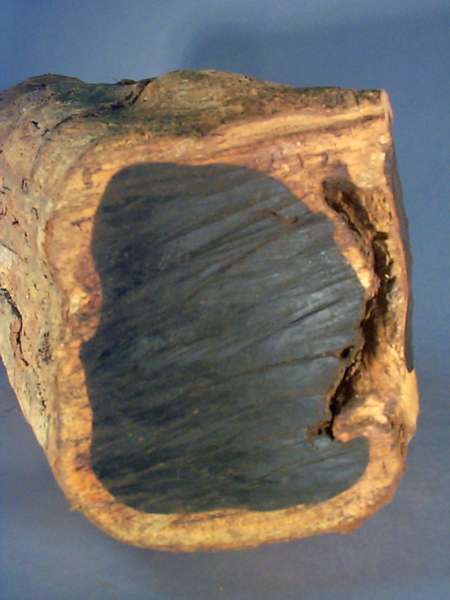
Type of dense black/brown hardwood
Ebony is a dense black/brown hardwood, coming from several species in the genus Diospyros, which also includes the persimmon tree. A few Diospyros species, such as macassar and mun ebony, are dense enough to sink in water. Ebony is finely textured and has a mirror finish when polished, making it valuable as an ornamental wood. It is often cited as one of the most expensive woods in the world.
Etymology
The word ebony comes from the Ancient Egyptian egy, through the Ancient Greek ἔβενος (grc), into Latin (ebenus) and Middle English.
Species
Species of ebony include Diospyros ebenum (Ceylon ebony), native to southern India and Sri Lanka; D. crassiflora (Gabon ebony), native to western Africa; Diospyros blancoi (Philippine ebony, also known as kamagong); D. humilis (Queensland ebony), native to Queensland, the Northern Territory, New Guinea and Timor; and D. celebica (Sulawesi ebony), native to Indonesia and prized for its luxuriant, multi-colored wood grain. Mauritius ebony, D. tessellaria, was largely exploited by the Dutch in the 17th century. Some species in the genus yield an ebony with similar physical properties, but striped rather than the even black of D. ebenum.
Uses
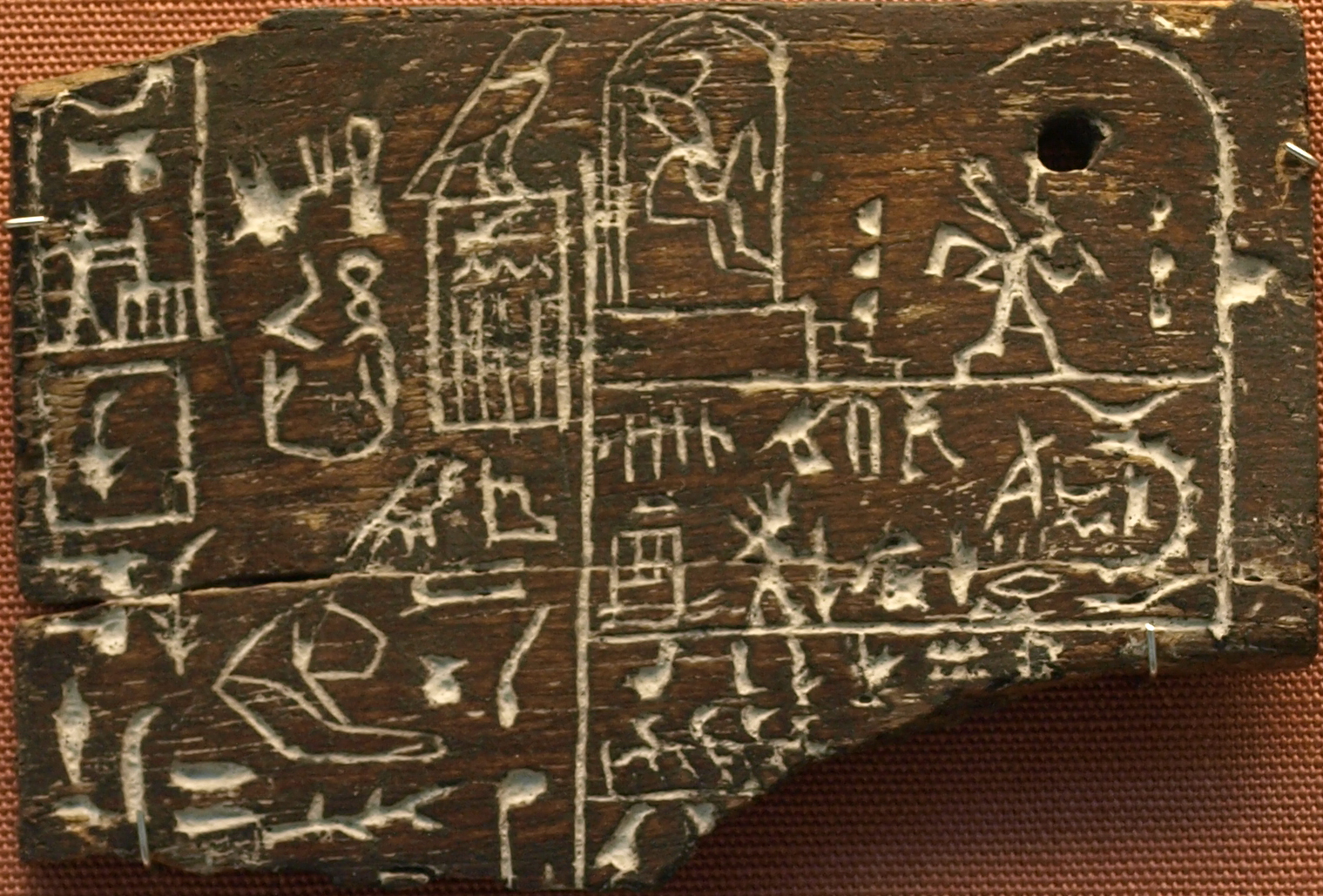
Ebony has a long history of use, and carved pieces have been found in Ancient Egyptian tombs.
By the end of the 16th century, fine cabinets for the luxury trade were made of ebony in Antwerp. The wood's dense hardness lent itself to refined moldings framing finely detailed pictorial panels with carving in very low relief (bas-relief), usually of allegorical subjects, or with scenes taken from classical or Christian history. Within a short time, such cabinets were also being made in Paris, where their makers became known as ébénistes, which remains the French term for a cabinetmaker.

Modern uses are largely restricted to small items, such as crucifixes, the main body of some musical instruments such as the clarinet, oboe, or piccolo and musical instrument parts, including black piano, organ, and harpsichord keys; violin, viola, mandolin, guitar, double bass, and cello fingerboards; tailpieces; tuning pegs; chinrests; and bow frogs. Many plectrums, or guitar picks, are made from ebony.
Traditionally, black chess pieces were made from ebony, with boxwood or ivory being used for the white pieces. Modern East Midlands-style lace-making bobbins, also being small, are often made of ebony and look particularly decorative when bound with brass or silver wire. Some expensive handgun grips and rifle fore-end tips are still made of ebony, as are the butts of pool cues.
As a result of unsustainable harvesting, many species yielding ebony are now considered threatened. Most indigenous ebony in Africa in particular has been cut down illegally.
Ebony is often cited as one of the most expensive woods in the world, along with African blackwood, sandalwood, pink ivory and agarwood.
Protection
In 2011, the Gibson Guitar company was raided by the US Fish and Wildlife Service for violations of the Lacey Act of 1900, which prohibits the illegal importation of threatened woods and other materials.
An ebony and rosewood expert at the Missouri Botanical Garden calls the Madagascar wood trade the "equivalent of Africa's blood diamonds".
Gallery
File:Bellpianokeyboarddetail&maker'sname.JPG|Ebony and ivory keys in a piano keyboard File:Sculpture ebene.jpg|alt=sculpture File:Early or mid 20th century ebony clothes brush, made in Japan.JPG|Japanese clothes brush File:Chess set 4o06.jpg|Chess set File:Kamagong (Ironwood) Chair.jpg|Kamagong (ebony) chair File:EbonyWhiteOak.JPG|Planks of wood including Gabon ebony File:Violinfingerboard.JPG|Violin fingerboard and tuning pegs File:1974 Gibson Les Paul Custom.JPG|A Gibson Les Paul Custom guitar with an ebony fretboard File:Taar Persian musical instrument head.jpg|A Persian tar head with ebony
References
References
- "Gaboon Ebony". The Wood Database.
- (2009). "Etymological Dictionary of Greek". Brill.
- D.M., Dixon. (19 February 1961). "The ebony trade of ancient Egypt.".
- (18 November 2016). "Top 10 Most Expensive Woods in the World".
- (22 July 2020). "11 Most Expensive Woods in the World".
- Fanelli, Damian. (2012-08-07). "Gibson Agrees to Pay $350,000 in Penalties, Loses Seized Imported Ebony".
- Felten, Eric. (August 26, 2011). "Guitar Frets: Environmental Enforcement Leaves Musicians in Fear".
This article was imported from Wikipedia and is available under the Creative Commons Attribution-ShareAlike 4.0 License. Content has been adapted to SurfDoc format. Original contributors can be found on the article history page.
Ask Mako anything about Ebony — get instant answers, deeper analysis, and related topics.
Research with MakoFree with your Surf account
Create a free account to save articles, ask Mako questions, and organize your research.
Sign up freeThis content may have been generated or modified by AI. CloudSurf Software LLC is not responsible for the accuracy, completeness, or reliability of AI-generated content. Always verify important information from primary sources.
Report