From Surf Wiki (app.surf) — the open knowledge base
Dysautonomia
Any disease or malfunction of the autonomic nervous system

Any disease or malfunction of the autonomic nervous system
| Field | Value |
|---|---|
| name | Dysautonomia |
| synonyms | Autonomic failure, Autonomic dysfunction |
| image | The Autonomic Nervous System.png |
| caption | The autonomic nervous system |
| field | Neurology |
| symptoms | Anhidrosis or hyperhidrosis, blurry vision, tunnel vision, orthostatic hypotension, constipation, diarrhea, dysphagia, bowel incontinence, urinary retention or urinary incontinence, dizziness, brain fog, exercise intolerance, tachycardia, vertigo, weakness and pruritus. |
| causes | Inadequacy of sympathetic, or parasympathetic, components of autonomic nervous system |
| risks | Alcoholism and diabetes |
| diagnosis | Ambulatory blood pressure, as well as EKG monitoring |
| treatment | Symptomatic and supportive |
| |
Dysautonomia, autonomic failure, or autonomic dysfunction is a condition in which the autonomic nervous system (ANS) does not work properly. This condition may affect the functioning of the heart, bladder, intestines, sweat glands, pupils, and blood vessels. Dysautonomia has many causes, not all of which may be classified as neuropathic. autoimmune autonomic ganglionopathy and autonomic neuropathy, HIV/AIDS, mitochondrial cytopathy, pure autonomic failure, autism, and postural orthostatic tachycardia syndrome.
Diagnosis is made by functional testing of the ANS, focusing on the affected organ system. Investigations may be performed to identify underlying disease processes that may have led to the development of symptoms or autonomic neuropathy. Symptomatic treatment is available for many symptoms associated with dysautonomia, and some disease processes can be directly treated. Depending on the severity of the dysfunction, dysautonomia can range from being nearly symptomless and transient to disabling and/or life-threatening.
Signs and symptoms
Dysautonomia, a complex set of conditions characterized by autonomic nervous system (ANS) dysfunction, manifests clinically with a diverse array of symptoms of which postural orthostatic tachycardia syndrome (POTS) stands out as the most common.
The symptoms of dysautonomia, which are numerous and vary widely for each person, are due to inefficient or unbalanced efferent signals sent via both systems. Symptoms in people with dysautonomia include:
- Anhydrosis or hyperhidrosis
- Blurry or double vision
- Bowel incontinence
- Brain fog
- Constipation
- Dizziness
- Difficulty swallowing
- Exercise intolerance
- Low blood pressure
- Orthostatic hypotension
- Sleep apnea
- Syncope
- Tachycardia
- Tunnel vision
- Urinary incontinence or urinary retention
Causes
Dysautonomia may be due to inherited or degenerative neurologic diseases (primary dysautonomia) Its most common causes include:
- Alcoholism
- Amyloidosis
- Autoimmune disease, such as Sjögren's syndrome or systemic lupus erythematosus (lupus), and autoimmune autonomic ganglionopathy
- Craniocervical instability
- Diabetes
- Eaton-Lambert syndrome
- Ehlers-Danlos syndrome
- Guillain-Barré syndrome
- HIV and AIDS
- Long COVID
- Multiple sclerosis, meningitis-retention syndrome
- Paraneoplastic syndrome
- Spinal cord injury
- Synucleinopathy, a group of neurodegenerative diseases including pure autonomic failure, Parkinson's disease, dementia with Lewy bodies and multiple system atrophy
- Surgery or injury involving the nerves
- Toxicity (vincristine)}}
In the sympathetic nervous system (SNS), predominant dysautonomia is common along with fibromyalgia, chronic fatigue syndrome, irritable bowel syndrome, and interstitial cystitis, raising the possibility that such dysautonomia could be their common clustering underlying pathogenesis.
In addition to sometimes being a symptom of dysautonomia, anxiety can sometimes physically manifest symptoms resembling autonomic dysfunction. A thorough investigation ruling out physiological causes is crucial, but in cases where relevant tests are performed and no causes are found or symptoms do not match any known disorders, a primary anxiety disorder is possible but should not be presumed. For such patients, the anxiety sensitivity index may have better predictivity for anxiety disorders while the Beck Anxiety Inventory may misleadingly suggest anxiety for patients with dysautonomia.
Mitochondrial cytopathies can have autonomic dysfunction manifesting as orthostatic intolerance, sleep-related hypoventilation, and arrhythmias.
Mechanism
The autonomic nervous system is a component of the peripheral nervous system and comprises two branches: the sympathetic nervous system (SNS) and the parasympathetic nervous system (PSNS). The SNS controls the more active responses, such as increasing heart rate and blood pressure. The PSNS, for example, slows down the heart rate and aids digestion. Symptoms typically arise from abnormal responses of either the sympathetic or parasympathetic systems based on situation or environment.
Diagnosis
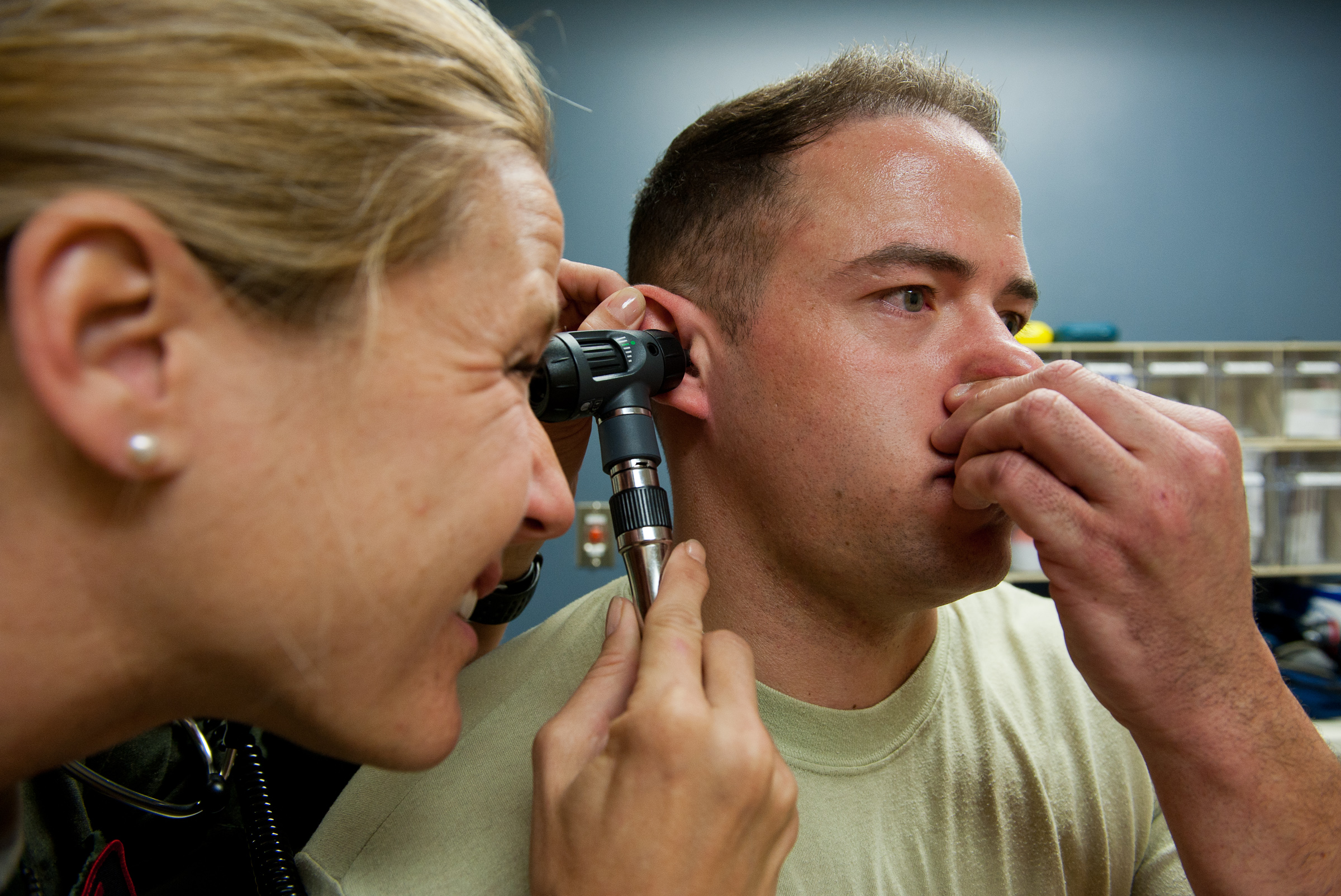
Diagnosis of dysautonomia depends on the overall function of three autonomic functions—cardiovagal, adrenergic, and sudomotor. A diagnosis should, at a minimum, include measurements of blood pressure and heart rate while lying flat and after at least three minutes of standing. The best way to make a diagnosis includes a range of testing, notably an autonomic reflex screen, tilt table test, and testing of the sudomotor response (ESC, QSART or thermoregulatory sweat test).
Additional tests and examinations to diagnose dysautonomia include:
- Ambulatory blood pressure and EKG monitoring
- Cold pressor test
- Deep breathing
- Electrochemical skin conductance
- Hyperventilation test
- Nerve biopsy for small fiber neuropathy
- Quantitative sudomotor axon reflex test (QSART)
- Testing for orthostatic intolerance
- Thermoregulatory sweat test
- Tilt table test
- Valsalva maneuver
Tests to elucidate the cause of dysautonomia can include:
- Evaluation for acute (intermittent) porphyria
- Evaluation of brain and spinal magnetic resonance imaging for myelopathy, stroke and multiple system atrophy
- Evaluation of cerebrospinal fluid by lumbar puncture for infectious/ inflammatory diseases
- Evaluation of MIBG myocardial scintigraphy and DaT scan for Parkinson's disease, dementia with Lewy bodies and pure autonomic failure
- Evaluation of nerve conduction study for autonomic neuropathy
Vegetative-vascular dystonia and Da Costa's syndrome
Particularly in the Soviet and post-Soviet medical literature, a subtype of dysautonomia that particularly affects the vascular system has been called vegetative-vascular dystonia. The term "vegetative" reflects an older name for the autonomic nervous system: the vegetative nervous system. While rooted in earlier concepts of neurasthenia, the diagnosis was crystallized by ’s 'neurogenic theory' to describe a functional precursor to essential hypertension: a stress-induced autonomic dysregulation that Soviet physicians observed en masse amidst the devastation of the war of annihilation on the Eastern Front.
Despite official recognition by the medical institutions in the USSR and some other Warsaw-pact countries (and their successor countries), it has also been described as a form of culture-bound syndrome.
A similar form of this disorder has been historically noticed in various wars, including the Crimean War and American Civil War, and among British troops who colonized India. This disorder was called "irritable heart syndrome" (Da Costa's syndrome) in 1871 by American physician Jacob DaCosta.
Management
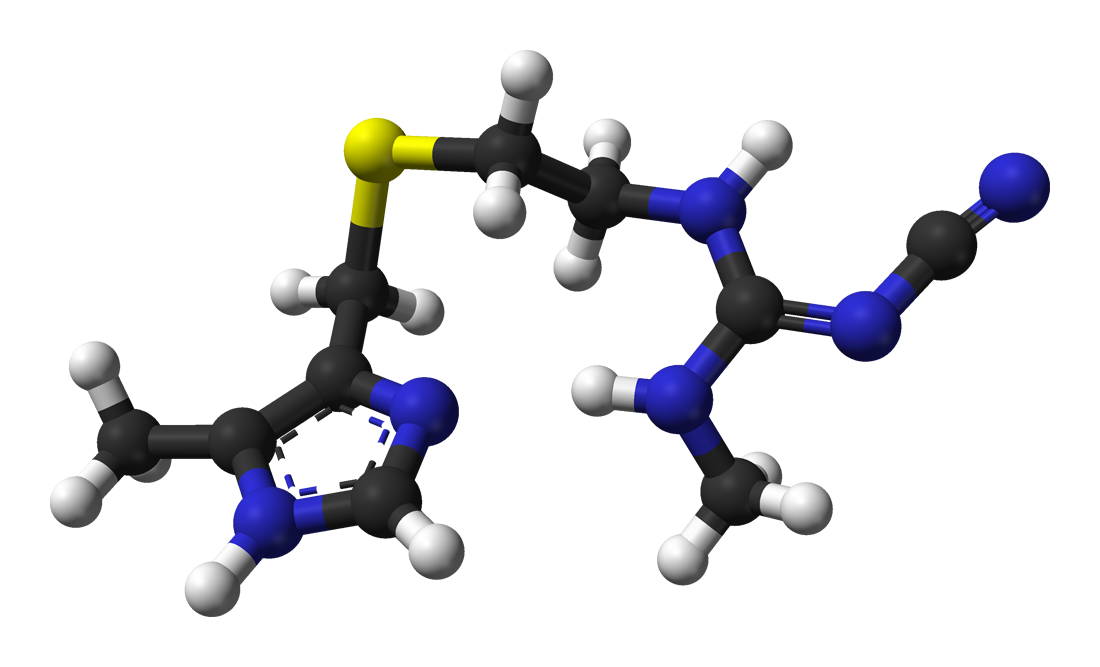
Treatment of dysautonomia can be difficult; since it is made up of many different symptoms, a combination of drug therapies is often required to manage individual symptomatic complaints. In the case of autoimmune neuropathy, treatment with immunomodulatory therapies is done. If diabetes mellitus is the cause, control of blood glucose is important.
To treat genitourinary autonomic neuropathy, medications may include sildenafil (a guanine monophosphate type-5 phosphodiesterase inhibitor). To treat hyperhidrosis, anticholinergic agents such as trihexyphenidyl or scopolamine can be used. Intracutaneous injection of botulinum toxin type A can also be used in some cases.
Transvascular autonomic modulation, a procedure similar to balloon angioplasty, is not approved in the United States to treat autonomic dysfunction.
Prognosis
The prognosis of dysautonomia depends on several factors; people with chronic, progressive, generalized dysautonomia in the setting of central nervous system degeneration such as Parkinson's disease or multiple system atrophy generally have poorer long-term prognoses. Dysautonomia can be fatal due to pneumonia, acute respiratory failure, or sudden cardiopulmonary arrest. Autonomic dysfunction symptoms such as orthostatic hypotension, gastroparesis, and gustatory sweating are more frequently identified in mortalities.
References
References
- "Dysautonomia {{!}} Autonomic Nervous System Disorders {{!}} MedlinePlus".
- "Dysautonomia Information Page {{!}} National Institute of Neurological Disorders and Stroke".
- (October 2014). "Neurological manifestations of Ehlers-Danlos syndrome(s): A review". Iranian Journal of Neurology.
- (February 2020). "Ganglionic Acetylcholine Receptor Antibodies and Autonomic Dysfunction in Autoimmune Rheumatic Diseases". Int J Mol Sci.
- (August 2016). "A meta-analysis of HIV and heart rate variability in the era of antiretroviral therapy". Clin Auton Res.
- (October 2010). "Autonomic dysfunction presenting as orthostatic intolerance in patients suffering from mitochondrial cytopathy". Clinical Cardiology.
- (June 2009). "Efficacy of immunotherapy in seropositive and seronegative putative autoimmune autonomic ganglionopathy". Neurology.
- (June 2024). "Autonomic Dysfunction from Diagnosis to Treatment". Prim Care.
- "Autonomic Neuropathy Clinical Presentation: History, Physical, Causes".
- (2020). "Alcoholism mimicking multiple system atrophy: a case report". Clin Auton Res.
- "Autonomic Neuropathy. Information about AN. Patient {{!}} Patient".
- (2021). "Autonomic Nervous System Dysfunction in Primary Sjögren's Syndrome". Frontiers in Immunology.
- (2015). "Predominant Glandular Cholinergic Dysautonomia in Patients with Primary Sjögren's Syndrome". Arthritis & Rheumatology.
- "Dysautonomia: Malfunctions in Your Body's Automatic Functions".
- (26 October 2023). "Dysautonomia in Sjögren's".
- (August 2014). "Dysautonomia and its underlying mechanisms in the hypermobility type of Ehlers-Danlos syndrome". Seminars in Arthritis and Rheumatism.
- (2009). "Prevalence and mechanism of bladder dysfunction in Guillain-Barre Syndrome". Neurourol Urodyn.
- {{MedlinePlusEncyclopedia. 000776. Autonomic neuropathy
- (2020). "Neuromuscular presentations in patients with COVID-19". Neurological Sciences.
- (2023). "Long COVID: mechanisms, risk factors and recovery". [[Experimental Physiology]].
- "Paraneoplastic syndromes of the nervous system".
- (March 2018). "Treatment of autonomic dysfunction in Parkinson disease and other synucleinopathies". Mov Disord.
- (May 2021). "Orthostatic hypotension possibly caused by vincristine". Neurology and Clinical Neuroscience.
- (April 2014). "Sympathetic nervous system dysfunction in fibromyalgia, chronic fatigue syndrome, irritable bowel syndrome, and interstitial cystitis: a review of case-control studies". Journal of Clinical Rheumatology.
- (2010). "Postural orthostatic tachycardia syndrome (POTS): a diagnostic dilemma.". British Journal of Cardiology.
- (2015). "Psychosomatic Medicine". Oxford University Press, Incorporated.
- (2016-03-31). "The Handbook of Adult Clinical Psychology: An Evidence Based Practice Approach". Routledge.
- (2015-03-30). "Psychiatry, 2 Volume Set". John Wiley & Sons.
- (March 2009). "Psychiatric profile and attention deficits in postural tachycardia syndrome". Journal of Neurology, Neurosurgery, and Psychiatry.
- (2021-04-01). "Cardiac arrhythmias associated with volume-assured pressure support mode in a patient with autonomic dysfunction and mitochondrial disease". Journal of Clinical Sleep Medicine.
- (March 2013). "Autonomic dysfunction in epilepsy and mitochondrial diseases". Seminars in Pediatric Neurology.
- (January 2012). "Dysautonomia: perioperative implications". Anesthesiology.
- Beliaeva, Anastasia. (2019-04-03). "The case of vegetovascular dystonia: inventing the most common Soviet disease". [[Canadian Slavonic Papers]].
- Loganovsky, Konstantin. (1999). "Vegetative-Vascular Dystonia and Osteoalgetic Syndrome or Chronic Fatigue Syndrome as a Characteristic After-Effect of Radioecological Disaster". Journal of Chronic Fatigue Syndrome.
- (2008). "[State-of-the-art corrective and diagnostic technologies in medical rehabilitation of patients with vegetative vascular dystonia]". Voprosy Kurortologii, Fizioterapii, I Lechebnoi Fizicheskoi Kultury.
- Shlyakhto, E. V.. (2021-10-09). "Neurophysiological justification of the G. F. Lang hypothesis about the occurrence of essential hypertension". "Arterial’naya Gipertenziya" ("Arterial Hypertension").
- Halstead, Megan. (2018-01-01). "Postural Orthostatic Tachycardia Syndrome: An Analysis of Cross-Cultural Research, Historical Research, and Patient Narratives of the Diagnostic Experience". Senior Honors Theses & Projects.
- "H2 Blockers. Reducing stomach acid with H2 Blockers. {{!}} Patient".
- "Diabetic Autonomic Neuropathy".
- "Safety Alerts for Human Medical Products — Balloon angioplasty devices to treat autonomic dysfunction: FDA Safety Communication — FDA concern over experimental procedures".
- "Dysautonomia". NINDS.
- (May 2003). "Diabetic autonomic neuropathy". Diabetes Care.
This article was imported from Wikipedia and is available under the Creative Commons Attribution-ShareAlike 4.0 License. Content has been adapted to SurfDoc format. Original contributors can be found on the article history page.
Ask Mako anything about Dysautonomia — get instant answers, deeper analysis, and related topics.
Research with MakoFree with your Surf account
Create a free account to save articles, ask Mako questions, and organize your research.
Sign up freeThis content may have been generated or modified by AI. CloudSurf Software LLC is not responsible for the accuracy, completeness, or reliability of AI-generated content. Always verify important information from primary sources.
Report