From Surf Wiki (app.surf) — the open knowledge base
Dry goods
Term referring to supplies and manufactured goods
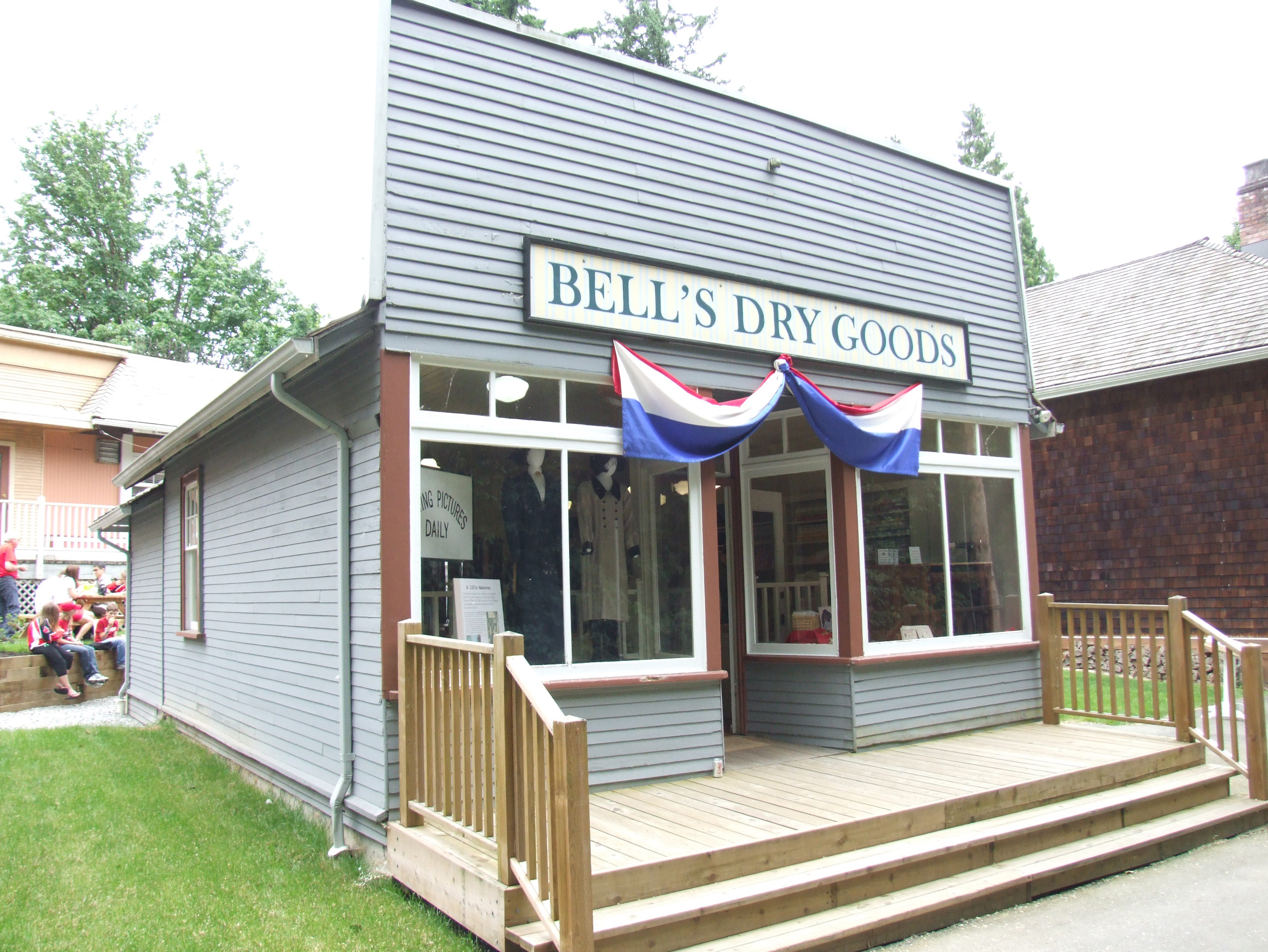
Term referring to supplies and manufactured goods
.jpg)
Dry goods is a historic term describing the type of product line a store carries, which differs by region. The term comes from the textile trade, and the shops appear to have spread with the mercantile trade across the British Empire (and former British territories) as a means of bringing supplies and manufactured goods to far-flung settlements and homesteads. Starting in the mid-18th century, these stores began by selling supplies and textile goods to remote communities, and many customized the products they carried to the area's needs. This continued to be the trend well into the early 20th century. With the rise of department stores and catalog sales, the decline of dry goods stores began, and the term has largely fallen out of use. Some dry goods stores became department stores, especially around the turn of the 20th century.
The term goes back to the 17th century and originally referred to any goods measured in dry measure, not liquid measure, of volume, such as stere, bushel or peck. Dry goods as a term for textiles dates back to 1742 in England or even a century earlier.
Commonwealth and Philippines usage

In Commonwealth countries and the Philippines, dry goods are dry (dried, preserved) food items which have a years-long or indefinite shelf-life. They are "dry" because they are not stored in a preserving anti-fungal or anti-bacterial liquid which fully wets the preserved goods. The "dry goods" usage is made with reference to pre-refrigeration days of the early 20th century. Such foods could be transported and stored without immediate danger of spoiling, and without the extra weight and fragility of waterproof glass or ceramic containers. Dried beans, flours, whole grains, and rolled oats are examples of this type of dry goods.
U.S. usage
In the United States, dry goods are products such as textiles, ready-to-wear clothing, toiletries, and "grocery items (such as tobacco, sugar, flour, and coffee) that do not contain liquid." In US retailing, a dry-goods store carries consumer goods that are distinct from those carried by hardware stores and grocery stores. Downtown Ann Arbor, Michigan had as many as 15 stores that sold dry goods.

Dry goods can be carried by stores specializing only in those products (a type of specialty store), or may be carried by a general store or a department store.
"Dry goods" is the collective name of textile fabrics and manufactured articles. In the late 1800s there were hundreds and thousands of dry goods wholesaling stores and retail stores in America throughout towns and villages, engaging over one million people into the industry of dry goods trades.
Beginning in the early 20th century, many dry goods stores expanded into other lines of merchandise, and the term largely disappeared from both everyday usage and the official names of the businesses concerned. As an example, The Denver Dry Goods Company became known to a generation simply as The Denver, a mall anchor store in the western United States.
References
References
- "dry goods Meaning".
- (1917). "Dry Goods Economist". J. Mackey..
- Cole, George S.. (1892). "A Complete Dictionary of Dry Goods". W. B. Conkey Company.
- "dry goods".
- [https://www.hmdb.org/m.asp?m=181813 Dry goods] Historical Marker data base.
- "Retail middlemen of consumer goods". marketing-howto.com.
- (1 Oct 2015). ""The Elegant Things Have Vanished": Dining at The Denver Dry Goods' Tearoom {{!}} History Colorado".
This article was imported from Wikipedia and is available under the Creative Commons Attribution-ShareAlike 4.0 License. Content has been adapted to SurfDoc format. Original contributors can be found on the article history page.
Ask Mako anything about Dry goods — get instant answers, deeper analysis, and related topics.
Research with MakoFree with your Surf account
Create a free account to save articles, ask Mako questions, and organize your research.
Sign up freeThis content may have been generated or modified by AI. CloudSurf Software LLC is not responsible for the accuracy, completeness, or reliability of AI-generated content. Always verify important information from primary sources.
Report