From Surf Wiki (app.surf) — the open knowledge base
Douglas Slocombe
English cinematographer (1913–2016)
English cinematographer (1913–2016)
| Field | Value |
|---|---|
| image | Douglas Slocombe BSCine.jpgborder |
| awards | See below |
| name | Douglas Slocombe |
| honorific_suffix | OBE |
| birth_name | Ralph Douglas Vladimir Slocombe |
| birth_date | |
| birth_place | London, England |
| death_date | |
| death_place | London, England |
| occupation | Cinematographer |
| years_active | 1940–1989 |
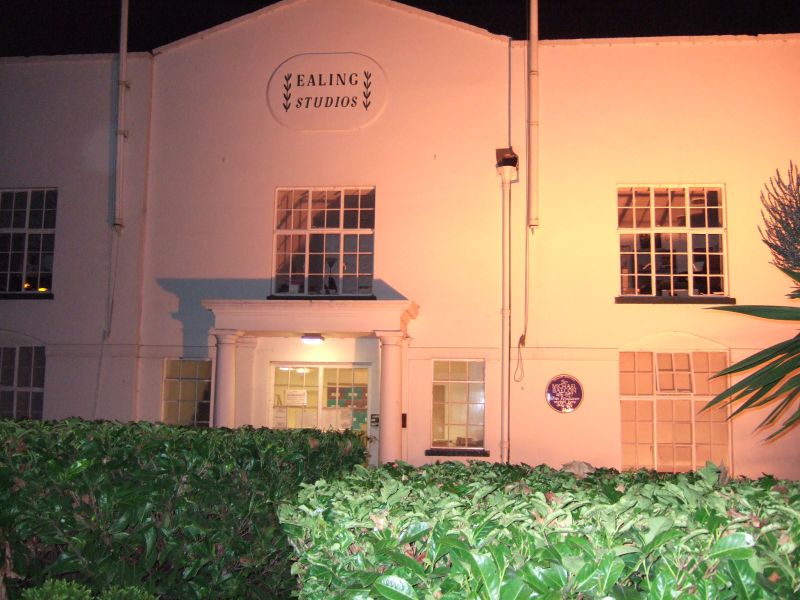
Ralph Douglas Vladimir Slocombe, (10 February 1913 – 22 February 2016) was an English cinematographer and centenarian. He was particularly known for his work at Ealing Studios in the 1940s and 1950s, and the first three Indiana Jones films. He won three BAFTA Awards for Best Cinematography - The Servant (1963), The Great Gatsby (1974), and Julia (1977) - and was nominated for the equivalent Academy Award on three occasions.
Slocombe received Lifetime Achievement Awards from both the British and American Society of Cinematographers. In 2008, he was ascended an Officer of the Order of the British Empire (OBE) at the 2008 New Year Honours for his contributions to motion pictures.
Early life
Slocombe was born in Putney, London, the son of Marie (née Karlinsky) and journalist George Slocombe (1894–1963). His mother was Russian. His father was the Paris correspondent for the Daily Herald, and so Slocombe spent part of his upbringing in France, returning to the United Kingdom around 1933. He graduated with a degree in Mathematics from the Sorbonne.
Slocombe initially intended to become a photojournalist, and as a young photographer, he witnessed the early events leading up to the outbreak of World War II. Visiting Danzig in 1939, he photographed the growing anti-Jewish sentiment. In consequence, he was commissioned by American film-maker Herbert Kline to film events for a documentary called Lights Out, covering a Goebbels rally and the burning of a synagogue, for which he was briefly arrested. Slocombe was in Warsaw with a movie camera on 1 September 1939 when Germany invaded. Accompanied by Kline, he escaped, but his train was machine-gunned by a German aeroplane. In 2014, he said of the experience that:
I had no understanding of the concept of blitzkrieg. I had been expecting trouble but I thought it would be in trenches, like WW1. The Germans were coming over the border at a great pace ... We were trundling through the countryside at night. We kept stopping for no apparent reason, but we came to a screeching halt because a German plane was bombing us. After its first pass we climbed out the window and crawled under the carriage. The plane came back and started machine-gunning. A young girl died in front of us.
After escaping from the train, Slocombe and Kline bought a horse and cart from a Polish farm, finally returning to London via Latvia and Stockholm.
Work
Ealing Studios
After returning to England, Slocombe became a cinematographer for the British Ministry of Information, shooting footage of Atlantic convoys with the Fleet Air Arm. He also developed a relationship with Ealing Studios, where filmmaker Alberto Cavalcanti, who helped him obtain his position, worked. Some of his photography was used as second unit material for fiction films.
Slocombe moved into photographing for feature films at Ealing Studios during the later 1940s, after being hired on the strength of his documentary work. Slocombe later described his early work on Champagne Charlie (1944) as amateurish, in one case resulting in a sequence having to be reshot. However, in his career, Slocombe worked on 84 feature films over a period of 47 years.
Slocombe would later speak approvingly of Ealing's culture of script development. However, he also noted that its restrictive studio system headed by Michael Balcon, in which outside work was not normally permitted, made it impractical for him to attempt to begin a career as a director, something which he had considered.
His early films as a cinematographer included such classic Ealing comedies, notably Kind Hearts and Coronets (1949), The Man in the White Suit (1951), The Lavender Hill Mob (1951), and The Titfield Thunderbolt (1953). He was particularly praised for his flexible, high-contrast cinematography for the horror film Dead of Night (1945), and for his bright, colourful West Country summer landscapes on The Titfield Thunderbolt.
Apart from filming, Slocombe worked also on developing plans for shots, visiting prisoner-of-war camps in Germany as part of pre-production for The Captive Heart (1946). For Saraband for Dead Lovers (1948), shot in Technicolor, the production team settled on a muted, gloomy style unusual for the time, which Slocombe in 2015 considered as among his best work of the period. The style of the film, about a doomed extramarital affair in 17th-century Germany, was variously praised as unconventional and criticised for being excessively symbolic, while also leaving exterior and interior shots poorly matched.
A special effect shot he created was a scene in Kind Hearts and Coronets, in which Alec Guinness, playing eight different characters, appeared as six of them simultaneously in the same frame. By masking the lens and locking the camera down in one place, the film was re-exposed several times with Guinness in different places on the set over several days. Slocombe recalled sleeping in the studio to make sure nobody touched the camera. Slocombe personally regarded Basil Dearden as the "most competent" of the directors he worked with at Ealing.
He found widescreen equipment sometimes restrictive, finding the Technirama camera system used on Davy (1958) "a block of flats" and difficult to compose shots with.
After Ealing
Financial problems forced Ealing Studios to wind down from 1955 onwards, and close later in the decade. In 2015, Slocombe said of the period that "we had to get on with our careers – there was little time for sentiment."
For The Italian Job (1969), Slocombe was hired by producer Michael Deeley because "he tended to do very moody work, and he was very efficient". Slocombe later remembered shooting inside Kilmainham Gaol, a genuine closed prison, and finding the experience unpleasant: "the real thing, there is something quite terrifying about it. One knows hundreds and hundreds of people have suffered here...although this was a comedy, all this was still in the back of one's mind".
He won the British Society of Cinematographers Award five times, and was awarded its Lifetime Achievement Award in 1996. He also won a special BAFTA award in 1993. Roger Ebert particularly praised his work on Jesus Christ Superstar (1973), writing that it "achieve[s] a color range that glows with life and somehow doesn’t make the desert look barren." Not all reviews of his later colour work were favourable: while his cinematography on Never Say Never Again (1983) has been described by one author as "subtle, subdued...[it] creates a mellow mood", it has also been assessed as "muddled and brown". Notable among his later films is Rollerball (1975).
''Indiana Jones'' films
In the 1980s, he worked with Steven Spielberg on the first three Indiana Jones films, after Spielberg enjoyed working with him as an auxiliary cinematographer on Close Encounters of the Third Kind (1977). These were among his last major projects, as he was 75 at the time of filming the last, Indiana Jones and the Last Crusade, and also began to suffer from eyesight problems in the 1980s. He was quoted in 1989 as saying of it "there's an excitement in doing action films. I probably enjoy them on a sort of Boy Scout level." Janusz Kamiński, cinematographer on Indiana Jones and the Kingdom of the Crystal Skull, said that he deliberately shot the film to emulate Slocombe's visuals, in order to create an appearance of continuity with the previous pictures.
Personal life
Slocombe experienced problems with his vision from the 1980s onwards, including a detached retina in one eye and complications from unsuccessful laser eye surgery in the other, and was nearly blind at the end of his life. In his later years, he lived in West London with his daughter, his only child.
He was appointed Officer of the Order of the British Empire (OBE) in the 2008 New Year Honours, and attended a BAFTA dinner in his honour in 2009. He turned 100 in February 2013. Despite his blindness, Slocombe continued to give interviews into his last years, and was interviewed by David A. Ellis in a book entitled Conversations with Cinematographers, in 2011 by French television in French, by the BBC on the invasion of Poland in 2014, and on the history of British films in 2015. He was quoted in the latter interview as saying "it's a weird feeling to have outlived virtually everyone you ever worked with."
Death
Slocombe died on the morning of 22 February 2016 (12 days after his 103rd birthday), in a London hospital from complications following a fall.
Filmography
Documentary film
| Year | Title | Director | Notes | 1940 | 1943 |
|---|---|---|---|---|---|
| Lights Out in Europe | Herbert Kline | Uncredited | |||
| Greek Testament | Charles Hasse | ||||
| San Demetrio London | Charles Frend | Uncredited |
Feature film
| Year | Title | Director | Notes | 1941 | 1944 | 1945 | 1946 | 1947 | 1948 | 1949 | 1950 | 1951 | 1952 | 1953 | 1954 | 1955 | 1956 | 1957 | 1958 | 1960 | 1961 | 1962 | 1963 | 1964 | 1965 | 1966 | 1967 | 1968 | 1969 | 1970 | 1971 | 1972 | 1973 | 1974 | 1975 | 1976 | 1977 | 1978 | 1979 | 1980 | 1981 | 1983 | 1984 | 1985 | 1986 | 1989 |
|---|---|---|---|---|---|---|---|---|---|---|---|---|---|---|---|---|---|---|---|---|---|---|---|---|---|---|---|---|---|---|---|---|---|---|---|---|---|---|---|---|---|---|---|---|---|---|
| Ships with Wings | Sergei Nolbandov | Uncredited | ||||||||||||||||||||||||||||||||||||||||||||
| For Those in Peril | Charles Crichton | |||||||||||||||||||||||||||||||||||||||||||||
| Painted Boats | ||||||||||||||||||||||||||||||||||||||||||||||
| The Captive Heart | Basil Dearden | |||||||||||||||||||||||||||||||||||||||||||||
| Hue and Cry | Charles Crichton | |||||||||||||||||||||||||||||||||||||||||||||
| The Loves of Joanna Godden | Charles Frend | |||||||||||||||||||||||||||||||||||||||||||||
| It Always Rains on Sunday | Robert Hamer | |||||||||||||||||||||||||||||||||||||||||||||
| Saraband for Dead Lovers | Basil Dearden | |||||||||||||||||||||||||||||||||||||||||||||
| Another Shore | Charles Crichton | |||||||||||||||||||||||||||||||||||||||||||||
| Kind Hearts and Coronets | Robert Hamer | |||||||||||||||||||||||||||||||||||||||||||||
| A Run for Your Money | Charles Frend | |||||||||||||||||||||||||||||||||||||||||||||
| Dance Hall | Charles Crichton | |||||||||||||||||||||||||||||||||||||||||||||
| Cage of Gold | Basil Dearden | |||||||||||||||||||||||||||||||||||||||||||||
| The Lavender Hill Mob | Charles Crichton | |||||||||||||||||||||||||||||||||||||||||||||
| The Man in the White Suit | Alexander Mackendrick | |||||||||||||||||||||||||||||||||||||||||||||
| His Excellency | Robert Hamer | |||||||||||||||||||||||||||||||||||||||||||||
| Mandy | Alexander Mackendrick | |||||||||||||||||||||||||||||||||||||||||||||
| The Titfield Thunderbolt | Charles Crichton | |||||||||||||||||||||||||||||||||||||||||||||
| The Love Lottery | ||||||||||||||||||||||||||||||||||||||||||||||
| Lease of Life | Charles Frend | |||||||||||||||||||||||||||||||||||||||||||||
| Ludwig II | Helmut Käutner | |||||||||||||||||||||||||||||||||||||||||||||
| Touch and Go | Michael Truman | |||||||||||||||||||||||||||||||||||||||||||||
| Sailor Beware! | Gordon Parry | |||||||||||||||||||||||||||||||||||||||||||||
| The Man in the Sky | Charles Crichton | |||||||||||||||||||||||||||||||||||||||||||||
| The Smallest Show on Earth | Basil Dearden | |||||||||||||||||||||||||||||||||||||||||||||
| Barnacle Bill | Charles Frend | |||||||||||||||||||||||||||||||||||||||||||||
| Davy | Michael Relph | |||||||||||||||||||||||||||||||||||||||||||||
| Tread Softly Stranger | Gordon Parry | |||||||||||||||||||||||||||||||||||||||||||||
| Circus of Horrors | Sidney Hayers | |||||||||||||||||||||||||||||||||||||||||||||
| The Boy Who Stole a Million | Charles Crichton | |||||||||||||||||||||||||||||||||||||||||||||
| The Mark | Guy Green | |||||||||||||||||||||||||||||||||||||||||||||
| Taste of Fear | Seth Holt | |||||||||||||||||||||||||||||||||||||||||||||
| The Young Ones | Sidney J. Furie | |||||||||||||||||||||||||||||||||||||||||||||
| The L-Shaped Room | Bryan Forbes | |||||||||||||||||||||||||||||||||||||||||||||
| Freud the Secret Passion | John Huston | |||||||||||||||||||||||||||||||||||||||||||||
| The Servant | Joseph Losey | |||||||||||||||||||||||||||||||||||||||||||||
| The Third Secret | Charles Crichton | |||||||||||||||||||||||||||||||||||||||||||||
| Guns at Batasi | John Guillermin | |||||||||||||||||||||||||||||||||||||||||||||
| A High Wind in Jamaica | Alexander Mackendrick | |||||||||||||||||||||||||||||||||||||||||||||
| Promise Her Anything | Arthur Hiller | |||||||||||||||||||||||||||||||||||||||||||||
| The Blue Max | John Guillermin | |||||||||||||||||||||||||||||||||||||||||||||
| Fathom | Leslie H. Martinson | |||||||||||||||||||||||||||||||||||||||||||||
| Robbery | Peter Yates | |||||||||||||||||||||||||||||||||||||||||||||
| The Fearless Vampire Killers | Roman Polanski | |||||||||||||||||||||||||||||||||||||||||||||
| Boom! | Joseph Losey | |||||||||||||||||||||||||||||||||||||||||||||
| The Lion in Winter | Anthony Harvey | |||||||||||||||||||||||||||||||||||||||||||||
| The Italian Job | Peter Collinson | |||||||||||||||||||||||||||||||||||||||||||||
| The Buttercup Chain | Robert Ellis Miller | |||||||||||||||||||||||||||||||||||||||||||||
| Murphy's War | Peter Yates | |||||||||||||||||||||||||||||||||||||||||||||
| The Music Lovers | Ken Russell | |||||||||||||||||||||||||||||||||||||||||||||
| Travels with My Aunt | George Cukor | |||||||||||||||||||||||||||||||||||||||||||||
| Jesus Christ Superstar | Norman Jewison | |||||||||||||||||||||||||||||||||||||||||||||
| The Return | Sture Rydman | Short film | ||||||||||||||||||||||||||||||||||||||||||||
| The Great Gatsby | Jack Clayton | |||||||||||||||||||||||||||||||||||||||||||||
| The Marseille Contract | Robert Parrish | |||||||||||||||||||||||||||||||||||||||||||||
| The Maids | Christopher Miles | |||||||||||||||||||||||||||||||||||||||||||||
| Rollerball | Norman Jewison | |||||||||||||||||||||||||||||||||||||||||||||
| That Lucky Touch | Christopher Miles | |||||||||||||||||||||||||||||||||||||||||||||
| Hedda | Trevor Nunn | |||||||||||||||||||||||||||||||||||||||||||||
| The Sailor Who Fell from Grace with the Sea | Lewis John Carlino | |||||||||||||||||||||||||||||||||||||||||||||
| The Bawdy Adventures of Tom Jones | Cliff Owen | |||||||||||||||||||||||||||||||||||||||||||||
| Nasty Habits | Michael Lindsay-Hogg | |||||||||||||||||||||||||||||||||||||||||||||
| Julia | Fred Zinnemann | |||||||||||||||||||||||||||||||||||||||||||||
| Caravans | James Fargo | |||||||||||||||||||||||||||||||||||||||||||||
| The Lady Vanishes | Anthony Page | |||||||||||||||||||||||||||||||||||||||||||||
| Lost and Found | Melvin Frank | |||||||||||||||||||||||||||||||||||||||||||||
| Nijinsky | Herbert Ross | |||||||||||||||||||||||||||||||||||||||||||||
| Raiders of the Lost Ark | Steven Spielberg | |||||||||||||||||||||||||||||||||||||||||||||
| The Pirates of Penzance | Wilford Leach | |||||||||||||||||||||||||||||||||||||||||||||
| Never Say Never Again | Irvin Kershner | |||||||||||||||||||||||||||||||||||||||||||||
| Indiana Jones and the Temple of Doom | Steven Spielberg | |||||||||||||||||||||||||||||||||||||||||||||
| Water | Dick Clement | |||||||||||||||||||||||||||||||||||||||||||||
| Lady Jane | Trevor Nunn | With Derek V. Browne | ||||||||||||||||||||||||||||||||||||||||||||
| Indiana Jones and the Last Crusade | Steven Spielberg |
Television
| Year | Title | Director | Notes | 1957 | 1975 |
|---|---|---|---|---|---|
| Play of the Week | Peter Brook | Episode "Heaven and Earth" | |||
| Love Among the Ruins | George Cukor | TV movie |
Awards and nominations
Academy Awards
| Year | Category | Title | Result | Ref. | |||
|---|---|---|---|---|---|---|---|
| 1972 | Best Cinematography | Travels with My Aunt | url=http://www.oscars.org/oscars/ceremonies/1973 | title=The 45th Academy Awards (1973) Nominees and Winners | access-date=28 August 2011 | work=oscars.org}} | |
| 1977 | Julia | url=http://www.oscars.org/oscars/ceremonies/1978 | title=The 50th Academy Awards (1978) Nominees and Winners | access-date=23 February 2016 | work=oscars.org}} | ||
| 1981 | Raiders of the Lost Ark | title=The 54th Academy Awards (1982) Nominees and Winners | publisher=Academy of Motion Picture Arts and Sciences | url=http://www.oscars.org/oscars/ceremonies/1982 | access-date=23 February 2016}} |
BAFTA Awards
| Year | Category | Title | Result | Ref. |
|---|---|---|---|---|
| 1964 | Best Cinematography | The Servant | ||
| 1965 | Guns at Batasi | |||
| 1967 | The Blue Max | |||
| 1969 | The Lion in Winter | |||
| 1974 | Travels with My Aunt | |||
| Jesus Christ Superstar | ||||
| 1975 | The Great Gatsby | |||
| 1976 | Rollerball | |||
| 1979 | Julia | |||
| 1982 | Raiders of the Lost Ark | |||
| 1985 | Indiana Jones and the Temple of Doom |
American Society of Cinematographers
| Year | Category | Result |
|---|---|---|
| 2002 | International Award |
British Society of Cinematographers
| Year | Category | Title | Result |
|---|---|---|---|
| 1963 | Best Cinematography | The Servant | |
| 1968 | The Lion in Winter | ||
| 1973 | Jesus Christ Superstar | ||
| 1974 | The Great Gatsby | ||
| 1977 | Julia | ||
| 1984 | Indiana Jones and the Temple of Doom | ||
| 1995 | Lifetime Achievement Award |
Los Angeles Film Critics Association
| Year | Category | Title | Result |
|---|---|---|---|
| 1977 | Best Cinematography | Julia |
References
References
- Duncan Petrie, "Slocombe, (Ralph) Douglas Vladimir (1913–2016)", ''Oxford Dictionary of National Biography'', Oxford University Press, Jan 2020 [http://www.oxforddnb.com/view/article/111119 available online]. Retrieved 8 July 2020.
- "BAFTA Awards - Douglas Slocombe".
- (23 February 2016). "Douglas Slocombe: Cinematographer from newsreels to Indiana Jones".
- (22 February 2016). "Douglas Slocombe, Cinematographer for 'Raiders of the Lost Ark,' Dies at 103".
- David A. Ellis. (2012). "Conversations with Cinematographers". Scarecrow Press.
- "''Paris in Profile'' review, 1930".
- (23 February 2016). "Douglas Slocombe obituary".
- "Slocombe, Douglas (1913-)".
- Robert Sellers. (1 October 2015). "The Secret Life of Ealing Studios: Britain's favourite film studio". Aurum Press Limited.
- "Internet Encyclopedia of Cinematographers".
- Vincent Dowd. (11 February 2014). "Douglas Slocombe: The cameraman who escaped the Nazi invasion of Poland". BBC News.
- Philip French. (11 December 2009). "Douglas Slocombe: a tribute". The Observer.
- (18 February 2013). "Douglas Slocombe BSC celebrates his 100th birthday". [[British Society of Cinematographers]].
- Charles Drazin. (15 October 2007). "The Finest Years: British Cinema of the 1940s". I.B.Tauris.
- Robert Sellers. (1 October 2015). "The Secret Life of Ealing Studios: Britain's favourite film studio". Aurum Press Limited.
- Matthew Field. (12 November 2014). "Making of the Italian Job". Pavilion Books.
- [http://www.bscine.com/2011/02/lifetime-achievement-award/ BSC: ''Lifetime Achievement Award''] Linked 29 July 2013.
- "Jesus Christ Superstar review".
- Bruce Babington. (2001). "British Stars and Stardom: From Alma Taylor to Sean Connery". Manchester University Press.
- (2 September 2012). "Prometheus Unbond".
- (22 February 2016). "Douglas Slocombe, The Man Who Filmed Indiana Jones, Has Died At 103".
- (1989). "Lighting Dimensions, Volume 13". Lighting Dimensions Associates.
- "Cinematographer Janusz Kaminski updates a classic franchise with Indiana Jones and the Kingdom of the Crystal Skull". American Society of Cinematographers.
- [http://wilmonfilm.blogs.starnewsonline.com/12504/famed-cinematographer-douglas-slocombe-turns-100/ Wilmington Star News, February 6, 2013: ''Famed cinematographer Douglas Slocombe turns 100''] Linked 29 July 2013.
- (29 August 2015). "Remembering Ealing Studios and the golden age of British film". BBC News.
- (22 February 2016). "Douglas Slocombe, Ealing comedies and Indiana Jones cinematographer, dies". BBC News.
- (22 February 2016). "'Indiana Jones' Cinematographer Douglas Slocombe Dies at 103". New York Times.
- "The 45th Academy Awards (1973) Nominees and Winners". oscars.org.
- "The 50th Academy Awards (1978) Nominees and Winners". oscars.org.
- "The 54th Academy Awards (1982) Nominees and Winners". Academy of Motion Picture Arts and Sciences.
This article was imported from Wikipedia and is available under the Creative Commons Attribution-ShareAlike 4.0 License. Content has been adapted to SurfDoc format. Original contributors can be found on the article history page.
Ask Mako anything about Douglas Slocombe — get instant answers, deeper analysis, and related topics.
Research with MakoFree with your Surf account
Create a free account to save articles, ask Mako questions, and organize your research.
Sign up freeThis content may have been generated or modified by AI. CloudSurf Software LLC is not responsible for the accuracy, completeness, or reliability of AI-generated content. Always verify important information from primary sources.
Report