From Surf Wiki (app.surf) — the open knowledge base
Door hanger
Plastic or cardboard sign cut to hang from a door handle
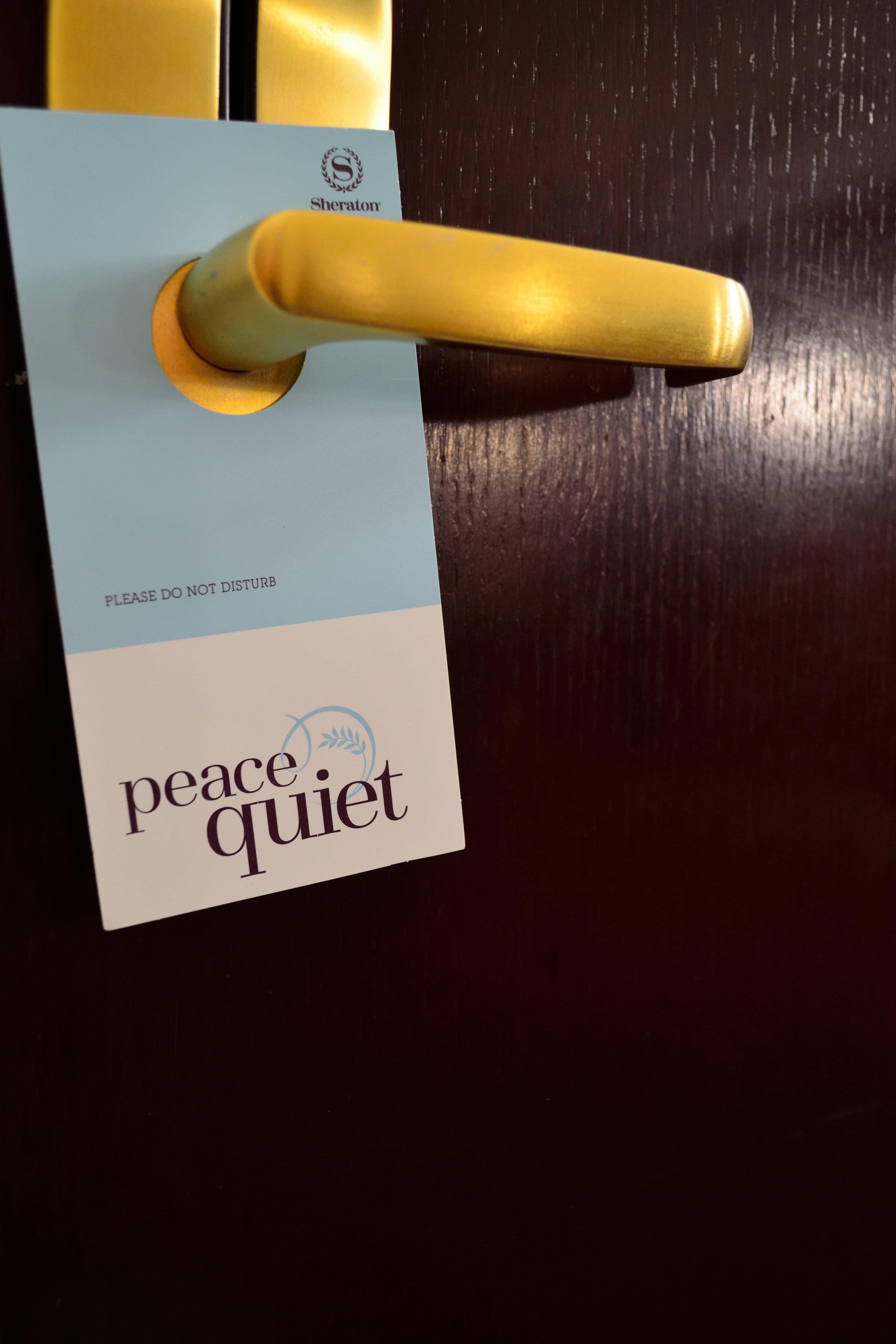
Plastic or cardboard sign cut to hang from a door handle
A door hanger (also spelled doorhanger or door-hanger) is a plastic or cardboard sign, generally rectangular in shape, cut to hang from the handle or knob of a door. They are sometimes used to distribute print advertising to residences. Door hangers are often seen in hotels and other places of lodging as a means for guests to communicate with maintenance and housekeeping staff.
Uses
.jpg)
One common place where do-not-disturb signs are used is in places of lodging, where guests can place these signs on the door to inform staff, including housekeeping, to respect their privacy. Some hotels also provide "make up room" signs giving the opposite instructions.
Do not disturb signs can also be used by those who keep valuables in their rooms to deter possible thieves. They are also used in schools to let other staff members and students at the school know that testing is in progress in the particular classroom.
A stereotypical reason for using a "do not disturb" sign is to not interrupt sexual activity going on in a hotel room.
Problems
In multiple cases, a do not disturb sign on the door of a hotel room has been blamed for concealing a homicide, suspicious death, or other criminal activity.
In 2009, a do not disturb sign was blamed for concealing the disappearance of an elderly couple on a cruise ship.
In 2017, mass murderer Stephen Paddock kept a "do not disturb" sign on his hotel room door, concealing ten suitcases with a stockpile of rifles and ammunition he used to commit the 2017 Las Vegas shooting.
Alternatives

Some hotels are using high-tech means to replace paper do not disturb signs that hang on the door. One example is a privacy button that one can press from within the room to light up an indicator outside the room.
Advertising
More recently, hotels have used the do not disturb signs as a way to brand themselves and provide inexpensive advertising.
In 2007, Embassy Suites ran a contest allowing the public to design do not disturb signs. The winner was announced in 2008.
Door Hangers are also used in competition with direct mail as an advertising vehicle. Most recently, companies providing this type of advertising have been using the term Direct to Door Advertising. This type of advertising offers a number of advantages over traditional direct mail in that the impression is "guaranteed". The home owner must handle the piece and typically on a door hanger there is just one advertising message giving the advertiser exposure.
This form of advertising is a security risk for residents as it flags a door as being unused. As such, this form of advertisement violates bylaws in many cities, and even where it is legal may damage the advertiser's reputation.
This type of advertising is used by national brands and local companies to help drive traffic into their stores, increase trial by offering a sample, and to increase their brand awareness. This method of delivery can often be more cost effective and with today's technology, the delivery of the pieces is completely trackable by integrating GPS and photos into the Proof of Performance.
Other meanings

In computer user interface design, a "doorhanger" notification is a sort of pop-up panel that "hangs" from another user interface element, typically an icon in the tool bar.
References
References
- Elliott, Christopher. (June 29, 2008). "As hotels squeeze cleaning staff, guests get caught in the middle. How to make sure your housekeeping needs get met". [[San Francisco Chronicle]].
- (August 2003). "Importers manual USA.". World Trade Press.
- Maurer, Kevin. (2008-06-26). "Warrant: Body of pregnant soldier found in tub". [[USA Today]].
- "Hotel 'Do not Disturb' sign hid murder". Express.co.uk.
- Riches, Chris. (30 May 2009). "Hotel 'do not disturb' sign hid murder". [[Star Tribune]].
- (January 17, 2009). "Elderly Couple Disappears On Cruise Ship". CBS News.
- (May 9, 2008). "From hotel rooms to hi-tech havens". The Sydney Morning Herald.
- (26 February 2005). "Catching ZZZZZZZZs a sign of the times". tvnz.co.nz.
- Kingsbury, Amanda. (27 February 2005). "Genius works behind 'do not disturb' sign". projo.com.
- "The disturbin results of Embassy Suites 'Do Not Disturb' sign". hotelchatter.com.
- "Door Hanger Infographic".
- "Doorhangers Are Simply Better - Association of Alternate Postal Systems".
- See [http://bsdpower.com/modern-design-abominations-firefox-doorhanger-notifications/ here] {{Webarchive. link. (2016-01-26 for an example.)
This article was imported from Wikipedia and is available under the Creative Commons Attribution-ShareAlike 4.0 License. Content has been adapted to SurfDoc format. Original contributors can be found on the article history page.
Ask Mako anything about Door hanger — get instant answers, deeper analysis, and related topics.
Research with MakoFree with your Surf account
Create a free account to save articles, ask Mako questions, and organize your research.
Sign up freeThis content may have been generated or modified by AI. CloudSurf Software LLC is not responsible for the accuracy, completeness, or reliability of AI-generated content. Always verify important information from primary sources.
Report