From Surf Wiki (app.surf) — the open knowledge base
Dome (constructor)
Japanese racing car manufacturer
_(8014531836)_(cropped).jpg)
Japanese racing car manufacturer
| Field | Value |
|---|---|
| name | Dome Co. Ltd |
| logo | File:Dome_Co_Ltd_Logo.jpg |
| foundation | 1975 |
| founder | Minoru Hayashi |
| location_city | Maibara, Shiga |
| location_country | Japan |
| location | |
| locations | |
| key_people | Hiroshi Fushida (President) |
| Shigeo Takebayashi (Managing Director) | |
| industry | Motorsport |
| homepage | www.dome.co.jp |
| intl |
Shigeo Takebayashi (Managing Director) Dome Co. Ltd, literally "child's dream", is a Japanese racing car constructor involved mainly in open-wheel and sports car racing.
History
Early years
In 1965, Minoru Hayashi built his first racing car, a rebodied Honda S600 coupe. Belonging to Tojiro Ukiya, it was called the "Karasu" (crow in Japanese), due to its shape. Built on a small budget and in a short time, the Karasu emphasized weight reduction and aerodynamics using FRP materials. The car went on to win its debut race at the Suzuka Clubman Race, despite Hayashi having no experience in racecar construction. In 1966 he went on to build the "Macransa", a more extensively modified Honda S800, to compete at the Japanese Grand Prix. This was followed by the "Kusabi" three years later, which was a Formula Junior racing car, and the "Panic" in 1971.
In 1975 at Takaragaike, Kyoto, Hayashi formed Dome with the intention to manufacture cars with small production runs, using racing machines to develop the technology. Three years after the company's formation in 1978, the company produced its first concept car designed for road use, the Nissan L28-powered Dome Zero, designed to be world’s lowest-riding sports car, with its height set at 980 mm. The Zero made its public debut at the Geneva Motor Show the same year. For the following year, Dome produced a production version of the Zero called the Zero P2, which was exhibited at the Chicago Auto Show and Los Angeles Auto Expo. The car was refused type approval by the Japanese government, however, and was unable to go into production.
Sportscar manufacturer
Dome entered the 1980s as a sportscar constructor designing and building the Group C spec Toyota TOM'S cars to compete in the All Japan Super Silhouette Championship, and later the All Japan Sports Prototype Championship, and World Sportscar Championship until the end of the 1980s. Dome's vehicles included the Celica C and prototypes from the 83C through to the 88C.
Formula Three
Minoru Hayashi would also assist his cousin Masakazu Hayashi (of the Hayashi aluminum wheel company) establish his own formula car manufacturing concern. After producing cars for Japan's Formula Junior 1600 category for 10 years, their first Formula 3 car was the Hayashi 803 Formula Three car, designed by the two cousins. It was followed by the Hayashi 320 in 1981 designed by Masao Ono, who had also designed the 1976 Kojima F1 car. Osamu Nakako won the All-Japan Formula Three Championship title driving a Hayashi 320. A 320 was also modified for the Formula Atlantic category and won the Macau Grand Prix driven by American Bob Earl. A further development, the 321, saw action briefly in Japan and England. Ono then switched to Dome to work on the sportscar designs, and Hayashi Racing switched to Ralt chassis to win the Japanese F3 title with Kengo Nakamoto.
In 1984, the follow-up Hayashi 322 was a success and helped Shuji Hyodo to win that year's Japanese F3 championship. In 1985, the Hayashi 330 won a single Japanese F3 race, but finishes were good enough to place driver Shuji Hyodo third in season-end standing. A development of the 322, the 331, appeared in a handful of Japanese F3 races in 1986 without success and disappeared quietly. A downturn in the aluminum wheel business is credited in causing Hayashi to abandon racing.
Post-Formula Three
In 1988, Dome would return to production car design, establishing a design studio called Jiotto Design to design cars with its own quarter-scale wind tunnel. The studio produced the Jiotto Caspita supercar, which never went into production due to the recession.
Dome continued to compete with Jan Lammers, Keiji Matsumoto, Ross Cheever and Thomas Danielsson, driving until 1992, when Marco Apicella was signed to drive the new Dome-Mugen F103, taking the title in 1994. The Formula 3000 program continued until 1998 with Shinji Nakano, Katsumi Yamamoto and Juichi Wakisaka but without much success.
Formula One
Main article: Dome F105
Late in 1995, Tadashi Sasaki, joined Dome and that autumn the company announced its plan to enter F1 with a car designed by Akiyoshi Uko called the Dome F105, using a Minardi transmission and hydraulic system. Marco Apicella was installed as test driver in 1996 and the test driving duties were later taken over by Shinji Nakano and Naoki Hattori. The planned 1997 World Championship effort came to nothing and the follow-up car, the Dome F106, never materialised due to lack of sponsorship and Mugen's refusal to supply engines. The Concorde Agreement also delayed the start for the team. By 1999, all development work would fold after Honda's involvement with British American Racing.
Recent projects
In 1999 Dome established Dome Cars Ltd. in the United Kingdom and the Dome Tunnel in Maihara, Shiga Prefecture, which was originally intended for F1 construction. The company also focused its effort in the Japanese GT Championship, which they had been since 1996 and also competing as a team as well as building the Honda NSX for other factory supported teams. They also worked on the aerodynamics on the JTCC Honda Accord.
In 2001, DOME Carbon Magic was formed in Mishima, Shizuoka Prefecture, specifically for carbon composite development and manufacture. It continued to build and race the Honda NSX in the recently renamed Super GT series, with Takata as the main sponsor.

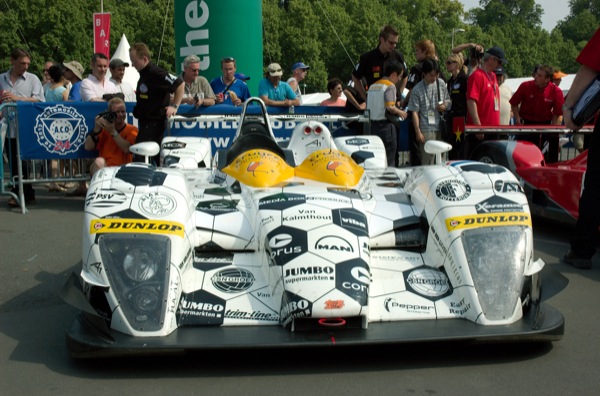
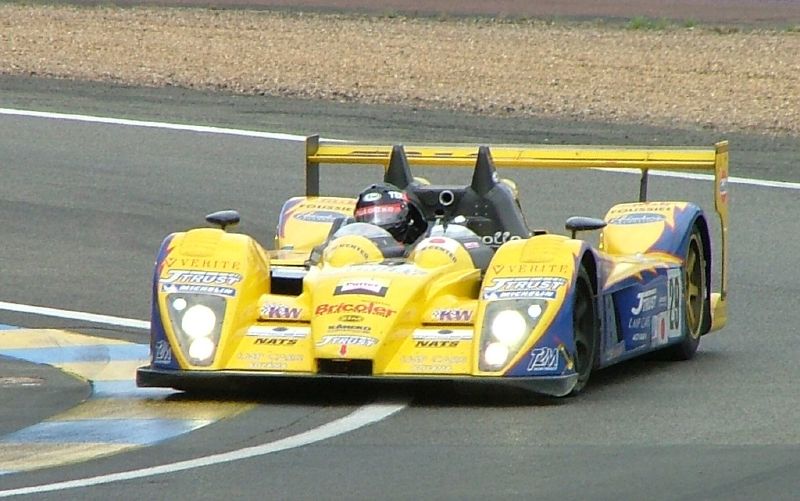
Dome also upgraded their Dome S101 Le Mans prototype chassis to meet new regulations for 2007. The new car has been dubbed the S101.5. These S101s were supplied to Racing for Holland. In 2008, Dome introduced a closed-cockpit prototype called the S102 for the Le Mans Prototype 1 (LMP1) class and entered in the 2008 24 Hours of Le Mans after an absence of 22 years.
In February 2012, Dome announced that it will enter an updated S102 in the 2012 24 Hours of Le Mans. The updated car, designated the S102.5, will be powered by a 3.4L Judd V8. In a departure for Dome, the team will self-fund race operations, rather than lease their car to a separately funded race team. Dome allied with Pescarolo for race operations until the latter dissolved, and have instructed its team to focus development on outright speed over one lap, rather than on reliability or endurance pace for a 24-hour race.
In 2014, Dome left Super GT as a team entrant to focus on the construction of the Mother Chassis platform for the GT300 class; the team was reported to return in 2017, but did not materialize in favor of entering a Honda Civic TCR in the Super Taikyu Series.
Models
Racecars
| Year | Car | Image | Category | |
|---|---|---|---|---|
| 1982 | Dome RC82 | [[File:Dome RC82 - Chris Craft, Raul Boesel & Eliseo Salazar at the 1982 Silverstone 6 Hours (49905478197).jpg | frameless]] | Group C |
| 1983 | Dome RC83 | Group C | ||
| 1984 | Dome 84C | Group C | ||
| 1985 | Dome 85C | [[File:Toyota-Dome 85C 2008 Motorsport Japan.jpg | frameless]] | Group C |
| 1986 | Dome 86C | Group C | ||
| 1996 | Dome F105 | [[File:Dome F105.png | frameless]] | Formula One (unraced) |
| 2001 | Dome S101 | [[File:05Spa 05GainerDome-2.jpg | frameless]] | LMP900 |
| LMP1 | ||||
| 2008 | Dome S102 | [[File:DomeJuddS102.jpg | frameless]] | LMP1 |
| 2015 | Dome F110 | [[File:Dome F110 left 2014 Super GT Suzuka.jpg | frameless]] | Formula 4 |
| Strakka-Dome S103 | [[File:Dome S103 - Strakka Racing.jpg | frameless]] | LMP2 |
Prototype road cars
| Year Produced | Car | Image | Class | |
|---|---|---|---|---|
| 1978 | Dome Zero | [[File:Dome Zero.jpg | frameless]] | Concept car |
| Sports car | ||||
| 1979 | Dome Zero P2 | [[File:Dome Zero P2.jpg | frameless]] | Concept car |
| Sports car | ||||
| 1989 | Jiotto Caspita (Mk. I) | [[File:Jiotto_caspita_1st_f.jpg | frameless]] | Concept car |
| Sports car | ||||
| 1990 | Jiotto Caspita (Mk. II) | [[File:Osaka Auto Messe 2014 (66) JIOTTO CASPITA.JPG | frameless]] | Concept car |
| Sports car |
Race results
Japanese Grand Touring Championship (JGTC)
(key) (Races in bold indicate pole position) (Races in italics indicate fastest lap)
| Year | Car | Tyres | Class | No. | Drivers | 1 | 2 | 3 | 4 | 5 | 6 | 7 | 8 | 9 | Pos | Pts | 1997 | 9th | 11 | 1998 | 5th | 48 | 12th | 10 | 1999 | 3rd | 81 | 2000 | 1st | 96 | 2001 | 2nd | 68 | 2002 | 1st | 96 | 2003 | 3rd | 77 | 2004 | 12th | 6 |
|---|---|---|---|---|---|---|---|---|---|---|---|---|---|---|---|---|---|---|---|---|---|---|---|---|---|---|---|---|---|---|---|---|---|---|---|---|---|---|---|---|---|---|
| Honda NSX | GT500 | 18 | JPN Takuya Kurosawa | |||||||||||||||||||||||||||||||||||||||
| JPN Katsumi Yamamoto | SUZ | FUJ | ||||||||||||||||||||||||||||||||||||||||
| Ret | SEN | |||||||||||||||||||||||||||||||||||||||||
| Ret | FUJ | |||||||||||||||||||||||||||||||||||||||||
| Ret | MIN | |||||||||||||||||||||||||||||||||||||||||
| 8 | SUG | |||||||||||||||||||||||||||||||||||||||||
| 5 | NC1 | |||||||||||||||||||||||||||||||||||||||||
| 8 | NC2 | |||||||||||||||||||||||||||||||||||||||||
| 9 | ||||||||||||||||||||||||||||||||||||||||||
| Honda NSX | GT500 | 16 | JPN Ryō Michigami | |||||||||||||||||||||||||||||||||||||||
| JPN Osamu Nakako | SUZ | |||||||||||||||||||||||||||||||||||||||||
| Ret | FUJ | |||||||||||||||||||||||||||||||||||||||||
| C | *SEN* | |||||||||||||||||||||||||||||||||||||||||
| Ret | FUJ | |||||||||||||||||||||||||||||||||||||||||
| 5 | MOT | |||||||||||||||||||||||||||||||||||||||||
| 1 | MIN | |||||||||||||||||||||||||||||||||||||||||
| 11 | *SUG* | |||||||||||||||||||||||||||||||||||||||||
| 1 | NC1 | |||||||||||||||||||||||||||||||||||||||||
| 7 | ||||||||||||||||||||||||||||||||||||||||||
| 18 | JPN Katsutomo Kaneishi | |||||||||||||||||||||||||||||||||||||||||
| JPN Katsumi Yamamoto | ||||||||||||||||||||||||||||||||||||||||||
| JPN Juichi Wakisaka | SUZ | |||||||||||||||||||||||||||||||||||||||||
| Ret | FUJ | |||||||||||||||||||||||||||||||||||||||||
| C | SEN | |||||||||||||||||||||||||||||||||||||||||
| Ret | FUJ | |||||||||||||||||||||||||||||||||||||||||
| 4 | MOT | |||||||||||||||||||||||||||||||||||||||||
| Ret | MIN | |||||||||||||||||||||||||||||||||||||||||
| 15 | SUG | |||||||||||||||||||||||||||||||||||||||||
| DSQ | NC1 | |||||||||||||||||||||||||||||||||||||||||
| Ret | ||||||||||||||||||||||||||||||||||||||||||
| Honda NSX | GT500 | 16 | JPN Ryō Michigami | |||||||||||||||||||||||||||||||||||||||
| JPN Osamu Nakako | SUZ | |||||||||||||||||||||||||||||||||||||||||
| 14 | FUJ | |||||||||||||||||||||||||||||||||||||||||
| 12 | SUG | |||||||||||||||||||||||||||||||||||||||||
| 3 | MIN | |||||||||||||||||||||||||||||||||||||||||
| 3 | FUJ | |||||||||||||||||||||||||||||||||||||||||
| 9 | OKA | |||||||||||||||||||||||||||||||||||||||||
| 16 | MOT | |||||||||||||||||||||||||||||||||||||||||
| 4 | NC1 | |||||||||||||||||||||||||||||||||||||||||
| 5 | ||||||||||||||||||||||||||||||||||||||||||
| 18 | JPN Katsutomo Kaneishi | |||||||||||||||||||||||||||||||||||||||||
| JPN Juichi Wakisaka | SUZ | |||||||||||||||||||||||||||||||||||||||||
| 1 | FUJ | |||||||||||||||||||||||||||||||||||||||||
| Ret | SUG | |||||||||||||||||||||||||||||||||||||||||
| Ret | MIN | |||||||||||||||||||||||||||||||||||||||||
| 11 | FUJ | |||||||||||||||||||||||||||||||||||||||||
| 2 | OKA | |||||||||||||||||||||||||||||||||||||||||
| 3 | MOT | |||||||||||||||||||||||||||||||||||||||||
| Ret | NC1 | |||||||||||||||||||||||||||||||||||||||||
| Ret | ||||||||||||||||||||||||||||||||||||||||||
| Honda NSX | GT500 | 16 | JPN Ryō Michigami | |||||||||||||||||||||||||||||||||||||||
| JPN Osamu Nakako | ||||||||||||||||||||||||||||||||||||||||||
| JPN Hidetoshi Mitsusada | MOT | |||||||||||||||||||||||||||||||||||||||||
| 2 | FUJ | |||||||||||||||||||||||||||||||||||||||||
| 8 | SUG | |||||||||||||||||||||||||||||||||||||||||
| 2 | NC1 | |||||||||||||||||||||||||||||||||||||||||
| 10 | FUJ | |||||||||||||||||||||||||||||||||||||||||
| 10 | OKA | |||||||||||||||||||||||||||||||||||||||||
| 2 | MIN | |||||||||||||||||||||||||||||||||||||||||
| 4 | SUZ | |||||||||||||||||||||||||||||||||||||||||
| 2 | ||||||||||||||||||||||||||||||||||||||||||
| 18 | JPN Katsutomo Kaneishi | |||||||||||||||||||||||||||||||||||||||||
| JPN Juichi Wakisaka | *MOT* | |||||||||||||||||||||||||||||||||||||||||
| Ret | *FUJ* | |||||||||||||||||||||||||||||||||||||||||
| 1 | SUG | |||||||||||||||||||||||||||||||||||||||||
| 4 | NC1 | |||||||||||||||||||||||||||||||||||||||||
| 2 | FUJ | |||||||||||||||||||||||||||||||||||||||||
| 17 | OKA | |||||||||||||||||||||||||||||||||||||||||
| 10 | MIN | |||||||||||||||||||||||||||||||||||||||||
| 2 | SUZ | |||||||||||||||||||||||||||||||||||||||||
| 15 | ||||||||||||||||||||||||||||||||||||||||||
| Honda NSX | GT500 | 1 | JPN Ryō Michigami | |||||||||||||||||||||||||||||||||||||||
| JPN Hidetoshi Mitsusada | OKA | |||||||||||||||||||||||||||||||||||||||||
| 1 | FUJ | |||||||||||||||||||||||||||||||||||||||||
| 8 | SUG | |||||||||||||||||||||||||||||||||||||||||
| 4 | NC1 | |||||||||||||||||||||||||||||||||||||||||
| 5 | FUJ | |||||||||||||||||||||||||||||||||||||||||
| 5 | MOT | |||||||||||||||||||||||||||||||||||||||||
| 12 | SUZ | |||||||||||||||||||||||||||||||||||||||||
| 2 | MIN | |||||||||||||||||||||||||||||||||||||||||
| 12 | ||||||||||||||||||||||||||||||||||||||||||
| 18 | FRA Sébastien Philippe | |||||||||||||||||||||||||||||||||||||||||
| JPN Hiroki Katoh | ||||||||||||||||||||||||||||||||||||||||||
| FRA Benoît Tréluyer | OKA | |||||||||||||||||||||||||||||||||||||||||
| 14 | FUJ | |||||||||||||||||||||||||||||||||||||||||
| 15 | SUG | |||||||||||||||||||||||||||||||||||||||||
| 6 | NC1 | |||||||||||||||||||||||||||||||||||||||||
| 2 | FUJ | |||||||||||||||||||||||||||||||||||||||||
| 15 | MOT | |||||||||||||||||||||||||||||||||||||||||
| 14 | SUZ | |||||||||||||||||||||||||||||||||||||||||
| 12 | MIN | |||||||||||||||||||||||||||||||||||||||||
| 3 | ||||||||||||||||||||||||||||||||||||||||||
| Honda NSX | GT500 | 16 | JPN Daisuke Ito | |||||||||||||||||||||||||||||||||||||||
| GER Dominik Schwager | ||||||||||||||||||||||||||||||||||||||||||
| JPN Ryō Michigami | OKA | |||||||||||||||||||||||||||||||||||||||||
| 5 | FUJ | |||||||||||||||||||||||||||||||||||||||||
| 3 | SUG | |||||||||||||||||||||||||||||||||||||||||
| 3 | SEP | |||||||||||||||||||||||||||||||||||||||||
| 10 | FUJ | |||||||||||||||||||||||||||||||||||||||||
| 11 | MOT | |||||||||||||||||||||||||||||||||||||||||
| 16 | MIN | |||||||||||||||||||||||||||||||||||||||||
| 1 | SUZ | |||||||||||||||||||||||||||||||||||||||||
| 10 | ||||||||||||||||||||||||||||||||||||||||||
| 18 | GBR Richard Lyons | |||||||||||||||||||||||||||||||||||||||||
| FRA Sébastien Philippe | OKA | |||||||||||||||||||||||||||||||||||||||||
| 2 | FUJ | |||||||||||||||||||||||||||||||||||||||||
| 15 | SUG | |||||||||||||||||||||||||||||||||||||||||
| 16 | SEP | |||||||||||||||||||||||||||||||||||||||||
| 13 | FUJ | |||||||||||||||||||||||||||||||||||||||||
| 6 | MOT | |||||||||||||||||||||||||||||||||||||||||
| 1 | MIN | |||||||||||||||||||||||||||||||||||||||||
| 12 | SUZ | |||||||||||||||||||||||||||||||||||||||||
| 14 | ||||||||||||||||||||||||||||||||||||||||||
| Honda NSX | GT500 | 16 | JPN Daisuke Ito | |||||||||||||||||||||||||||||||||||||||
| NED Tom Coronel | OKA | |||||||||||||||||||||||||||||||||||||||||
| 4 | FUJ | |||||||||||||||||||||||||||||||||||||||||
| Ret | SUG | |||||||||||||||||||||||||||||||||||||||||
| 9 | FUJ | |||||||||||||||||||||||||||||||||||||||||
| 12 | FUJ | |||||||||||||||||||||||||||||||||||||||||
| 8 | MOT | |||||||||||||||||||||||||||||||||||||||||
| 1 | AUT | |||||||||||||||||||||||||||||||||||||||||
| 10 | SUZ | |||||||||||||||||||||||||||||||||||||||||
| 11 | ||||||||||||||||||||||||||||||||||||||||||
| 18 | JPN Ryō Michigami | |||||||||||||||||||||||||||||||||||||||||
| FRA Sébastien Philippe | ||||||||||||||||||||||||||||||||||||||||||
| ITA Paolo Montin | OKA | |||||||||||||||||||||||||||||||||||||||||
| 3 | FUJ | |||||||||||||||||||||||||||||||||||||||||
| Ret | SUG | |||||||||||||||||||||||||||||||||||||||||
| 7 | FUJ | |||||||||||||||||||||||||||||||||||||||||
| 8 | FUJ | |||||||||||||||||||||||||||||||||||||||||
| 1 | MOT | |||||||||||||||||||||||||||||||||||||||||
| 14 | AUT | |||||||||||||||||||||||||||||||||||||||||
| Ret | SUZ | |||||||||||||||||||||||||||||||||||||||||
| 2 | ||||||||||||||||||||||||||||||||||||||||||
| Honda NSX | GT500 | 18 | JPN Ryō Michigami | |||||||||||||||||||||||||||||||||||||||
| FRA Sébastien Philippe | OKA | |||||||||||||||||||||||||||||||||||||||||
| 12 | SUG | |||||||||||||||||||||||||||||||||||||||||
| 12 | SEP | |||||||||||||||||||||||||||||||||||||||||
| 8 | TOK | |||||||||||||||||||||||||||||||||||||||||
| 8 | MOT | |||||||||||||||||||||||||||||||||||||||||
| 15 | AUT | |||||||||||||||||||||||||||||||||||||||||
| 14 | SUZ | |||||||||||||||||||||||||||||||||||||||||
| 12 | NC1 | |||||||||||||||||||||||||||||||||||||||||
| Ret | NC2 | |||||||||||||||||||||||||||||||||||||||||
| 3 |
Complete Super GT results
Sources:
(key) (Races in bold indicate pole position) (Races in italics indicate fastest lap)
| Year | Car | Tyres | Class | No. | Drivers | 1 | 2 | 3 | 4 | 5 | 6 | 7 | 8 | 9 | 10 | Pos | Points | 2005 | 2nd* | 82* | 2006 | 8th | 58 | 2007 | 6th | 63 | 2008 | 5th | 75 | 2009 | 4th | 75 | 2010 | 1st | 84 | 2011 | 3rd | 75 | 2012 | 7th | 58 | 2013 | 4th | 77 | 2014 | 4th | 83 |
|---|---|---|---|---|---|---|---|---|---|---|---|---|---|---|---|---|---|---|---|---|---|---|---|---|---|---|---|---|---|---|---|---|---|---|---|---|---|---|---|---|---|---|---|---|---|---|---|
| Honda NSX | GT500 | 18 | JPN Takashi Kogure | ||||||||||||||||||||||||||||||||||||||||||||
| JPN Ryō Michigami | OKA | ||||||||||||||||||||||||||||||||||||||||||||||
| 7 | FUJ | ||||||||||||||||||||||||||||||||||||||||||||||
| 13 | SEP | ||||||||||||||||||||||||||||||||||||||||||||||
| 7 | SUG | ||||||||||||||||||||||||||||||||||||||||||||||
| Ret | MOT | ||||||||||||||||||||||||||||||||||||||||||||||
| 2 | FUJ | ||||||||||||||||||||||||||||||||||||||||||||||
| 11 | AUT | ||||||||||||||||||||||||||||||||||||||||||||||
| 5 | SUZ | ||||||||||||||||||||||||||||||||||||||||||||||
| 6 | |||||||||||||||||||||||||||||||||||||||||||||||
| Honda NSX | GT500 | 18 | JPN Takashi Kogure | ||||||||||||||||||||||||||||||||||||||||||||
| JPN Ryō Michigami | |||||||||||||||||||||||||||||||||||||||||||||||
| JPN Katsutomo Kaneishi | SUZ | ||||||||||||||||||||||||||||||||||||||||||||||
| 4 | *OKA* | ||||||||||||||||||||||||||||||||||||||||||||||
| 1 | FUJ | ||||||||||||||||||||||||||||||||||||||||||||||
| Ret | SEP | ||||||||||||||||||||||||||||||||||||||||||||||
| 6 | SUG | ||||||||||||||||||||||||||||||||||||||||||||||
| Ret | SUZ | ||||||||||||||||||||||||||||||||||||||||||||||
| Ret | MOT | ||||||||||||||||||||||||||||||||||||||||||||||
| 5 | AUT | ||||||||||||||||||||||||||||||||||||||||||||||
| 2 | FUJ | ||||||||||||||||||||||||||||||||||||||||||||||
| 7 | |||||||||||||||||||||||||||||||||||||||||||||||
| Honda NSX | GT500 | 18 | JPN Takashi Kogure | ||||||||||||||||||||||||||||||||||||||||||||
| JPN Ryō Michigami | SUZ | ||||||||||||||||||||||||||||||||||||||||||||||
| 13 | OKA | ||||||||||||||||||||||||||||||||||||||||||||||
| 7 | *FUJ* | ||||||||||||||||||||||||||||||||||||||||||||||
| 11 | SEP | ||||||||||||||||||||||||||||||||||||||||||||||
| Ret | SUG | ||||||||||||||||||||||||||||||||||||||||||||||
| 2 | SUZ | ||||||||||||||||||||||||||||||||||||||||||||||
| 12 | *MOT* | ||||||||||||||||||||||||||||||||||||||||||||||
| 1 | AUT | ||||||||||||||||||||||||||||||||||||||||||||||
| 5 | FUJ | ||||||||||||||||||||||||||||||||||||||||||||||
| 10 | |||||||||||||||||||||||||||||||||||||||||||||||
| Honda NSX | GT500 | 18 | JPN Takashi Kogure | ||||||||||||||||||||||||||||||||||||||||||||
| JPN Ryō Michigami | SUZ | ||||||||||||||||||||||||||||||||||||||||||||||
| 7 | OKA | ||||||||||||||||||||||||||||||||||||||||||||||
| 12 | *FUJ* | ||||||||||||||||||||||||||||||||||||||||||||||
| 3 | SEP | ||||||||||||||||||||||||||||||||||||||||||||||
| 3 | SUG | ||||||||||||||||||||||||||||||||||||||||||||||
| 1 | SUZ | ||||||||||||||||||||||||||||||||||||||||||||||
| 12 | MOT | ||||||||||||||||||||||||||||||||||||||||||||||
| 8 | AUT | ||||||||||||||||||||||||||||||||||||||||||||||
| 7 | FUJ | ||||||||||||||||||||||||||||||||||||||||||||||
| 14 | |||||||||||||||||||||||||||||||||||||||||||||||
| Honda NSX | GT500 | 18 | JPN Takashi Kogure | ||||||||||||||||||||||||||||||||||||||||||||
| JPN Ryō Michigami | OKA | ||||||||||||||||||||||||||||||||||||||||||||||
| 2 | SUZ | ||||||||||||||||||||||||||||||||||||||||||||||
| 5 | FUJ | ||||||||||||||||||||||||||||||||||||||||||||||
| 13 | SEP | ||||||||||||||||||||||||||||||||||||||||||||||
| 12 | SUG | ||||||||||||||||||||||||||||||||||||||||||||||
| 3 | SUZ | ||||||||||||||||||||||||||||||||||||||||||||||
| 4 | FUJ | ||||||||||||||||||||||||||||||||||||||||||||||
| 8 | AUT | ||||||||||||||||||||||||||||||||||||||||||||||
| 5 | MOT | ||||||||||||||||||||||||||||||||||||||||||||||
| 10 | |||||||||||||||||||||||||||||||||||||||||||||||
| Honda HSV-010 GT | GT500 | 18 | JPN Takashi Kogure | ||||||||||||||||||||||||||||||||||||||||||||
| FRA Loïc Duval | *SUZ* | ||||||||||||||||||||||||||||||||||||||||||||||
| Ret | *OKA* | ||||||||||||||||||||||||||||||||||||||||||||||
| 1 | FUJ | ||||||||||||||||||||||||||||||||||||||||||||||
| 7 | SEP | ||||||||||||||||||||||||||||||||||||||||||||||
| 3 | SUG | ||||||||||||||||||||||||||||||||||||||||||||||
| 2 | SUZ | ||||||||||||||||||||||||||||||||||||||||||||||
| 9 | FUJ | ||||||||||||||||||||||||||||||||||||||||||||||
| C | *MOT* | ||||||||||||||||||||||||||||||||||||||||||||||
| 2 | NC1 | ||||||||||||||||||||||||||||||||||||||||||||||
| 7 | NC2 | ||||||||||||||||||||||||||||||||||||||||||||||
| 3 | |||||||||||||||||||||||||||||||||||||||||||||||
| Honda HSV-010 GT | GT500 | 1 | JPN Takashi Kogure | ||||||||||||||||||||||||||||||||||||||||||||
| FRA Loïc Duval | OKA | ||||||||||||||||||||||||||||||||||||||||||||||
| 7 | FUJ | ||||||||||||||||||||||||||||||||||||||||||||||
| 13 | SEP | ||||||||||||||||||||||||||||||||||||||||||||||
| 1 | SUG | ||||||||||||||||||||||||||||||||||||||||||||||
| Ret | SUZ | ||||||||||||||||||||||||||||||||||||||||||||||
| 1 | FUJ | ||||||||||||||||||||||||||||||||||||||||||||||
| 4 | AUT | ||||||||||||||||||||||||||||||||||||||||||||||
| 11 | MOT | ||||||||||||||||||||||||||||||||||||||||||||||
| 6 | NC1 | ||||||||||||||||||||||||||||||||||||||||||||||
| Ret | NC2 | ||||||||||||||||||||||||||||||||||||||||||||||
| 5 | |||||||||||||||||||||||||||||||||||||||||||||||
| Honda HSV-010 GT | GT500 | 18 | JPN Takashi Kogure | ||||||||||||||||||||||||||||||||||||||||||||
| NED Carlo van Dam | OKA | ||||||||||||||||||||||||||||||||||||||||||||||
| 7 | FUJ | ||||||||||||||||||||||||||||||||||||||||||||||
| 9 | *SEP* | ||||||||||||||||||||||||||||||||||||||||||||||
| 1 | SUG | ||||||||||||||||||||||||||||||||||||||||||||||
| 7 | SUZ | ||||||||||||||||||||||||||||||||||||||||||||||
| 8 | FUJ | ||||||||||||||||||||||||||||||||||||||||||||||
| Ret | AUT | ||||||||||||||||||||||||||||||||||||||||||||||
| 9 | MOT | ||||||||||||||||||||||||||||||||||||||||||||||
| 7 | NC1 | ||||||||||||||||||||||||||||||||||||||||||||||
| 7 | NC2 | ||||||||||||||||||||||||||||||||||||||||||||||
| 7 | |||||||||||||||||||||||||||||||||||||||||||||||
| Honda HSV-010 GT | GT500 | 18 | JPN Naoki Yamamoto | ||||||||||||||||||||||||||||||||||||||||||||
| FRA Frédéric Makowiecki | OKA | ||||||||||||||||||||||||||||||||||||||||||||||
| 5 | FUJ | ||||||||||||||||||||||||||||||||||||||||||||||
| 10 | SEP | ||||||||||||||||||||||||||||||||||||||||||||||
| 4 | SUG | ||||||||||||||||||||||||||||||||||||||||||||||
| 13 | SUZ | ||||||||||||||||||||||||||||||||||||||||||||||
| 1 | FUJ | ||||||||||||||||||||||||||||||||||||||||||||||
| 5 | AUT | ||||||||||||||||||||||||||||||||||||||||||||||
| 5 | MOT | ||||||||||||||||||||||||||||||||||||||||||||||
| 7 | NC1 | ||||||||||||||||||||||||||||||||||||||||||||||
| 4 | NC2 | ||||||||||||||||||||||||||||||||||||||||||||||
| 8 | |||||||||||||||||||||||||||||||||||||||||||||||
| Honda NSX-GT | GT500 | 18 | JPN Naoki Yamamoto | ||||||||||||||||||||||||||||||||||||||||||||
| FRA Jean-Karl Vernay | |||||||||||||||||||||||||||||||||||||||||||||||
| FRA Frédéric Makowiecki | |||||||||||||||||||||||||||||||||||||||||||||||
| JPN Takuya Izawa | OKA | ||||||||||||||||||||||||||||||||||||||||||||||
| 5 | FUJ | ||||||||||||||||||||||||||||||||||||||||||||||
| 10 | AUT | ||||||||||||||||||||||||||||||||||||||||||||||
| 7 | SUG | ||||||||||||||||||||||||||||||||||||||||||||||
| 8 | FUJ | ||||||||||||||||||||||||||||||||||||||||||||||
| 1 | SUZ | ||||||||||||||||||||||||||||||||||||||||||||||
| 3 | BUR | ||||||||||||||||||||||||||||||||||||||||||||||
| 5 | MOT | ||||||||||||||||||||||||||||||||||||||||||||||
| 3 |
‡ Half points awarded as less than 75% of race distance was completed.
- Season still in progress.
Note: in 2005 ARTA and Dome entered the Team's Championship together under the Team Honda Racing banner.
References
References
- "MOTORSPORT: Dome recreates Honda S-based Macransa and Karasu to celebrate 50th anniversary". Japanese Nostalgic Car.
- "1971 Panic".
- "Have you ever heard of the Dome, a sports car born in Kyoto?".
- "Guide Dome Zero P2".
- "History of Toyota’s Le Mans race cars".
- "Challenging Motorsport".
- "History of Toyota's Motor Sports Activities".
- "Toyota at Le Mans".
- (March 1, 2017). "Dome Racing rumoured to make GT500 comeback with Honda".
- "World Sports Racing Prototypes - All Japan Grand Touring Championship".
- "SUPERGT.net {{!}} Race Archive".
- "World Sports Racing Prototypes - All Japan Grand Touring Championship".
This article was imported from Wikipedia and is available under the Creative Commons Attribution-ShareAlike 4.0 License. Content has been adapted to SurfDoc format. Original contributors can be found on the article history page.
Ask Mako anything about Dome (constructor) — get instant answers, deeper analysis, and related topics.
Research with MakoFree with your Surf account
Create a free account to save articles, ask Mako questions, and organize your research.
Sign up freeThis content may have been generated or modified by AI. CloudSurf Software LLC is not responsible for the accuracy, completeness, or reliability of AI-generated content. Always verify important information from primary sources.
Report