From Surf Wiki (app.surf) — the open knowledge base
Delta-beta thalassemia
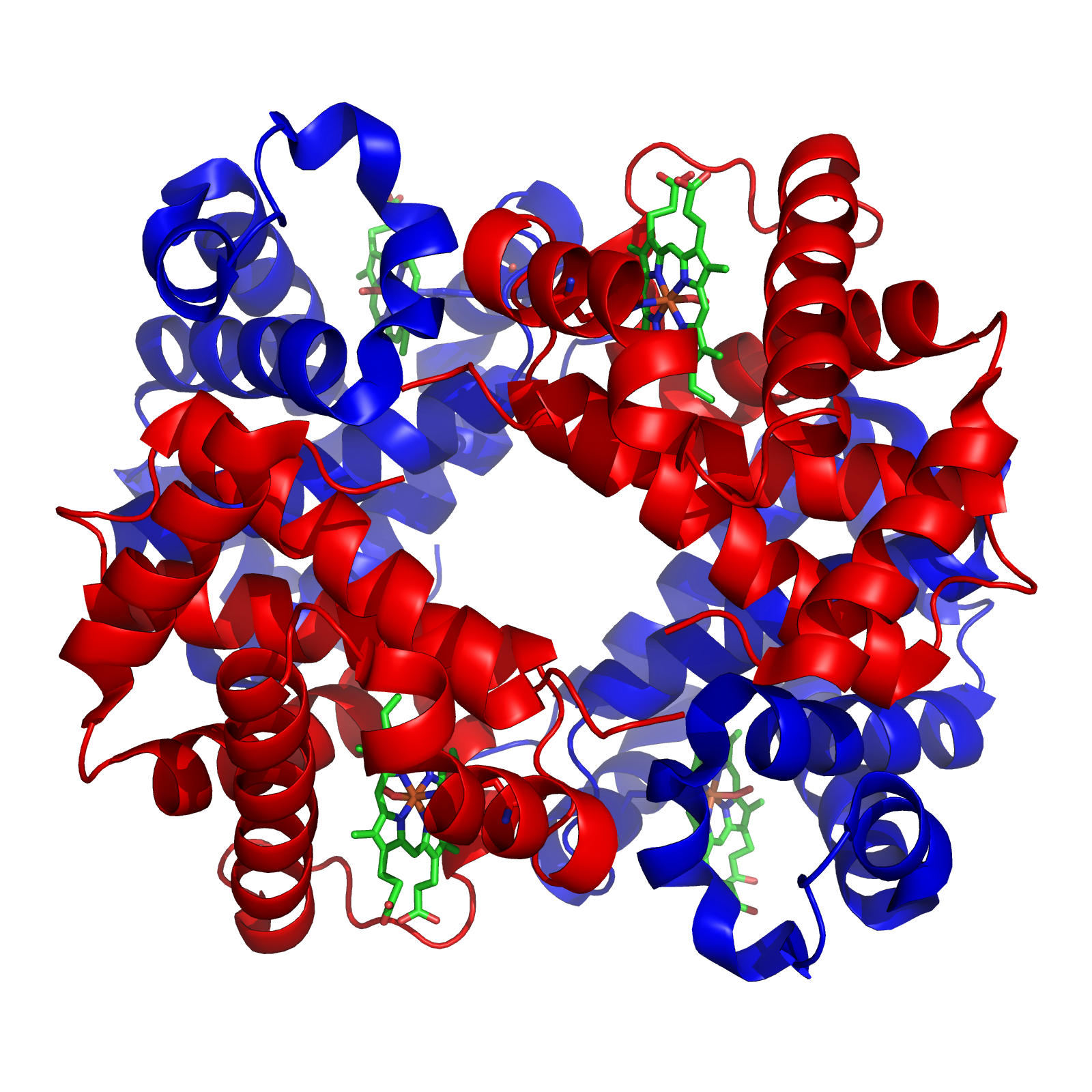
| Field | Value |
|---|---|
| name | Delta-beta thalassemia |
| image | Delta Beta Thalassemia.jpg |
| caption | Delta-beta thalassemia |
| causes | Produces only gamma-globin and forms HbF(deletes entire delta and beta gene sequence) |
| diagnosis | High-performance liquid chromatography |
| treatment | Blood transfusions |
Delta-beta thalassemia is a rare form of thalassemia in which there is a reduced production of hemoglobin subunit delta and hemoglobin subunit beta and raised levels of hemoglobin subunit gamma. It is an autosomal recessive disorder.
Signs and symptoms
An individual with delta-beta thalassemia is usually asymptomatic, however microcytosis can occur where the red blood cells are abnormally small.
Mechanism
Delta-beta thalassemia is autosomal recessive disorder, A carrier gets a normal gene to produce hemoglobin A, from one parent and the other parent supplies a gene which makes no hemoglobin A. Delta-beta thalassemia is considered rare.
Delta-beta-thalassemia is caused by deletions of the entire delta and beta genes sequences and only gamma-globin and HbF are formed. Rarely, non-deletional forms have been reported.
When two delta0 mutations are inherited, no hemoglobin A2 (alpha2, delta2) are formed. This is innocuous because only 2-3% of normal adult hemoglobin is hemoglobin A2. The individual will have normal hematological parameters (erythrocyte count, total hemoglobin, mean corpuscular volume). The delta-beta thalassemia demonstrates one mutation is at the +69 position.
Relation to beta thalassemia
Delta-beta thalassemia can mask the diagnosis of beta thalassemia trait. In beta thalassemia, an increase in hemoglobin A2 results, but the co-existence of a delta-beta thalassemia mutation will decrease the value of the hemoglobin A2 into the normal range, thereby obscuring the diagnosis of beta thalassemia trait
Diagnosis
Following the detection of hypochromic microcytic red blood cells, delta-beta thalassemia is confirmed by high-performance liquid chromatography.
Treatment
When needed, treatment for anemia, such as blood transfusions are used.
Stem cell transplant is another option, but the donor and the individual who will receive the bone marrow transplant must be compatible, the risks involved should be evaluated.
References
References
- "Delta-beta-thalassemia".
- "HBD - hemoglobin subunit delta".
- Pal, G. K. &. (2005). "Textbook Of Practical Physiology - 2Nd Edn.". Orient Blackswan.
- "Delta beta thalassemia carrier".
- "Thalassaemia {{!}} Health {{!}} Patient".
- "Transcription and Translation - National Human Genome Research Institute (NHGRI)". NIH.
- (2010). "Diagnostic pediatric hematopathology". Cambridge University Press.
- "OMIM Entry - * 142000 - HEMOGLOBIN--DELTA LOCUS; HBD".
- Galanello, Renzo. (2010). "Beta-thalassemia". Orphanet Journal of Rare Diseases.
- (November 2017). "Delta-Beta Thalassaemia in a Pathan Family". Journal of the College of Physicians and Surgeons (Pakistan).
- Cao, Antonio. (2010-02-01). "Beta-thalassemia". Genetics in Medicine.
- "Risks".
This article was imported from Wikipedia and is available under the Creative Commons Attribution-ShareAlike 4.0 License. Content has been adapted to SurfDoc format. Original contributors can be found on the article history page.
Ask Mako anything about Delta-beta thalassemia — get instant answers, deeper analysis, and related topics.
Research with MakoFree with your Surf account
Create a free account to save articles, ask Mako questions, and organize your research.
Sign up freeThis content may have been generated or modified by AI. CloudSurf Software LLC is not responsible for the accuracy, completeness, or reliability of AI-generated content. Always verify important information from primary sources.
Report