From Surf Wiki (app.surf) — the open knowledge base
Dauphin of France
Title given to the heir apparent to the throne of France
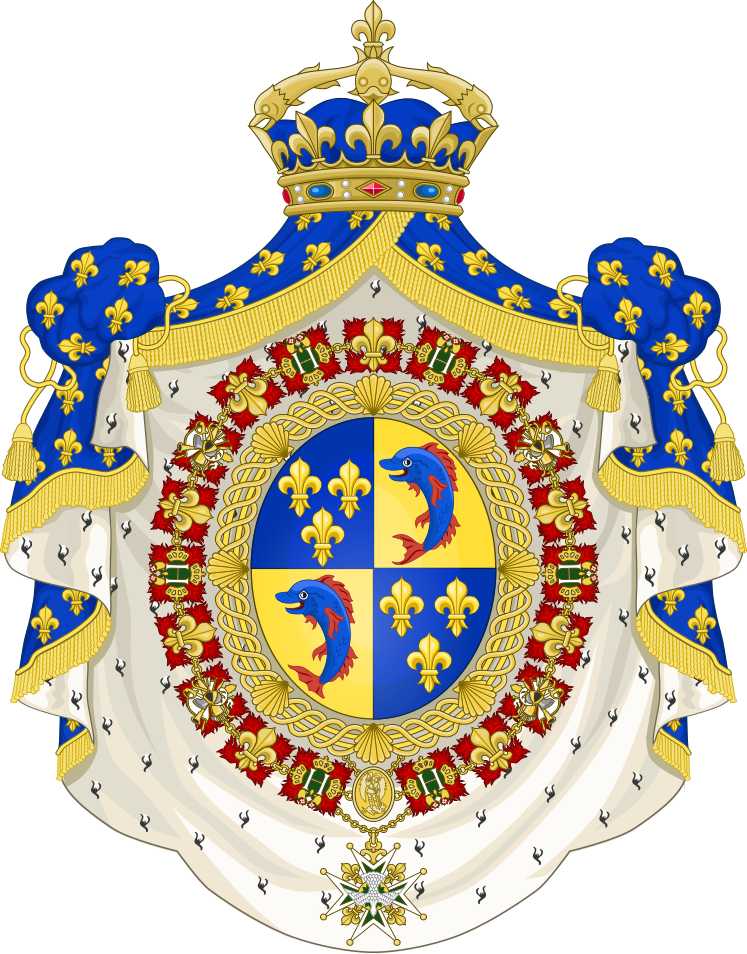
Title given to the heir apparent to the throne of France
Dauphin of France (, also ; ), originally Dauphin of Viennois (Dauphin de Viennois), was the title given to the heir apparent to the throne of France from 1350 to 1791, and from 1824 to 1830. The word dauphin is French for dolphin and was the hereditary title of the ruler of the Dauphiné of Viennois. While early heirs were granted these lands to rule, eventually only the title was granted.
The wife of the Dauphin was known as la Dauphine.
History
Count Guigues IV of Albon (d. 1142) in Viennois, within the Kingdom of Burgundy (Arles), under the suzerainty of the Holy Roman Empire, had a dolphin on his coat of arms, and was nicknamed le Dauphin. In time, that nickname came to be used as a title. Since 1285, the title of Dauphin de Viennois was already in official use by the counts of Albon, and their domains came to be known as the Dauphiné.
In 1343, a series of negotiations was initiated between dauphin Humbert II of Viennois and the French king Philippe VI, regarding the future inheritance of the Dauphiné. Since Humbert had no heirs, it was initially agreed that in exchange for a substantial financial compensation, his domains will pass to king's younger son Philip, Duke of Orléans, but already in 1344 the provisions were changed by the new agreement, designating king's oldest son and heir John, Duke of Normandy as Humbert's heir in the Dauphiné.
By 1349, Humbert decided to relinquish his rule over Dauphiné, and the final agreement was made, designating king's grandson and John's son Charles as Humbert's successor, on the condition that Dauphiné will remain a distinctive polity, not integrated into the French realm. Thus in the summer of 1349, the young French prince Charles became the first Dauphin de Viennois from the House of Valois. In 1350, when his father ascended to the French throne as king John II, Charles became the heir presumptive and thus for the first time both honors (heir to the French throne, and Dauphin de Viennois) were held by the same person.

Originally the Dauphin was personally responsible for the rule of the Dauphiné, which was legally part of the Holy Roman Empire, and which the emperors, in giving the rule of the province to the French heirs, had stipulated must never be united with France. Because of this, the Dauphiné suffered from anarchy in the 14th and 15th centuries, since the Dauphins were frequently minors or concerned with other matters.
During his period as Dauphin, Louis, son of Charles VII, defied his father by remaining in the province longer than the king permitted and by engaging in personal politics more beneficial to the Dauphiné than to France. For example, he married Charlotte of Savoy against his father's wishes. Savoy was a traditional ally of the Dauphiné, and Louis wished to reaffirm that alliance to stamp out rebels and robbers in the province. Louis was driven out of the Dauphiné by Charles VII's soldiers in 1456, leaving the region to fall back into disorder. After his succession as Louis XI in 1461, Louis united the Dauphiné with France, bringing it under royal control.
The title was roughly equivalent to the Spanish Prince of Asturias, the Portuguese Prince of Brazil, the English (later British) Prince of Wales, the Dutch Prince of Orange, and the Scottish Duke of Rothesay. The official style of a Dauphin of France, prior to 1461, was par la grâce de Dieu, dauphin de Viennois, comte de Valentinois et de Diois ("By the Grace of God, Dauphin of Viennois, Count of Valentinois and of Diois"). A Dauphin of France united the coat of arms of the Dauphiné, which featured dolphins, with the French fleurs-de-lis, and might, where appropriate, further unite that with other arms (e.g. Francis, son of Francis I, was ruling Duke of Brittany, so united the arms of that province with the typical arms of a Dauphin; Francis II, while Dauphin, was also King of Scots by marriage to Mary I, and added the arms of the Kingdom of Scotland to those of the Dauphin).
The title was automatically conferred upon the next heir apparent to the throne in the direct line upon birth, accession of the parent to the throne or death of the previous Dauphin, unlike the British title Prince of Wales, which has always been in the gift of the monarch (traditionally conferred upon the heir's 21st birthday).
The sons of the King of France held the style and rank of fils de France (son of France), while male-line grandsons were given the style and rank of petits-enfants de France (Grandson of France). The sons and grandsons of the Dauphin ranked higher than their cousins, being treated as the king's children and grandchildren respectively. The sons of the Dauphin, though grandsons of the king, were ranked as Sons of France, and the grandsons of the Dauphin ranked as Grandsons of France; other great-grandsons of the king ranked merely as princes of the blood.
The title was abolished by the Constitution of 1791, which made France a constitutional monarchy. Under the constitution the heir-apparent to the throne (Dauphin Louis-Charles at that time) was restyled Prince Royal (a Prince of the Blood retitled prince français), taking effect from the inception of the Legislative Assembly on 1 October 1791. The title was restored in potentia under the Bourbon Restoration of Louis XVIII, but there would not be another Dauphin until after his death. With the accession of his brother Charles X, Charles' son and heir Louis-Antoine, Duke of Angoulême automatically became Dauphin.
With the removal of the Bourbons the title fell into disuse, the heirs of Louis Philippe I being titled Prince Royal. After the death of Henri, comte de Chambord, Carlos, Duke of Madrid, the heir of the legitimist claimant, Juan, Count of Montizón, made use of the title in pretense, as have the Spanish legitimist claimants since.
Gallery of Arms

File:Arms of the Dauphin of France.svg|Arms of the Dauphin of France, depicting the fleur-de-lis and the dolphin. Image:Dauphin of Viennois Arms.svg|Arms of the Dauphiné Image:Blason dauphine fr Bretagne.svg|Arms of Dauphin François, Duke of Brittany. File:Arms of Francis, Dauphin of France and King consort of Scots.svg|Arms of Dauphin Francis, King-consort of Scots. Image:Crown of the Dauphin of France.svg|Heraldic Crown of the Dauphin of France.
List of Dauphins
| N° | Name as Dauphin | Heir of | Birth | Became Dauphin | Ceased to be Dauphin | Death | Other titles before or while Dauphin | Name as King | Dauphine | 1 | 2 | 3 | 4 | 5 | 6 | 7 | 8 | 9 | 10 | 11 | 12 | 13 | 14 | 15 | 16 | 17 | 18 | 19 | 20 | 21 | 22 | 23 | 24 | 25 | 26 | 27 |
|---|---|---|---|---|---|---|---|---|---|---|---|---|---|---|---|---|---|---|---|---|---|---|---|---|---|---|---|---|---|---|---|---|---|---|---|---|
| [[File:Saint-Denis (93), basilique, gisant de Charles V sculpté lorsqu'il avait 27 ans 2.jpg | 80px]] | |||||||||||||||||||||||||||||||||||
| Charles | John II | 21 January 1338 | Summer 1349 | |||||||||||||||||||||||||||||||||
| Became Dauphin de Viennois | ||||||||||||||||||||||||||||||||||||
| 22 August 1350 | ||||||||||||||||||||||||||||||||||||
| Became the heir presumptive | 8 April 1364 | |||||||||||||||||||||||||||||||||||
| Became King | 16 September 1380 | Duke of Normandy | Charles V | Joanna of Bourbon | ||||||||||||||||||||||||||||||||
| [[File:Young Charles VI of France.jpg | 80px]] | |||||||||||||||||||||||||||||||||||
| Charles | Charles V | 3 December 1368 | 16 September 1380 | |||||||||||||||||||||||||||||||||
| Became King | 21 October 1422 | — | Charles VI | – | ||||||||||||||||||||||||||||||||
| Charles | Charles VI | 26 September 1386 | 28 December 1386 | — | – | – | ||||||||||||||||||||||||||||||
| [[File:Charles, 6th Dauphin3.jpg | 70px]] | |||||||||||||||||||||||||||||||||||
| Charles | 6 February 1392 | 13 January 1401 | Duke of Guyenne | – | – | |||||||||||||||||||||||||||||||
| [[File:Louis de Guyenne, dauphin of France.jpg | 80px]] | |||||||||||||||||||||||||||||||||||
| Louis | 22 January 1397 | 13 January 1401 | 18 December 1415 | Duke of Guyenne | – | Margaret of Burgundy | ||||||||||||||||||||||||||||||
| [[File:Jean de Touraine, dauphin of France.jpg | 80px]] | |||||||||||||||||||||||||||||||||||
| Jean | 31 August 1398 | 18 December 1415 | 5 April 1417 | Duke of Touraine | – | Jacqueline of Hainaut | ||||||||||||||||||||||||||||||
| [[File:L'Adoration des mages, Heures d'Étienne Chevalier - Charles VII.jpg | 80px]] | |||||||||||||||||||||||||||||||||||
| Charles | 22 February 1403 | 5 April 1417 | 21 October 1422 | |||||||||||||||||||||||||||||||||
| Became King | 22 July 1461 | Count of Ponthieu | Charles VII | – | ||||||||||||||||||||||||||||||||
| [[File:Louis-XI-dauphin.jpg | 80px]] | |||||||||||||||||||||||||||||||||||
| Louis | Charles VII | 3 July 1423 | 22 July 1461 | |||||||||||||||||||||||||||||||||
| Became King | 30 August 1483 | — | Louis XI | Margaret of Scotland; | ||||||||||||||||||||||||||||||||
| Charlotte of Savoy | ||||||||||||||||||||||||||||||||||||
| [[File:Tomb of the children of Charles VIII Tours 2.jpg | 80px]] | |||||||||||||||||||||||||||||||||||
| François | Louis XI | 4 December 1466 | — | – | – | |||||||||||||||||||||||||||||||
| [[File:Portrait of King Charles VIII of France (1470–1498), by anonymous artist, 16th century (cropped) 2.jpg | 80px]] | |||||||||||||||||||||||||||||||||||
| Charles | 30 June 1470 | 30 August 1483 | ||||||||||||||||||||||||||||||||||
| Became King | 7 April 1498 | — | Charles VIII | – | ||||||||||||||||||||||||||||||||
| [[File:Master of Moulins - The Dauphin Charles-Orlant - WGA14467.jpg | 80px]] | |||||||||||||||||||||||||||||||||||
| Charles Orland | Charles VIII | 11 October 1492 | 16 December 1495 | — | – | – | ||||||||||||||||||||||||||||||
| [[File:Charles (1496).jpg | 80px]] | |||||||||||||||||||||||||||||||||||
| Charles | 8 September 1496 | 2 October 1496 | — | – | – | |||||||||||||||||||||||||||||||
| François | July 1497 | — | – | – | ||||||||||||||||||||||||||||||||
| [[File:Francis Dauphin Bretagne.jpg | 80px]] | |||||||||||||||||||||||||||||||||||
| François | Francis I | 28 February 1518 | 10 August 1536 | Duke of Brittany | – | – | ||||||||||||||||||||||||||||||
| [[File:Corneille de Lyon - Le Dauphin Henri (1536-1537).jpg | 80px]] | |||||||||||||||||||||||||||||||||||
| Henri | 31 March 1519 | 10 August 1536 | 31 March 1547 | |||||||||||||||||||||||||||||||||
| Became King | 10 July 1559 | Duke of Orléans, Duke of Brittany | Henry II | Catherine de' Medici | ||||||||||||||||||||||||||||||||
| [[File:Francesco II.jpg | 80px]] | |||||||||||||||||||||||||||||||||||
| François | Henry II | 19 January 1544 | 31 March 1547 | 10 July 1559 | ||||||||||||||||||||||||||||||||
| Became King | 5 December 1560 | King-consort of Scotland | Francis II | Mary, Queen of Scots | ||||||||||||||||||||||||||||||||
| [[File:Louis XIII.jpg | 80px]] | |||||||||||||||||||||||||||||||||||
| Louis | Henry IV | 27 September 1601 | 14 May 1610 | |||||||||||||||||||||||||||||||||
| Became King | 14 May 1643 | — | Louis XIII | – | ||||||||||||||||||||||||||||||||
| [[File:LouisXIV-child.jpg | 80px]] | |||||||||||||||||||||||||||||||||||
| Louis-Dieudonné | Louis XIII | 5 September 1638 | 14 May 1643 | |||||||||||||||||||||||||||||||||
| Became King | 1 September 1715 | — | Louis XIV | – | ||||||||||||||||||||||||||||||||
| [[File:The Grand Dauphin by Rigaud.jpg | 80px]] | |||||||||||||||||||||||||||||||||||
| Louis, *le Grand Dauphin* | Louis XIV | 1 November 1661 | 14 April 1711 | — | – | Duchess Maria Anna of Bavaria | ||||||||||||||||||||||||||||||
| [[File:Louis Duc de Bourgogne.jpg | 80px]] | |||||||||||||||||||||||||||||||||||
| Louis, *le Petit Dauphin* | 16 August 1682 | 14 April 1711 | 18 February 1712 | Duke of Burgundy | – | Marie-Adélaïde of Savoy | ||||||||||||||||||||||||||||||
| [[File:Nicolas de Largillière - Portrait of a Young Nobleman - Google Art Project.jpg | 80px]] | |||||||||||||||||||||||||||||||||||
| Louis | 8 January 1707 | 18 February 1712 | 8 March 1712 | Duke of Brittany | – | – | ||||||||||||||||||||||||||||||
| [[File:Musée Ingres-Bourdelle - Portrait de Louis XV enfant - Hyacinthe Rigaud - Joconde06070000235.jpg | 80px]] | |||||||||||||||||||||||||||||||||||
| Louis | 15 February 1710 | 8 March 1712 | 1 September 1715 | |||||||||||||||||||||||||||||||||
| Became King | 10 May 1774 | Duke of Anjou | Louis XV | – | ||||||||||||||||||||||||||||||||
| [[File:Louis de France, dauphin (MV 6583).jpg | 80px]] | |||||||||||||||||||||||||||||||||||
| Louis-Ferdinand | Louis XV | 4 September 1729 | 20 December 1765 | — | – | Infanta Maria Teresa Rafaela of Spain; | ||||||||||||||||||||||||||||||
| Duchess Maria Josepha of Saxony | ||||||||||||||||||||||||||||||||||||
| [[File:Van Loo, Louis-Michel - The Dauphin Louis Auguste, later Louis XVI.jpg | 80px]] | |||||||||||||||||||||||||||||||||||
| Louis-Auguste | 23 August 1754 | 20 December 1765 | 10 May 1774 | |||||||||||||||||||||||||||||||||
| Became King | 21 January 1793 | Duke of Berry | Louis XVI | Archduchess Maria Antonia of Austria | ||||||||||||||||||||||||||||||||
| [[File:Louis Joseph of France.jpg | 80px]] | |||||||||||||||||||||||||||||||||||
| Louis-Joseph | Louis XVI | 22 October 1781 | 4 June 1789 | — | – | – | ||||||||||||||||||||||||||||||
| [[File:Louis Charles of France6.jpg | 80px]] | |||||||||||||||||||||||||||||||||||
| Louis-Charles | 27 March 1785 | 4 June 1789 | 1 October 1791 | |||||||||||||||||||||||||||||||||
| Retitled as "Prince-royal" | 8 June 1795 | Duke of Normandy | Louis XVII | – | ||||||||||||||||||||||||||||||||
| [[File:Louis Antoine d'Artois.jpg | 80px]] | |||||||||||||||||||||||||||||||||||
| Louis-Antoine | Charles X | 6 August 1775 | 16 September 1824 | 2 August 1830 | ||||||||||||||||||||||||||||||||
| Abdication | 3 June 1844 | Duke of Angoulême | Louis XIX | Marie Thérèse of France |
In literature

In Mark Twain's Adventures of Huckleberry Finn, Huck encounters two odd characters who turn out to be professional con men. One of them claims that he should be treated with deference, since he is "really" an impoverished English duke, and the other, not to be outdone, reveals that he is "really" the Dauphin "Looy the Seventeen, son of Looy the Sixteen and Marry Antonet".
Louis, Duke of Guyenne, the Dauphin of Viennois, is a character in William Shakespeare's Henry V. Another Shakespeare play, King John, features the future Louis VIII as "Lewis the Dauphin" - this is an anachronisms, as he died over a century before the term was applied to French heirs-apparent.
In Baroness Emma Orczy's Eldorado, the Scarlet Pimpernel rescues the Dauphin from prison and helps spirit him from France.
Alphonse Daudet wrote a short story called "The Death of the Dauphin", about a young Dauphin who wants to stop Death from approaching him.
The Dauphin is also mentioned in Cormac McCarthy's Blood Meridian.
"The Dauphin" is a 1988 episode of Star Trek: The Next Generation. As the titular character (a planetary princess) is female, the episode title gets the gender incorrect (the French female equivalent is "Dauphine").
Robert Pattinson portrays the Dauphin of Viennois in The King.
References
Sources
References
- "dauphin {{!}} French political history".
- (2 April 2014). "Louis, Dauphin of France Biography". A&E Television Networks.
This article was imported from Wikipedia and is available under the Creative Commons Attribution-ShareAlike 4.0 License. Content has been adapted to SurfDoc format. Original contributors can be found on the article history page.
Ask Mako anything about Dauphin of France — get instant answers, deeper analysis, and related topics.
Research with MakoFree with your Surf account
Create a free account to save articles, ask Mako questions, and organize your research.
Sign up freeThis content may have been generated or modified by AI. CloudSurf Software LLC is not responsible for the accuracy, completeness, or reliability of AI-generated content. Always verify important information from primary sources.
Report