From Surf Wiki (app.surf) — the open knowledge base
Dating
Meeting socially intending a future relationship

Meeting socially intending a future relationship
Dating is an activity of spending time together ("going on dates") usually through planned social encounters, with the intention of getting to know each other, often with a romantic or intimate purpose. While the result of dating may at any time lead to friendship, any level of intimate relationship, marriage, or no relation, its significance extends beyond relationship status. Psychological research suggests that dating can also function as a form of personal growth, as individuals expand their understanding of themselves and others through shared experiences and emotional exchange.
Etymology
The earliest recorded use of the noun "date" in English appeared in 1896 in the writings of George Ade, a columnist for the Chicago Record. In this context date referred to a form of "public" courtship, when a woman met a man outside the private sphere of the home or court. In Ade's 1899 collection "Fabels in Slang", he used the term "Date Book" to describe a ledger kept by a shop cashier to track her dates with suitors until marriage.
During the Victorian era (mid-1800s until World War I), courtship customs differed sharply by social class: among the middle and upper classes, romantic interactions occurred under parental supervision within the home, while working-class couples, whose smaller living spaces limited privacy, met in public venues such as restaurants, dances, and theatres. These public outings marked a cultural shift from supervised dating to unsupervised leisure encounters, giving rise to the modern notion of a “date”, understood as a planned social meeting between potential romantic partners.
The term and practice of dating spread globally through cultural exchange, colonisation, and mass media, but it has no direct linguistic equivalent in most Eastern languages. In China, the modern term yuēhuì (约会, “appointment” or “meeting”) adopted romantic meaning in the early 20th century under Western influence. In Japan, the word deeto (デート) was borrowed phonetically from English during the Taishō period (1912–1926), reflecting the shift in marriage practices from the traditional omiai (formal, facilitated introductions) to the modern, Western-influenced dating based on individual choice and romantic love. In many Arabic-speaking societies, romantic interaction before marriage traditionally occurred within tightly regulated frameworks such as khitbah (engagement) or family-arranged meetings, and public expressions of affection were often restricted by social and religious norms. The diffusion of global media and migration introduced new discourses of love and companionship, particularly among urban youth and diaspora populations. As a result, the borrowed term daiting (دايتنغ) along with variants such as diting and dāyteng, entered colloquial usage, typically referring to informal cross-gender interactions that mirrored aspects of Western-style dating while remaining distinct from traditional, family-mediated courtship practices.
Forms and practices of dating
The term dating can refer to several related concepts. Dating can take many forms, differing in intentionality (the kind of relationship people seek, e.g. committed, casual, exploratory), medium (e.g. in-person, digital), and structure (e.g. dyadic, multi-partner), reflecting how individuals navigate connection, commitment and context in modern relationships
Commonly recognized forms include:
- Traditional dating
- Online dating
- Long-distance dating
- Casual dating
- Intentional dating
- Double dating
- Blind dating
- Speed dating
- Multi-partner dating
- Historical forms of dating
Traditional dating
Traditional dating is a culturally defined, offline form of courtship characterized by established rituals, social scripts, and often family or community involvement. Traditional dating typically involves meeting prospective partners through in-person interactions and personal introductions (via friends, family, or community). In this mode, dating typically follows culturally embedded customs and social scripts. For example, in many cultures men are expected to initiate dates and cover expenses, while women are often expected to respond receptively, reflecting persistent gender norms associated with courtship roles. Family oversight and community participation are also common, as courtship has traditionally unfolded under parental supervision or through arranged introductions. For instance, Japan's omiai matchmaking custom involves formal meetings with both families and a matchmaker present. However, the rate of people meeting partners through traditional means, while still present, has steadily declined since around 2013, giving way to the growing dominance of online dating.
Online dating
Online dating refers to the use of internet-based platforms, applications, or social media to initiate and develop romantic or sexual relationships between individuals who have not previously met in person. It enables individuals to connect outside of their immediate social networks through digital profiles, algorithms, or shared interests, making it one of the most significant transformations in modern courtship.
Contemporary online dating began in the mid-1990s with online dating websites, followed by mobile apps in the 2010s. These modernised the personals section of newspapers as a way to find prospective partners and about 30% of Americans report using a dating site. These technologies introduced geolocation-based matching, algorithmic recommendations, and swipe interfaces that normalised digital romantic interaction across many cultures, dramatically expanding the user base. Over time, the stigma once associated with finding partners online faded as digital matchmaking became mainstream and seamlessly integrated into everyday dating culture.
In addition to dating apps, many people now form romantic connections through social media platforms such as Instagram, X, and Facebook. These interactions often emerge through "mutuals" (friends or acquaintances followed by both parties) where liking, commenting, or replying to stories functions as a low-risk form of flirtation and vetting. This pattern reflects what have been described as ambient intimacy: a mode of online intimacy that develops gradually through sustained visibility, shared digital environments and micro connections rather than explicit matching algorithms.
Some studies suggest that online dating facilitates the process for those with social anxiety. Studies also suggest that online environment is conducive to impression management, such as selectively presenting personal details or photos, however many still pursue genuine emotional connection and trust through these online interactions.
During the COVID-19 pandemic, dating apps adapted by integrating in-app video and voice features to support real-time interactions and maintain intimacy at a distance. This development, often referred to as virtual dating, shifted early romantic encounters from public spaces to private homes and blended online interaction with synchronous communication via Zoom, WhatsApp, FaceTime, Google Hangouts. Researchers suggest that these practices are likely to persist beyond the pandemic, reflecting broader trends in how technology mediates intimacy.
Long-distance dating
Long-distance dating refers to romantic relationships in which partners live in different geographic locations and maintain connection through digital communication (e.g. phone calls, video chats, messaging) and typically scheduled in-person meetings that involve travel. Such relationships may emerge from prior in-person connections or online interactions.
Studies indicate that long-distance partners often report levels of relationship satisfaction and stability comparable to, or even higher than, geographically close couples, partly because communication tends to be more deliberate and self-disclosing. Qualitative research shows that intimacy in long-distance dating often depends on shared meanings of "feeling close", a strong base of friendship, and trust supported by consistent communication and technology use and many partners view the distance as a temporary and purposeful phase that reinforces commitment.
Challenges of long-distance dating include limited physical contact, travel costs, and the emotional strain of uncertainty about future reunification and commitment.
Research on the transition from long-distance to geographically close relationships shows that such reunions can be both rewarding and challenging. About half of long-distance couples eventually reunite, but roughly one-third of those relationships end within three months of reunion. The shift often brings changes such as reduced autonomy, time management difficulties, and increased conflict or jealousy, as partners adjust to daily proximity and lose some of the novelty and independence characteristic of long-distance dating. Research comparing long-distance and geographically close dating relationships found that long-distance partners often engage in greater idealization and report higher satisfaction with relationship communication, apparently to greater effort put into communication.
Casual dating
Casual dating refers to romantic or sexual relationships that are not oriented toward long-term commitment or exclusivity. Such arrangements may involve short-term or non-exclusive partnerships. Motivations for casual dating can include sexual exploration, socialisation, or autonomy, and personal growth rather than commitment or marriage.
Sexual interactions between unmarried heterosexuals have been variously defined as promiscuity, free love, casual sex, or hook-up culture, friends with benefits, depending on the ideological and disciplinary context. Casual dating exists on a continuum that ranges from transient encounters to ongoing but non-exclusive relationships, reflecting diverse approaches to intimacy and attachment. The meaning and moral interpretation of casual dating differ by culture, gender, and generation. Dating practices can vary in the degree of emotional involvement, for example, relationship can be committed, monogamous, non-monogamous, or casual, and individuals often signal their preferred degree of commitment through social or digital cues. Commitment can be connected to dating stability.
A research study (2025) found no evidence for a stereotype that people who engage in casual sex, particularly women, have lower self-esteem than those who report only committed sexual relationships.
Intentional dating
Intentional dating is a structured approach in which partners in long-term relationships continue to go on dates with each other through planned, meaningful experiences. It is based on the idea that desire and emotional closeness can be strengthened through ongoing effort rather than left to routine or chance. By approaching dating mindfully, choosing activities that foster curiosity, novelty, and emotional presence, partners can strengthen their sense of emotional connection and reignite sexual and romantic desire over time. Intentional dating draws on ideas from Self-Expansion Theory, which suggests that relationships thrive when partners keep learning, exploring, and discovering new sides of themselves and each other through shared experiences that act as catalysts for personal and relational growth. By combining evidence-based principles of autonomy, competence, and relatedness from Self-Determination Theory with the motivational mechanisms of self-expansion, intentional dating treats desire as a skill that can be cultivated through deliberate practice, helping couples sustain intimacy and erotic vitality throughout their relationship.
Double dating
A double date is a social activity in which two couples go out together on the same occasion, sharing the experience as a group rather than individually. It is usually intended to make the outing more relaxed, to provide social variety, or to introduce friends to one another in a comfortable setting. Each person is romantically involved only with their own partner and there’s no romantic or sexual interaction between the couples. Double dating can occur in various forms such as dining out, attending an event, or participating in shared leisure activities and often serves both a social and relational function by combining couple bonding with peer interaction.
Group dating, “Gōkon” in Japanese, is distinct from double dating, which is a social event where several men and women meet in groups, often for matchmaking or casual socialising. Similar forms exist in other cultures, such as sogaeting in South Korea or “single parties” in China.
Blind dating
Blind dating refers to a meeting between two people who have not previously met, arranged by a mutual acquaintance, family member, or matchmaking service. The participants typically know little or nothing about each other before the encounter, beyond basic identifying information. The practice became popular in Western societies during the mid-20th century as part of social matchmaking culture and was later adapted for television programs and digital platforms.
A study analysing newspaper-arranged blind dates found that women tend to be more selective than men, giving slightly lower ratings to their dates, consistent with parental investment theory and sexual strategies theory, which suggest that women are generally more cautious in mate selection due to higher reproductive investment.
Blind dating is valued by some for reducing appearance-based bias, while others view it as risky or unpredictable due to limited prior knowledge. Recent research shows that attraction during dating interactions isn’t driven by physical appearance alone - it also emerges from a subtle choreography of movements, reactions, and expressions that create emotional connection and mutual responsiveness. This helps explain why blind dating, despite its unpredictability, can still foster genuine connection through the shared experience of curiosity and emotional resonance. Today, it remains common in the context of online dating, often facilitated by apps or social media. Many dating platforms now include “blind date” modes that hide photos until after both people agree to chat, recreating the suspense of traditional blind dating.
Speed dating
Speed dating is a structured social event where individuals have a series of short timed conversations (often lasting 3–8 minutes) with multiple potential partners. Participants indicate mutual interest after each encounter, and organisers facilitate contact between matches. Originating in the late 1990s, speed dating was designed to increase efficiency in mate selection. The phenomenon has been used in multiple studies on first impressions and decision-making under time pressure.
Events are typically held in social venues, such as restaurants or bars, where participants rotate between brief interviews with different partners, often meeting up to 20 people in a single session.
Its main advantages include efficiency and cost-effectiveness, allowing participants to meet many people in a short period of time. However, critics note that the format can resemble a beauty contest, where more physically attractive participants receive the majority of offers, while factors such as personality and intelligence may be overlooked due to limited interaction time, especially in large groups or shorter sessions.
In Shanghai, one event featured eight-minute one-on-one meetings in which participants were pre-screened by age, education, and career and which cost 50 yuan (US$6) per participant; participants were asked not to reveal contact information during the brief meeting with the other person, but rather place names in cards for organizers to arrange subsequent dates.
Multi-partner dating
Multi-partner dating refer to romantic or sexual relationships involving more than two participants, with informed consent from all parties. These arrangements can take many forms, such as triads, quads, polyamorous or open relationship networks, and are based on transparency, ethics and negotiated boundaries.
Historical forms of dating
- **** systems of the 1980s and 1990s especially, where customers gave a performance on (typically VHS) video, which was viewable by other customers, usually in private, in the same facility. Some services would record and play back videos for men and women on alternate days to minimize the chance that customers would meet each other on the street.
- Phone dating systems of about the same vintage, where customers call a common voice mail or phone-chat server at a common local phone number, and are connected with other (reputed) singles, and typically charged by the minute as if it were a long-distance call (often a very expensive one). A key problem of such systems was that they were hard to differentiate from a phone porn service or "phone sex" where female operators are paid to arouse male customers and have no intention of ever dating them.
Wide variation in behavior patterns
Social rules regarding dating vary considerably according to variables such as social class, race, religion, age, sexual orientation and gender. Behavior patterns and dating preferences are generally unwritten and constantly changing. There are considerable differences between social and personal values.
Gendered norms and preferences
Main article: Gender essentialism, Hypergamy
Gendered heterosexual dating norms include men asking women on dates, men planning and paying for dates, men proposing exclusivity, men proposing marriage to women. Gendered heterosexual dating norms for women generally include either accepting or rejecting men's initiatives and avoiding overt initiative.
Online dating patterns suggest that men are more likely to initiate online exchanges (over 75%) and extrapolate that men are less "choosy", seek younger women, and "cast a wide net". One common gendered dating preference is that heterosexual men prefer women's physical attractiveness more than reverse.{{cite magazine |access-date= 2010-12-13 |archive-date= 2023-03-19 |archive-url= https://web.archive.org/web/20230319151000/https://www.psychologytoday.com/intl/blog/valley-girl-brain/201006/can-you-be-beautiful-not-superficial |url-status= live |access-date= 2010-12-08 |archive-date= 2008-09-07 |archive-url= https://web.archive.org/web/20080907180252/http://www.livescience.com/health/070212_date_numbers.html |url-status= live |access-date= 2010-12-13
While many gendered dating norms follow patriarchy or chivalry, the online dating app Bumble enforced until 2024 the gendered dating norm that heterosexual women send the first message after matching.
In countries with reversal of the gender gap in education, such as parts of Europe and USA, a switch of educational hypergamy from men to women showing on average higher educational attainment was observed in heterosexual couples.
Gender egalitarian norms
Main article: Egalitarianism, Homogamy (sociology)
Gender egalitarian dating norms have no gendered differences in dating norms, in line with gender equality. Going dutch at dates refers to the equal split of the bill at dates. Some women reject gender equal norms, such as women approaching men, due to fear of rejection, to avoid slut-shaming, viewing symbolic gendering as benevolent or viewing men following gender egalitarian dating norms as lack of men's interest. Some women report privately playing a decisive role in the timing of the marriage proposal, while publicly following gendered courtship conventions. When traditional gender roles persist in dating, but gender equality is promoted in the workplace, it can create role conflict for individuals between their personal and professional lives.
Work–life balance
Main article: Work–life balance
Some view that women should fulfill the role of primary caregivers, with little to no spousal support and with few services by employers or government such as parental leave or childcare. Accordingly, an issue regarding dating is the subject of career timing which generates controversy. Some views reflect a traditional notion of gender roles. For example, Danielle Crittenden in What Our Mothers Didn't Tell Us argued that having both a career and family at the same time was taxing and stressful for a woman; as a result, she suggested that women should date in their early twenties with a seriousness of purpose, marry when their relative beauty permitted them to find a reliable partner, have children, then return to work in their early thirties with kids in school; Crittenden acknowledged that splitting a career path with a ten-year baby-raising hiatus posed difficulties.{{cite news |access-date= 2011-02-04 |archive-date= 2011-01-27 |archive-url= https://web.archive.org/web/20110127134705/http://www.pbs.org/newshour/gergen/march99/gergen_3-1.html |url-status= dead |access-date= 2022-07-16 |archive-date= 2022-07-17 |archive-url= https://web.archive.org/web/20220717045710/https://hbr.org/2002/04/executive-women-and-the-myth-of-having-it-all |url-status= live
Age
Dating can happen for people in most age groups with the possible exception of young children. Teenagers and tweens have been described as dating; according to the CDC, three-quarters of eighth and ninth graders in the United States described themselves as "dating", although it is unclear what is exactly meant by this term.{{cite news |access-date= 2010-12-08 |archive-date= 2010-03-30 |archive-url= https://web.archive.org/web/20100330012238/http://www.huffingtonpost.com/madeline-wheeler/when-a-girl-dies_b_501571.html |url-status= live
Young persons are exposed to many people their own age in their high schools or secondary schools or college or universities. There is anecdotal evidence that traditional dating—one-on-one public outings—has declined rapidly among the younger generation in the United States in favor of less intimate sexual encounters sometimes known as hookups, described as brief sexual experiences with "no strings attached", although exactly what is meant by the term hookup varies considerably.{{cite news |access-date= 2010-12-08 |archive-date= 2010-11-25 |archive-url= https://web.archive.org/web/20101125191419/http://www.npr.org/templates/story/story.php?storyId=105008712 |url-status= live |access-date= 2010-12-13 |archive-date= 2015-01-02 |archive-url= https://web.archive.org/web/20150102213041/http://contexts.org/articles/summer-2010/is-hooking-up-bad-for-young-women/ |url-status= live |access-date = 2010-12-09 |url-status = dead |archive-url = https://web.archive.org/web/20110723130129/http://www1.chinadaily.com.cn/language_tips/auvideo/2009-10/16/content_8802864_2.htm |archive-date = 2011-07-23 |access-date = 2010-12-09 |url-status = dead |archive-url = https://web.archive.org/web/20110723130129/http://www1.chinadaily.com.cn/language_tips/auvideo/2009-10/16/content_8802864_2.htm |archive-date = 2011-07-23 |access-date= 2010-12-08 |access-date= 2010-12-08 |archive-date= 2012-06-28 |archive-url= https://web.archive.org/web/20120628203421/http://www.usatoday.com/LIFE/usaedition/2010-02-11-couplesmeet11_CV_U.htm |url-status= live |access-date= 2010-12-08 |archive-date= 2010-11-25 |archive-url= https://web.archive.org/web/20101125191419/http://www.npr.org/templates/story/story.php?storyId=105008712 |url-status= live
People over thirty, lacking recent college experience, have better luck online finding partners. Economist Sylvia Ann Hewlett in 2002 found that 55% of 35-year-old career women were childless, while 19% of male corporate executives were, and concluded that "the rule of thumb seems to be that the more successful the woman, the less likely it is she will find a husband or bear a child."{{cite news |access-date= 2010-12-08 |archive-date= 2011-04-10 |archive-url= https://web.archive.org/web/20110410033738/http://www.nytimes.com/2005/10/30/magazine/30feminism.html |url-status= live
While people tend to date others close to their own age, age disparity in sexual relationships varies. In many countries, the older-man-younger-woman arrangement is seen as permissible or preferable. In China, older men with younger women are more likely to be described as "weird uncles" rather than "silver foxes."{{cite news |access-date= 2010-12-09 |archive-date= 2010-11-09 |archive-url= https://web.archive.org/web/20101109202047/http://www.chinadaily.com.cn/metro/2010-07/09/content_10085925.htm |url-status= live
Since divorce is increasing in many areas, there is dating advice for the freshly divorced as well, which includes not talking about your ex or your divorce but focusing on "activities that bring joy to your life."{{cite news |access-date= 2010-12-08 |author-link= Julie Spira |archive-date= 2010-11-28 |archive-url= https://web.archive.org/web/20101128154047/http://www.huffingtonpost.com/julie-spira/online-dating-tips-for-th_b_778714.html |url-status= live |access-date= 2010-12-08 |archive-date= 2014-11-17 |archive-url= https://web.archive.org/web/20141117073505/http://www.theguardian.com/lifeandstyle/2009/jan/24/claire-rayner-older-dater-advice |url-status= live
LGBTQ+
Dating behavior of non-heterosexual individuals does not always reflect their self-ascribed sexual orientation. Some people recognize from an early age that they are attracted to the same sex or both/all sexes but may initially adhere to heterosexual norms in their dating behaviors. Some individuals who identify as LGBTQ+ but are questioning or have not come out to their peers and family, may wait years before they start dating their preferred sex. According to a Psychology Today report, men who identify as homosexual recognize their same-sex attraction in their late teens or early twenties, and tend to care more about physical attractiveness than status of a prospective partner. Men who identify as homosexual, on average, tend to have more sexual partners, while women who identify as lesbian tend to form steadier one-on-one relationships, and tend to be less promiscuous than heterosexual women. In India, transgender individuals and eunuchs have used online dating to help them find partners, but there continue to be strong societal pressures which marginalize them.
Initiation
There are numerous ways people meet potential dates, including blind dates, classified ads, dating websites, hobbies, holidays, office romance, social networking, speed dating, or simply talking in public places, vehicles, or houses. A Pew study in 2005 which examined Internet users in long-term relationships including marriage, found that many met by contacts at work or at school. The survey found that 55% of relationship-seeking singles agreed that it was "difficult to meet people where they live." Work is a common place to meet potential spouses, although there are some indications that the Internet is overtaking the workplace as an introduction venue.{{cite news |access-date= 2010-12-08 |archive-date= 2012-06-28 |archive-url= https://web.archive.org/web/20120628203421/http://www.usatoday.com/LIFE/usaedition/2010-02-11-couplesmeet11_CV_U.htm |url-status= live
People can meet other people on their own or the get-together can be arranged by someone else. Friends remain a common way for people to meet. However, the Internet promises to overtake friends in the future if present trends continue. A friend can introduce two people who do not know each other, and the friend may play matchmaker and send them on a blind date. Parents can introduce their children to each other via their contacts with associates, neighbors, or friends. In India, parents often place matrimonial ads in newspapers or online, and may post the resumes of the prospective bride or groom.{{cite news |access-date = 2010-12-08 |url-status = dead |archive-url = https://web.archive.org/web/20101214193331/http://littleindia.com/news/134/ARTICLE/1871/2007-09-03.html |archive-date = 2010-12-14
Matchmaking systems and services

As technology progressed the dating world progressed as well. In particular, computers, image and video systems, and the internet have all played a large role in dating services. In a timeline by Metro, a statistic matchmaking business opened in 1941, the first reality TV dating show was developed in 1965, and by the 1980s the public was introduced to video dating. Video dating was a way for singles to create and share dating profiles in the form of videos. A person would usually sit in front of a camera and tell whoever may be watching something about themselves. This was frequently coordinated by a dating service that could conduct an interview for the video and show the video to prospective partners. If someone showed interest in a video, the dating service would invite the author of the video in to reciprocally view the interested party's own video. Compared to text-only personal ads, users could hear a voice, see a face and watch body language to determine a physical attraction to the candidates. Compared to in-person dating, users could avoid face-to-face rejection by leveraging the dating service as a neutral third party.
In online dating, individuals create profiles where they disclose personal information, photographs, hobbies, interests, religion and expectations. Then the user can search through hundreds of thousands of accounts and connect with multiple people at once which in return, gives the user more options and more opportunity to find what meets their standards. Online dating has influenced the idea of choice. In Modern Romance: An Investigation, Aziz Ansari states that one third of marriages in the United States between 2005 and 2012 met through online dating services. Today there are hundreds of sites to choose from and websites designed to fit specific needs such as Match, eHarmony, OkCupid, Zoosk, and ChristianMingle. Mobile apps, such as Grindr and Tinder allow users to upload profiles that are then judged by others on the service; one can either swipe right on a profile (indicating interest) or swipe left (which presents another possible mate).
The Internet is shaping the way new generations date. Particularly for the LGBTQ+ community, where the dating pool can be more difficult to navigate due to discrimination and having a 'minority' status in society.
Online dating tools are an alternate way to meet potential dates. Many people use mobile apps such as Tinder, Grindr, or Bumble which allow a user to accept or reject another user with a single swipe of a finger. Some critics have suggested that matchmaking algorithms are imperfect and are "no better than chance" for the task of identifying acceptable partners. Others have suggested that the speed and availability of emerging technologies may be undermining the possibility for couples to have long-term meaningful relationships when finding a replacement partner has potentially become too easy.
Dating systems can be systematic and organized ways to improve matchmaking by using rules or technology. The meeting can be in-person or live and separated by time or space, such as by telephone or email or chat-based. The purpose of the meeting is for the two persons to decide whether to go on a date in the future.
{{anchor|Computer dating}} Computers as matchmakers===
Computer dating systems of the later 20th century, especially popular in the 1960s and 1970s, before the rise of sophisticated phone and computer systems, gave customers forms that they filled out with important tolerances and dating preferences, which were "matched by computer" to determine "compatibility" of the two customers. The history of dating systems is closely tied to the history of technologies that support them, although a statistics-based dating service that used data from forms filled out by customers opened in Newark, New Jersey in 1941.

The first large-scale computer dating system, The Scientific Marriage Foundation, was established in 1957 by Dr. George W. Crane. In this system, forms that applicants filled out were processed by an IBM card sorting machine. The earliest commercially successful computerized dating service in either the US or the UK was Com-Pat, started by Joan Ball in 1964. Operation Match, started by Harvard University students a year later is often erroneously claimed to be the "first computerized dating service." In actuality, both Com-Pat and Operation Match were preceded by other computerized dating services in Europe—the founders of Operation Match and Joan Ball of Com-Pat both stated they had heard about these European computer dating services and that those served as the inspiration for their respective ideas to create computer dating businesses.
The longest running and most successful early computer dating business, both in terms of numbers of users and in terms of profits, was Dateline, which was started in the UK in 1965 by John Patterson. Patterson's business model was not fully legal, however. He was charged with fraud on several occasions for selling lists of the women who signed up for his service to men who were looking for prostitutes. Dateline existed until Patterson's death from alcoholism in 1997, and during the early 1990s it was reported to be the most profitable computer dating company in the world.
In the early 1980s in New York City, software developers wrote algorithms to match singles romantically, sometimes using collaborative filtering technologies.{{cite news |access-date= 2010-09-18
Compatibility algorithms and matching software are becoming increasingly sophisticated.
Using the Internet
Online dating services charge users a fee to post profiles, perhaps using video or still images, descriptive data, and personal preferences for dating, such as age range, hobbies, and so forth. Online dating was a $2 billion per year industry, , with an annual growth rate of 5%. The industry is dominated by a few large companies, such as EHarmony, Zoosk, and InterActiveCorp, or IAC, which owns several brands including Match.com and OkCupid, and new entrants continue to emerge.
Online dating businesses are thriving financially, with growth in members, service offerings, and membership fees and many users renewing their accounts. However, the overall share of Internet traffic using online dating services in the U.S. has declined from 2003 (21% of all Internet users) to 2006 (10%). There is widespread evidence that online dating has increased rapidly and is becoming "mainstream" with new websites appearing regularly. One study suggested that 34% of men and 27% women have used the Internet for dating purposes, and that American's willingness to try it has been on the rise. While online dating has become more accepted, it retains a slight stigma.{{cite news |access-date= 2010-12-08 |archive-date= 2010-08-31 |archive-url= https://web.archive.org/web/20100831010812/http://www.huffingtonpost.com/jessica-massa/how-to-end-the-online-dat_b_697618.html |url-status= live |access-date= 2010-12-09 |archive-date= 2010-05-14 |archive-url= https://web.archive.org/web/20100514233807/http://www.dailystar.com.lb/article.asp?edition_id=10&categ_id=26&article_id=89381#axzz17eLFnlVz |url-status= live
Reports vary about the effectiveness of dating web sites to result in marriages or long–term relationships. Pew Research, based on a 2005 survey of 3,215 adults, estimated that three million Americans had entered into long-term relationships or marriage as a result of meeting on a dating web site. While sites have touted marriage rates from 10% to 25%, sociologists and marriage researchers are highly skeptical that valid statistics underlie any such claims.{{cite news |access-date= 2010-12-08 |archive-date= 2015-03-10 |archive-url= https://web.archive.org/web/20150310004242/http://www.wsj.com/articles/SB124879877347487253 |url-status= live
The Pew study (see table) suggested the Internet was becoming increasingly prominent and accepted as a way to meet people for dates, although there were cautions about deception, the risk of violence, and some concerns about stigmas. The report suggested most people had positive experiences with online dating websites and felt they were excellent ways to meet more people. The report also said that online daters tend to have more liberal social attitudes compared to the general population.
Research from Berkeley University in California suggests a drop-off in interest after online daters meet face-to-face.{{cite news |access-date= 2010-12-28|url-status=dead | archive-date=May 30, 2013 | archive-url=https://web.archive.org/web/20130530061938/http://alumni.berkeley.edu/news/california-magazine/winter-2010-inside-out/heart-matter
| Estimate | % |
|---|---|
| Internet users who've used it romantically | 74% |
| Know somebody who found long-term partner via Internet | 15% |
| Know someone who's used a dating website | 31% |
| Know someone who's gone on a date after visiting a website | 26% |
| Agree online dating can be dangerous | 66% |
| Don't think online dating is dangerous | 25% |
| Believe online dating is for those in "dire straits" | 29% |
| Gone on a dating website | 10% |
Virtual dating incorporates elements of video-game play and dating. Users create avatars and spend time in virtual worlds in an attempt to meet other avatars with the purpose of meeting for potential dates.
Mobile dating or cellphone dating refers to exchanging text messages to express interest in others on the system. These may be web-based or online as well, depending on the company.
At a singles event, a group of singles are brought together to take part in various activities for the purposes of meeting new people. Events might include parties, workshops, and games. Many events are aimed at singles of particular affiliations, interests, or religions.
Evaluation
The purpose of dating is to explore attraction, get to know another person, deepen connection, and foster meaningful, lasting relationships with potential or existing partners, often as a way to form, develop, or maintain romantic relationships. Physical characteristics, personality, financial status, and other aspects of the involved persons are often judged, and as a result, feelings can be hurt and confidence shaken. Because of the uncertainty of the whole situation, the desire to be acceptable to the other person, and the possibility of rejection, dating can be very stressful for all parties involved.
The first date is considered important, sometimes for making a good first impression, or because dating may lead to a more serious relationship, or a breakup, or friendzoning. If the relationship progresses, the next steps may include meeting the parents or other family and eventually cohabitation, engagement, and marriage. Even after the relationship develops, couples still may organize a date or "date night".
While some of what happens on a date is guided by an understanding of basic, unspoken rules, there is considerable room to experiment, and there are numerous sources of advice available. Sources of advice include magazine articles,{{cite news |access-date= 2010-12-08 |archive-date= 2015-12-24 |archive-url= https://web.archive.org/web/20151224203906/http://www.theguardian.com/lifeandstyle/2009/jan/24/online-dating-etiquette-advice |url-status= live |access-date= 2010-12-21 |archive-date= 2011-05-11 |archive-url= https://web.archive.org/web/20110511153904/http://www.huffingtonpost.com/dr-alex-benzer/why-the-smartest-people-h_b_169939.html |url-status= live |access-date= 2010-12-17 |archive-date= 2011-04-16 |archive-url= https://web.archive.org/web/20110416040021/http://www.huffingtonpost.com/dr-ali-binazir/why-do-smart-guys-have-a_b_452874.html |url-status= live |access-date= 2010-12-21 |archive-date= 2010-02-24 |archive-url= https://web.archive.org/web/20100224212552/http://cityroom.blogs.nytimes.com/2009/02/02/a-how-to-on-dating-and-dumping/ |url-status= live |access-date= 2010-12-09 |archive-date= 2016-08-26 |archive-url= https://web.archive.org/web/20160826001051/http://www.chinadaily.com.cn/cndy/2010-11/17/content_11560221.htm |url-status= live |access-date= 2010-12-08 |archive-date= 2015-12-25 |archive-url= https://web.archive.org/web/20151225013240/http://www.theguardian.com/lifeandstyle/2009/jan/24/dating-how-to-meet-people |url-status= live |access-date= 2010-12-08 |archive-date= 2015-12-25 |archive-url= https://web.archive.org/web/20151225013240/http://www.theguardian.com/lifeandstyle/2009/jan/24/dating-how-to-meet-people |url-status= live |access-date= 2010-12-08 |archive-date= 2013-11-09 |archive-url= https://web.archive.org/web/20131109135030/http://www.theguardian.com/lifeandstyle/2009/jan/24/dating-statistics |url-status= live |access-date= 2010-12-08 |archive-date= 2010-05-19 |archive-url= https://web.archive.org/web/20100519013816/http://www.huffingtonpost.com/heide-banks/relationship-advice-does_b_574108.html |url-status= live |access-date= 2010-12-08 |archive-date= 2010-05-19 |archive-url= https://web.archive.org/web/20100519013816/http://www.huffingtonpost.com/heide-banks/relationship-advice-does_b_574108.html |url-status= live |access-date= 2010-12-08 |archive-date= 2015-12-24 |archive-url= https://web.archive.org/web/20151224203906/http://www.theguardian.com/lifeandstyle/2009/jan/24/online-dating-etiquette-advice |url-status= live |access-date= 2010-12-08 |archive-date= 2015-12-24 |archive-url= https://web.archive.org/web/20151224203906/http://www.theguardian.com/lifeandstyle/2009/jan/24/online-dating-etiquette-advice |url-status= live |access-date= 2010-12-08 |archive-date= 2015-12-24 |archive-url= https://web.archive.org/web/20151224203906/http://www.theguardian.com/lifeandstyle/2009/jan/24/online-dating-etiquette-advice |url-status= live
There are now more than 350 businesses that offer dating coach services in the US and the number of these businesses has surged since 2005.{{cite magazine |access-date= 2010-10-25 |archive-date= 2011-09-24 |archive-url= https://web.archive.org/web/20110924045850/http://www.entrepreneur.com/article/220127 |url-status= live |access-date= 2010-12-08 |archive-url= https://web.archive.org/web/20101128034411/http://www.pewinternet.org/Reports/2006/Online-Dating/01-Summary-of-Findings.aspx |archive-date= 2010-11-28 |url-status= dead
Judi James, author of The Body Language Bible, suggests specific body language behaviors to note during a date:
|Judi James in The Guardian|{{cite news |access-date= 2010-12-08 |archive-date= 2015-12-24 |archive-url= https://web.archive.org/web/20151224225145/http://www.theguardian.com/lifeandstyle/2009/jan/24/dating-body-language-signals |url-status= live
Controversy
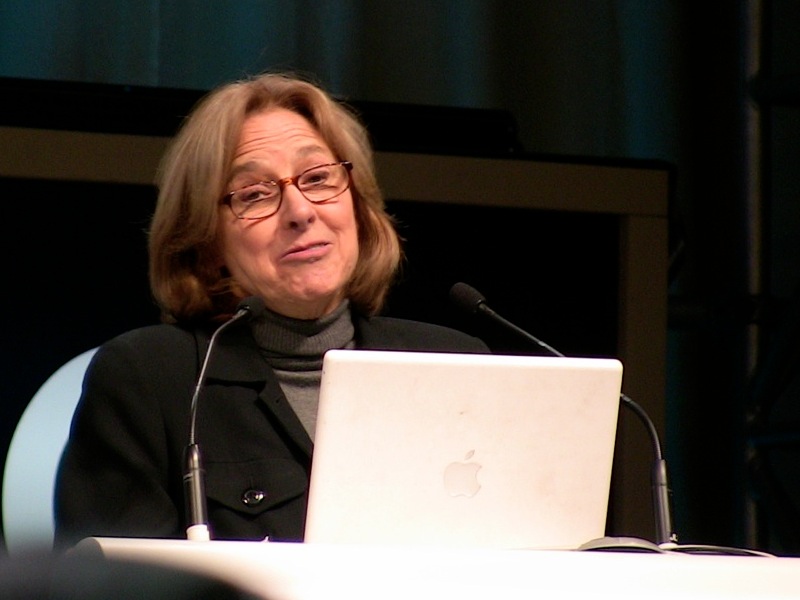
What happens in the dating world can reflect larger currents within popular culture. For example, when the 1995 book The Rules appeared, it touched off media controversy about how men and women should relate to each other, with different positions taken by columnist Maureen Dowd of The New York Times{{cite news |access-date= 2010-12-08 |archive-date= 2011-04-10 |archive-url= https://web.archive.org/web/20110410033738/http://www.nytimes.com/2005/10/30/magazine/30feminism.html |url-status= live |access-date= 2010-12-08 |archive-date= 2015-12-25 |archive-url= https://web.archive.org/web/20151225010919/http://www.theguardian.com/lifeandstyle/2009/jan/24/rules-of-dating |url-status= live |access-date= 2010-12-08 |archive-date= 2015-12-25 |archive-url= https://web.archive.org/web/20151225013722/http://www.theguardian.com/lifeandstyle/2009/jan/24/the-rules-guide-to-dating |url-status= live |access-date = 2010-12-09 |url-status = dead |archive-url = https://web.archive.org/web/20110210152641/http://www.pariswoman.com/paris/reports/10_women_mistakes2.htm |archive-date = 2011-02-10 |access-date= 2010-12-08 |archive-date= 2011-04-10 |archive-url= https://web.archive.org/web/20110410033738/http://www.nytimes.com/2005/10/30/magazine/30feminism.html |url-status= live |access-date= 2011-02-24 |archive-date= 2012-08-12 |archive-url= https://web.archive.org/web/20120812022744/http://articles.chicagotribune.com/2007-01-12/news/0701120408_1_new-friends-attraction-friendship |url-status= live |access-date= 2011-02-24 |archive-date= 2011-03-02 |archive-url= https://web.archive.org/web/20110302233535/http://taoofdating.com/how-to-stay-out-of-friend-zone/ |url-status= live |access-date= 2011-02-24 |access-date= 2011-02-24 |archive-date= 2010-06-10 |archive-url= https://web.archive.org/web/20100610072230/http://www.nytimes.com/2010/06/07/nyregion/07dating.html |url-status= live
Dating violence
According to one report, there was a 10% chance of violence between students happening between a boyfriend and girlfriend, sometimes described as "intimate partner violence", over a 12–month period.{{cite news |access-date = 2010-12-08 |access-date= 2010-12-08 |access-date = 2010-12-09 |url-status = dead |archive-url = https://web.archive.org/web/20120517075219/http://www.saudigazette.com.sa/index.cfm?method=home.regcon&contentID=2010112888195 |archive-date = 2012-05-17 |access-date= 2010-12-08 |archive-date= 2014-11-17 |archive-url= https://web.archive.org/web/20141117073313/http://www.theguardian.com/lifeandstyle/2009/jan/24/dating-safety-drinking-advice |url-status= live
Media
Board games
Mystery Date is a board game from the Milton Bradley Company, originally released in 1965 and reissued in 1970, 1999, and in 2005, whose object is to be ready for a date by acquiring three matching color-coded cards to assemble an outfit. The outfit must then match the outfit of the date at the "mystery door". If the player's outfit does not match the date behind the door, the door is closed, and play continues. The game has been mentioned, featured, or parodied in several popular films and television shows.
Television
Numerous television reality and game shows, past and current, address dating. For example, the dating game shows The Dating Game first aired in 1965, while more modern shows in that genre include The Manhattan Dating Project, Blind Date, The 5th Wheel, and The Bachelor and its spinoff series, in which a high degree of support and aids are provided to individuals seeking dates. These are described more fully here and in the related article on "reality game shows" that often include or motivate romantic episodes between players. Another category of dating-oriented reality TV shows involves matchmaking, such as Millionaire Matchmaker and Tough Love. A popular dating-themed TV show in the UK is Take Me Out.
References
Bibliography
- {{Cite book
- {{Cite book
- {{Cite book
References
- (2025-11-05). "dating".
- "Dating Definition & Meaning {{!}} YourDictionary".
- (2019). "The new psychology of love". Cambridge University Press.
- (1849). "The Whole Art of Polite Courtship; Or the Ladies & Gentlemen's Love Letter Writer: Being a Complete Collection of Information and Advice on the Subject of Love, with New Hints to be Observed for the Choice of a Husband". Webb. Millington & Company.
- (1852). "The Etiquette of Courtship and Matrimony: with a Complete Guide to the Forms of a Wedding". George Routledge and Son.
- Dissanayake, W.. (1995). "The globalization of the romantic: Cultural transformations of intimacy.". SAGE Publications.
- Donner, Henrike. (2016). "Love, Marriage, and Intimate Citizenship in Contemporary China and India: An introduction". Modern Asian Studies.
- Xiaohe, Xu. (1990). "Love Matches and Arranged Marriages: A Chinese Replication". Journal of Marriage and the Family.
- (1998). "Social Recognition of Gender". S/he.
- Maymind, Ilana. (2013-11-01). "Joy Hendry. Understanding Japanese Society, 4th Edition. New York: Routledge, 2013.". Journal of International and Global Studies.
- Ghannam, Farha. (2013-01-01). "Live and Die Like a Man". Stanford University Press.
- Inhorn, Marcia C.. (2012-03-25). "The New Arab Man". Princeton University Press.
- Cate, R.M.. (June 22, 1992). "Courtship". Newbury Park, CA: Sage.
- Levine, Robert. (1995). "Love and Marriage in Eleven Cultures". Journal of Cross-Cultural Psychology.
- Morr Serewicz, Mary Claire. (2008). "First-Date Scripts: Gender Roles, Context, and Relationship". Sex Roles.
- "Marriage and Courtship Patterns {{!}} Introduction to Sociology".
- Rosenfeld, Michael J.. (2019-09-03). "Disintermediating your friends: How online dating in the United States displaces other ways of meeting". Proceedings of the National Academy of Sciences.
- Dröge, Kai. (2011). "Online dating: the tensions between romantic love and economic rationalization". Zeitschrift für Familienforschung.
- (2021-04-27). "Love in the Time of the Coronavirus". Spears Media Press.
- Finkel, Eli J.. (2012-01-01). "Online Dating: A Critical Analysis From the Perspective of Psychological Science". Psychological Science in the Public Interest.
- McClain, Emily A. Vogels and Colleen. (2023-02-02). "Key findings about online dating in the U.S.".
- Turner, Monica Anderson, Emily A. Vogels and Erica. (2020-02-06). "The Virtues and Downsides of Online Dating".
- O’Grady, Eileen. (2025-02-13). "Tech has changed. Dating? It's complicated.".
- Lin, Ruoyun. (2016-05-01). "Ambient intimacy on Twitter". Cyberpsychology: Journal of Psychosocial Research on Cyberspace.
- Stevens, Sarah B., and Tracy L. Morris. "College dating and social anxiety: Using the Internet as a means of connecting to others." CyberPsychology & Behavior 10.5 (2007): 680-688.
- Toma, Catalina L.. (2008-05-09). "Separating Fact From Fiction: An Examination of Deceptive Self-Presentation in Online Dating Profiles". Personality and Social Psychology Bulletin.
- Duguay, Stefanie. (2024-03-01). "The year of the “virtual date”: Reimagining dating app affordances during the COVID-19 pandemic". New Media & Society.
- Arditti, Joyce A.. (2004-01-21). "Staying Close When Apart: Intimacy and Meaning in Long-Distance Dating Relationships". Journal of Couple & Relationship Therapy.
- Dargie, Emma. (2015-03-04). "Go Long! Predictors of Positive Relationship Outcomes in Long-Distance Dating Relationships". Journal of Sex & Marital Therapy.
- Lydon, John. (1997). "Coping with moral commitment to long-distance dating relationships.". Journal of Personality and Social Psychology.
- Stafford, Laura. (2006-12-01). "When long-distance dating partners become geographically close". Journal of Social and Personal Relationships.
- Stafford, Laura. (2007-02-01). "Idealization, reunions, and stability in long-distance dating relationships". Journal of Social and Personal Relationships.
- Schindler, Ines. (2010). "Predictors of romantic relationship formation: Attachment style, prior relationships, and dating goals". Personal Relationships.
- Albury, Kath. (2017-08-09). "Heterosexual casual sex". Routledge.
- (2001). "The development of commitment and attachment in dating relationships: attachment security as relationship construct". Journal of Adolescence.
- (2015). "Propose with a rose? Signaling in internet dating markets". Experimental Economics.
- (2010). "Should I stay or should I go? Predicting dating relationship stability from four aspects of commitment.". Journal of Family Psychology.
- Sprecher, Susan. (2025). "Is There a Sexual Stereotype Linking Casual Sex with Low Self-Esteem?". Sexuality & Culture.
- Kelberg, Anna. (2025). "Intentional dating: A structured approach to cultivating desire and intimacy in long-term relationships". OSF.
- Aron, Arthur. (2018-12-06). "Love as Expansion of the Self". Cambridge University Press.
- Ryan, Richard M.. (2000). "Self-determination theory and the facilitation of intrinsic motivation, social development, and well-being.". American Psychologist.
- (2015-10-10). "Romantic Aspirations: Japan's “Gōkon” Group Dating".
- (2025-11-04). "Definition of BLIND DATE".
- Buss, David M.. (1993). "Sexual Strategies Theory: An evolutionary perspective on human mating.". Psychological Review.
- (2017-07-12). "Parental Investment and Sexual Selection". Routledge.
- Kelley, John M.. (2013-01-01). "Blind Dates and Mate Preferences: An Analysis of Newspaper Matchmaking Columns". Evolutionary Psychology.
- Prochazkova, E.. (2022). "Physiological synchrony is associated with attraction in a blind date setting". Nature Human Behaviour.
- Harper, Leah. (2022-11-08). "Stop swiping, start talking: the rise and rise of the blind dating app". The Guardian.
- "Tinder Brings Back The Blind Date With New In-App Experience".
- Finkel, Eli J.. (2008-06-01). "Speed-Dating". Current Directions in Psychological Science.
- (13 November 2022). ""It Doesn't Feel Like You Can Win": Young Women's Talk About Heterosexual Relationships". SAGE Publications.
- (24 July 2023). "Women's Endorsement of Heteronormative Dating Scripts is Predicted by Sexism, Feminist Identity, A Preference for Dominant Men, and A Preference Against Short-Term Relationships". Springer Science and Business Media LLC.
- (7 November 2021). ""Shifting old-fashioned power dynamics"?: women's perspectives on the gender transformational capacity of the dating app, ''Bumble''". Informa UK Limited.
- Safronova, Valeriya. (2024-04-30). "Women on Bumble No Longer Have to Make the First Move". The New York Times.
- (30 July 2018). "The Reversal of the Gender Gap in Education and Its Consequences for Family Life". Annual Review of Sociology.
- Lamont, Ellen. (23 September 2013). "Negotiating Courtship". SAGE Publications.
- (1989). "Oxford English Dictionary". [[Oxford University Press]].
- Brainer, Amy. "Men's Changing Contribution to Housework and Childcare {{!}} Marriage, Partnership & Divorce".
- Winkler, Anne E.. (2022-02-02). "Women's labor force participation". IZA World of Labor.
- (March 7, 2019). "Study: Serious dating can create serious challenges for teens". Brigham Young University.
- (July 2018). "Adolescents' Daily Romantic Experiences and Negative Mood: A Dyadic, Intensive, Longitudinal Study". Journal of Youth and Adolescence.
- (2004-02-06). "'Lao wai' speak out on false image in China". China Daily.
- Linda Franklin. (2009-10-21). "Young men beware, "cougar women" on the prowl". France 24.
- (2010-09-03). "Wedding dress, photographer, cake: must be a divorce party". France 24.
- DiDonato, Theresa E.. (October 11, 2019). "Why Bisexual People Face Unique Dating Challenges {{!}} Psychology Today".
- Kenrick, Douglas T.. (June 9, 2010). "Homosexuality: A queer problem: A few puzzles about homosexuality, some still unsolved". Psychology Today.
- "AI Matchmaking App".
- AFP, Daniel. (29 December 2009). "India's transsexuals try Internet dating". France 24.
- Sharon Jayson. (2010-02-10). "Internet changing the game of love". USA Today.
- Hannah Pool. (28 January 2009). "What friends are for ... Hannah Pool was a matchmaking cynic – until she was set up with her current partner four years ago. So what advice does she have for potential matchmakers?". The Guardian.
- "The 80s version of Tinder was 'video dating' — and it looks incredibly awkward".
- Giaimo, Cara. (2016-09-30). "Videocassette Dating Let Singles Fast-Forward to Love".
- (2015). "Modern Romance". Penguin Press.
- Lgbt Identity and Online New Media – Page 235, Christopher Pullen, Margaret Cooper – 2010
- Gaydar Culture: Gay Men, Technology and Embodiment in the Digital Age – Page 186, Sharif Mowlabocus – 2010
- link. (2016-08-25 , Retrieved June 12, 2016, "...Yet some researchers say dating companies' matchmaking algorithms are no better than Chance for providing suitable partners. At the same time, critics worry that the abundance of prospective dates available online is undermining relationships...")
- (1942-08-03). "Life Goes on a Date Arranged by Statistics".
- Eleanor Harris, "Men Without Women", Look, November 22, 1960, 124–30.
- Hicks, Marie. (2016-11-01). "Computer Love: Replicating Social Order Through Early Computer Dating Systems". Ada: A Journal of Gender, New Media, and Technology.
- [http://www.latimes.com/business/la-fi-dating-apps-20150129-story.html New dating apps cut to the chase, set up dates quickly] {{Webarchive. link. (2018-12-27 , Tracey Lein, Los Angeles Times, January 29, 2015)
- (1965-11-03). "Operation Match, Harvard Crimson, November 3, 1965".
- Julie Spira. (November 22, 2010). "Online Dating Advice for the Newly Divorced". Huffington Post.
- (2 February 2023). "Key findings about online dating in the U.S.".
- (6 February 2020). "10 facts about Americans and online dating".
- Neil Offen. (February 13, 2010). "Sociologists: Internet dating on the rise". The Herald-Sun.
- Lotu Tii. (March 2004). "Monica B. Morris, ''Falling in Love Again: the mature woman's guide to finding romantic fulfillment'', p. 80 (2005)". Square One Publishers.
- Lenton, Alison P.. (2008). "“Shopping” for a Mate: Expected versus Experienced Preferences in Online Mate Choice". IEEE Transactions on Professional Communication.
- Zhang, Ruoxi. (2023-11-26). "Factors Affecting Online Dating Success". Journal of Education, Humanities and Social Sciences.
- James, Judi. (2009-01-28). "Language of love". The Guardian.
- "Do Men Still Have to Pay on the First Date?". The Wall Street Journal.
- Niehuis, Sylvia. (2007). "Dating and Courtship". The Greenwood encyclopedia of love, courtship, and sexuality through history.
This article was imported from Wikipedia and is available under the Creative Commons Attribution-ShareAlike 4.0 License. Content has been adapted to SurfDoc format. Original contributors can be found on the article history page.
Ask Mako anything about Dating — get instant answers, deeper analysis, and related topics.
Research with MakoFree with your Surf account
Create a free account to save articles, ask Mako questions, and organize your research.
Sign up freeThis content may have been generated or modified by AI. CloudSurf Software LLC is not responsible for the accuracy, completeness, or reliability of AI-generated content. Always verify important information from primary sources.
Report