From Surf Wiki (app.surf) — the open knowledge base
Crotalus unicolor
Species of snake
Species of snake
- Crotalus unicolor - Klauber, 1936
- Crotalus durissus unicolor - Brongersma, 1940
- Crotalus (Crotalus) durissus unicolor - Peters & Orejas-Miranda, 1970
- Crotalus unicolor - McCranie, 1986
- Crotalus durissus unicolor - Campbell & Lamar, 1989
:Common names: Aruba rattlesnake, Aruba island rattlesnake, Cascabel (Papiamento).
The Aruba Island rattlesnake (Crotalus unicolor), is a venomous pit viper species endemic to the Caribbean island of Aruba, off the coast of Venezuela. It is sometimes still classified as a subspecies of Crotalus durissus.
Description
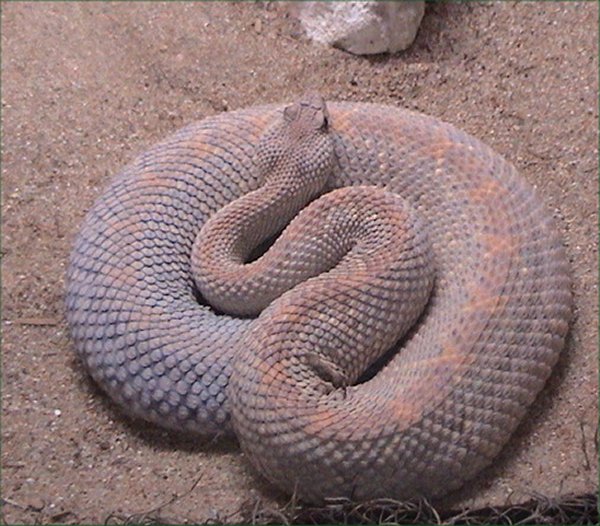
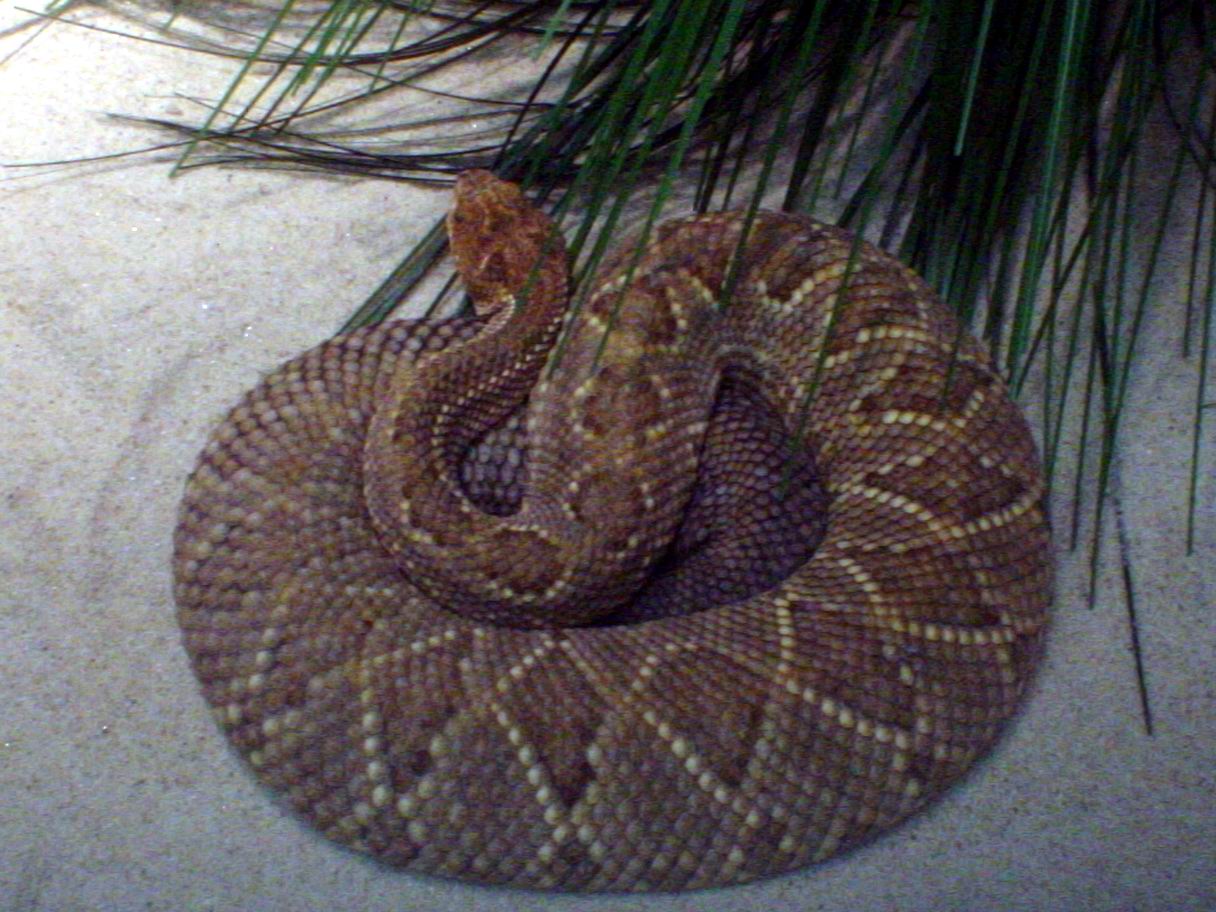
Moderately sized, this species attains an adult length of approximately 90 cm, and weighs about 1 kg. It is light brown, tan, or almost pink in color, reflecting the soil color of its native habitat, with darker brown diamond-shaped markings, but colors may vary from white to apricot, or brown to slate. The markings are sometimes nearly invisible, or can only be seen in a narrow stripe down the middle of the back.
Geographic range
This species is only found on the island of Aruba, making it an endemic species. They exist only in thornscrub and desert habitats on the southeastern half of the island.
Conservation status

These snakes are found only on the island of Aruba, where they are mostly limited to the rocky, dry southern tip of the island. Due to their extremely limited geographic range, about 230 animals are left in the wild, and the ever encroaching human habitation into their territory (with only about 25 square kilometers left undeveloped), the Aruba Island rattlesnake is among the rarest rattlesnakes in the world. While exporting from the island is illegal, it has no other legal protection on the island either. The snake is now a part of the Species Survival Plan for captive breeding.
Diet
Specimens consume various species of rodents, birds, and lizards.
Reproduction
Males reach sexual maturity in four years; females in five. After a gestation period of four months, females give birth to between five and fifteen live young at a time.
References
- van Lidth de Jeude, Theodorus Willem. 1887. On a collection of reptiles and fishes from the West-Indies. Notes from the Leyden Museum, 9: 129-139.
References
- McDiarmid RW, Campbell JA, Touré T. 1999. Snake Species of the World: A Taxonomic and Geographic Reference, vol. 1. Herpetologists' League. 511 pp. {{ISBN. 1-893777-00-6 (series). {{ISBN. 1-893777-01-4 (volume).
- U.S. Navy. 1991. Poisonous Snakes of the World. US Govt. New York: Dover Publications Inc. 203 pp. {{ISBN. 0-486-26629-X.
- Klauber LM. 1997. Rattlesnakes: Their Habitats, Life Histories, and Influence on Mankind. Second Edition. First published in 1956, 1972. University of California Press, Berkeley. {{ISBN. 0-520-21056-5.
- {{ITIS
- "Aruba Island rattlesnake videos, photos and facts - Crotalus unicolor - ARKive".
- Campbell JA, Lamar WW. 2004. The Venomous Reptiles of the Western Hemisphere. 2 volumes. Comstock Publishing Associates, Ithaca and London. 870 pp. 1500 plates. {{ISBN. 0-8014-4141-2.
This article was imported from Wikipedia and is available under the Creative Commons Attribution-ShareAlike 4.0 License. Content has been adapted to SurfDoc format. Original contributors can be found on the article history page.
Ask Mako anything about Crotalus unicolor — get instant answers, deeper analysis, and related topics.
Research with MakoFree with your Surf account
Create a free account to save articles, ask Mako questions, and organize your research.
Sign up freeThis content may have been generated or modified by AI. CloudSurf Software LLC is not responsible for the accuracy, completeness, or reliability of AI-generated content. Always verify important information from primary sources.
Report