From Surf Wiki (app.surf) — the open knowledge base
Crepuscular animal
Animal behavior primarily characterized by activity during the twilight
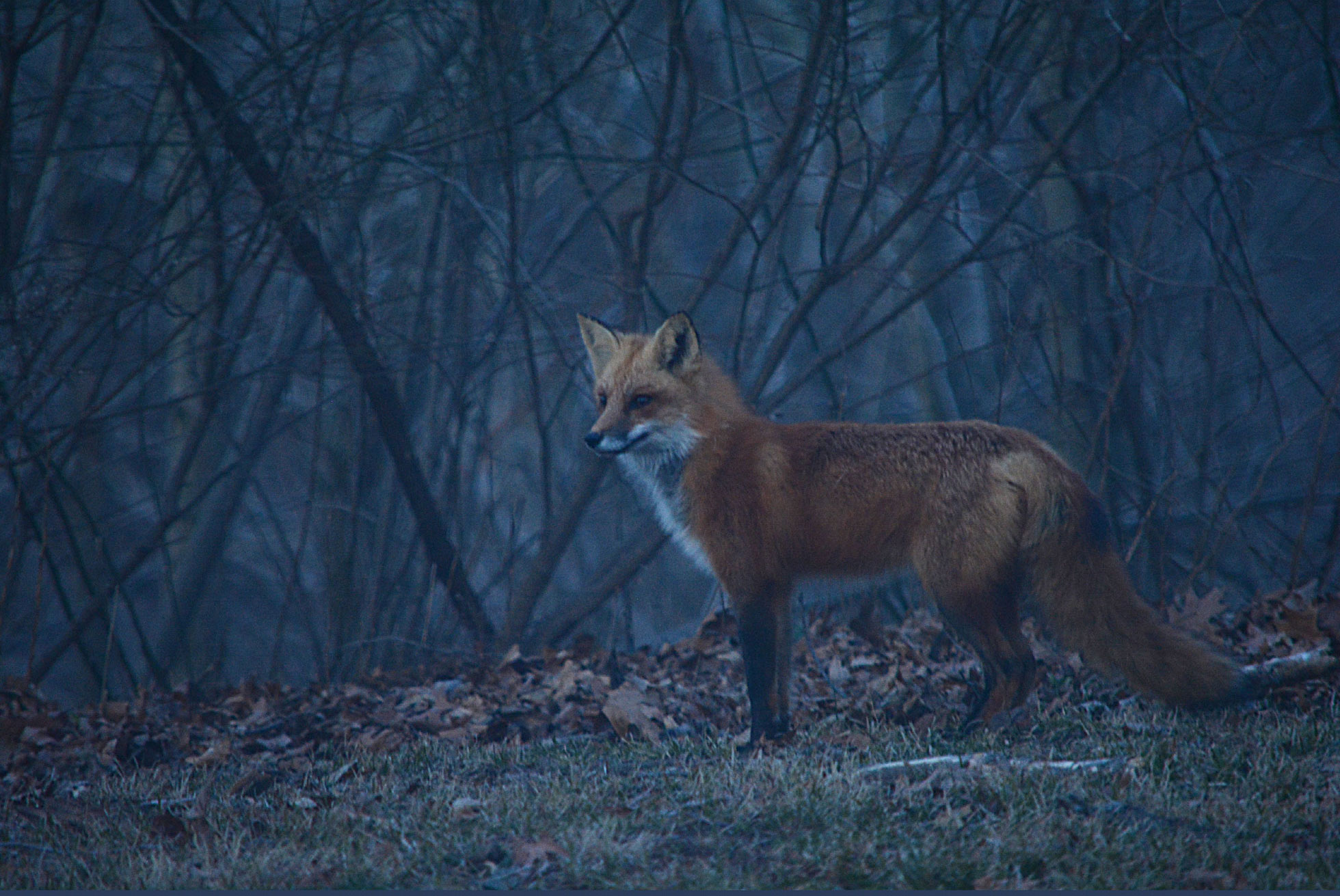
Animal behavior primarily characterized by activity during the twilight

In zoology, a crepuscular animal is one that is active primarily during the twilight period, being matutinal (active during dawn), vespertine/vespertinal (active during dusk), or both. This is distinguished from diurnal and nocturnal behavior, where an animal is active during the hours of daytime and of night, respectively. Some crepuscular animals may also be active by moonlight or during an overcast day.
A number of factors affect the time of day an animal is active. Predators hunt when their prey is available, and prey try to avoid the times when their principal predators are at large. The temperature may be too high at midday or too low at night. Some creatures may adjust their activities depending on local competition.
Etymology and usage
The word crepuscular derives from the Latin crepusculum ("twilight"). Its sense accordingly differs from diurnal and nocturnal behavior, which respectively peak during hours of daytime and night. The distinction is not absolute, because crepuscular animals may also be active on a bright moonlit night or on a dull day. Some animals casually described as nocturnal are in fact crepuscular.
Special classes of crepuscular behaviour include matutinal, or "matinal", animals active only in the dawn, and vespertine, only in the dusk. Those active during both times are said to have a bimodal activity pattern.
Adaptive relevance
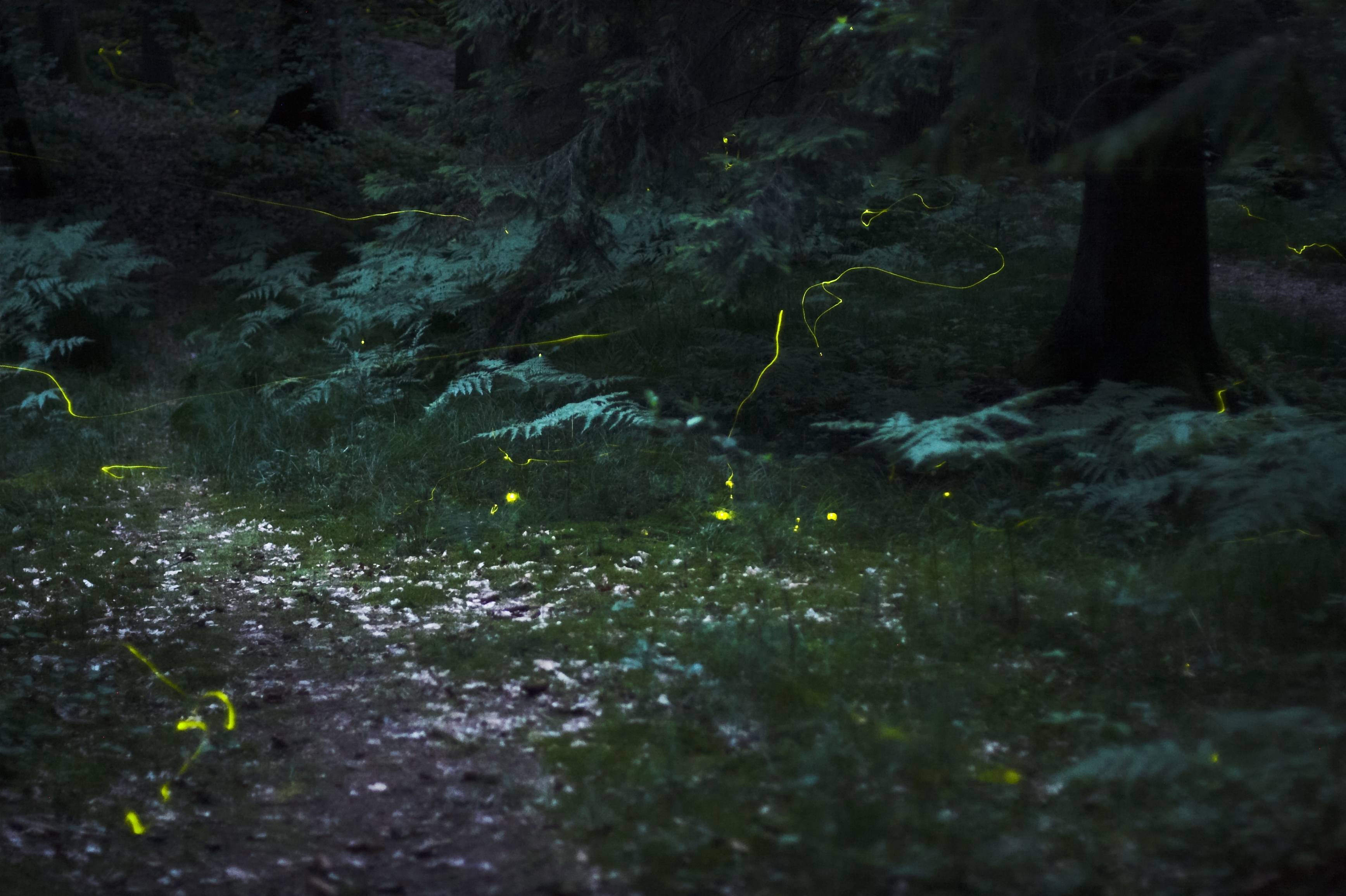
The various patterns of activity are thought to be mainly antipredator adaptations, though some could equally well be predatory adaptations. Many predators forage most intensively at night, whereas others are active at midday and see best in full sun. The crepuscular habit may both reduce predation pressure, increasing the crepuscular populations, and offer better foraging opportunities to predators that increasingly focus their attention on crepuscular prey until a new balance is struck. Such shifting states of balance are often found in ecology.
Some predatory species adjust their habits in response to competition from other predators. For example, the subspecies of short-eared owl that lives on the Galápagos Islands is normally active during the day, but on islands like Santa Cruz that are home to the Galapagos hawk, the owl is crepuscular.
Apart from the relevance to predation, crepuscular activity in hot regions also may be the most effective way of avoiding heat stress while capitalizing on available light.
Crepuscular flight activity is preferred by some animals, such as the walnut twig beetle, due to warmer temperatures, moderate wind speeds, and low barometric pressure.
Crepuscular activity can be influenced by the lunar cycle due to the change in nocturnal light. This creates changes in animal sleep, reproduction, and foraging behaviours, often becoming less active during periods of low light.
Migration
Animal patterns of activity sometimes change during migration due to changes in environmental conditions. Mule deer are crepuscular, but they are only active at dusk before and during migration. In the spring they are only active at dawn because the snow is at its hardest, so it is easier for the deer to move without sinking in the snow.
During migration, some types of swallow are active primarily during daytime hours with some activity during twilight hours.
Human impact on crepuscular behaviour
Crepuscular animal activity is affected by human activity, because humans are diurnal. Crepuscular animals are less likely to participate in typical foraging or reproductive behaviors and deal with increased stress and mortality rates when humans are present. Animals may change their usual activity patterns in response to the presence of humans. For example, Asian black bears may avoid areas with high human activity during the day, but go to these locations during twilight or nighttime hours.
Light pollution impacts crepuscular behaviour because it mimics natural light conditions, leading crepuscular animals to behave as they would on nights with more moonlight.
Occurrence of crepuscular behaviour
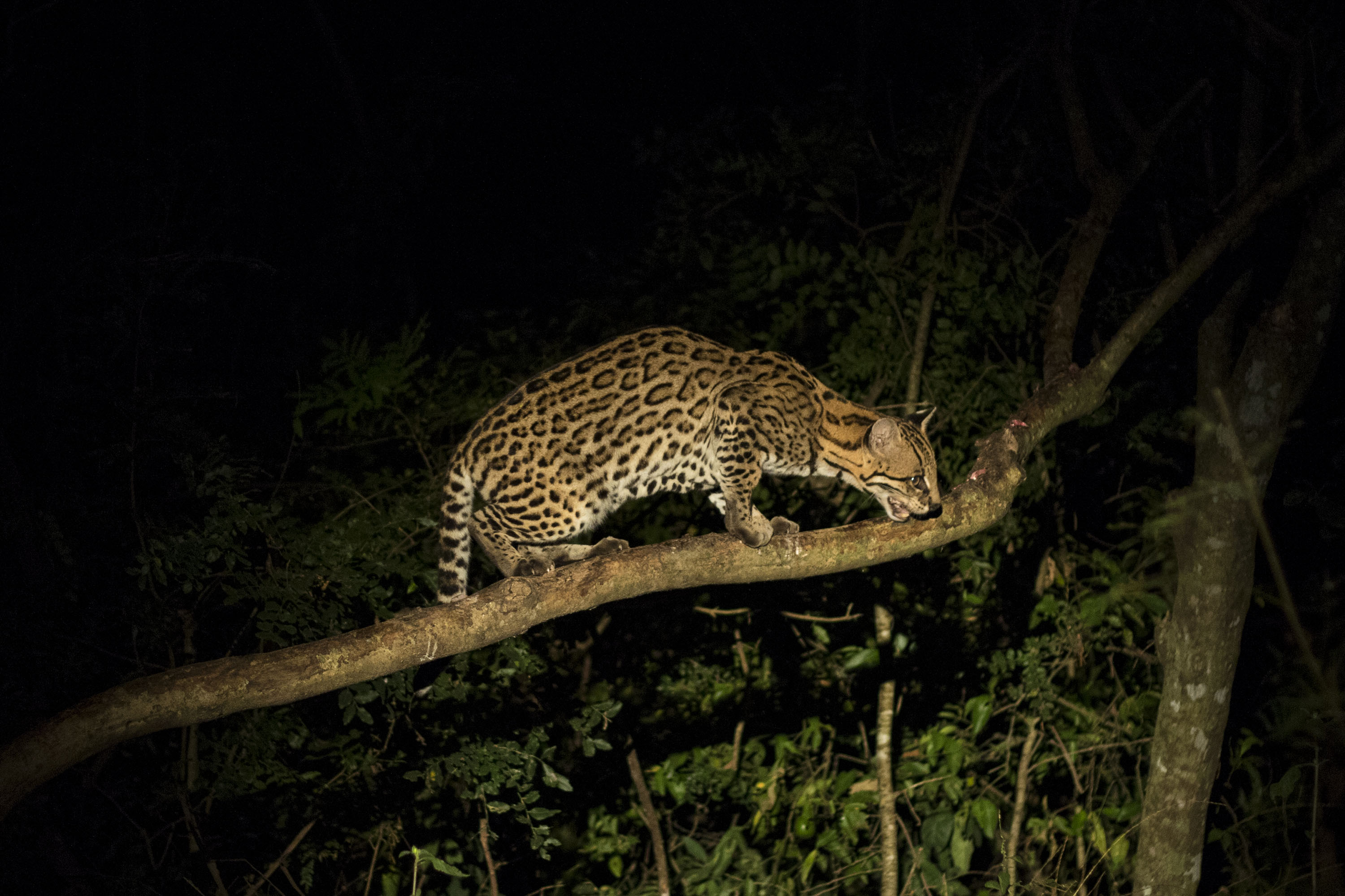
Many familiar mammal species are crepuscular, including the endangered Amazon river dolphin, some species of bats, rabbits, ferrets, rats, jaguars, ocelots, bobcats, servals, strepsirrhines, red pandas, bears, deer, moose, sitatunga, capybaras, chinchillas, the common mouse, skunks, squirrels, foxes, wombats, wallabies, possums and marsupial gliders, tenrecs, and spotted hyenas.
Snakes, lizards, and frogs, especially those in desert environments, may be crepuscular.
Crepuscular birds include the common nighthawk, barn owl, owlet-nightjar, chimney swift, American woodcock, spotted crake, white-breasted waterhen, European nightjars, and common buzzards.
Many moths, beetles, flies, and other insects are crepuscular and vespertine. For example, Coprophanaeus ensifer, a South American necrophagous beetle, is most active at dusk and dawn.
References
References
- "Glossary". [[Smithsonian Institution.
- (2001–2006). "Crepuscular". Macmillan Reference.
- Winn, Philip. (2001). "Dictionary of Biological Psychology". Taylor & Francis.
- Caro, Tim. (2005). "Antipredator Defenses in Birds and Mammals". University of Chicago Press.
- Frederick, Prince. (2006-04-15). "Night herons in the day!". [[The Hindu]].
- Merck, John. "The community of terrestrial animals". University of Maryland Department of Geology.
- (2014-08-26). "Crepuscular Flight Activity of an Invasive Insect Governed by Interacting Abiotic Factors". PLOS ONE.
- (2022-10-01). "Diel timing of migration is not plastic in a migratory ungulate". Animal Behaviour.
- (2020-07-22). "Diurnal and crepuscular activity during fall migration for four species of aerial foragers". The Wilson Journal of Ornithology.
- (2018-01-01). "The influence of periodic increases of human activity on crepuscular and nocturnal mammals: Testing the weekend effect". Behavioural Processes.
- (2022-12-01). "Impact of human disturbance in Japan on the distribution and diel activity pattern of terrestrial mammals". Journal for Nature Conservation.
- (2002). "The Ecology of Stray Dogs: A Study of Free-Ranging Urban Animals". Purdue University Press.
- Williams, David L.. (2012). "Ophthalmology of Exotic Pets". John Wiley & Sons.
- Williams, David L.. (2012). "Ophthalmology of Exotic Pets". John Wiley & Sons.
- Schaul, Jordan Carlton. (November 2023). "The Kodiak Cubs Meet Their Neighbors, The American Black Bears". National Geographic Society.
- (12 March 2010). "White-Tailed Deer". National Geographic Partners, LLC.
- (2022-06-01). "Vision in dim light and the evolution of color pattern in a crepuscular/nocturnal frog". Evolutionary Ecology.
- Audubon, John J.. (1827–1838). "Plate 171: Barn Owl". Birds of America.
- Boyes, Steve. (October 7, 2012). "Top 25 Wild Bird Photographs of the Week #23". National Geographic Society.
- (2020-06-09). "Lunar synchronization of daily activity patterns in a crepuscular avian insectivore". Ecology and Evolution.
- (5 November 2021). "Novelty at dawn: Exploration, low neophobia and crepuscular activity in a wild Common Buzzard ( Bu teo buteo )". Avian Biology Research.
- (September 2005). "Considerações sobre Coprophanaeus ensifer (Germar) (Coleoptera, Scarabaeidae) em um remanescente de Mata Atlântica no Estado da Paraíba, Brasil". Revista Brasileira de Entomologia.
This article was imported from Wikipedia and is available under the Creative Commons Attribution-ShareAlike 4.0 License. Content has been adapted to SurfDoc format. Original contributors can be found on the article history page.
Ask Mako anything about Crepuscular animal — get instant answers, deeper analysis, and related topics.
Research with MakoFree with your Surf account
Create a free account to save articles, ask Mako questions, and organize your research.
Sign up freeThis content may have been generated or modified by AI. CloudSurf Software LLC is not responsible for the accuracy, completeness, or reliability of AI-generated content. Always verify important information from primary sources.
Report