From Surf Wiki (app.surf) — the open knowledge base
Crab meat
none
.jpg)
none

Crab meat, also known as crab marrow, is the edible meat found in a crab, or more specifically in its legs and claws. It is widely used in global cuisines for its soft, delicate and sweet flavor.
Crab meat is low in fat, and provides about 82 kcal of food energy per 3 oz serving. Among the most commercially available species are the brown crab (Cancer pagurus), blue crab (Callinectes sapidus), blue swimming crab (Portunus pelagicus), and red swimming crab (Portunus haanii).
Grading systems vary by region, with distinctions such as white meat and brown meat based on body part and color.
The methods of crab meat harvesting differ between crab fisheries, including both whole-crab processing and declawing, where one or both claws are removed and the live crab is returned to the water. This practice is controversial due to animal welfare concerns, although some species can regenerate lost claws through molting, typically about a year later. Crab meat is consumed fresh, frozen, canned, or as imitation crab (a processed seafood product). Labor practices, sustainability, and regional fishing regulations also influence the industry, with notable challenges in areas like the Chesapeake Bay and European fisheries.
Grades

European crab
In Western Europe, crab meat is commonly sourced from the species Cancer pagurus. This is a large crab noted for the sweet, delicate flavour of its meat. It is also known as the brown crab, the common crab or the edible crab. The United Kingdom hosts significant fisheries for C. pagurus, with major operations in Scotland and substantial activity in the South West of England, notably Cornwall and Devon.
The highest grade of crab meat is "handpicked", referring to the manual extraction process that preserves the meat's natural flavor. In contrast, "machine-processed crab" employs water or air to separate the meat from the shell, which can adversely affect the flavor. C. pagurus crab meat is widely consumed throughout the countries from where it is fished. Due to its limited fresh shelf life of only about four days, much of the crab meat available through retailers is sold from previously frozen stock. Freezing can alter the texture and diminish the natural flavor of white crab meat, as its water content crystallizes during freezing. Alternatively, pasteurization offers a means to extend shelf life without significantly compromising flavor when done carefully.
C. pagurus provides two distinct types of meat:
White meat
White crab meat comes from the claws and legs. Predominantly white, it may exhibit a natural red or brown tinge. This meat is low in fat and high in protein, offering a delicate, sweet flavor, a pleasant aroma, and a flaky texture. Its versatility allows it to be used in various dishes, including sandwiches, pasta, risotto, and salad, and as a canapé topping.
Brown meat
Brown meat, consisting of the tomalley and the gonads, is located under the carapace. It has a higher natural fat content and is notably rich in omega-3 fatty acids. For instance, 100 grams of brown crab meat can provide approximately two-thirds of the recommended weekly intake of these compounds. This meat has a pâté-like texture and a rich, full flavor. The color and texture of brown meat can vary throughout the year, reflecting the crab’s physiological changes.
Brown crab meat may contain higher levels of cadmium, a toxic heavy metal. While moderate consumption is generally considered safe, regular intake of brown meat incurs potential health risks from cadmium exposure.
In culinary applications, both types of meat are valued for their distinct qualities. White meat is often favored for its delicate flavor and firm texture, making it suitable for a variety of dishes. Brown meat, with its richer flavor and softer texture, is commonly used to enhance sauces, soups, and pâtés.
U.S. crab
In the United States, crab meat is categorized into various grades based on the part of the crab from which the meat is harvested and the size of the crab. These grades help consumers and chefs select the appropriate type of meat for different culinary applications. Below is an overview of these grades:
| Name | Image | Description | ||||
|---|---|---|---|---|---|---|
| Colossal Lump, or | ||||||
| Mega Jumbo Lump | [[Image:JacksCatch-CrabColossal.jpg | right | thumb | 160px | Crab Colossal]] | The largest whole pieces of white meat extracted from the two large muscles connected to the swimming fins of the crab. These impressive lumps are ideal for dishes where the crab meat is the centerpiece, such as cocktail presentations or upscale salads. |
| Jumbo lump | Lump | Whole, firm pieces of white meat sourced from the same muscles as Colossal Lump but from smaller crabs. It boasts a bright white color and succulent texture, making it perfect for high-quality crab cakes, cocktails, or sautéed dishes. | ||||
| Broken Lump | [[Image:JacksCatchCrabLump.jpg | right | thumb | 160px | Crab Lump]] | A blend of broken pieces of Jumbo Lump and large flakes of white body meat. This grade is versatile and commonly used in crab cakes, dips, salads, and casseroles where the crab meat is mixed with other ingredients. |
| Back fin | Flakes of white meat, including broken Jumbo Lump pieces and special grade meat from the body cavity. Often used in Maryland-style crab cakes, soups, and dips, providing a balance between flavor and affordability. | |||||
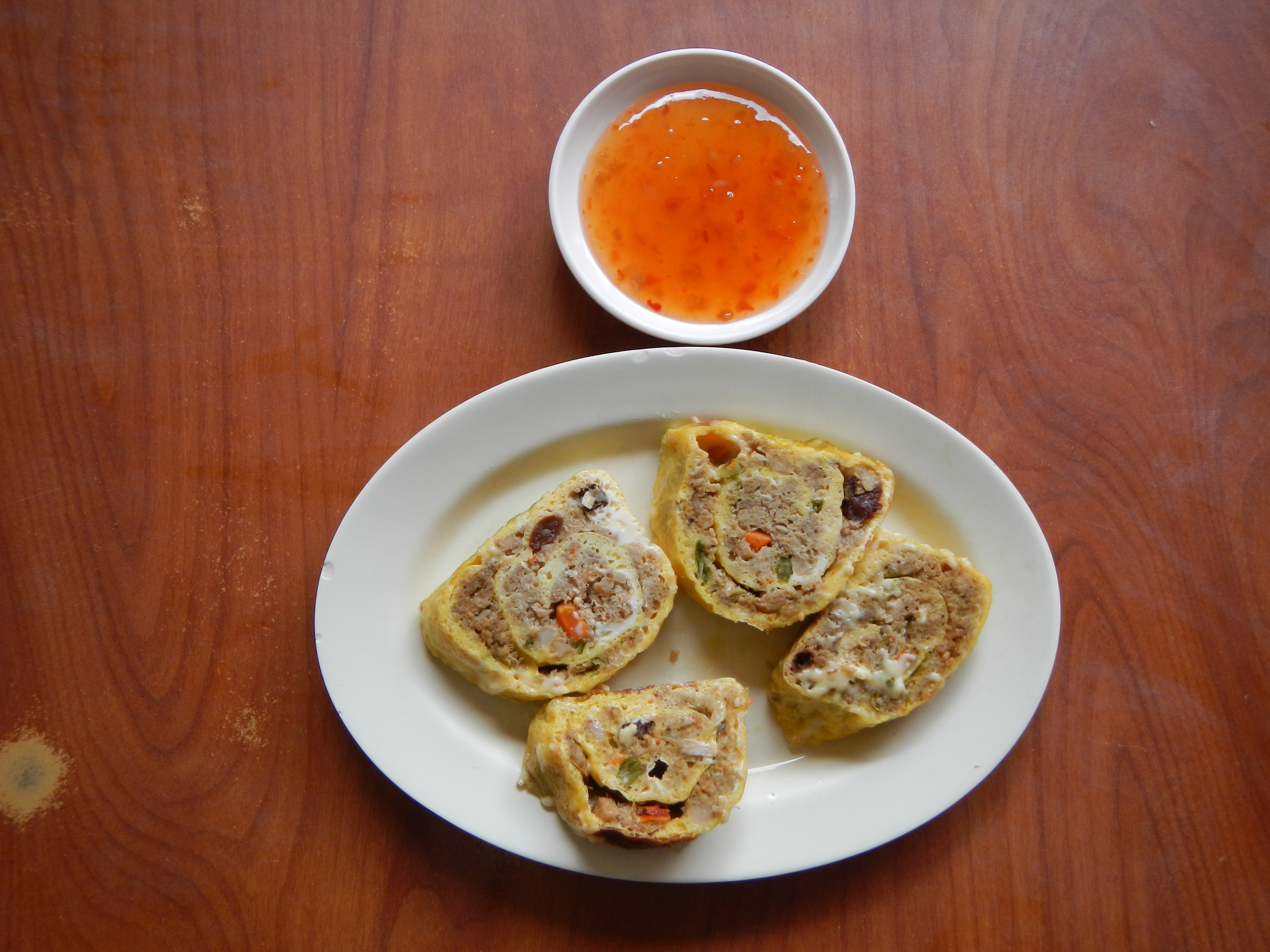
| Special | Smaller flakes of white meat taken from the body cavity of the crab. Its fine texture makes it suitable for dishes like crab salads, omelets, and soups where smaller crab pieces are appropriate. | |||||
| Claw | Darker, reddish-brown meat harvested from the claws and swimming fins of the crab. It has a stronger flavor compared to white meat grades and is often used in dishes with robust sauces, such as soups, bisques, and curries, where its pronounced taste can stand out. | |||||
| Claw fingers, or | ||||||
| Cocktail Claws | [[Image:JacksCatchCrabClawCocktail.jpg | right | thumb | 160px | Claw Fingers]] |
Imitation
Main article: Kamaboko, Surimi
In the United States, imitation crab meat, also known as surimi, is widely used as a cost-effective alternative to real crab meat, particularly in dishes like seafood salads and American-style sushi, including the California roll. One of the main reasons for its popularity is the labor-intensive and expensive process of extracting fresh crab meat, making imitation crab a more accessible option for both consumers and food service operations.
The flaky, red-edged imitation crab seen in many American dishes is most commonly made from Alaska pollock (Gadus chalcogrammus), a mild-flavored, white-fleshed fish that is abundant in the Bering Sea near Alaska, and also found off the coast of central California and in the Sea of Japan. Because of its neutral taste and smooth texture, pollock serves as an ideal base for artificial flavoring and shaping into crab-like products. Other fish are also used depending on availability and regional production, including New Zealand hoki (Macruronus novaezelandiae), golden threadfin bream (Nemipterus virgatus), and white croaker (Pennahia argentata), especially in Southeast Asian manufacturing facilities.
Surimi originated over 800 years ago in Japan, where it was traditionally used to make products like kamaboko—steamed or grilled fish cakes, still popular today. The specific method for turning surimi into imitation crab meat was developed in Japan in 1975. By 1983, American companies had begun manufacturing imitation crab meat domestically, leading to its widespread use in the modern food industry.
Animal welfare
In the declawing of crabs, one or both claws of a live crab are manually pulled off and the crab is then returned to the water. It occurs in several fisheries worldwide, such as in the Florida stone crab (Menippe mercenaria) fishery, the north-east Atlantic deep-water red crab (Chaceon affinis) fishery and in southern Iberia, where the major claws of the fiddler crab (Uca tangeri) are harvested. There is scientific debate about whether crabs experience pain in this procedure, but there is evidence it increases mortality.
Declawing crabs has been shown to cause mortality rates as high as 47% and negatively affect feeding behavior. Once claws are separated from the body, the tissue begins to deteriorate, which is why crabs are typically cooked or chilled soon after capture to preserve meat quality.
References
References
- "Edible crabs of the United States {{!}} Scientific Publications Office".
- (2009-01-31). "Claw removal and feeding ability in the edible crab, Cancer pagurus: Implications for fishery practice". Applied Animal Behaviour Science.
- "Stone crabs FAQs". Florida Fish and Wildlife Conservation Commission.
- Nautilus Consultants. (2009). "Future Management of Brown Crab in the UK and Ireland (IPF_D123)".
- (2025-02-25). "Pasteurization {{!}} Definition, Process, Inventor, & Facts {{!}} Britannica".
- (2021-11-15). "Spawning, larval culture, settlement and juvenile production of the west Indian Sea egg, Tripneustes ventricosus (Lamarck, 1816), under hatchery conditions". Aquaculture.
- (2017). "Effects of cooking and freezing practices on the distribution of cadmium in different tissues of the brown crab (Cancer pagurus)". Food Control.
- (2021-06-01). "Nutritional aspects, flavour profile and health benefits of crab meat based novel food products and valorisation of processing waste to wealth: A review". Trends in Food Science & Technology.
- "Office of Dietary Supplements - Omega-3 Fatty Acids".
- (2014-05-05). "Color change and camouflage in juvenile shore crabs Carcinus maenas". Frontiers in Ecology and Evolution.
- "Cadmium, crabmeat and consumer health {{!}} SEFARI".
- (2020-05-10). "Elemental content of brown crab (Cancer pagurus) – Is it safe for human consumption? A recent case study from Mausund, Norway". Science of the Total Environment.
- (2022). "Cadmium: A Focus on the Brown Crab (Cancer pagurus) Industry and Potential Human Health Risks". Toxics.
- Renee Elder. (2015-03-29). "A firm development for crabmeat". The News & Observer.
- Lizzy Saxe. (2019-04-11). "What Do The Changes To H-2B Visas Mean For Maryland Crabs?". Forbes.
- "Yahoo | Mail, Weather, Search, Politics, News, Finance, Sports & Videos".
- "The 2006 Stock Assessment Update for the Stone Crab, ''Menippe'' spp., Fishery in Florida". Florida Fish and Wildlife Conservation Commission.
- (1978). "Mortality associated with declawing stone crabs, ''Menippe mercenaria''". US National Park Service.
- (2009). "Claw removal and feeding ability in the edible crab, ''Cancer pagurus'': implications for fishery practice". Applied Animal Behaviour Science.
This article was imported from Wikipedia and is available under the Creative Commons Attribution-ShareAlike 4.0 License. Content has been adapted to SurfDoc format. Original contributors can be found on the article history page.
Ask Mako anything about Crab meat — get instant answers, deeper analysis, and related topics.
Research with MakoFree with your Surf account
Create a free account to save articles, ask Mako questions, and organize your research.
Sign up freeThis content may have been generated or modified by AI. CloudSurf Software LLC is not responsible for the accuracy, completeness, or reliability of AI-generated content. Always verify important information from primary sources.
Report