From Surf Wiki (app.surf) — the open knowledge base
Coffeemaker
Cooking appliance used to brew coffee
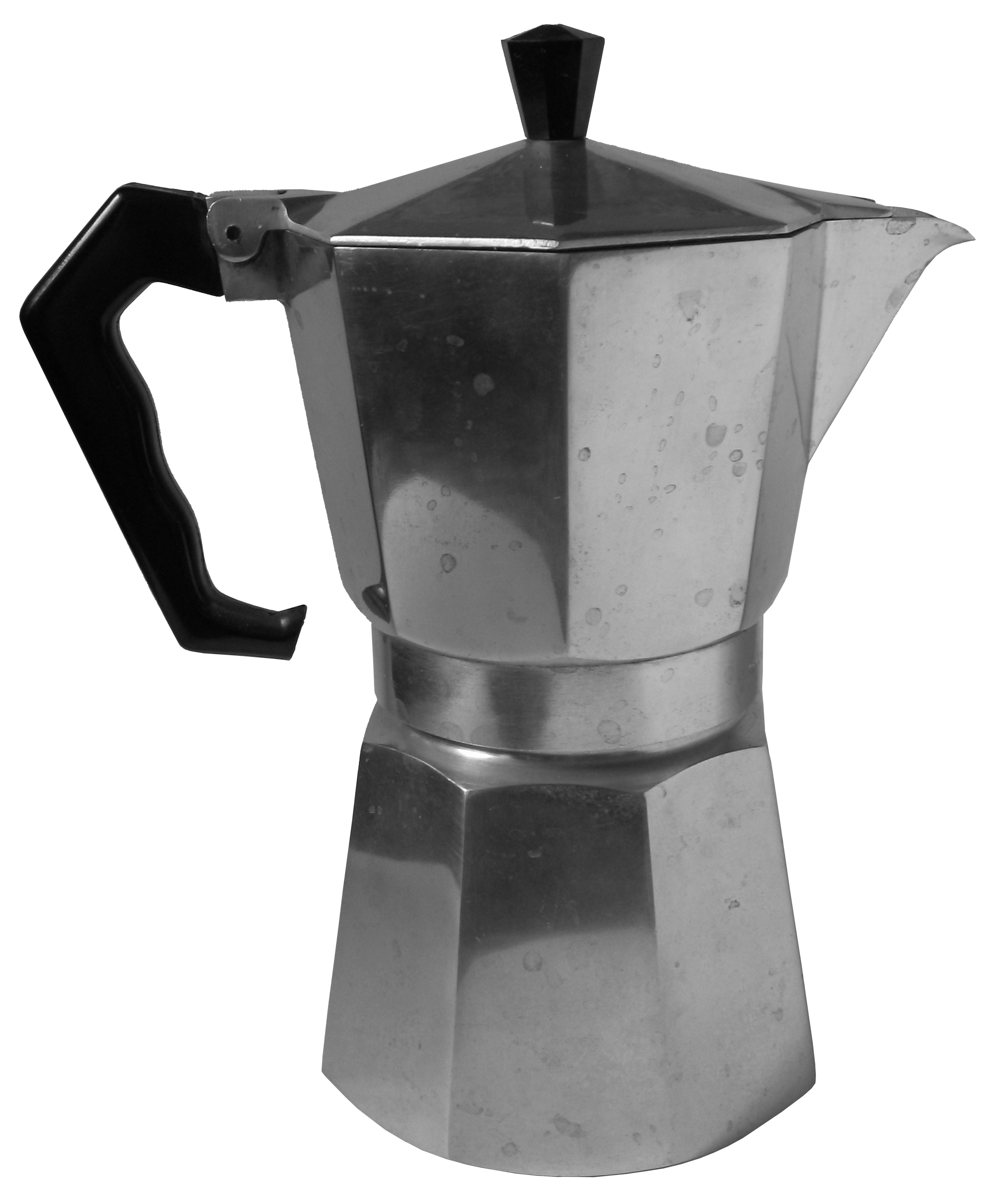
Cooking appliance used to brew coffee
Manual
A coffeemaker, coffee maker or coffee machine is a cooking appliance used to brew coffee. While there are many different types of coffeemakers, the two most common brewing principles use gravity or pressure to move hot water through coffee grounds. In the most common devices, coffee grounds are placed into a paper or metal filter inside a funnel, which is set over a glass or ceramic coffee pot, a cooking pot in the kettle family. Cold water is poured into a separate chamber, which is then boiled and directed into the funnel and allowed to drip through the grounds under gravity. This is also called automatic drip-brew. Coffee makers that use pressure to force water through the coffee grounds are called espresso makers, and they produce espresso coffee.
Types
Drip coffeemaker
Main article: Drip coffee
The first non-electric drip coffee maker, using notebook paper as the precursor to the paper coffee filter, was developed by German entrepreneur Melitta Bentz in 1908. The same year, she founded the Melitta brand, specializing in coffee and coffee-making products.
Vacuum brewers
Main article: Vacuum coffee maker
On 27 August 1930, Inez H. Peirce of Chicago, Illinois, filed her patent for the first vacuum coffee maker that truly automated the vacuum brewing process, while eliminating the need for a stovetop burner or liquid fuels.
Cafetière

Because the coffee grounds remain in direct contact with the brewing water and the grounds are filtered from the water via a mesh instead of a paper filter, coffee brewed with the cafetière captures more of the coffee's flavour and essential oils, which would become trapped in a traditional drip-brew machine's paper filters. As with drip-brewed coffee, cafetière coffee can be brewed to any strength by adjusting the amount of ground coffee which is brewed. If the used grounds remain in the drink after brewing, French-pressed coffee left to stand can become "bitter", though this is an effect that many users of cafetière consider beneficial. For an 0.5 L cafetière, the contents are considered spoiled, by some reports, after around 20 minutes.
Single-serve coffeemaker
Main article: Single-serve coffee container
A single-serve or single-cup coffeemaker brews coffee from a single-serve container, with several popular variations existing. These gained popularity in the 2000s.
References
References
- (2019-03-14). "The History of Coffee Brewing {{!}} History Cooperative".
- "Patent drawing".
- "Manual brewing techniques give coffee lovers a better way to make a quality drink".
- "Coffee Brewing - CoffeeResearch.org".
- (2008). "The Pastry Chef's Companion". [[John Wiley and Sons]].
- (2012-11-28). "The K-Cup Patent Is Dead, Long Live The K-Cup".

This article was imported from Wikipedia and is available under the Creative Commons Attribution-ShareAlike 4.0 License. Content has been adapted to SurfDoc format. Original contributors can be found on the article history page.
Ask Mako anything about Coffeemaker — get instant answers, deeper analysis, and related topics.
Research with MakoFree with your Surf account
Create a free account to save articles, ask Mako questions, and organize your research.
Sign up freeThis content may have been generated or modified by AI. CloudSurf Software LLC is not responsible for the accuracy, completeness, or reliability of AI-generated content. Always verify important information from primary sources.
Report