From Surf Wiki (app.surf) — the open knowledge base
Closer (baseball)
Baseball relief pitcher who specializes in finishing close games

Baseball relief pitcher who specializes in finishing close games
In baseball, a closing pitcher, more frequently referred to as a closer (abbreviated CL), is a relief pitcher who specializes in getting the final outs in a close game when his team is in the lead. A closer who successfully gets the final outs for their team in the final inning of a game is recorded as a save in baseball statistics. The role is often assigned to a team's best reliever. Before the 1990s, pitchers in similar roles were referred to as a fireman and stopper. Closers typically specialize in a breaking ball of some sort in order to minimize the risk of home runs late in games, and to deceive batters into swinging away from the strike zone.
In Major League Baseball (MLB), some closers have been noted for their use of entrance music when they jog out to the mound to warm up, often to excite the fans and to intimidate the at-bat. For example, the San Diego Padres of the National League (NL) played the song "Hells Bells" by AC/DC for closer Trevor Hoffman, and the New York Yankees of the American League (AL) played "Enter Sandman" by Metallica for closer Mariano Rivera.
A small number of closers have won the Cy Young Award. Nine closers have been inducted into the Baseball Hall of Fame: Dennis Eckersley, Rollie Fingers, Goose Gossage, Trevor Hoffman, Mariano Rivera, Lee Smith, Bruce Sutter, Billy Wagner, and Hoyt Wilhelm.
Usage
A closer is generally a team's best reliever and designated to pitch the last few outs of games when his team is leading by a margin of three runs or fewer. Rarely does a closer enter with his team losing or in a tie game, however in the playoffs they are often brought on if it is a close game. Over time, closers have become one-inning specialists typically brought in at the beginning of the ninth inning in save situations. The pressure of the last three outs of the game is often cited for the importance attributed to the ninth inning.
Closers are often the highest paid relievers on their teams, making money on par with starting pitchers. In the rare cases where a team does not have one primary pitcher dedicated to this role, mainly due to an injury or poor performance of primary closer candidates, the team is said to have a closer by committee.
History

New York Giants manager John McGraw in 1905 was one of the first to use a relief pitcher to save games. He pitched Claude Elliott in relief eight times in his ten appearances. Though saves were not an official statistic until 1969, Elliot was retroactively credited with six saves that season, a record at that time. In 1977, Chicago Cubs manager Herman Franks used Bruce Sutter almost exclusively in the eighth or ninth innings in save situations. While relievers such as Rollie Fingers and Goose Gossage were already being used mostly in save situations, Franks's use of Sutter represented an incremental change. Lee Smith in 1994 was the first to be used over 75 percent of the time in that situation. Using the save leader from each team in the league, the average closer made his appearances in the beginning of the ninth inning 10 percent of the time in the 1970s to almost of the time by 2004.

Tony La Russa while with the Oakland Athletics is frequently named as the innovator of the position, making Dennis Eckersley the first player to be used almost exclusively in ninth inning situations. La Russa explained that "[the Oakland A's would] be ahead a large number of games every week ... That's a lot of work for somebody throwing more than one inning ... Also, there was the added advantage of [Eckersley] not getting overexposed. We tried to get [him] to only face three or four batters an outing." Baseball teams often copy one another, following a strategy based on one team's success. In 1990, Bobby Thigpen set a record with 57 saves while breaking Franco's one-inning saves record with 41. Francisco Rodríguez set the current record with 54 one-inning saves in 2008.
As late as 1989, a team's ace reliever was called a fireman, coming to the rescue to "put out the fire", baseball terminology for stopping an offensive rally with runners on base. They were occasionally referred to as stoppers and closers. By the early 1990s, the top late-inning reliever was called a closer. An example of this is that Goose Gossage had 17 games where he recorded at least 10 outs in his first season as a closer, including three games where he went seven innings. He pitched over 130 innings as a reliever in three different seasons. The game evolved to where the best reliever was reserved for games where the team had a lead of three runs or less in the ninth inning. Mariano Rivera, considered one of the greatest closers of all time, earned only one save of seven-plus outs in his career, while Gossage logged 53. "Don't tell me [Rivera's] the best relief pitcher of all-time until he can do the same job I did. He may be the best modern closer, but you have to compare apples to apples. Do what we did", said Gossage.
Strategy
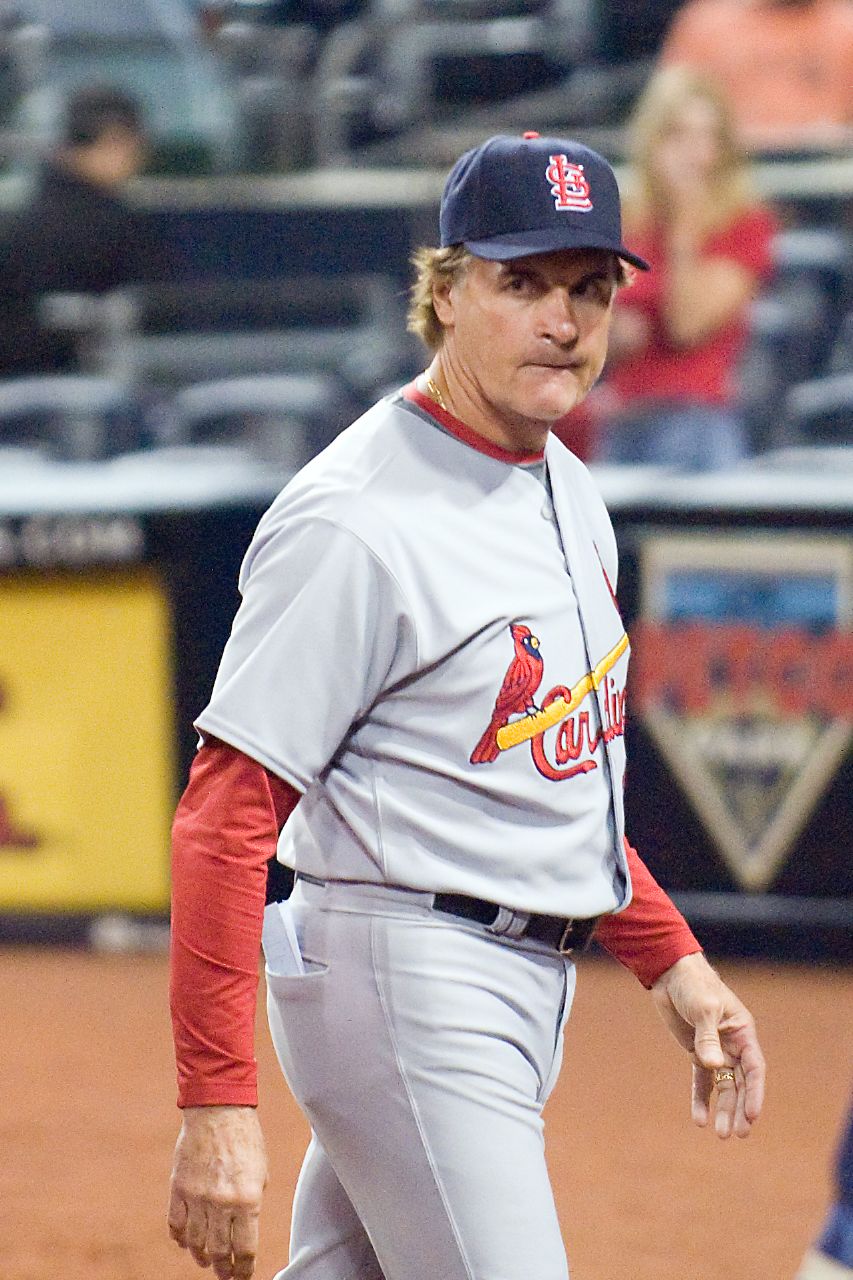
ESPN.com writer Jim Caple wrote that closers' saves in the ninth "merely conclude what is usually a foregone conclusion." In The Book: Playing the Percentages in Baseball, Tom Tango et al. wrote that there was more value to having the ace reliever enter in the eighth inning with a one- or a two-run lead instead of the ninth with a three-run lead. "Managers feel the need to please their closers—and their closers' agents—by getting them cheap saves to pad their stats and their bank accounts", wrote Caple. Former Baltimore Orioles manager Johnny Oates once told Jerome Holtzman, the inventor of the save statistic, that he created the ninth-inning pitcher by inventing the save. Holtzman disagreed, saying it was baseball managers who were responsible for not bringing in their top reliever when the game was on the line, in the seventh or eighth inning, which had been the practice in the past. He noted that managers' usage of closers can "abuse the pitching save ... to favor the closer."
La Russa says it is important that relievers know their roles and the situations which they will be called into a game. He added, "Sure, games can get away from you in the seventh and eighth, but those last three outs in the ninth are the toughest. You want the guy who can handle that pressure. That, to me, is most important." Former manager Jim Fregosi said managers do not like to be second-guessed. "Even if you know the odds, it's more comfortable being wrong when you go to the closer", said Beane. He noted the incremental increase gained by a closer in a three-run save situation "is worth it because losing is so painful in that situation." Former general manager Pat Gillick said closers become one-inning pitchers as managers began copying the practice of having setup pitchers enter before closers. "There are just too many specialists, guys who can only pitch one inning and only pitch certain innings and throw only 20 pitches. I think most pitchers are capable of pitching more", said Gillick.
Criticism
La Russa noted that losing clubs risk their closer being under-worked, if they stick to the strategy of saving them for ninth inning situations where the team is ahead.
Some critics have noted that the 9th inning closer strategy is illogical during playoff games, especially when the club is facing elimination, and suggested that the closer should be readily inserted as a "fireman" during an earlier inning to stop a rally while the score is still close. During Games 4 and 6 of the 2010 NLCS, each a late-inning situation with the score tied, Phillies manager Charlie Manuel did not call upon closer Brad Lidge and both times the selected relief pitcher surrendered the game-winning run (Lidge came in during the ninth inning of Game 6 where he preserved the 3-2 deficit but the Phillies failed to score in the bottom of the ninth). Similarly in Games 3 and 6 of the 2010 ALCS, each where the New York Yankees were trailing by two runs during a crucial inning, manager Joe Girardi did not go to Mariano Rivera, and both times the chosen relief pitcher gave up several runs which put the game out of reach for the Yankees; ESPN's Matthew Wallace lamented that "Girardi used Rivera in the ninth inning of Game 6, with the Yankees trailing 6–1, their ship long sailed to sea".
Hall of Fame
Nine pitchers who were primarily relievers have been inducted into the Baseball Hall of Fame. Hoyt Wilhelm was the first to be elected in 1985, followed by Rollie Fingers, Dennis Eckersley, Bruce Sutter, Goose Gossage, Trevor Hoffman, Lee Smith, Mariano Rivera, and Billy Wagner. Eckersley was the first closer in the one-inning save era to be inducted. He believed that he was inducted because he was both a starter and a reliever. "If I came up today as a closer and played 20 years, would I have made it [into the Hall of Fame]? These pitchers did the job they were supposed to do for 20 years. What else are they supposed to do?" said Eckersley. Rivera was elected in 2019 and was the first player in history to be elected unanimously by the Baseball Writers' Association of America, appearing on all 425 ballots.
Major awards and honors won by closers
Major League Baseball
| Award | Closer | Team | Year | |||
|---|---|---|---|---|---|---|
| Hall of Fame | ||||||
| Mariano Rivera | ||||||
| Lee Smith | ||||||
| Trevor Hoffman | ||||||
| Goose Gossage | ||||||
| Bruce Sutter | ||||||
| Dennis Eckersley | ||||||
| Rollie Fingers | ||||||
| Hoyt Wilhelm | ||||||
| Cy Young | ||||||
| Dennis Eckersley * | ||||||
| Mark Davis | ||||||
| Steve Bedrosian | ||||||
| Willie Hernández * | ||||||
| Rollie Fingers * | ||||||
| Bruce Sutter | ||||||
| Sparky Lyle | ||||||
| Mike Marshall |
| Award | Closer | Team | Year | |||
|---|---|---|---|---|---|---|
| MVP | ||||||
| Willie Hernández * | ||||||
| Rollie Fingers * | ||||||
| Jim Konstanty | ||||||
| WS MVP | ||||||
| John Wetteland | ||||||
| Rollie Fingers | ||||||
| Larry Sherry | ||||||
| ROY | ||||||
| Neftalí Feliz | ||||||
| Andrew Bailey | ||||||
| Huston Street | ||||||
| Kazuhiro Sasaki | ||||||
| Scott Williamson | ||||||
| Gregg Olson | ||||||
| Todd Worrell | ||||||
| Steve Howe | ||||||
| Butch Metzger | ||||||
| Joe Black | ||||||
| LCS MVP | ||||||
| Andrew Miller | ||||||
| Mariano Rivera | ||||||
| Rob Dibble, Randy Myers | ||||||
| Dennis Eckersley | ||||||
| ASG MVP |
|}
- Won both the league Cy Young Award and league Most Valuable Player Award in the same year
Nippon Professional Baseball
| Award | Closer | Team | Year | |||
|---|---|---|---|---|---|---|
| Meikyukai | ||||||
| Shingo Takatsu | ||||||
| Hitoki Iwase | ||||||
| Koji Uehara | ||||||
| Kyuji Fujikawa | ||||||
| Yoshihisa Hirano | ||||||
| MVP | ||||||
| Kazuhiro Sasaki | ||||||
| Genji Kaku | ||||||
| Yutaka Enatsu | ||||||
| Yutaka Enatsu |
|}
Notes
References
References
- (December 30, 2009). "On the Closer Position: The Save and RP Usage".
- Couch, Greg. (August 2004). "Last three outs require mental toughness on the part of a closer". Baseball Digest.
- Morris, Peter. (2006). "A Game of Inches: The Game on the Field". [[Ivan R. Dee]].
- [[#mcneil2006. McNeil 2006]], p.53
- Dickson, Paul. (2011). "The Dickson Baseball Dictionary". [[W. W. Norton & Company]].
- Marchman, Tim. (January 11, 2006). "Mr. Sutter Goes To Cooperstown...". [[The Sun (New York).
- Posnanski, Joe. (September 14, 2011). "The Meaning of Mariano". SI.com.
- Baseball Prospectus Team of Experts. (2007). "Baseball Between the Numbers: Why Everything You Know About the Game Is Wrong". Basic Books.
- [[#prospectus2007. Baseball Prospectus 2007, p.60]]
- [[#zimniuch. Zimniuch 2010]], p.169
- "Should managers play Scrabble with relievers? - MLB - Yahoo Canada Sports".
- {{Cite episode. Kornheiser. Tony. (February 20, 2017)
- Jenkins, Chris. (September 25, 2006). "Where's the fire?". [[The San Diego Union-Tribune]].
- [[#zimniuch. Zimniuch 2010]], p.143
- McNeil, William. (2006). "The Evolution of Pitching in Major League Baseball". [[McFarland & Company]].
- [[#dickson1999. Dickson 1999, p.396]]
- Caple, Jim. (August 5, 2008). "The most overrated position in sports". ESPN.com.
- [[#zimniuch. Zimniuch 2010]], pp.xx,81
- Schecter, Gabriel. (January 18, 2006). "The Evolution of the Closer". [[National Baseball Hall of Fame and Museum.
- Red, Christian. (March 13, 2010). "Modern Yankee Heroes: From humble beginnings, Mariano Rivera becomes the greatest closer in MLB history". [[Daily News (New York).
- Rosen, Charlie. (2011). "Bullpen Diaries: Mariano Rivera, Bronx Dreams, Pinstripe Legends, and the Future of the New York Yankees". HarperCollins Publishers.
- [[#zimniuch. Zimniuch 2010]], p.97
- (2007). "The Book: Playing the Percentages in Baseball". Potomac Books Inc..
- Holtzman, Jerome. (May 2002). "Where did save rule come from? Baseball historian recalls how he helped develop statistic that measures reliever's effectiveness". Baseball Digest.
- Holtzman, Jerome. (June 18, 1989). "Pitching Keeps Cubs Armed And Ready After Getting Past Challenging Stretch". [[Chicago Tribune]].
- [[#zimniuch. Zimniuch 2010]], pp.155–6
- [[#zimniuch. Zimniuch 2010]], pp.166–8
- "Crashburn Alley – Not Again!".
- (October 24, 2010). "Giants just good enough, which is plenty - SweetSpot- ESPN".
- (October 23, 2010). "Matthews: Girardi sank season in fifth inning".
- Lueck, Thomas J.. (August 25, 2002). "Hoyt Wilhelm, First Reliever in the Hall of Fame, Dies". The New York Times.
- (January 7, 2015). "Hall focus next year turns to Ken Griffey Jr., Trevor Hoffman and Billy Wagner". Boston Herald.
- Sarris, Eno. (January 7, 2015). "John Smoltz: Two Half Hall of Famers". Fangraphs.com.
- [[#zimniuch. Zimniuch 2010]], p.227
- [[#zimniuch. Zimniuch 2010]], p.229
- Schoenfield, David. (January 22, 2019). "Mariano Rivera, Edgar Martinez, Roy Halladay and Mike Mussina joining Hall of Fame".
- "Boston Red Sox closer Koji Uehara nets ALCS MVP honors".
This article was imported from Wikipedia and is available under the Creative Commons Attribution-ShareAlike 4.0 License. Content has been adapted to SurfDoc format. Original contributors can be found on the article history page.
Ask Mako anything about Closer (baseball) — get instant answers, deeper analysis, and related topics.
Research with MakoFree with your Surf account
Create a free account to save articles, ask Mako questions, and organize your research.
Sign up freeThis content may have been generated or modified by AI. CloudSurf Software LLC is not responsible for the accuracy, completeness, or reliability of AI-generated content. Always verify important information from primary sources.
Report