From Surf Wiki (app.surf) — the open knowledge base
Cholinesterase inhibitor
Chemicals which prevent breakdown of acetylcholine and butyrylcholine

Chemicals which prevent breakdown of acetylcholine and butyrylcholine
| Field | Value |
|---|---|
| Caption | General structure of a proton-pump inhibitor |
| Use | Alzheimer's disease |
| Biological_target | Cholinesterase |
| Mechanism_of_action | Enzyme inhibitor |
| ATC_prefix | N06#N06DA Anticholinesterases |
| MeshID | D002800 |
| Drugs.com | |
| medicinenet | cholinesterase_inhibitors |
| Drugs.com =
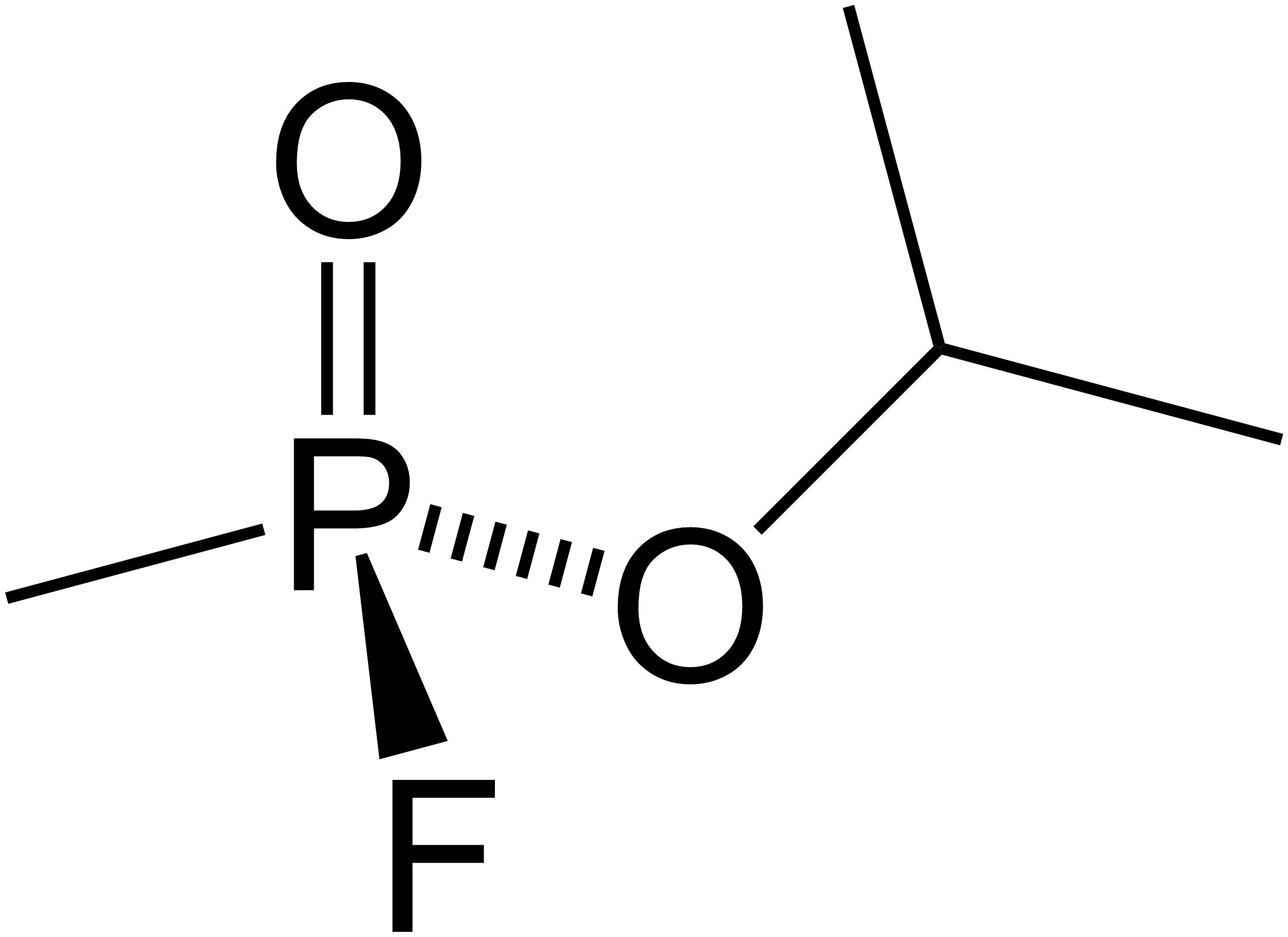

Cholinesterase inhibitors (ChEIs), also known as anti-cholinesterase, are chemicals that prevent the breakdown of the neurotransmitter acetylcholine or butyrylcholine by cholinesterase. This increases the amount of the acetylcholine or butyrylcholine in the synaptic cleft that can bind to muscarinic receptors, nicotinic receptors and others. This group of inhibitors is divided into two subgroups, acetylcholinesterase inhibitors (AChEIs) and butyrylcholinesterase inhibitors (BChEIs).
ChEIs may be used as drugs for Alzheimer's and myasthenia gravis, and also as chemical weapons and insecticides. Side effects when used as drugs may include loss of appetite, nausea, vomiting, loose stools, vivid dreams at night, dehydration, rash, bradycardia, peptic ulcer disease, seizures, weight loss, rhinorrhea, salivation, muscle cramps, and fasciculations.
ChEIs are indirect-acting parasympathomimetic drugs.
ChEls are widely used as chemical weapons. Since November 2019 the group of ACheIs known as Novichoks have been banned as agents of warfare under the Chemical Weapons Convention. Novichok agents are neurotoxic organophosphorus compounds and are considered more potent than VX gas, also a neurotoxic organophosphorus compound.
Medical use
While 4 ChEIs are approved in the US for the treatment of Alzheimer's Disease, only three of these are available commercially. The three available are rivastigmine, donepezil, and galantamine, while tacrine is not. They are generally used to treat Alzheimer's disease and dementia. If a benefit occurs, it is generally during the second or third month after starting.
It is difficult to determine which ChEI has greater efficacy, due to design flaws in head-to-head comparison studies.
Pyridostigmine is used in the treatment of myasthenia gravis.
Neostigmine is used in combination with a muscarinic antagonist to reverse the effects of non-depolarizing muscle relaxants e.g. rocuronium bromide
Cholinesterase inhibitor toxicity
Common side effects of one ChEI include insomnia, nausea and vomiting, accidental injury, headache, dizziness, bradycardia, hypotension, ecchymosis, and sleep disturbance.
Binding affinity
Acetylcholinesterase inhibitors
Donepezil, phenserine, huperzine A, and BW284c51 are selective AChE inhibitors.
Butyrylcholinesterase inhibitor
Tetra (monoisopropyl) pyrophosphoramide (Iso-OMPA) and ethopropazine are selective BChE inhibitors.
AChE and BChE inhibitor
Paraoxon and rivastigmine are both acetylcholinesterase inhibitors and butyrylcholinesterase inhibitors.
In 2015, the United States Food and Drug Administration's Adverse Event Reporting System database compared rivastigmine to the other ChEI drugs donepezil and galantamine found that rivastigmine was associated with a higher frequency of reports of death as an adverse event.
Acetylcholinesterase inhibitors and nicotinic receptor modulator
Galantamine might be less well tolerated than donepezil and rivastigmine.
Chemical weapons
Assassination Attempt
Cholinesterase inhibitors came to a public attention in 2020 when Russian opposition and dissent figure Alexei Navalny was treated in Berlin Charité hospital for poisoning by a Russian-made nerve agent which is known since 2019 as belonging to the Novichok agents subgroup of ChEI.
References
References
- (2012). "Primer on the Autonomic Nervous System". Elsevier.
- (2014). "From Molecules to Networks". Elsevier.
- (2013-04-01). "Acetylcholinesterase Inhibitors: Pharmacology and Toxicology". Bentham Science Publishers Ltd..
- "Cholinesterase Inhibitors (Medical Use & WMD)". [[Tulane University School of Medicine]].
- (2013). "Environmental Risks of Insecticides Cholinesterase Inhibitors". [[United States National Library of Medicine]].
- (2016). "Memory Loss, Alzheimer's Disease, and Dementia". Elsevier.
- (2018-01-08). "An update on the safety of current therapies for Alzheimer's disease: focus on rivastigmine". SAGE Publications.
- (2016). "The Eye". Elsevier.
- (2019). "Novichok nerve agents banned by chemical-weapons treaty". Nature.
- (2018). "Novichok agents: A historical, current, and toxicological perspective". Toxicology Communications.
- (2009). "WHO Model Formulary 2008". World Health Organization.
- (2012). "Prescribing information: Aricept". Eisai Inc. and Pfizer Inc..
- (2015). "Handbook of Toxicology of Chemical Warfare Agents". Elsevier.
- Hersen, Michel. (2006). "Comprehensive handbook of personality and psychopathology". John Wiley.
- (2015). "Adverse Effects of Cholinesterase Inhibitors in Dementia, According to the Pharmacovigilance Databases of the United-States and Canada". PLOS ONE.
- (2 September 2020). "Alexei Navalny was poisoned 'using Novichok' nerve agent, say German government". Telegraph Media Group Limited.
This article was imported from Wikipedia and is available under the Creative Commons Attribution-ShareAlike 4.0 License. Content has been adapted to SurfDoc format. Original contributors can be found on the article history page.
Ask Mako anything about Cholinesterase inhibitor — get instant answers, deeper analysis, and related topics.
Research with MakoFree with your Surf account
Create a free account to save articles, ask Mako questions, and organize your research.
Sign up freeThis content may have been generated or modified by AI. CloudSurf Software LLC is not responsible for the accuracy, completeness, or reliability of AI-generated content. Always verify important information from primary sources.
Report