From Surf Wiki (app.surf) — the open knowledge base
Cerography
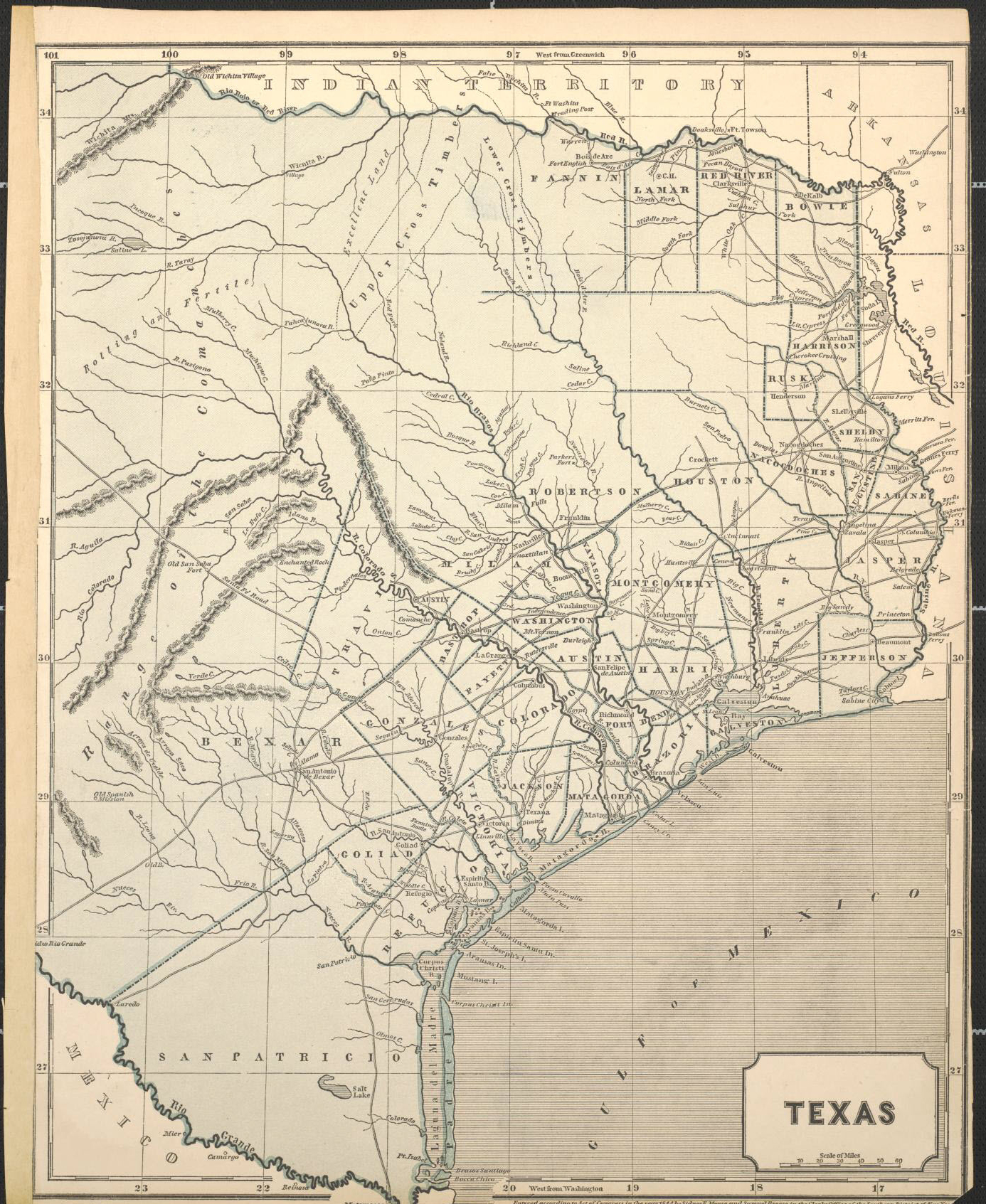

Cerography or glyphography is a printmaking technique related to engraving, using a layer of wax over a metal substrate. After the image is engraved into the wax, a positive plate is produced through stereotyping or electrotyping. This plate can be used with conventional letterpress equipment.
The word is derived from the Greek , wax, and , to write).
Cerography was invented in the late 1830s by Sidney E. Morse, a son of Jedidiah Morse, and a younger brother of Samuel Morse; it was independently patented in England by Edward Palmer, who primarily conceived of it as an artistic medium. Its primary use, however, was for line drawings, and in particular maps. It was easier than copperplate engraving and allowed lines and printed text to be combined easily in a single plate (the text could simply be stamped into the wax). It also allowed for color illustration. As compared to lithography and copperplate it had the disadvantage that it could not reproduce fine shading well. Tones were added by scoring fine parallel lines 100-150 per inch or by rolling stippling spikes over the surface of the wax to create parallel dotted lines.
The technique remained popular to the end of the 19th century but was gradually pushed out by photoengraving.
References
References
- {{cite EB1911
- Woodward, David. (1977). "The all-American map : wax engraving and its influence on cartography". University of Chicago Press.
This article was imported from Wikipedia and is available under the Creative Commons Attribution-ShareAlike 4.0 License. Content has been adapted to SurfDoc format. Original contributors can be found on the article history page.
Ask Mako anything about Cerography — get instant answers, deeper analysis, and related topics.
Research with MakoFree with your Surf account
Create a free account to save articles, ask Mako questions, and organize your research.
Sign up freeThis content may have been generated or modified by AI. CloudSurf Software LLC is not responsible for the accuracy, completeness, or reliability of AI-generated content. Always verify important information from primary sources.
Report