From Surf Wiki (app.surf) — the open knowledge base
Casein
Family of proteins found in milk

Family of proteins found in milk
Casein ( ; from Latin caseus, 'cheese') is a family of related phosphoproteins (αS1, aS2, β, κ) that are commonly found in mammalian milk, comprising about 80% of the proteins in cow's milk and between 20% and 60% of the proteins in human milk. Sheep and cow milk have a higher casein content than other types of milk with human milk having a particularly low casein content.
Casein does not appear to be essential in mammals. For example, the β-casein gene can be deleted in mice. The resulting mice are healthy and fertile, but the growth of their pups is reduced. Similarly, mice lacking the κ-casein gene are healthy, but they did not suckle their pups and failed to lactate, hence the gene is required for reproductive success.
Casein is amphiphilic and therefore can be used as an emulsifier.
Casein has a wide variety of uses, from being a major component of cheese, to use as a food additive. The most common form of casein is sodium caseinate (historically called nutrose), which is a very efficient emulsifier. Casein is secreted into milk from mammary cells in the form of colloidal casein micelles, a type of biomolecular condensate.
| access-date = 2024-10-09 | url-access = subscription
As a food source, casein supplies amino acids, carbohydrates, and two essential elements, calcium and phosphorus.
Composition
Casein contains a high number of proline amino acids which hinder the formation of common secondary structural motifs of proteins. There are also no disulfide bridges. As a result, it has relatively little tertiary structure. It is relatively hydrophobic, making it poorly soluble in water. It is found in milk as a suspension of particles, called casein micelles, which show only limited resemblance with surfactant-type micelles in a sense that the hydrophilic parts reside at the surface and they are spherical. However, in sharp contrast to surfactant micelles, the interior of a casein micelle is highly hydrated. The caseins in the micelles are held together by calcium ions and hydrophobic interactions. Any of several molecular models could account for the special conformation of casein in the micelles. One of them proposes the micellar nucleus is formed by several submicelles, the periphery consisting of microvillosities of κ-casein. Another model suggests the nucleus is formed by casein-interlinked fibrils. Finally, the most recent model proposes a double link among the caseins for gelling to take place. All three models consider micelles as colloidal particles formed by casein aggregates wrapped up in soluble κ-casein molecules.
The isoelectric point of casein is 4.6. Since milk's pH is 6.6, casein has a negative charge in milk. The purified protein is water-insoluble. While it is also insoluble in neutral salt solutions, it is readily dispersible in dilute alkalis and in salt solutions such as aqueous sodium oxalate and sodium acetate.
The enzyme trypsin can hydrolyze a phosphate-containing peptone. It is used to form a type of organic adhesive.
Uses
Paint

Casein paint is a fast-drying, water-soluble medium used by artists. Casein paint has been used since ancient Egyptian times as a form of tempera paint, and was widely used by commercial illustrators as the material of choice until the late 1960s when, with the advent of acrylic paint, casein became less popular. It is still widely used by scenic painters, although acrylic has made inroads in that field as well.
Glue
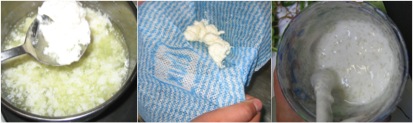
Casein-based glues are formulated from casein, water, and alkalis (usually a mix of hydrated lime and sodium hydroxide). Milk is skimmed to remove the fat, then the milk is soured so that the casein is precipitated as milk curd. The curd is washed (removing the whey), and then the curd is pressed to squeeze out the water (it may even be dried to a powder). The casein is mixed with alkali (usually both sodium and calcium hydroxide) to make glue. Glues made with different mixes of alkalis have different properties. Preservatives may also be added.
They were popular for woodworking, including for aircraft, as late as the de Havilland Albatross airliner in 1939.
Casein glue is also used in transformer manufacturing (specifically transformer board) due to its oil permeability.
Elmer's Glue-All, Elmer's School Glue and many other Borden adhesives were originally made from casein. While one reason was its non-toxic nature, a primary factor was that it was economical to use. Towards the end of the 20th century, Borden replaced casein in all of its popular adhesives with synthetics like PVA.
While largely replaced with synthetic resins, casein-based glues still have a use in certain niche applications, such as laminating fireproof doors and the labeling of bottles. Casein glues thin rapidly with increasing temperature, making it easy to apply thin films quickly to label jars and bottles on a production line.
Food
Several foods, creams, and toppings all contain a variety of caseinates. Sodium caseinate acts as a greater food additive for stabilizing processed foods; however, companies could opt to use calcium caseinate to increase calcium content and decrease sodium levels in their products.
Caseins for food additive use are produced by adding an acid to milk, which causes the casein to precipitate out as acid casein. By adding a base such as sodium hydroxide or calcium hydroxide to acid casein, a pure caseinate or casein salt is produced. "Co-precipate" refers to a mixture of casein and possibly other milk components that went out of the solution with casein. The precipitation can happen either through proteolysis (rennet) or through acid.
| Product | Caseinate % | Type | Function |
|---|---|---|---|
| Cheese | 3–28 | Rennet (digested) casein, some products also add milk protein concentrate | Matrix formation, fat, and water binding |
| Ice Cream | 1–7 | Calcium caseinate from milk, added caseinate | Texture and stabilizer |
| Whipped toppings | 2–11 | Added caseinate | Fat stabilization |
| Meat | 2–20 | Added caseinate and co-precipate | Texture and nutrition |
| Pasta | 2–18 | Added caseinate and caseins | Texture, nutrition, and taste |
| Baked goods | 1–15 | Added caseinate and caseins | Water binding |
The main food uses of casein are for powders requiring rapid dispersion into water, ranging from coffee creamers to instant cream soups. Mead Johnson introduced a product in the early 1920s named Casec to ease gastrointestinal disorders and infant digestive problems which were a common cause of death in children at that time.
All caseinates have very efficient emulsifying properties and widely used to make emulsions in foods.
Casein is also believed to neutralize capsaicin, the active spicy ingredient of chili peppers such as jalapeños, and habaneros. Milk is often consumed to decrease irritation caused by spicy foods.
Cheesemaking

Cheese consists of proteins and fat from milk, usually the milk of cows, buffalo, goats, or sheep. It is produced by coagulation that is caused by destabilization of the casein micelle, which begins the processes of fractionation and selective concentration.
Unlike many proteins, casein is not coagulated by heat. During the process of clotting, milk-clotting proteases act on the soluble portion of the caseins, κ-casein, thus originating an unstable micellar state that results in clot formation. When coagulated with chymosin, casein is sometimes called paracasein. Chymosin (EC 3.4.23.4) is an aspartic protease that specifically hydrolyzes the peptide bond in Phe105-Met106 of κ-casein, and is considered to be the most efficient protease for the cheese-making industry (Rao et al., 1998). British terminology, on the other hand, uses the term caseinogen for the uncoagulated protein and casein for the coagulated protein. As it exists in milk, it is a salt of calcium.
Protein supplements
An attractive property of the casein molecule is its ability to form a gel or clot in the stomach, which makes it very efficient in nutrient supply. The clot is able to provide a sustained slow release of amino acids into the blood stream, sometimes lasting for several hours. This also happens when milk is consumed by an animal: the stomach proteases cause it to form a gel. Cheesemaking using rennet (see above) replicates this behavior.
Casein is also a relatively abundant source of protein. One form (without the delayed-gelling property) is hydrolyzed casein, whereby it is hydrolyzed by a protease such as trypsin. This could result in quicker digestion or direct gel formation. Hydrolyzed forms are noted to taste bitter and such supplements are often refused by infants and lab animals in favor of intact casein.
Plastics and fiber
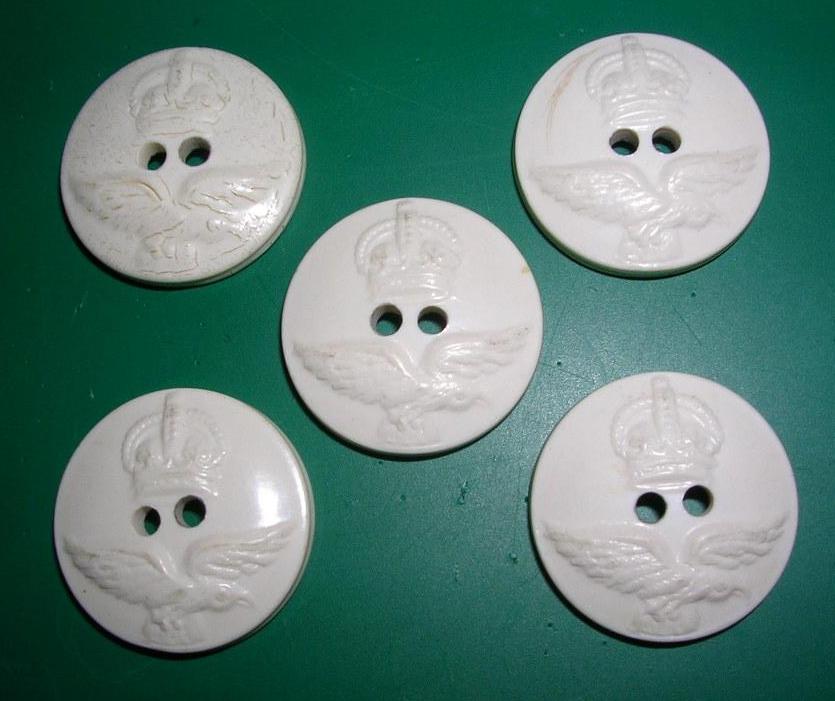
Some of the earliest plastics were based on casein. In particular, galalith was well known for use in buttons. Milk fiber can be made from extruded casein. Lanital, a fabric made from casein fiber (known as Aralac in the United States), was invented in Italy in 1935. This material, also referred to as milk cotton, is used in yarn production and can be made from a blend of casein and acrylonitrile, or in some cases, from pure casein.
Medical and dental uses
Casein-derived compounds are used in tooth remineralization products to stabilize amorphous calcium phosphate (ACP) and release the ACP onto tooth surfaces, where it can facilitate remineralization.
Casein and gluten exclusion diets are sometimes used in alternative medicine for children with autism. As of 2015 the evidence that such diets have any impact on behavior or cognitive and social functioning in autistic children was limited and weak.
Nanotechnological uses
Casein proteins have potential for use as nanomaterials due to their readily available source (milk) and their propensity to self-assemble into amyloid fibrils.
Potential health issues and effects
There is no good evidence that caseins in milk increase the risk of getting cancer.
A1/A2 beta-caseins in milk
Main article: A2 milk
A1 and A2 beta-caseins are genetic variants of the beta-casein milk protein that differ by one amino acid; a proline occurs at position 67 in the chain of amino acids that make up the A2 beta-casein, while in A1 beta-casein a histidine occurs at that position. Due to the way that beta-casein interacts with enzymes found in the digestive system, A1 and A2 are processed differently by digestive enzymes, and a seven-amino peptide, beta-casomorphin-7, (BCM-7) can be released by digestion of A1-beta-casein.
The A1 beta-casein type is the most common type found in cow's milk in Europe (excluding Italy and France which have more A2 cows), the United States, Australia, and New Zealand.
Interest in the distinction between A1 and A2 beta-casein proteins began in the early 1990s through epidemiological research and animal studies initially conducted by scientists in New Zealand, which found correlations between the prevalence of milk with A1 beta-casein proteins and various chronic diseases. The research generated interest in the media, among some in the scientific community, and entrepreneurs. A company, A2 Corporation, was founded in New Zealand in the early 2000s to commercialize the test and market "A2 Milk" as premium milk that is healthier due to the lack of peptides from A1. A2 Milk even petitioned the Food Standards Australia New Zealand regulatory authority to require a health warning on ordinary milk.
Responding to public interest, the marketing of A2 milk, and the scientific evidence that had been published, an independent review published in 2005 found no discernible difference between drinking A1 or A2 milk on the risk of contracting chronic diseases. The European Food Safety Authority (EFSA) reviewed the scientific literature and published a review in 2009 found no identifiable relationship between chronic diseases and drinking milk with the A1 protein.
Casein allergy
A small fraction of the population is allergic to casein. Casein intolerance, also known as "milk protein intolerance", is experienced when the body cannot break down the proteins of casein. The prevalence of casein allergy or intolerance ranges from 0.25% to 4.9% of young children. Numbers for older children and adults are not known.
Casein that is heat-treated has been shown to be more allergenic and harder to digest when fed to infants. Breast milk has not typically been shown to cause an allergic reaction, but should be administered to an infant with caution each time in case of adverse reaction from something the breastfeeding parent consumed that contained casein. Following a casein-free diet has been shown to improve outcomes of infants who are breastfed while allergic or intolerant to dairy protein. Human breast milk has been proven to be the best food for an infant, and should be tried first where available.
Supplementation of protease enzyme has been shown to help casein intolerant individuals digest the protein with minimal adverse reaction.
References
References
- (January 1990). "Human-milk proteins: analysis of casein and casein subunits by anion-exchange chromatography, gel electrophoresis, and specific staining methods". The American Journal of Clinical Nutrition.
- (2002). "Dairy Microbiology Handbook: The Microbiology of Milk and Milk Products". Wiley-Interscience.
- Kumar, S. (1994-06-21). "Milk composition and lactation of beta-casein-deficient mice.". Proceedings of the National Academy of Sciences.
- Shekar, P. Chandra. (2006-05-23). "κ-Casein-deficient mice fail to lactate". Proceedings of the National Academy of Sciences.
- "Industrial Casein". National Casein Company.
- (October 2019). "Milk Emulsions: Structure and Stability". Foods.
- (1997). "The technology of dairy products". Springer-Verlag.
- (September 1973). "Models for casein micelle formation". Journal of Dairy Science.
- (2011). "Casein". [[Columbia University]].
- (1998). "Casein Micelles as Colloids: Surface Structures and Stabilities". [[Journal of Dairy Science.
- (July 2005). "Aggregation and gelation of micellar casein particles". Journal of Colloid and Interface Science.
- (April 1979). "The voluminosity of bovine casein micelles and some of its implications". The Journal of Dairy Research.
- (February 2002). "ADSA Foundation Scholar Award. Formation and physical properties of milk protein gels". Journal of Dairy Science.
- (1992). "Advances in Protein Chemistry". Academic Press.
- (1998). "Casein Interactions: Casting Light on the Black Boxes, the Structure in Dairy Products". International Dairy Journal.
- (24 Sep 1998). "Turning milk into homemade moo glue". Cornell University.
- (1979). "Reader's Digest Crafts & Hobbies". Reader's Digest Association.
- (2008). "Acrylic painting". Oxford University Press.
- (2007). "Scenic Design And Lighting Techniques: A Basic Guide for Theatre". Taylor & Francis.
- (April 1961). "Casein glues: their manufacture, preparation, and application - Indiana State Library".
- "Chemistry Casein Glue - Activity".
- (1967). "Casein Glues: Their Manufacture, Preparation, and Application". [[United States Department of Agriculture.
- (2004). "Pioneering Soy Protein Companies: I. F. Laucks, The Glidden Co., Rich Products, Gunther Products, Griffith Laboratories". soyinfocenter.com.
- (2011). "Laminated Board". WICOR HOLDING AG.
- (2006). "Coatings Materials and Surface Coatings". CRC Press.
- (2004). "Tappi PLACE Division Conference". TAPPI.
- "Casein glues".
- "Micellar casein for corree creamers and other dairy products.".
- (January 2017). "Production of caseins and their usages". International Journal of Food Science and Nutrition.
- (2011). "Functional and Physicochemical Properties of Casein and its Use in Food and Non-Food Industrial Applications". Chemical Physics Research Journal.
- (March 1999). "Surface active and emulsifying properties of casein micelles compared to those of sodium caseinate". International Dairy Journal.
- (September 2019). "Putting out the fire - Efficacy of common beverages in reducing oral burn from capsaicin". Physiology & Behavior.
- (2007). "Fankhauser's Cheese Page".
- (December 1997). "Slow and fast dietary proteins differently modulate postprandial protein accretion". Proceedings of the National Academy of Sciences of the United States of America.
- (January 2008). "Avoidance of hydrolyzed casein by mice". Physiology & Behavior.
- (1941-11-09). "NEW CASEIN FIBER DUE FOR WIDE USE; Aralac, Skim-Milk By-Product, to Go Into Dress, Upholstery, Blanket and Other Fields (Published 1941)".
- (1937-12-01). "Artificial Wool Production in Italy". Nature.
- "What is Milk Fabric: Properties, How its Made and Where".
- (8 February 2011). "Enamel Remineralization: The Medical Model of Practicing multi Dentistry". Dentistry Today.
- (February 2006). "Increased remineralization of tooth enamel by milk containing added casein phosphopeptide-amorphous calcium phosphate". The Journal of Dairy Research.
- (2018). "Enhanced Remineralisation of Tooth Enamel Using Casein Phosphopeptide-Amorphous Calcium Phosphate Complex: A Review". International Journal of Clinical Preventive Dentistry.
- (November 2015). "Gluten-free and casein-free diets in the therapy of autism". Current Opinion in Clinical Nutrition and Metabolic Care.
- (April 2008). "Gluten- and casein-free diets for autistic spectrum disorder". The Cochrane Database of Systematic Reviews.
- (2013). "Protein Nanotechnology". Humana Press.
- (1 November 2021). "Can milk and dairy products cause cancer?".
- (May 2005). "The A2 milk case: a critical review". European Journal of Clinical Nutrition.
- (2006). "Reply: The A2 milk case: a critical review". [[European Journal of Clinical Nutrition]].
- EFSA. (2009). "Review of the potential health impact of β-casomorphins and related peptides: Review of the potential health impact of β-casomorphins and related peptides". EFSA Journal.
- (October 2010). "Cow's milk protein allergy". The Journal of Maternal-Fetal & Neonatal Medicine.
- (2013-12-24). "Dairy Intolerance: What It Is and How to Determine If You Have It".
- "Cow's Milk Allergy in Children {{!}} World Allergy Organization".
- (November 2010). "Food processing increases casein resistance to simulated infant digestion". Molecular Nutrition & Food Research.
- (2 November 2009). "Infant Allergies and Food Sensitivities".
- "Breastfeeding".
- (November 1954). "The action of proteolytic enzymes on casein proteins". Archives of Biochemistry and Biophysics.
This article was imported from Wikipedia and is available under the Creative Commons Attribution-ShareAlike 4.0 License. Content has been adapted to SurfDoc format. Original contributors can be found on the article history page.
Ask Mako anything about Casein — get instant answers, deeper analysis, and related topics.
Research with MakoFree with your Surf account
Create a free account to save articles, ask Mako questions, and organize your research.
Sign up freeThis content may have been generated or modified by AI. CloudSurf Software LLC is not responsible for the accuracy, completeness, or reliability of AI-generated content. Always verify important information from primary sources.
Report