From Surf Wiki (app.surf) — the open knowledge base
Capnomancy
Divination by examining smoke
Divination by examining smoke
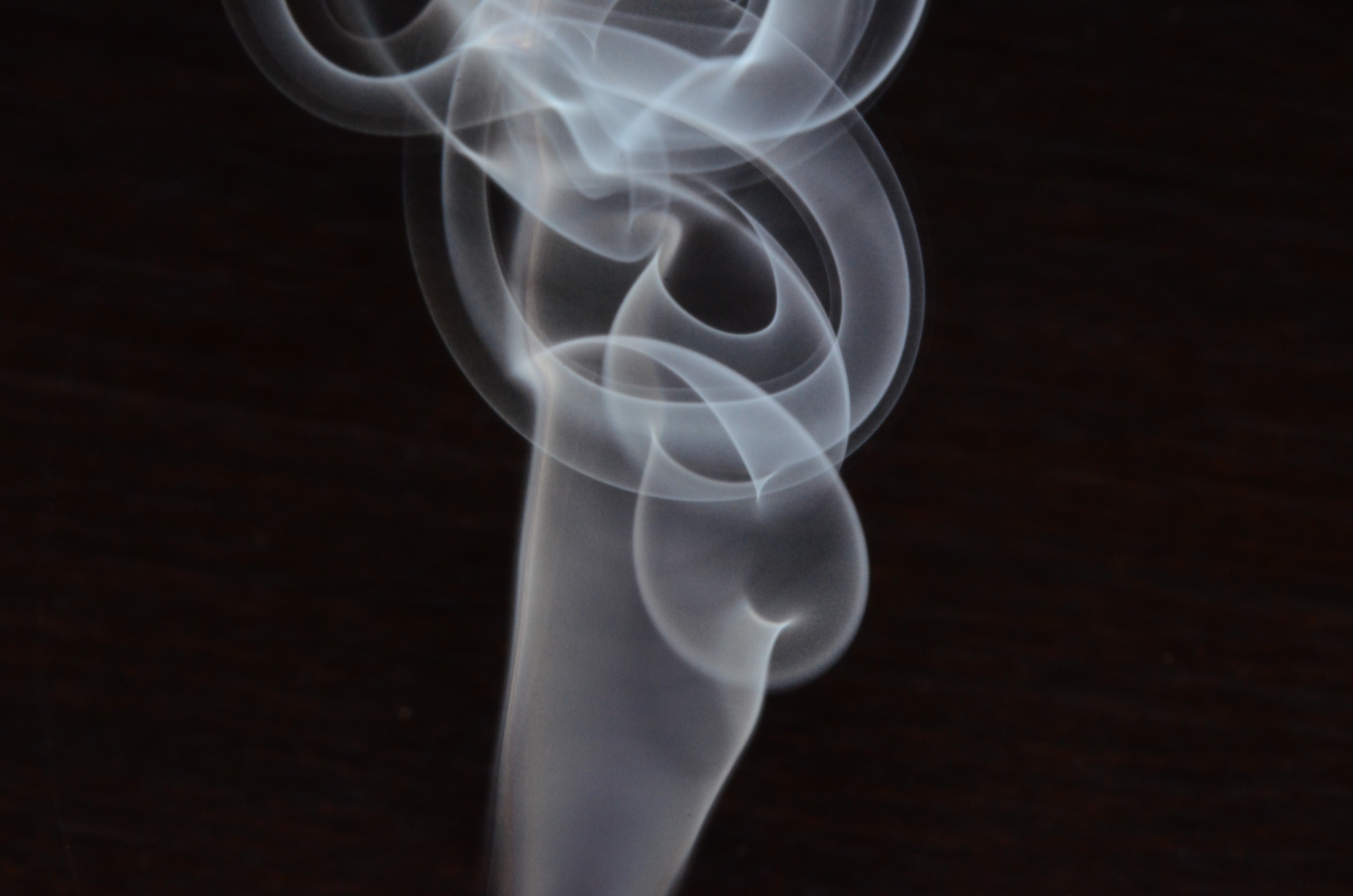
Capnomancy is divination by examining smoke. This is done by looking at the movements of the smoke after a fire has been made. A thin, straight plume of smoke is thought to indicate a good omen whereas the opposite is thought of large plumes of smoke. If the smoke touches the ground, this is thought to be a sign that immediate action must be taken to avoid catastrophe.
When capnomancy involves the smoke from incense, then it is called libanomancy.
Etymology
The word capnomancy comes from two Greek words: καπνός (kapnós), meaning smoke, and μαντεία (manteía), meaning divination or to see.
History
The first recorded use of capnomancy was in ancient Babylonia, where the ceremony was performed at religious dates throughout the year, using cedar branches or shavings. In ancient Greece, priests would burn animal sacrifices and then perform capnomancy over the smoke that was produced by the fire.
The Celts were thought to practice dendromancy, a form of capnomancy, using oak and mistletoe branches.
It was also used by the Semang of Malaysia, who would use the ritual to determine whether a camp was safe for the night. There is reference made to the practice in both 17th and 19th century religious texts, although these do not describe how the practice was performed.
Modern usage
Capnomancy has been reportedly used as late as 2003 in New England, where citizens would practice the ritual by using smoke plumes from chimneys. Other modern variations of the ritual involve burning cedar sticks, incense, or candles with ribbons tied around them. Hands are sometimes used to manipulate the smoke, with practitioners reading the shapes that are then produced.
References
References
- J. S. Forsyth. (1827). "Demonologia: or, Natural knowledge revealed: being an exposé of ancient and modern superstitions, credulity, fanaticism, enthusiasm, & imposture, as connected with the doctrine, caballa, and jargon, of amulets, apparitions, astrology, charms, demonology ... witchcraft, &c". J. Bumpus.
- Cheung, Theresa. (2006). "The Element Encyclopedia of the Psychic World". Harper Element.
- Scott Cunningham. (1 May 2003). "Divination for beginners: reading the past, present & future". Llewellyn Worldwide.
- [https://books.google.com/books?id=d29Yo-UIBSwC&dq=Capnomancy&pg=RA1-PA1659 Encyclopędia of Superstitions, Folklore, and the Occult Sciences of the World] p. 1659
- Gerina Dunwich. (1 January 2002). "Herbal Magick: A Witch's Guide to Herbal Folklore and Enchantments". Career Press.
- Clifford A. Pickover. (1 March 2001). "Dreaming the future: the fantastic story of prediction". Prometheus Books.
- Raymond Buckland. (1 August 2003). "The fortune-telling book: the encyclopedia of divination and soothsaying". Visible Ink Press.
This article was imported from Wikipedia and is available under the Creative Commons Attribution-ShareAlike 4.0 License. Content has been adapted to SurfDoc format. Original contributors can be found on the article history page.
Ask Mako anything about Capnomancy — get instant answers, deeper analysis, and related topics.
Research with MakoFree with your Surf account
Create a free account to save articles, ask Mako questions, and organize your research.
Sign up freeThis content may have been generated or modified by AI. CloudSurf Software LLC is not responsible for the accuracy, completeness, or reliability of AI-generated content. Always verify important information from primary sources.
Report