From Surf Wiki (app.surf) — the open knowledge base
Cantharidin
Chemical compound

Chemical compound
| Field | Value | |||||||||||||||
|---|---|---|---|---|---|---|---|---|---|---|---|---|---|---|---|---|
| container_only | yes | |||||||||||||||
| tradename | Ycanth, others | |||||||||||||||
| DailyMedID | Cantharidin | |||||||||||||||
| pregnancy_AU | ||||||||||||||||
| routes_of_administration | Topical | |||||||||||||||
| ATC_prefix | ||||||||||||||||
| legal_AU | ||||||||||||||||
| legal_BR | ||||||||||||||||
| legal_CA | ||||||||||||||||
| legal_DE | ||||||||||||||||
| legal_NZ | ||||||||||||||||
| legal_UK | ||||||||||||||||
| legal_US | Rx-only | |||||||||||||||
| legal_UN | ||||||||||||||||
| legal_status | ||||||||||||||||
| DrugBank | DB12328 | |||||||||||||||
| C | 10 | H=12 | Ag= | Al= | As= | Au= | B= | Bi= | Br= | Ca= | Cl= | Co= | F= | Fe= | Gd= | I= |
| K | Li= | Mg= | Mn= | N= | Na= | O=4 | P= | Pt= | S= | Sb= | Se= | Sr= | Tc= | Zn= | charge= |
| NFPA-H = 4 | NFPA-F = 1 | NFPA-R = 1 | NFPA-S =
| Drugs.com =
| elimination_half-life =
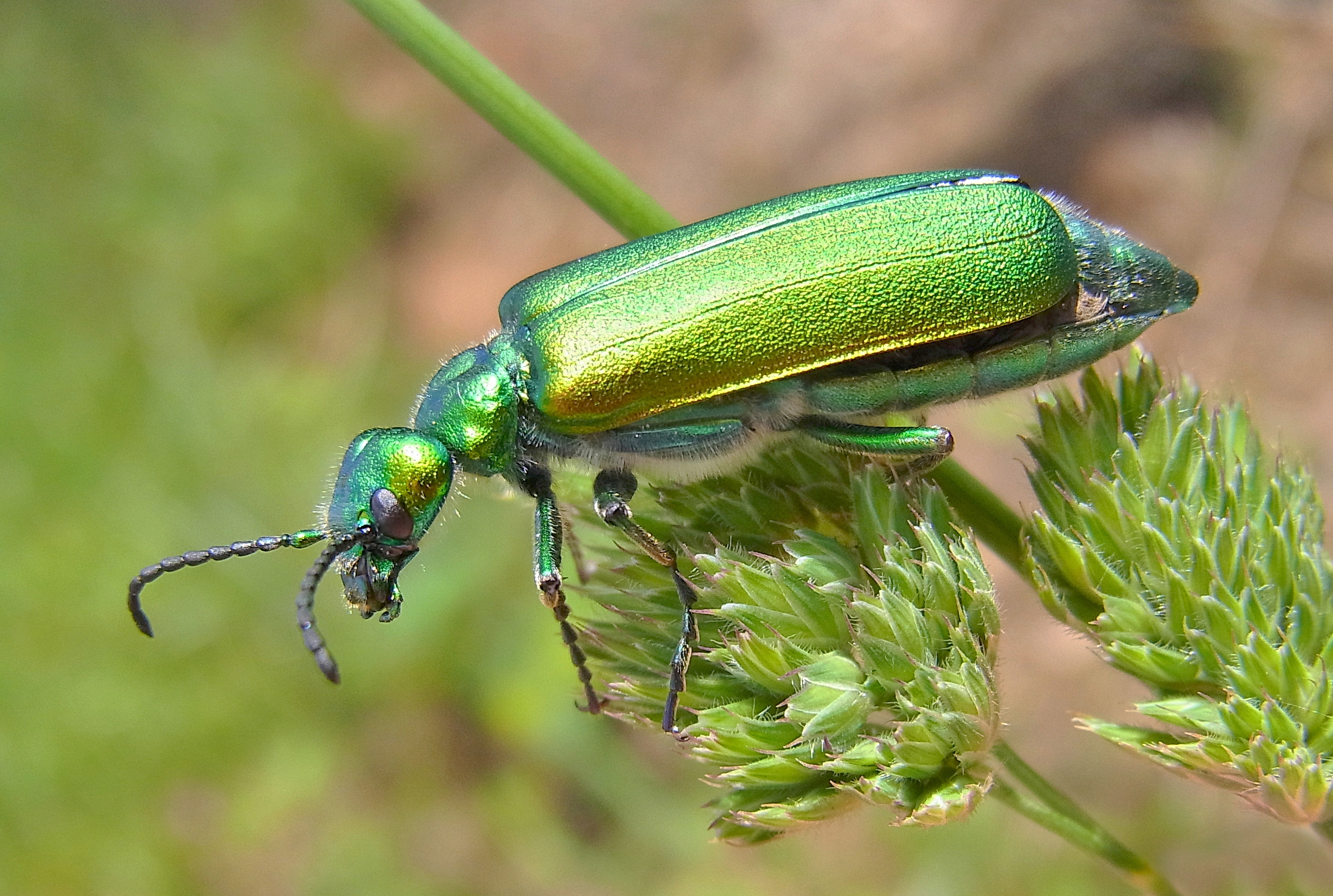
Cantharidin is an odorless, colorless fatty substance of the terpenoid class, which is secreted by many species of blister beetles. Its main current use in pharmacology is treating molluscum contagiosum and warts topically. It is a burn agent, poisonous in large doses. It has been historically used as an aphrodisiac (in preparations sold under the name "Spanish fly"). In its natural form, cantharidin is secreted by the male blister beetle, and given to the female as a copulatory gift during mating. Afterwards, the female beetle covers her eggs with it as a defense against predators.
Poisoning from cantharidin is a significant veterinary concern, especially in horses, but cantharidin can also be poisonous to humans if taken internally (where the source is usually experimental self-exposure). Externally, cantharidin is a potent vesicant (blistering agent), exposure to which can cause severe chemical burns. Properly dosed and applied, the same properties have also been used therapeutically, for instance, for treatment of skin conditions, such as molluscum contagiosum infection of the skin.
Cantharidin is classified as an extremely hazardous substance in the United States, and is subject to strict reporting requirements by facilities that produce, store, or use it in significant quantities.
Chemistry
Structure and nomenclature
Cantharidin, from the Greek kantharis, for beetle, is an odorless, colorless natural product with solubility in various organic solvents, but only slight solubility in water. Its skeleton is tricyclic, formally, a tricyclo-[5.2.1.02,6]decane skeleton. Its functionalities include a carboxylic acid anhydride (−CO−O−CO−) substructure in one of its rings, as well as a bridging ether in its bicyclic ring system.
Distribution and availability
The level of cantharidin in blister beetles can be quite variable. Among blister beetles of the genus Epicauta in Colorado, E. pennsylvanica contains about 0.2 mg, E. maculata contains 0.7 mg, and E. immaculata contains 4.8 mg per beetle; males also contain higher levels than females.
Males of Berberomeloe majalis have higher level of cantharidin per beetle: 64.22 ± 51.28 mg/g (dry weight) and 9.10 ± 12.64 mg/g (d. w.). Cantharidin content in haemolymph is also higher in males (80.9 ± 106.5 μg/g) than in females (20.0 ± 41.5 μg/g).
Laboratory synthesis
There have been multiple synthetic approaches to achieve cantharidin in the lab. A common strategy employed by different total synthesis methods is to begin with a Diels-Alder cycloaddition reaction to form the six-membered ring. The starting material often utilizes a furan as the diene, giving the formation of a bicyclic ring.
Biosynthesis
The complete mechanism of the biosynthesis of cantharidin is unknown. Its framework formally consists of two isoprene units. However, feeding studies indicate that the biosynthetic process is more complicated, and not a simple product of geranyl pyrophosphate or related ten-carbon parent structure, as the seeming monoterpene nature would suggest. Instead, there is a farnesol (15-carbon) precursor from which certain carbon segments are later excised.

Biosynthesis utilizing farnesol as a key intermediate is further supported by experiments in which key genes whose transcripts are expected to participate in the biosynthesis pathway were interfered with by RNA interference methods. The mevalonate pathway (MVA pathway) is responsible for producing isoprenoids in many organisms, including farnesol. Interference with two genes that participate in the MVA pathway, methyl farnesoate epoxidase (EcMFE) and juvenile hormone epoxide hydrolase (EcJHEH) inhibited the biosynthesis of cantharidin in male blister beetles.
History
Aphrodisiac preparations
Preparations made from blister beetles (particularly "Spanish fly") have been used since ancient times as an aphrodisiac, possibly because their physical effects were perceived to mimic those of sexual arousal, and because they can cause prolonged erection or priapism in men. These preparations were known as cantharides, from the Greek word for "beetle".
Examples of such use found in historical sources include:
- The ancient Roman historian Tacitus relates that a cantharid preparation was used by the empress Livia, wife of Augustus Caesar, to entice members of the imperial family or dinner guests to commit sexual indiscretions (thus, providing her information to hold over them).
- The German emperor Henry IV (1050–1106) is said to have consumed cantharides.
- The French surgeon Ambroise Paré (1510–1590) described a case in 1572 of a man suffering from "the most frightful satyriasis" after taking a potion composed of nettles and a cantharid extract. This is perhaps the same man of whom Paré relates that a courtesan sprinkled a cantharid powder on food she served to him, after which the man experienced "violent priapism" and anal bleeding, of which he later died. Paré also cites the case of a priest who died of hematuria after swallowing a dose of cantharides, which he intended to fortify his sex drive.
- Cantharides were in widespread use among the upper classes in France in the 1600s, despite being a banned substance. Police searches in connection with a rash of poisonings around 1680 turned up many stashes of "bluish flies", which were known to be used in the preparation of aphrodisiac potions.
- The French sorceress Catherine Monvoisin (known as "La Voisin," c. 1640–1680) was recorded in the 1670s as having prepared a love charm made from Spanish fly mixed with dried mole's blood and bat's blood.
- Aphrodisiac sweets presumably laced with cantharides were circulated within libertine circles during the 1700s in France. They were multicolored tablets nicknamed "pastilles de Richelieu," after the Maréchal de Richelieu, a notorious libertine (not to be confused with his great-uncle, the Cardinal Richelieu) who procured sexual encounters for King Louis XV.
- The French writer Donatien Alphonse François — notoriously known as the Marquis de Sade (1740–1814) — is said to have given aniseed-flavored pastilles laced with Spanish fly to two prostitutes at a pair of orgies in 1772, poisoning and nearly killing them. He was sentenced to death for that (and for the crime of sodomy), but was later reprieved on appeal.
Non-aphrodisiac uses
- The Spanish clergyman Juan de Horozco y Covarrubias (es) (c. 1540–1610) reported the use of blister beetles as a poison as well as an aphrodisiac.
- Preparations of dried blister beetles were at one time used as a treatment for smallpox. As late as 1892, Andrew Taylor Still, the founder of osteopathy, recommended inhaling a tincture of cantharidin as an effective preventative and treatment for smallpox, decrying vaccination.
- Japanese ninja used blister beetles combined with arsenic to create a noxious gas.
Pharmaco-chemical isolation
Cantharidin was first isolated as a chemically pure substance in 1810 by Pierre Robiquet, a French chemist then living in Paris. Robiquet isolated cantharidin as the active ingredient in pharmacological preparations of Lytta vesicatoria (Spanish fly), a species of blister beetle. This was one of the first historical instances of the identification and extraction of a simple active principle from a complex medicine.
Robiquet found cantharidin to be an odorless and colorless solid at room temperature. He demonstrated that it was the active principle responsible for the aggressively blistering properties of the coating of the eggs of the blister beetle, and additionally established that cantharidin had toxic properties comparable in degree to those of the most virulent poisons known in the 19th century, such as strychnine.
Other uses of the pharmacological isolate
- Diluted solutions of cantharidin can be used as a topical medication to remove warts and tattoos, and to treat the small papules of molluscum contagiosum.
- In Santería rituals, cantharides are used in incense.
Veterinary issues
Poisoning by Epicauta species from cantharidin is a significant veterinary concern, especially in horses; species infesting feedstocks depend on region—e.g., Epicauta pennsylvanica (black blister beetle) in the U.S. midwest; and E. occidentalis, temexia, and vittata species (striped blister beetles) in the U.S. southwest—where the concentrations of the agent in each can vary substantially.) may have several hundred insects, or none at all.
Great bustards, a strongly polygynous bird species, are not immune to the toxicity of cantharidin; they become intoxicated after ingesting blister beetles. However, cantharidin has activity also against parasites that infect them. Great bustards may eat toxic blister beetles of the genus Meloe to increase the sexual arousal of males.
Human medical issues
General risks
As a blister agent, cantharidin has the potential to cause adverse effects when used medically; for this reason, it has been included in a list of "problem drugs" used by dermatologists and emergency personnel. However, this references unregulated sources of cantharidin. In July 2023, the US FDA approved a topical formulation of cantharidin (Ycanth) for the treatment of molluscum contagiosum.
When ingested by humans, the is unknown, but fatal doses have been recorded between 10 mg and 65 mg. The median lethal dose appears to be around 1 mg/kg but individuals have survived after consuming oral doses as high as 175 mg. Ingesting cantharidin can initially cause severe damage to the lining of the gastrointestinal and urinary tracts, and may also cause permanent renal damage. Symptoms of cantharidin poisoning include hematuria, abdominal pain, and (rarely) priapism.
Risks of aphrodisiac use
Main article: Lytta vesicatoria
The extreme toxicity of cantharidin makes any use as an aphrodisiac highly dangerous. As a result, it is illegal to sell (or use) cantharidin or preparations containing it without a prescription in many countries.
Research
Mechanism of action
Topical cantharidin is absorbed by the lipid membranes of epidermal cells, causing the release of serine proteases, enzymes that break the peptide bonds in proteins. This causes the disintegration of desmosomal plaques, cellular structures involved in cell-to-cell adhesion, leading to detachment of the tonofilaments that hold cells together. The process leads to the loss of cellular connections (acantholysis), and ultimately results in blistering of the skin. Lesions heal without scarring.
Pharmaceutical use
VP-102, an experimental drug-device combination that includes cantharidin delivered via a single-use applicator, was studied for the treatment of molluscum contagiosum, common warts, and genital warts. The efficacy of cantharidin was formally established for the treatment of molluscum in patients 2 years and older in two double-blind, randomized, placebo-controlled trials. It is now FDA-approved for the treatment of molluscum contagiousum under the brand name Ycanth and is marketed by Verrica Pharmaceuticals.
Toxicity
The liver, primarily responsible for metabolism and detoxification, often becomes damaged in cases of cantharidin poisoning. The hepatotoxicity of cantharidin arises from its inhibition of hepatocyte proliferation pathways, the promotion of hepatocyte apoptosis or autophagy, and increased inflammation. Many studies have been conducted to elucidate the specific interactions cantharidin has in the liver, that lead to pathology. The poison has been found to inhibit PP1, PP2A (PP = protein phosphatase), TIL-4 (TIL = toll-like receptor), NF-KB (NF = nuclear factor), ERK, and DFF45. Cantharidin promotes TNF-α (TNF = tumor necrosis factor), FASL, ROS, caspase-4, caspase-6, caspase-8, caspase-9, caspase-12, protein kinase R-like ER kinase, inositol-requiring enzyme 1, ATF6 (transcription factor 6), ATF4, BID,BAK, BAX, cyto C, LC3-1, p150, Atg7, P13K III, eIF2α, and CHOP pathways. Cantharidin has a diverse range of targets in the liver that have been discovered empirically. However, the exact chemical mechanisms by which cantharidin interferes with these structures are unknown.
Bioactivities
Cantharidin appears to have some effect in the topical treatment of cutaneous leishmaniasis in animal models. In addition to topical medical applications, cantharidin and its analogs are of particular interest for oncological applications as they may have toxic activity against cancer cells. Laboratory studies with cultured tumor cells suggest that this activity may be the result of PP2A inhibition.
Recent research has identified many other pathways in cancer cells that may be interfered with by cantharidin. Generally, cantharidin's anticancer targets include numerous transcription factors, protein kinases, growth factors, and inflammatory cytokines. Cantharidin's general lack of target specificity in cancer cells and toxic effects towards healthy cells are limiting for clinical oncological applications.
Notes
References
References
- (25 July 2023). "Ycanth- cantharidin solution".
- (24 July 2023). "FDA approves first treatment for molluscum contagiosum". U.S. Food and Drug Administration.
- (1 July 2008). "40 C.F.R.: Appendix A to Part 355—The List of Extremely Hazardous Substances and Their Threshold Planning Quantitie". U.S. Government Printing Office..
- (2011). "A Dictionary of Entomology". CABI.
- (2013). "The Merck Veterinary Manual". Merck Sharp & Dohme.
- (1985). "Cantharidin Levels in Blister Beetles (Coleoptera: Meloidae) Associated with Alfalfa in Colorado". Journal of Economic Entomology.
- (2017). "Cantharidin is conserved across phylogeographic lineages and present in both morphs of Iberian ''Berberomeloe'' blister beetles (Coleoptera, Meloidae)". Zoological Journal of the Linnean Society.
- (15 October 1980). "Simple, efficient total synthesis of cantharidin via a high-pressure Diels-Alder reaction". Journal of the American Chemical Society.
- (11 April 2019). "Synthesis of cantharidin".
- (17 May 2017). "Novel green environment-friendly synthesis process of cantharidin".
- (2012). "Secondary-Metabolite Biosynthesis and Metabolism". Springer Science & Business Media.
- (January 2017). "The Potential Organ Involved in Cantharidin Biosynthesis in Epicauta chinensis Laporte (Coleoptera: Meloidae)". Journal of Insect Science.
- (August 2011). "Effect of farnesol on mevalonate pathway of Staphylococcus aureus". The Journal of Antibiotics.
- (23 May 2017). "Characterization of Juvenile Hormone Related Genes Regulating Cantharidin Biosynthesis in Epicauta chinensis". Scientific Reports.
- John L. Capinera, ''Encyclopedia of Entomology, Volume 4'', Springer Science & Business Media, 2008. p.2010
- Peter V. Taberner, ''Aphrodisiacs: The Science and the Myth'', Springer Science & Business Media, 2012, pp.100ff
- (1995). "Ancient Inventions". Ballantine Books.
- (13 March 2012). "When Sparks Fly: Aphrodisiacs and the Fruit Fly". Scientific American.
- (2000). "The Sexual Male: Problems and Solutions". W. W. Norton & Company.
- (1910). "Remèdes d'autrefois". A. Maloine.
- Richard Cavendish, ''The Black Arts'' (London: Pan Books, 1969), p. 333.
- Jacques Levron, ''Le Maréchal de Richelieu, un libertin fastueux'' (Paris, Perrin, 1971).
- (1985). "The beetle of Aphrodite and other medical mysteries". Random House.
- (2000). "The Marquis de Sade: A Life". Harvard University Press.
- (2006). "Tesoros de la lengua castellana o española". Universidad de Navarra - Iberoamericana - Vervuert.
- (1767). "A New Method of Curing the Small-pox ... with a Specimen of Miscellaneous Observations on Medical Subjects; from the Latin ... by a Physician". Hawes.
- (1892). "The philosophy and mechanical principles of osteopathy".
- (March 29, 2025). "Ninja Arts Inspired by the Animal Kingdom".
- (2013). "Bansenshukai". Watkins Publishing.
- (1995). "Kompendium der Tierärztlichen Homöopathie". Enke.
- (1810). "Expériences sur les cantharides". Annales de Chimie.
- (May 1958). "Treatment of warts with cantharidin". A.M.A. Archives of Dermatology.
- (August 2005). "Cutaneous warts: an evidence-based approach to therapy". American Family Physician.
- (November 2005). "Molluscum contagiosum". Merck Manuals.
- (2002). "Santería: The Religion". Llewellyn Publications.
- (2015). "Veterinary Clinical Procedures in Large Animal Practices". Cengage Learning.
- (2010). "Correlates of male mating success in great bustard leks: the effects of age, weight, and display effort". Behavioral Ecology and Sociobiology.
- (2014). "Males of a strongly polygynous species consume more poisonous food than females". PLOS ONE.
- (January 2012). "Possible cantharidin poisoning of a great bustard (Otis tarda)". Toxicon.
- (2016). "On Otis tarda and Marquis de Sade: what motivates male Great Bustards to consume Blister Beetles (Meloidae)?". Journal of Ornithology.
- (September 1996). "Poisoning from "Spanish fly" (cantharidin)". The American Journal of Emergency Medicine.
- (May 1979). "Malpractice--in dermatology". Cutis.
- (2001). "Cantharidin Revisited". Archives of Dermatology.
- (1960). "Cantharidin poisoning". Archives of Internal Medicine.
- (1987). "Endothal and cantharidin analogs: Relation of structure to herbicidal activity and mammalian toxicity". Journal of Agricultural and Food Chemistry.
- (January 2010). "Natural aphrodisiacs". The Journal of Sexual Medicine.
- (October 2001). "Aphrodisiacs past and present: a historical review". Clinical Autonomic Research.
- (October 2001). "Cantharidin revisited: a blistering defense of an ancient medicine". Archives of Dermatology.
- (February 1988). "Cantharide acantholysis: endogenous protease activation leading to desmosomal plaque dissolution". The British Journal of Dermatology.
- (28 May 2021). "Verrica Pharmaceuticals Announces Extension of FDA Review Period of its NDA for VP-102 for the Treatment of Molluscum Contagiosum". [[drugs.com]].
- (13 June 2023). "Hepatotoxic mechanism of cantharidin: insights and strategies for therapeutic intervention". Frontiers in Pharmacology.
- (October 2010). "Leishmania major: in vitro and in vivo anti-leishmanial effect of cantharidin". Experimental Parasitology.
- (October 2011). "Insect natural products and processes: new treatments for human disease". Insect Biochemistry and Molecular Biology.
- (October 2003). "Norcantharidin-induced apoptosis is via the extracellular signal-regulated kinase and c-Jun-NH2-terminal kinase signaling pathways in human hepatoma HepG2 cells". British Journal of Pharmacology.
- (December 2010). "A synthetic cantharidin analog for the enhancement of doxorubicin suppression of stem cell-derived aggressive sarcoma". Biomaterials.
- (May 2009). "The effect of cantharidins on leukemic stem cells". International Journal of Cancer.
- (May 2010). "Cantharidin, a potent and selective PP2A inhibitor, induces an oxidative stress-independent growth inhibition of pancreatic cancer cells through G2/M cell-cycle arrest and apoptosis". Cancer Science.
This article was imported from Wikipedia and is available under the Creative Commons Attribution-ShareAlike 4.0 License. Content has been adapted to SurfDoc format. Original contributors can be found on the article history page.
Ask Mako anything about Cantharidin — get instant answers, deeper analysis, and related topics.
Research with MakoFree with your Surf account
Create a free account to save articles, ask Mako questions, and organize your research.
Sign up freeThis content may have been generated or modified by AI. CloudSurf Software LLC is not responsible for the accuracy, completeness, or reliability of AI-generated content. Always verify important information from primary sources.
Report