From Surf Wiki (app.surf) — the open knowledge base
Burgundian Circle
Imperial circle of the Holy Roman Empire
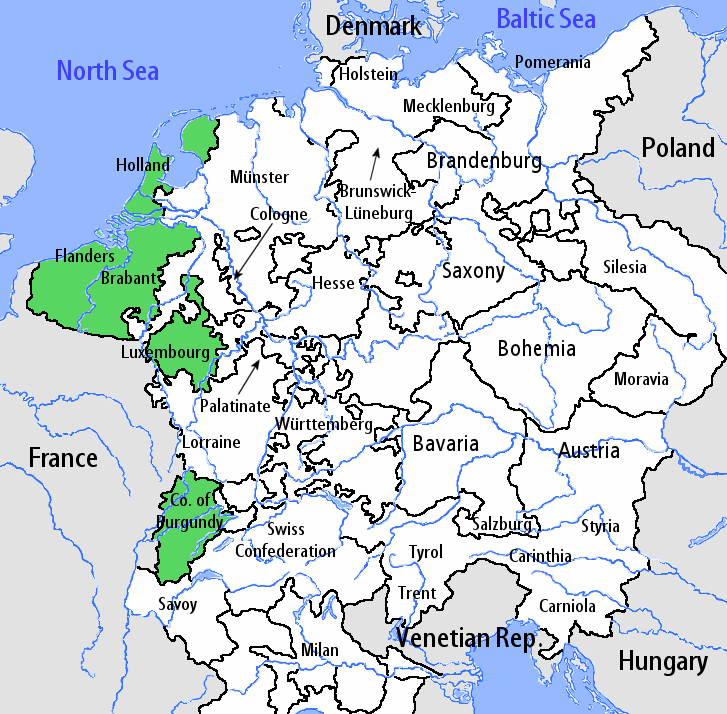
Imperial circle of the Holy Roman Empire
| Field | Value | |
|---|---|---|
| conventional_long_name | Burgundian Circle | |
| native_name | Burgundischer Kreis | |
| common_name | Burgundischer Kreis | |
| subdivision | Imperial Circle | |
| nation | Holy Roman Empire | |
| status_text | {{plainlist | |
| image_map | Locator Burgundian Circle.svg | |
| image_map_caption | The Burgundian Circle after 1548 within the Holy Roman Empire | |
| title_leader | Circle Colonel | |
| era | Early modern period | |
| year_start | 1512 | |
| event1 | Secession of the | |
| Seven United Provinces | ||
| date_event1 | 1648 | |
| year_end | 1797 | |
| today | {{plainlist |
- Imperial circle of the Holy Roman Empire}} Seven United Provinces
- Belgium
- France
- Germany
- Luxembourg
- Netherlands}}
The Burgundian Circle (, , ) was an imperial circle of the Holy Roman Empire created in 1512 and significantly enlarged in 1548. In addition to the Free County of Burgundy (the region of Franche-Comté), the Burgundian Circle roughly covered the Low Countries, i.e., the areas now known as the Netherlands, Belgium and Luxembourg and adjacent parts in the French administrative region of Nord-Pas-de-Calais. For most of its history, its lands were coterminous with the Habsburg Netherlands and the Burgundian Free County (Franche-Comté).
The circle's territorial scope was reduced considerably in the 17th century with the secession of the Seven United Provinces in 1581 (recognized 1648 under the Treaty of Westphalia) and the annexation of the Free County of Burgundy by France in 1678. Consequently, in the 18th century the circle was known as Austrian Netherlands as the Austrian Habsburgs had obtained the territory from Spain earlier in that century. The occupation and subsequent annexation of Imperial territory to the west of the Rhine river by Revolutionary France in the 1790s effectively brought an end to the circle's existence.
Composition
After the 1548 Diet of Augsburg, the circle was made up of the following territories:
Netherlands
| Name | Type of entity | Comments | [[File:Blason be Marquisat d Anvers.svg | 20px]] Antwerp | [[File:Arms of Robert dArtois.svg | 20px]] Artois | [[File:Batenburg wapen.svg | 20px]] Batenburg | [[File:Wapenschild van Brabant.svg | 20px]] Brabant | [[File:Breda Wappen klein.PNG | 20px]] Breda | [[File:Van Culemborg family CoA.svg | 20px]] Culemborg | [[File:Blason Dalhem.svg | 20px]] Dalhem | [[File:CoA Drenthe Province.svg | 20px]] Drenthe | [[File:Blason fam nl Egmont.svg | 20px]] Egmond | [[File:Flemish coat of arms.png | 20px]] Flanders | [[File:Friesland (kleine wapen).svg | 20px]] Friesland | [[File:Escudo de Groniga 1581.svg | 20px]] Groningen | [[File:Groningen coa small.png | 20px]] Groningen | [[File:Gelre Gulik coat of arms.svg | 20px]] Guelders | [[File:Coat of arms county of Hainaut.png | 20px]] Hainaut | [[File:DEU Herzogenrath COA.svg | 20px]] Herzogenrath | [[File:Wapen graafschap Holland.svg | 20px]] Holland | [[File:Blason ville nl Horn(Limburg).svg | 20px]] Horne | [[File:Die heer van Yselstein.svg | 20px]] IJsselstein | [[File:Blason Jever.svg | 20px]] Jever | [[File:Coat of arms limburg.png | 20px]] Limburg | [[File:DEU Grafschaft Lingen COA.svg | 20px]] Lingen | [[File:Coats of arms of None.svg | 20px]] Lothier | [[File:Arms of Luxembourg.svg | 20px]] Luxembourg | [[File:Blason ville nl Maastricht(Limburg).svg | 20px]] Maastricht | [[File:Escudo de Malinas 1581.svg | 20px]] Mechelen | [[File:Arms of Namur.svg | 20px]] Namur | [[File:Small coat of arms of Overijssel.svg | 20px]] Overijssel | [[File:Blason de Tournai.svg | 20px]] Tournai | [[File:Wappen Bistum Utrecht.png | 20px]][[File:Utrecht - coat of arms.png | 20px]] Utrecht | [[File:Van Valkenburg wapen.svg | 20px]] Valkenburg | [[File:Coat of arms of Zeeland.svg | 20px]] Zeeland | [[File:Graafschap zutphen.svg | 20px]] Zutphen |
|---|---|---|---|---|---|---|---|---|---|---|---|---|---|---|---|---|---|---|---|---|---|---|---|---|---|---|---|---|---|---|---|---|---|---|---|---|---|---|---|---|---|---|---|---|---|---|---|---|---|---|---|---|---|---|---|---|---|---|---|---|---|---|---|---|---|---|---|---|---|
| Marquisate | (Antorf) | ||||||||||||||||||||||||||||||||||||||||||||||||||||||||||||||||||||
| County | (Artesien) Ceded by France in 1493, annexed by France in 1659. | ||||||||||||||||||||||||||||||||||||||||||||||||||||||||||||||||||||
| Lordship | Transferred to the Burgundian Circle in 1548. | ||||||||||||||||||||||||||||||||||||||||||||||||||||||||||||||||||||
| Duchy | |||||||||||||||||||||||||||||||||||||||||||||||||||||||||||||||||||||
| Barony | Held by the Counts of Nassau. | ||||||||||||||||||||||||||||||||||||||||||||||||||||||||||||||||||||
| County | Transferred to the Burgundian Circle in 1548. Raised to a county in 1555. Vassal of the Dutch Republic in 1588. | ||||||||||||||||||||||||||||||||||||||||||||||||||||||||||||||||||||
| County | Transferred to the Burgundian Circle in 1548. Personal union with the Dukes of Brabant as the Lands of Overmaas. | ||||||||||||||||||||||||||||||||||||||||||||||||||||||||||||||||||||
| County | Transferred to the Burgundian Circle in 1548. Held by the Lordship of Groningen. | ||||||||||||||||||||||||||||||||||||||||||||||||||||||||||||||||||||
| County | |||||||||||||||||||||||||||||||||||||||||||||||||||||||||||||||||||||
| County | (Flandern) | ||||||||||||||||||||||||||||||||||||||||||||||||||||||||||||||||||||
| Lordship | Seceded to form part of the United Provinces in 1579. | ||||||||||||||||||||||||||||||||||||||||||||||||||||||||||||||||||||
| Free Imperial City | Transferred to the Burgundian Circle in 1548. | ||||||||||||||||||||||||||||||||||||||||||||||||||||||||||||||||||||
| Lordship | Transferred to the Burgundian Circle in 1548. A grouping of the former Ommelanden, which seceded to form part of the United Provinces in 1579, and the City of Groningen, which joined the United Provinces in 1594. | ||||||||||||||||||||||||||||||||||||||||||||||||||||||||||||||||||||
| Duchy | (Geldern) Transferred to the Burgundian Circle in 1548. Which, with the exception of Upper Guelders, seceded to form part of the United Provinces from 1579. | ||||||||||||||||||||||||||||||||||||||||||||||||||||||||||||||||||||
| County | (Hennegau) | ||||||||||||||||||||||||||||||||||||||||||||||||||||||||||||||||||||
| Lordship | Transferred to the Burgundian Circle in 1548. Personal union with the Dukes of Brabant as the Lands of Overmaas. | ||||||||||||||||||||||||||||||||||||||||||||||||||||||||||||||||||||
| County | Seceded in 1579 to become part of the United Provinces. | ||||||||||||||||||||||||||||||||||||||||||||||||||||||||||||||||||||
| County | In a personal union with the Prince-Bishopric of Liège after 1568. Annexed by France in 1795. | ||||||||||||||||||||||||||||||||||||||||||||||||||||||||||||||||||||
| Barony | (Ysselstein) Held by the Count of Egmond. | ||||||||||||||||||||||||||||||||||||||||||||||||||||||||||||||||||||
| Lordship | Unencircled until transferred to the Burgundian Circle in 1548. To Holland in 1807. | ||||||||||||||||||||||||||||||||||||||||||||||||||||||||||||||||||||
| Duchy | Transferred to the Burgundian Circle in 1548. Held by the Dukes of Brabant. | ||||||||||||||||||||||||||||||||||||||||||||||||||||||||||||||||||||
| County | Transferred to the Burgundian Circle in 1548. Part of the Netherlands since 1648, under Prussian rule since 1702. | ||||||||||||||||||||||||||||||||||||||||||||||||||||||||||||||||||||
| Duchy | Honourific title associated with the territory within the former Duchy of Lower Lotharingia. Held by the Duchy of Brabant. | ||||||||||||||||||||||||||||||||||||||||||||||||||||||||||||||||||||
| Duchy | (Luxemburg) | ||||||||||||||||||||||||||||||||||||||||||||||||||||||||||||||||||||
| Free Imperial City | Annexed by France in 1794. | ||||||||||||||||||||||||||||||||||||||||||||||||||||||||||||||||||||
| Lordship | (Mecheln) A personal lordship of the Duke of Burgundy. | ||||||||||||||||||||||||||||||||||||||||||||||||||||||||||||||||||||
| County | (Namür) | ||||||||||||||||||||||||||||||||||||||||||||||||||||||||||||||||||||
| Lordship | (Oberyssel) Transferred to the Burgundian Circle in 1548. Including the County of Drenthe, which seceded to form part of the United Provinces in 1579. | ||||||||||||||||||||||||||||||||||||||||||||||||||||||||||||||||||||
| Lordship | (Dornick) Included since 1521. Annexed by First French Republic in 1794. | ||||||||||||||||||||||||||||||||||||||||||||||||||||||||||||||||||||
| Prince-Bishopric | Transferred to the Burgundian Circle in 1548. Later Lordship of Utrecht. which seceded to form part of the United Provinces in 1579. | ||||||||||||||||||||||||||||||||||||||||||||||||||||||||||||||||||||
| County | Transferred to the Burgundian Circle in 1548. Personal union with the Dukes of Brabant as the Lands of Overmaas. | ||||||||||||||||||||||||||||||||||||||||||||||||||||||||||||||||||||
| County | (Seeland) Held by the Counts of Holland; seceded to form part of the United Provinces in 1579. | ||||||||||||||||||||||||||||||||||||||||||||||||||||||||||||||||||||
| County | (Zütphen) Held by the Counts of Holland; seceded to form part of the United Provinces in 1579. |
County of Burgundy
| Name | Type of entity | Commentate | [[File:Blason fr Franche-Comté.svg | 20px]] Burgundy | [[File:Blason-diocèse-Besançon-ancien.svg | 20px]] Besançon | [[File:Arms of Imperial City of Besançon.svg | 20px]] Besançon | [[File:Blason Charolais.svg | 20px]] Charolais | [[File:Blason ville fr Chaussin (Jura).svg | 20px]] Chaussin | [[File:Blason de la ville de Laperrière-sur-Saône (21).svg | 20px]] Laperrière | [[File:Blason Salins-les-Bains.svg | 20px]] Salins |
|---|---|---|---|---|---|---|---|---|---|---|---|---|---|---|---|---|
| County | (Burgund) Transferred to the Burgundian Circle in 1548. Annexed by France in 1678. | |||||||||||||||
| Prince-Bishopric | (Bisanz) Transferred to the Burgundian Circle in 1548. Annexed by France in 1678. | |||||||||||||||
| Free Imperial City | (Bisanz) Transferred to the Burgundian Circle in 1548. Lost Imperial status in 1651, becoming Free City of Besançon. Annexed by France in 1678. | |||||||||||||||
| County | Transferred to the Burgundian Circle in 1548. Ownership was confirmed in the Treaty of Paris to Margaret of Austria. Annexed by France in 1678. | |||||||||||||||
| Lordship | Transferred to the Burgundian Circle in 1548. Ownership was confirmed in the Treaty of Paris to Margaret of Austria. Annexed by France in 1678. | |||||||||||||||
| Marquisate | Transferred to the Burgundian Circle in 1548. Ownership was confirmed in the Treaty of Paris to Margaret of Austria. Annexed by France in 1678. | |||||||||||||||
| Lordship | Transferred to the Burgundian Circle in 1548. Annexed by France in 1678. |
History
The Imperial Seventeen Provinces emerged from the Burgundian Netherlands ruled in personal union by the French Dukes of Burgundy. Most of the seventeen had been fiefs of the Holy Roman Empire on the territory of Lower Lorraine, except for Flanders and Artois. In 1482, they fell to the House of Habsburg.

In 1363, the French King John II of Valois enfeoffed his youngest son Philip the Bold with the Duchy of Burgundy (Bourgogne). Philip in 1369 married Margaret of Dampierre, the only child of Count Louis II of Flanders (d. 1384), whose immense dowry not only included Flanders and Artois but also the Imperial County of Burgundy. He thereby became the progenitor of the House of Valois-Burgundy, which systematically came into possession of different Imperial fiefs: his grandson Philip the Good, Duke of Burgundy from 1419, purchased Namur in 1429, and inherited the duchies of Brabant and Limburg from his cousin Philip of Saint-Pol in 1430. In 1432, he forced Jacqueline of Wittelsbach to cede him the counties of Hainaut and Holland along with Zeeland, under the Treaty of Delft, and finally occupied Luxembourg, exiling Duchess Elisabeth of Görlitz in 1443.
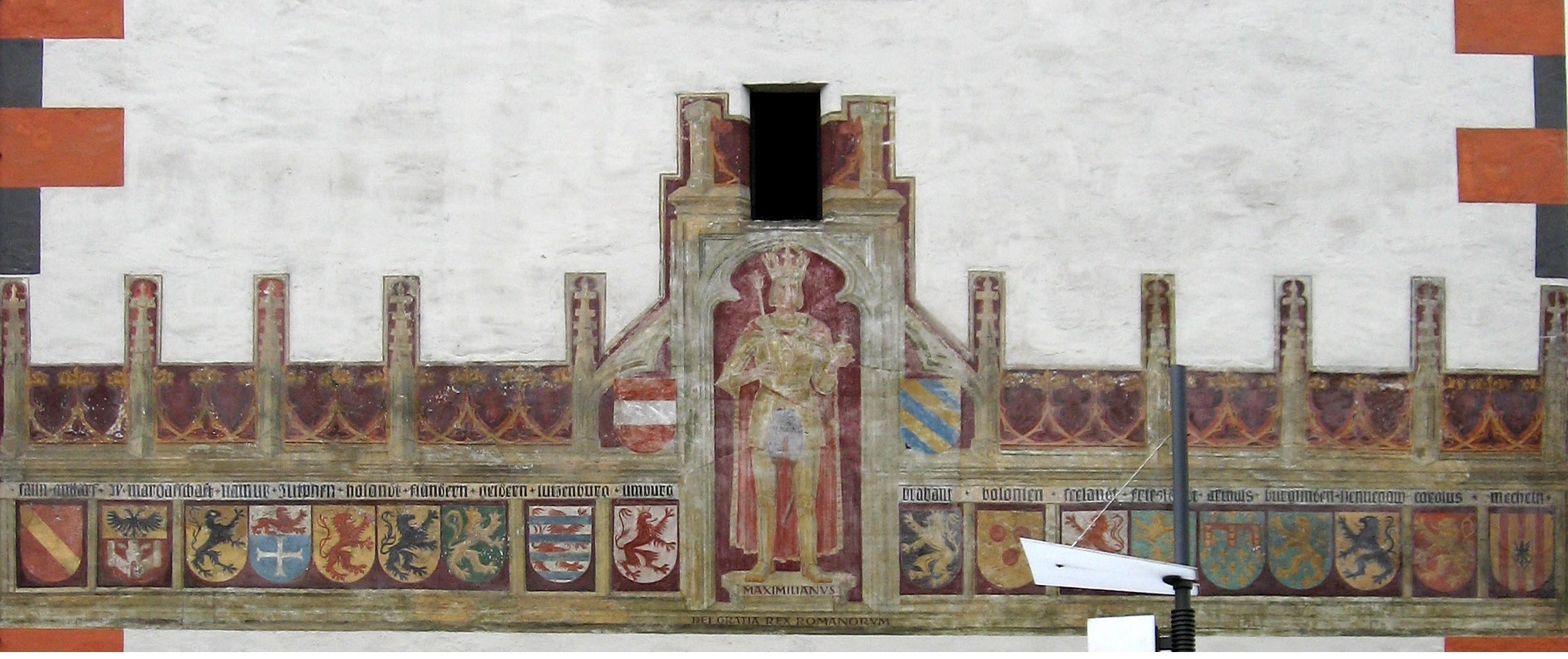

The Burgundian State then bore a faint resemblance to the early medieval Lotharingia, but fell suddenly with the death of the ambitious Charles the Bold. In 1473, he had agreed with Frederick III, Holy Roman Emperor to marry his daughter Mary the Rich to the Emperor's son Archduke Maximilian I of Austria in exchange for the elevation of his Imperial territories to a "Kingdom of Burgundy", co-equal to the French kingdom of his Valois cousins. The Prince-electors, however, forestalled these plans, and Duke Charles started a desperate campaign against the Duchy of Lorraine and was killed at the 1477 Battle of Nancy. To secure her heritage against King Louis XI of France, his daughter Mary nevertheless married Maximilian the same year. The Archduke defeated the French troops at the 1479 Battle of Guinegate and by the 1493 Treaty of Senlis annexed the Seventeen Provinces – including the French fiefs of Flanders and Artois – for the House of Habsburg. The sovereignty finally passed to the Empire in the Treaty of Cambrai in 1529. The Duchy of Burgundy proper was seized as a reverted fief by the French crown.

Maximilian's grandson and successor, Charles V, Holy Roman Emperor eventually won the Guelders Wars and united all seventeen provinces under his rule, the last one being the Duchy of Guelders in 1543. The Burgundian treaty of 1548 shifted the seventeen provinces from the Lower Rhenish–Westphalian Circle to the Burgundian circle, resulting in a significant territorial gain for the latter and increased tax obligation. The Pragmatic Sanction of 1549 determined that the Provinces should remain united in the future and inherited by the same monarch. After Charles V's abdication in 1556, his realms became divided between his son, King Philip II of Spain, and his brother, Emperor Ferdinand I. The Seventeen Provinces went to his son Philip. Meanwhile, a common political representation was established through the States General of the Netherlands.
Conflicts between Philip II and his Dutch subjects led to the Eighty Years' War, which started in 1568. The seven northern provinces gained their independence as a republic called the Seven United Provinces. They were:
- the Lordship of Groningen and of the Ommelanden
- the Lordship of Friesland
- the Lordship of Overijssel
- the Duchy of Guelders (except its upper quarter) and the County of Zutphen
- the Lordship of Utrecht
- the County of Holland
- the County of Zeeland
The southern provinces – Flanders, Brabant, Namur, Hainaut, Luxembourg and so forth – were restored to Spanish rule thanks to the military and political talent of the Duke of Parma, especially at the siege of Antwerp (1584-1585). Hence, these Provinces became known as the Spanish Netherlands.
The northern Seven United Provinces kept parts of Limburg, Brabant and Flanders during and after the Eighty Years' War (see: Generality Lands), which ended with the Treaty of Westphalia in 1648.
Artois, and parts of Flanders and Hainaut were ceded to France in the treaties of the Pyrenees and Nijmegen in the course of the 17th century.
References
Sources
This article was imported from Wikipedia and is available under the Creative Commons Attribution-ShareAlike 4.0 License. Content has been adapted to SurfDoc format. Original contributors can be found on the article history page.
Ask Mako anything about Burgundian Circle — get instant answers, deeper analysis, and related topics.
Research with MakoFree with your Surf account
Create a free account to save articles, ask Mako questions, and organize your research.
Sign up freeThis content may have been generated or modified by AI. CloudSurf Software LLC is not responsible for the accuracy, completeness, or reliability of AI-generated content. Always verify important information from primary sources.
Report