From Surf Wiki (app.surf) — the open knowledge base
Bulgarian Communist Party
Ruling party of Bulgaria from 1946 to 1990
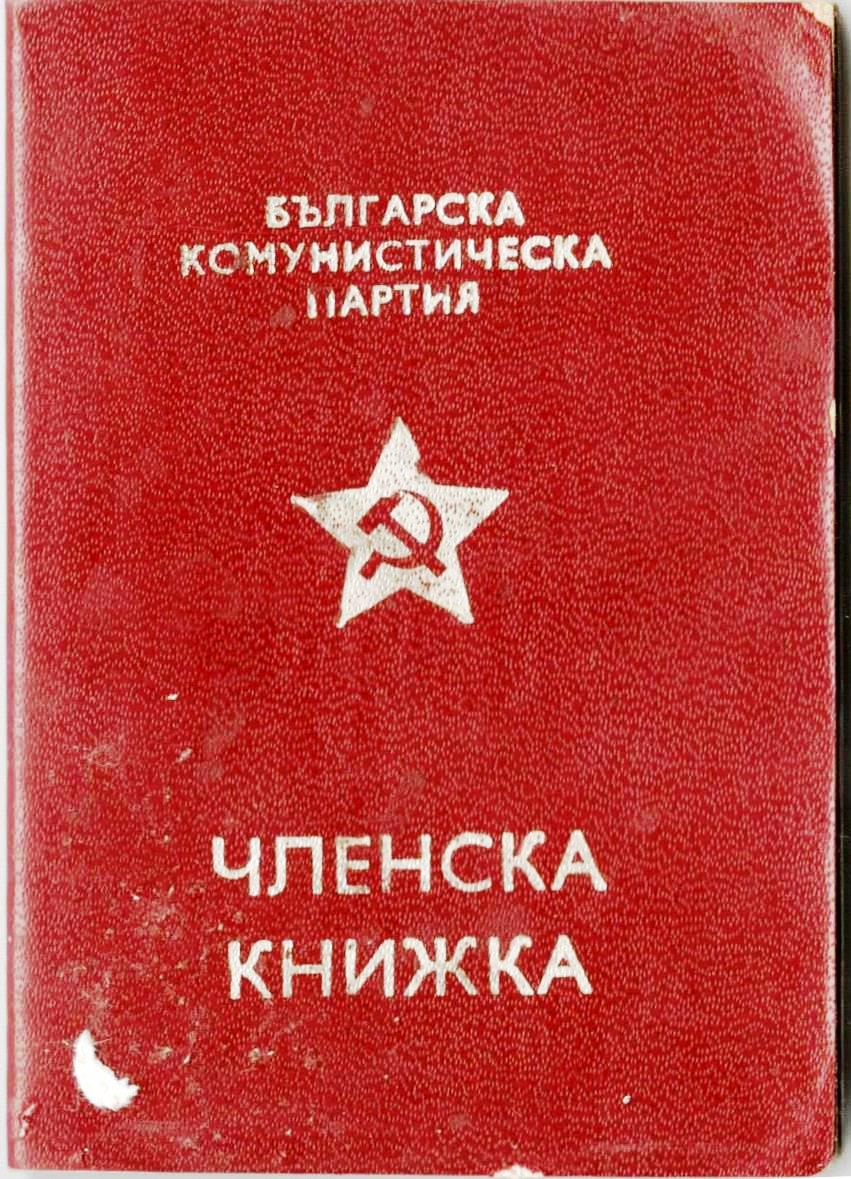
Ruling party of Bulgaria from 1946 to 1990
| Field | Value |
|---|---|
| name | Bulgarian Communist Party |
| native_name | Българска комунистическа партия |
| logo | LogoBKP.svg |
| colorcode | |
| abbreviation | BKP/БКП |
| general_secretary | Dimitar Blagoev (first) |
| Aleksandar Lilov (last) | |
| founded | 28 May 1919 |
| dissolved | |
| predecessor | BSDWP (NS) |
| successor | Bulgarian Socialist Party |
| headquarters | Party House, Largo, Sofia |
| newspaper | Rabotnichesko Delo |
| youth_wing | Dimitrov Communist Youth Union |
| wing1_title | Pioneer wing |
| wing1 | Dimitrovist Pioneer Organization |
| wing2_title | Armed wing |
| wing2 | Military Organisation of the BCP (1920–1925) |
| Bulgarian People's Army (1952–1990) | |
| membership | 1,000,000 (1989 ) |
| ideology | |
| national | Fatherland Front (1942–1990) |
| european | Balkan Communist Federation (1921–1939) |
| international | |
| anthem | The Internationale |
| flag | Flag of Bulgarian Communist Party - Българска Комунистическа Партия (БКП).svg |
| country | Bulgaria |
Aleksandar Lilov (last) Bulgarian People's Army (1952–1990)
The Bulgarian Communist Party (Bulgarian: Българска комунистическа партия (БΚП), Romanised: Bŭlgarska komunisticheska partiya; BKP) was the founding and ruling party of the People's Republic of Bulgaria from 1946 until 1990, when the country ceased to be a socialist satellite state of the Soviet Union. The party had dominated the Fatherland Front, a coalition that took power in 1944, late in World War II, after it led a coup against Bulgaria's tsarist regime in conjunction with the Red Army's crossing of the border. It controlled its armed forces, the Bulgarian People's Army.
The BCP was organized on the basis of democratic centralism, a principle introduced by the Russian Marxist scholar and leader Vladimir Lenin, which entails democratic and open discussion on policy on the condition of unity in upholding the agreed-upon policies. The highest body of the BCP was the Party Congress, convened every fifth year. When the Party Congress was not in session, the Central Committee was the highest body, but since the body normally met only once a year, most duties and responsibilities were vested in the Politburo and its Standing Committee. The party's leader held the offices of General Secretary.
The ideology of the BCP was Marxism-Leninism. In the 1960s, the BCP announced economic reforms, which allowed the free sale of production that exceeded planned amounts. The BCP gradually developed an openly nationalistic policy against its Muslim and Turkish minorities and went much further in this direction than any other Eastern European communist regime. After Soviet Premier Mikhail Gorbachev took power in 1985, the BCP underwent political and economic liberalization, which promptly liquidated the party and dissolved the People's Republic of Bulgaria completely. After the end of the BCP, the party was renamed to the Bulgarian Socialist Party in 1990, although Bulgaria retained its socialist-era constitution until 1991 along with its Warsaw Pact membership until its dissolution that same year.
History
Origins
The party's origins lay in the Bulgarian Social Democratic Workers' Party (Narrow Socialists) (Tesni Sotsialisti, "Narrow Socialists"), which was founded in 1903 after a split in the 10th Congress of the Bulgarian Social Democratic Workers' Party.
The party's founding leader was Dimitar Blagoev, who was the driving force behind the formation of the BSDWP in 1894. It comprised most of the hardline Marxists in the Social Democratic Workers' Party. The party opposed World War I and was sympathetic to the October Revolution in Russia. Under Blagoev's leadership, the party applied to join the Communist International upon its founding in 1919. Upon joining the Comintern the party was reorganised as the Communist Party of Bulgaria.
Georgi Dimitrov was a member of the party's Central Committee from its inception in 1919 until his death in 1949, also serving as Bulgaria's leader from 1946. In 1938 the party merged with the Bulgarian Workers' Party and took the former party's name.
Ruling party
Following Dimitrov's sudden death, the party was led by Valko Chervenkov, a Stalinist who oversaw a number of party purges that met with Moscow's approval. The party joined the Cominform at its inception in 1948 and conducted purges against suspected Titoists following the expulsion of the Communist Party of Yugoslavia from the alliance. Suspected counter-revolutionaries were imprisoned. In 1948 the Bulgarian Social Democratic Workers' Party (Broad Socialists) was forced to merge into the BKP, thus liquidating any left-wing alternative to the communists.
In March 1954, one year after Joseph Stalin's death, Chervenkov was deposed.
From 1954 until 1989 the party was led by Todor Zhivkov, who was very supportive of the Soviet Union and remained close to its leadership after Nikita Khrushchev was deposed by Leonid Brezhnev. His rule led to relative political stability and an increase in living standards. The demands for democratic reform which swept Eastern Europe in 1989 led Zhivkov to resign. He was succeeded by a considerably more liberal Communist, Petar Mladenov. On 11 December Mladenov announced the party was giving up its guaranteed right to rule. For all intents and purposes, this was the end of Communist rule in Bulgaria, though it would be another month before the provision in the constitution enshrining the party's "leading role" was deleted.
Post-1990
The party moved in a more moderate direction, and by the spring of 1990 was no longer a Marxist-Leninist party. That April, the party changed its name to the Bulgarian Socialist Party (BSP). A number of hardline Communists established several splinter parties with a small number of members. One of these parties, named Communist Party of Bulgaria (Komunisticeska Partija na Balgarija), is led by Aleksandar Paunov.
Headquarters
The Party House (Партийния дом, Partiyniya dom) served as the headquarters of the Bulgarian Communist Party, located at the Largo. The Party House building was designed by a team under architect Petso Zlatev and was completed in 1955.
Leaders
Chairman of the Communist Party of Bulgaria
| Chairman | Term of office | Notes | Nº | Portrait | Name | |||||
|---|---|---|---|---|---|---|---|---|---|---|
| (Born–Died) | Took office | Left office | Duration | Bulgarian Communist Party}}; color:white;" | 1 | Bulgarian Communist Party}}; color:white;" | 2 | Bulgarian Communist Party}}; color:white;" | 3 | |
| [[File:Dblagoev.jpg | 60px]] | Dimitar Blagoev | ||||||||
| (1856–1924) | 1919 | 1924 | ||||||||
| [[File:V.kolarov.jpg | 60px]] | Vasil Kolarov | ||||||||
| (1877–1950) | 1924 | 1933 | ||||||||
| [[File:Georgi Dimitrov.jpg | 60px]] | Georgi Dimitrov | ||||||||
| Георги Димитров | ||||||||||
| (1882–1949) | 1933 | 27 December 1948 |
General Secretaries of the Bulgarian Communist Party (1948–1990)
| General Secretary | Term of office | Notes | Nº | Portrait | Name | ||||||
|---|---|---|---|---|---|---|---|---|---|---|---|
| (Born–Died) | Took office | Left office | Duration | Bulgarian Communist Party}}; color:white;" | 1 | Bulgarian Communist Party}}; color:white;" | 2 | Bulgarian Communist Party}}; color:white;" | 3 | Bulgarian Communist Party}}; color:white;" | 4 |
| [[File:Georgi Dimitrov.jpg | 60px]] | Georgi Dimitrov | |||||||||
| Георги Димитров | |||||||||||
| (1882–1949) | 27 December 1948 | 2 July 1949 | Also Prime Minister (1946–1949) | ||||||||
| [[File:Valko Chervenkov.jpg | 60px]] | Valko Chervenkov | |||||||||
| Вълко Червенков | |||||||||||
| (1900–1980) | 2 July 1949 | 4 March 1954 | Also Prime Minister (1950–1955) | ||||||||
| [[File:Bundesarchiv Bild 183-B0115-0010-066, Berlin, VI. SED-Parteitag, Warnke, Shiwkow - Zhivkov.jpg | 60px]] | Todor Zhivkov | |||||||||
| Тодор Живков | |||||||||||
| (1911–1998) | 4 March 1954 | 10 November 1989 | Also Prime Minister (1962–1971), and chairman of the Council of State (1971–1989) | ||||||||
| [[File:Petar Mladenov 1978 (cropped).jpg | 60px]] | Petar Mladenov | |||||||||
| Петър Младенов | |||||||||||
| (1936–2000) | 10 November 1989 | 2 February 1990 | Also chairman of the Council of State (1989–1990) |
Chairmen of the Bulgarian Communist Party (1990)
| Chairman | Term of office | Notes | Nº | Portrait | Name | |||
|---|---|---|---|---|---|---|---|---|
| (Born–Died) | Took office | Left office | Duration | Bulgarian Communist Party}}; color:white;" | 1 | |||
| [[File:Alexander lilov.jpg | 60px]] | Aleksandar Lilov | ||||||
| Александър Лилов | ||||||||
| (1933–2013) | 2 February 1990 | 3 April 1990 | Also Member of the Parliament (1962–2001) |
Organizational structure

Party congresses
Congresses and national conferences adopt the program and statutes of the party, approve the accounts of the past periods, develop directives and decisions for further activity. They elect the central governing bodies of the party.
Central Committee
The Central Committee of the BKP is the highest governing body that operates between congresses.
Electoral history
| Election | Party leader | Votes | Seats | Position | # | % | # | ± | 1908 | June 1911 | September 1911 | 1913 | 1914 | 1919 | 1920 | April 1923 | November 1923 | 1927 | 1931 | 1938 | 1939 | 1945 | 1946 | 1949 | 1953 | 1957 | 1962 | 1966 | 1971 | 1976 | 1981 | 1986 | 1990 |
|---|---|---|---|---|---|---|---|---|---|---|---|---|---|---|---|---|---|---|---|---|---|---|---|---|---|---|---|---|---|---|---|---|---|
| Dimitar Blagoev | 1,505 | 0.32 | Opposition | ||||||||||||||||||||||||||||||
| 9,220 | 1.66 | 1 | Opposition | ||||||||||||||||||||||||||||||
| 12,850 | 2.55 | 1 | Opposition | ||||||||||||||||||||||||||||||
| 54,217 | 10.10 | 18 | Opposition | ||||||||||||||||||||||||||||||
| 43,251 | 5.66 | 7 | Opposition | ||||||||||||||||||||||||||||||
| 119,395 | 18.52 | 36 | Opposition | ||||||||||||||||||||||||||||||
| 184,616 | 20.39 | 3 | Opposition | ||||||||||||||||||||||||||||||
| 203,972 | 19.27 | 34 | Opposition | ||||||||||||||||||||||||||||||
| 8,437 | 0.84 | 16 | Opposition | ||||||||||||||||||||||||||||||
| Vasil Kolarov | 29,210 | 2.53 | Opposition | ||||||||||||||||||||||||||||||
| 168,281 | 13.01 | 31 | Opposition | ||||||||||||||||||||||||||||||
| Georgi Dimitrov | Banned | Opposition | |||||||||||||||||||||||||||||||
| Opposition | |||||||||||||||||||||||||||||||||
| as part of the Fatherland Front | 94 | Coalition | |||||||||||||||||||||||||||||||
| 2,264,852 | 53.88 | 184 | Majority | ||||||||||||||||||||||||||||||
| as part of the Fatherland Front | Majority | ||||||||||||||||||||||||||||||||
| Valko Chervenkov | Majority | ||||||||||||||||||||||||||||||||
| Todor Zhivkov | Majority | ||||||||||||||||||||||||||||||||
| Majority | |||||||||||||||||||||||||||||||||
| Majority | |||||||||||||||||||||||||||||||||
| as part of the Fatherland Front | 146 | Majority | |||||||||||||||||||||||||||||||
| 4 | Majority | ||||||||||||||||||||||||||||||||
| 1 | Majority | ||||||||||||||||||||||||||||||||
| 5 | Majority | ||||||||||||||||||||||||||||||||
| Petar Mladenov | 274 | Opposition |
References
References
- "Istoriya". Bulgarian Socialist Party.
- (1984). "The Party Statutes of the Communist World". BRILL.
- Genova, Dafina. (2022). "“Our Best for Four for Five”: Slogans as Party Propaganda in the Totalitarian State". Półrocznik Językoznawczy Tertium.
- Genova, Dafina. (2022). "“Our Best for Four for Five”: Slogans as Party Propaganda in the Totalitarian State". Półrocznik Językoznawczy Tertium.
- Daskalov, Roumen. (2023). "Entangled Histories Of The Balkans - Volume Two". Brill.
- [http://encyclopedia2.thefreedictionary.com/Bulgarian+Communist+Party+BCP Bulgarian Communist Party – an article translated from The Great Soviet Encyclopedia (1979). Taken from the Free dictionary by Farlex.]
- "Archived copy".
- Kiradzhiev, Svetlin. (2006). "Sofia 125 Years Capital 1879-2004 Chronicle". IK Gutenberg.
This article was imported from Wikipedia and is available under the Creative Commons Attribution-ShareAlike 4.0 License. Content has been adapted to SurfDoc format. Original contributors can be found on the article history page.
Ask Mako anything about Bulgarian Communist Party — get instant answers, deeper analysis, and related topics.
Research with MakoFree with your Surf account
Create a free account to save articles, ask Mako questions, and organize your research.
Sign up freeThis content may have been generated or modified by AI. CloudSurf Software LLC is not responsible for the accuracy, completeness, or reliability of AI-generated content. Always verify important information from primary sources.
Report