From Surf Wiki (app.surf) — the open knowledge base
Brain as food
none
none
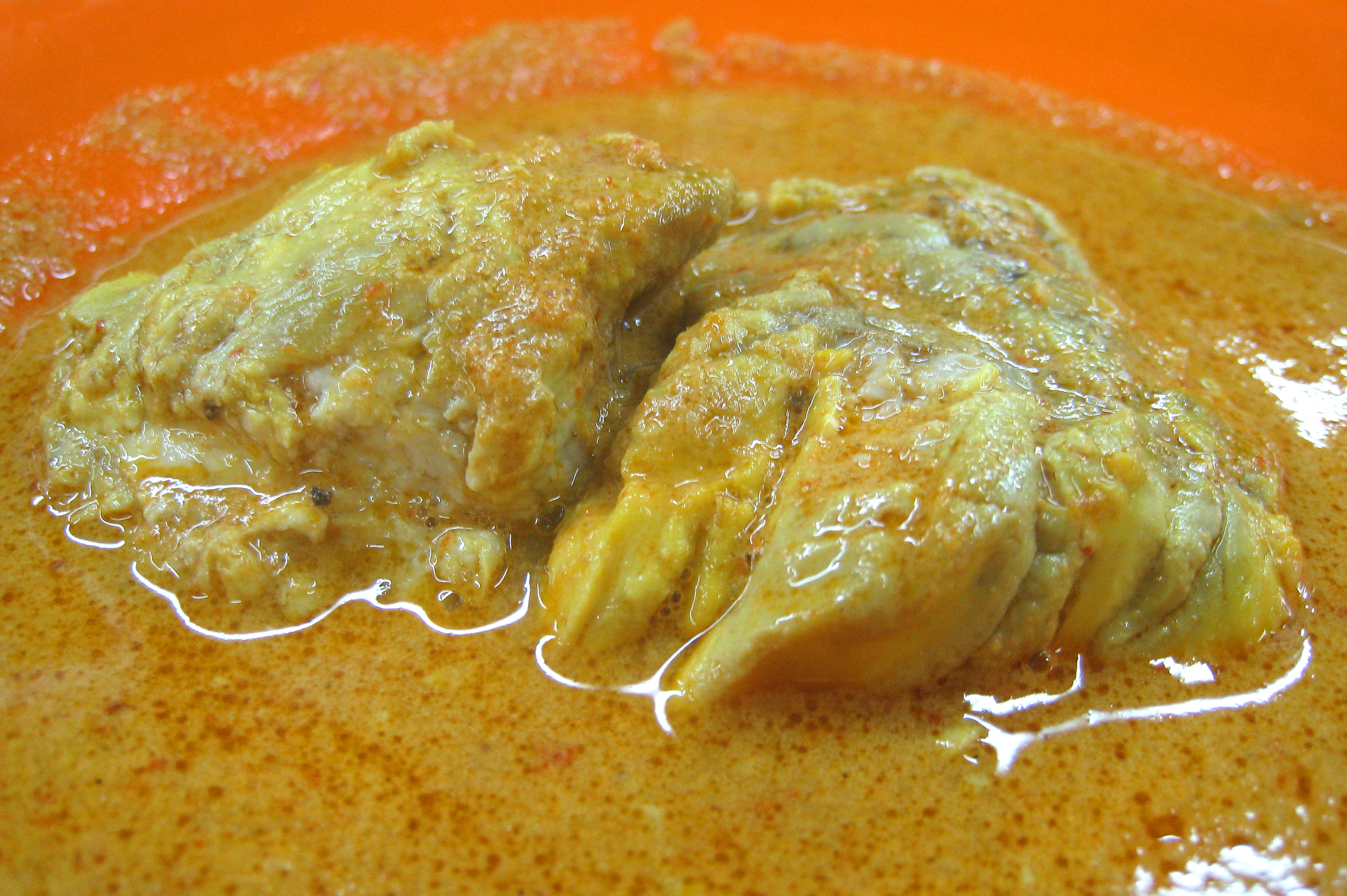
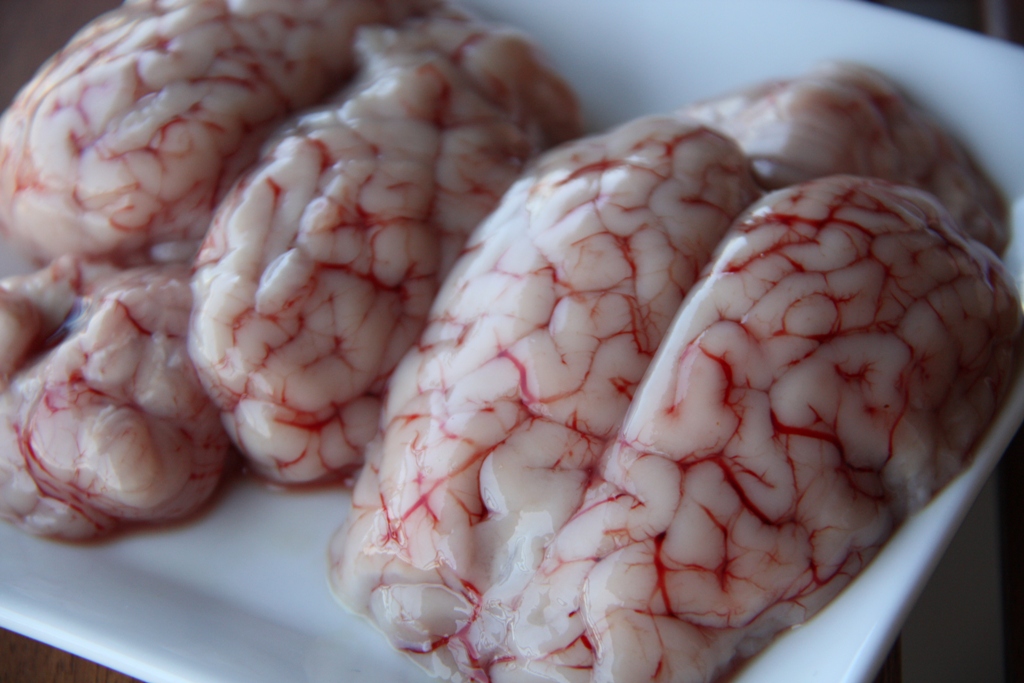
The brain, like most other internal organs, or offal, can serve as nourishment. Brains used for nourishment include those of pigs, squirrels, rabbits, horses, cattle, monkeys, chickens, camels, fish, lamb, and goats. In many cultures, different types of brain are considered a delicacy.
Cultural consumption
The brain of animals features in French cuisine, in dishes such as cervelle de veau and tête de veau. A dish called maghaz is a popular cuisine in Pakistan, Bangladesh, parts of India, and diaspora countries. In Turkish cuisine, brain can be fried, baked, or consumed as a salad. In Chinese cuisine, brain is a delicacy in Chongqing or Sichuan cuisine, and it is often cooked in spicy hot pot or barbecued. In the southern part of China, pig brain is cooked into soup as tianma zhunao tang. In South India, goat brain curry (మేక మెదడు కూర) or fry (మేక మెదడు వేపుడు) is a delicacy. Mumbai has its own version of brain masala curry.
Similar delicacies from around the world include the Mexican tacos de sesos. The Anyang tribe of Cameroon practiced a tradition in which a new tribal chief would consume the brain of a hunted gorilla, while another senior member of the tribe would eat the heart. The Minangkabau people in Indonesia prepare gulai banak 'beef brain curry' in a coconut-milk gravy. In Cebu City, Philippines, tuslob buwa (fried pig brain) is a popular street food. In Cuban cuisine, "brain fritters" are fried breaded brains. In the Ohio River Valley, fried brain sandwiches are popular, especially in the Evansville, Indiana area.
By type
Beef brain

Beef brains and veal (juvenile beef) or calf's brains are used in the cuisines of France; Italy; Spain; El Salvador; Mexico, etc. where they are called sesos in Spanish and are eaten in tacos and quesadillas; Pakistan and Bangladesh also in parts of India like Kolkata and Kerala, where they are known in Urdu and Bengali as Maghaz; Portugal; Egypt, where they are eaten fried and Indonesia.
Calf's brains () is a traditional delicacy in Europe and Morocco. It is often served with tongue, sauteed with beurre noir and capers, or mixed with scrambled eggs. In Italy, cervella fritte is a popular dish made of bite-sized batter-fried morsels of beef brain.
Outbreaks of bovine spongiform encephalopathy (BSE, commonly known as mad-cow disease) led to legislation to reduce risks of contracting the human variant of the illness by consumption of beef brains and spines.
Nutritional composition
DHA, an important omega-3 fatty acid, is found concentrated in mammalian brains. For example, according to Nutrition Data, 85g (3 oz) of cooked beef brain contains 727 mg of DHA. By way of comparison, the NIH has determined that small children need at least 150 mg of DHA per day, and pregnant and lactating women need at least 300 mg of DHA.
The makeup of the brain is about 12% lipids, most of which are located in myelin (which itself is 70–80% fat). Specific fatty acid ratios will depend in part on the diet of the animal it is harvested from. The brain is also very high in cholesterol. For example, a single 140g (5 oz) serving of "pork brains in milk gravy" can contain 3500 mg of cholesterol (1170% of the USRDA).
Prions
Main article: Prion
Beef brain consumption has been linked to variant Creutzfeldt–Jakob disease outbreaks in humans which led to strict regulations about what parts of cattle can be sold for human consumption in numerous countries. Another prion disease called kuru has been traced to a funerary ritual among the Fore people of Papua New Guinea in which those close to the dead would eat the brain of the deceased to create a sense of immortality.
References
References
- (2019-05-20). "Spicy Brain Masala Recipe {{!}} The Winged Fork".
- "Weird Foods: Mammal". Weird-Food.com.
- Meder, Angela. "Gorillas in African Culture and Medicine". Gorilla Journal.
- "Beef Brain Curry (Gulai Otak)". Melroseflowers.com.
- "Archived copy".
- "Brain Fritters". Cubanfoodmarket.com.
- Ward, Artemas. (1911). "The Grocer's Encyclopedia".
- "The Basics of Mad Cow Disease". WebMD LLC.
- (21 March 1996). "The BSE Risk: to eat or not to eat- the facts behind the disease".
- "Beef, variety meats and by-products, brain, cooked, simmered".
- "DHA/EPA and the Omega-3 Nutrition Gap / Recommended Intakes".
- "Brain Facts and Figures".
- "Pork Brains in Milk Gravy".
- Collinge, John. (2001). "Prion diseases of humans and animals: their causes and molecular basis". Annual Review of Neuroscience.
- Collins, S. (2001). "Gerstmann-Straussler-Scheinker syndrome, fatal familial insomnia, and kuru: a review of these less common human transmissible spongiform encephalopathies". Journal of Clinical Neuroscience.
This article was imported from Wikipedia and is available under the Creative Commons Attribution-ShareAlike 4.0 License. Content has been adapted to SurfDoc format. Original contributors can be found on the article history page.
Ask Mako anything about Brain as food — get instant answers, deeper analysis, and related topics.
Research with MakoFree with your Surf account
Create a free account to save articles, ask Mako questions, and organize your research.
Sign up freeThis content may have been generated or modified by AI. CloudSurf Software LLC is not responsible for the accuracy, completeness, or reliability of AI-generated content. Always verify important information from primary sources.
Report