From Surf Wiki (app.surf) — the open knowledge base
Bookmark
Marking tool

Marking tool

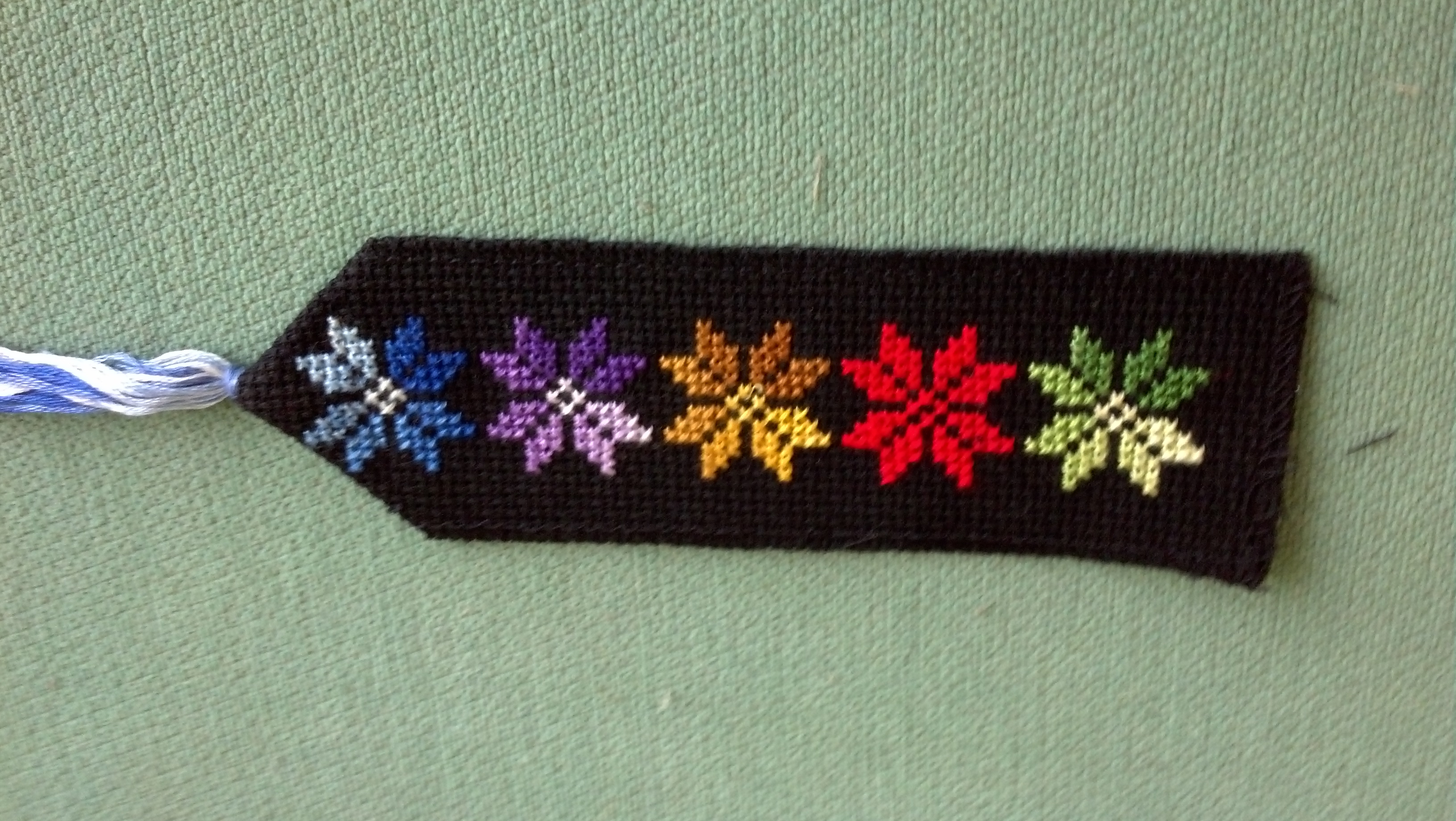
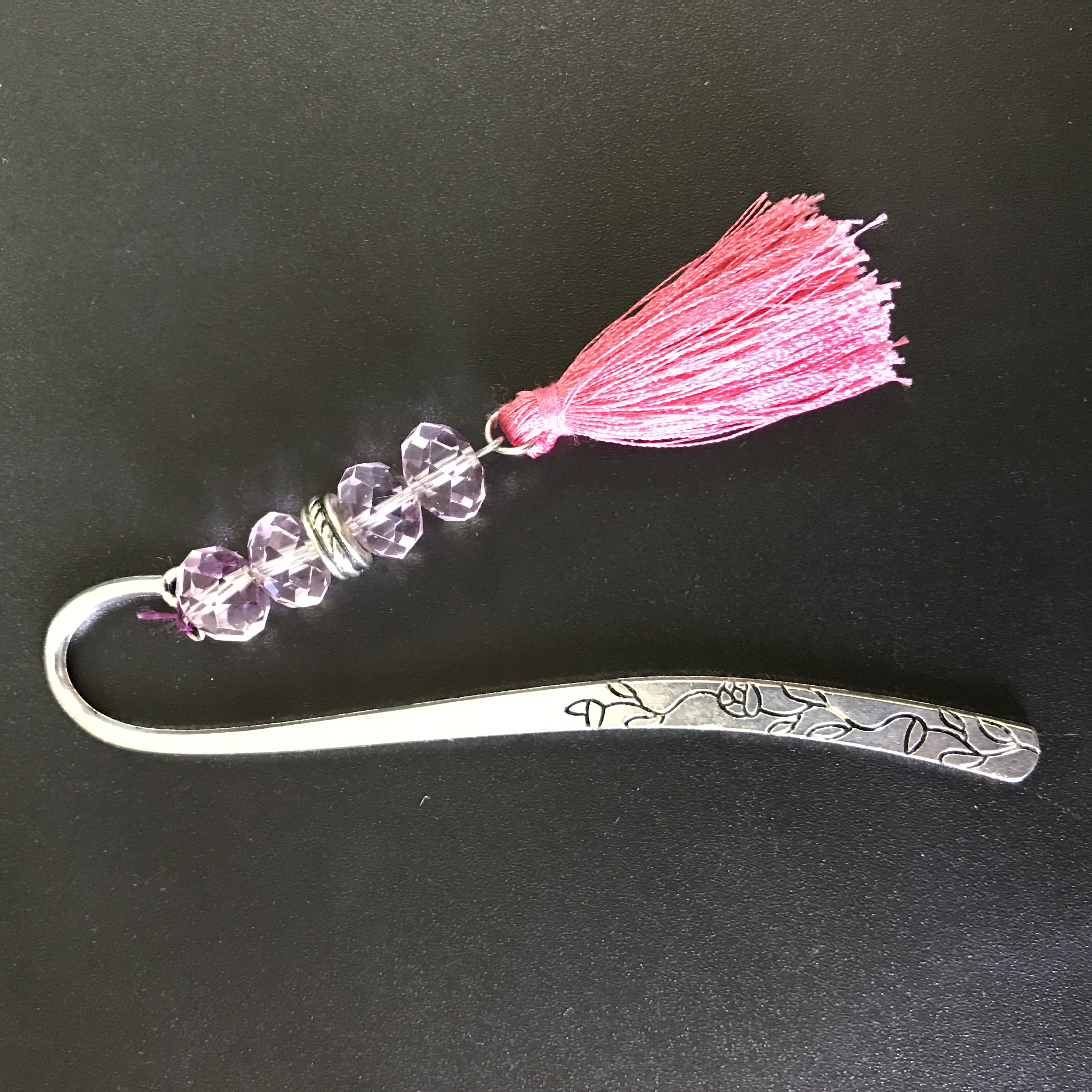
A bookmark is a thin marking tool, commonly made of card, leather, or fabric, used to keep track of a reader's progress in a book and allow the reader to easily return to where the previous reading session ended. Alternate materials for bookmarks are paper, metals like silver and brass, silk, wood, cord, and plastic. Some books may have one or more bookmarks made of woven ribbon sewn into the binding. Furthermore, other bookmarks incorporate a page-flap that enables them to be clipped on a page.
History
According to new results of the research done on the history of bookmarks, there are indications that bookmarks have accompanied codices since their first emergence in the 1st century AD.{{Cite book
Modern bookmarks are available in a huge variety of materials in a multitude of designs and styles. Many are made of cardboard or heavy paper, but they are also constructed of paper, ribbon, fabric, felt, steel, wire, tin, beads, wood, plastic, vinyl, silver, gold, and other precious metals, some decorated with gemstones.
The first detached, and therefore collectible, bookmarkers began to appear in the 1850s. One of the first references to these is found in Mary Russell Mitford's Recollections of a Literary Life (1852): "I had no marker and the richly bound volume closed as if instinctively." Note the abbreviation of 'bookmarker' to 'marker'. The modern abbreviation is usually 'bookmark'. Historical bookmarks can be very valuable, and are sometimes collected along with other paper ephemera.
By the 1860s, attractive machine-woven markers were being manufactured, mainly in Coventry, England, the centre of the silk-ribbon industry. One of the earliest was produced by J.&J. Cash to mark the death of Albert, Prince Consort, in 1861. Thomas Stevens of Coventry soon became pre-eminent in the field and claimed to have nine hundred different designs.
Woven pictorial bookmarks produced by Thomas Steven, a 19th-century English silk weaver, starting around 1862, are called Stevengraphs.{{cite book
Most 19th-century bookmarks were intended for use in Bibles and prayer books and were made of ribbon, woven silk, or leather. By the 1880s the production of woven silk markers was declining and printed markers made of stiff paper or cardboard began to appear in significant numbers. This development paralleled the wider availability of books themselves, and the range of available bookmarkers soon expanded dramatically.
Considerations for safe bookmark usage
Bookmarks that do not damage the books that they are used in should be acid-free; thin, so they will not indent the pages they rest between; and include no dyes or decorative materials that might bleed into the book's paper, with flat, thin, gentle edges.
References
References
This article was imported from Wikipedia and is available under the Creative Commons Attribution-ShareAlike 4.0 License. Content has been adapted to SurfDoc format. Original contributors can be found on the article history page.
Ask Mako anything about Bookmark — get instant answers, deeper analysis, and related topics.
Research with MakoFree with your Surf account
Create a free account to save articles, ask Mako questions, and organize your research.
Sign up freeThis content may have been generated or modified by AI. CloudSurf Software LLC is not responsible for the accuracy, completeness, or reliability of AI-generated content. Always verify important information from primary sources.
Report