From Surf Wiki (app.surf) — the open knowledge base
Bonapartism
19th-century French monarchist ideology
19th-century French monarchist ideology
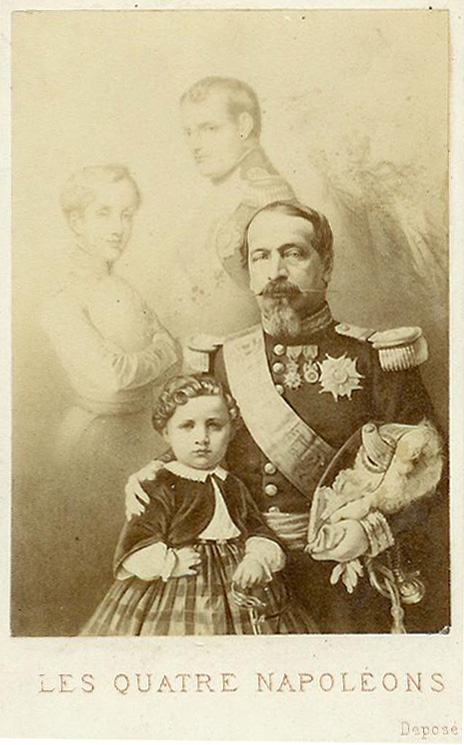
Bonapartism ( ) is the political ideology supervening from Napoleon Bonaparte and his followers and successors. The term, originated by Karl Marx, is used in the narrow sense to refer to people who hoped to restore the House of Bonaparte and its style of government. In this sense, a Bonapartiste was a person who either actively participated in or advocated for imperial political factions in 19th-century France. Although Bonapartism emerged in 1814 with the first fall of Napoleon, it only developed doctrinal clarity and cohesion by the 1840s.
The term developed a broad definition used to mean political movements that advocate for an authoritarian centralised state, with a military strongman and charismatic leader with relatively traditionalist ideology.
Beliefs
Main article: Bonapartists (political party)
Marxism and Leninism developed a vocabulary of political terms that included Bonapartism, derived from analysis of the career of Napoleon Bonaparte. Karl Marx, a student of Jacobinism and the French Revolution, was a contemporary critic of the Second Republic and the Second Empire.
Noted political scientists and historians greatly differ on the definition and interpretation of Bonapartism. Sudhir Hazareesingh's book The Legend of Napoleon explores numerous interpretations of the term.
Bonapartist claimants
Main article: Prince Napoléon Line
List of Bonapartist claimants to the French throne since 1814
Those who ruled are indicated with an asterisk.
| Claimant | Portrait | Birth | Marriages | Death |
|---|---|---|---|---|
| Napoleon I* | ||||
| 1814–1815 | ||||
| 1815–1821 | [[File:Jacques-Louis David - The Emperor Napoleon in His Study at the Tuileries - Google Art Project.jpg | 100px]] | 15 August 1769, Ajaccio | |
| Son of Carlo Buonaparte | ||||
| and Letizia Ramolino | Joséphine de Beauharnais | |||
| 9 March 1796 | ||||
| No children | ||||
| Marie Louise, Duchess of Parma | ||||
| 11 March 1810 | ||||
| 1 child | 5 May 1821 | |||
| Longwood, Saint Helena | ||||
| Aged 51 | ||||
| Napoleon II* | ||||
| 1811–1832 | [[File:Le duc de Reichstadt.jpg | 100px]] | 20 March 1811, Paris | |
| Son of Napoleon I | ||||
| and Marie Louise of Austria | Never married | 22 July 1832 | ||
| Vienna | ||||
| Aged 21 | ||||
| Joseph Bonaparte | ||||
| (Joseph I) | ||||
| 1832–1844 | [[File:Joseph-Bonaparte.jpg | 100px]] | 7 January 1768, Corte | |
| Son of Carlo Buonaparte | ||||
| and Letizia Ramolino | Julie Clary | |||
| 1 August 1794 | ||||
| 2 children | 28 July 1844 | |||
| Florence | ||||
| Aged 76 | ||||
| Louis Bonaparte | ||||
| (Louis I) | ||||
| 1844–1846 | [[File:LouisBonaparte Holland.jpg | 100px]] | 2 September 1778, Ajaccio | |
| Son of Carlo Buonaparte | ||||
| and Letizia Ramolino | Hortense de Beauharnais | |||
| 4 January 1802 | ||||
| 3 children | 25 July 1846 | |||
| Livorno | ||||
| Aged 67 | ||||
| Napoleon III* | ||||
| 1846–1873 | ||||
| President of France (1848–1852) | ||||
| Emperor of the French (1852–1870) | [[File:Napoléon III par Jean Hippolyte Flandrin.jpg | 145x145px]] | 20 April 1808, Paris | |
| Son of Louis Bonaparte | ||||
| and Hortense de Beauharnais | Eugénie de Montijo | |||
| 30 January 1853 | ||||
| 1 child | 9 January 1873 | |||
| Chislehurst | ||||
| Aged 64 | ||||
| Napoléon, Prince Imperial | ||||
| (Napoleon IV) | ||||
| 1873–1879 | [[File:Prince Impérial, 1878, Londres, BNF Gallica.jpg | 100px]] | 16 March 1856, Paris | |
| Son of Napoleon III | ||||
| and Eugénie de Montijo | Never married | 1 June 1879 | ||
| Zulu Kingdom | ||||
| Aged 23 | ||||
| Prince Napoléon-Jérôme Bonaparte | ||||
| (Napoleon V) | ||||
| 1879–1891 | ||||
| (disputed) | [[File:Napoléon Joseph Charles Paul Bonaparte painting.jpg | 100px]] | 9 September 1822, Trieste | |
| Son of Jérôme, King of Westphalia | ||||
| and Catharina of Württemberg | Princess Maria Clotilde of Savoy | |||
| 30 January 1859 | ||||
| 3 children | 17 March 1891 | |||
| Rome | ||||
| Aged 68 | ||||
| Victor, Prince Napoléon | ||||
| (Napoleon V) | ||||
| 1879–1926 | ||||
| (disputed until 1891) | [[File:Victor Napoleon.jpg | 100px]] | 18 July 1862, Palais-Royal | |
| Son of Prince Napoléon-Jérôme Bonaparte | ||||
| and Princess Maria Clotilde of Savoy | Princess Clémentine of Belgium | |||
| 10/14 November 1910 | ||||
| 2 children | 3 May 1926 | |||
| Brussels | ||||
| Aged 63 | ||||
| Louis, Prince Napoléon | ||||
| (Napoleon VI) | ||||
| 1926–1997 | [[File:Louis Bonaparte.jpg | 100px]] | 23 January 1914, Brussels | |
| Son of Victor, Prince Napoléon | ||||
| and Princess Clémentine of Belgium | Alix de Foresta | |||
| 16 August 1949 | ||||
| 4 children | 3 May 1997 | |||
| Prangins | ||||
| Aged 83 | ||||
| Charles, Prince Napoléon | ||||
| (Napoleon VII) | ||||
| 1997–present | ||||
| (disputed) | [[File:Charles-bonaparte.jpg | 100px]] | 19 October 1950, Boulogne-Billancourt | |
| Son of Louis, Prince Napoléon | ||||
| and Alix, Princess Napoléon | Princess Béatrice of Bourbon-Two Sicilies | |||
| 19 December 1978 | ||||
| 2 children | ||||
| Jeanne-Françoise Valliccioni | ||||
| 28 September 1996 | ||||
| 2 children (1 adopted) | ||||
| Jean-Christophe, Prince Napoléon | ||||
| (Heir apparent) | ||||
| 1997–present | ||||
| (disputed) | [[File:Prince Napoléon.JPG | 100px]] | 11 July 1986, Saint-Raphaël, Var | |
| Son of Charles, Prince Napoléon | ||||
| and Princess Béatrice of Bourbon-Two Sicilies | Countess Olympia von und zu Arco-Zinneberg | |||
| 17 October 2019 | ||||
| 1 child |
Marxism
In Marxist theory, the term 'Bonapartism' was coined to describe the political trajectory of Napoleon III, the nephew of Napoleon I, who was known as Louis (Napoleon) Bonaparte before his coronation as Emperor. Karl Marx was a student of Jacobinism and the French Revolution, as well as a contemporary critic of the Second Republic and Second Empire. He used the term to refer to a situation in which counter-revolutionary military officers seize power from revolutionaries, and use selective reformism to co-opt the radicalism of the masses. In the process, Marx argued, Bonapartists preserve and mask the power of a narrower ruling class. He believed that both Napoleon I and Napoleon III had corrupted revolutions in France in this way. Marx offered this definition of and analysis of Bonapartism in The Eighteenth Brumaire of Louis Bonaparte, written in 1852. In this document, he drew attention to what he calls the phenomenon's repetitive history with one of his most quoted lines, typically condensed aphoristically as: "History repeats itself, first as tragedy, second as farce."
References
Bibliography
References
- Alexander, Robert. (2022). "Bonapartism". Cambridge University Press.
- "Definition of BONAPARTISM".
- (1976). "Bonapartism, Fascism and National Socialism". Journal of Contemporary History.
- (2014). "The Legend of Napoleon". Granta Books.
- [https://www.marxists.org/archive/marx/works/1852/18th-brumaire/], Marxists website
- Marx, Karl. (1973). "Surveys in Exile". Penguin.
- Marx, Karl. (1963). "The Eighteenth Brumaire of Louis Bonaparte". International Publishers.
This article was imported from Wikipedia and is available under the Creative Commons Attribution-ShareAlike 4.0 License. Content has been adapted to SurfDoc format. Original contributors can be found on the article history page.
Ask Mako anything about Bonapartism — get instant answers, deeper analysis, and related topics.
Research with MakoFree with your Surf account
Create a free account to save articles, ask Mako questions, and organize your research.
Sign up freeThis content may have been generated or modified by AI. CloudSurf Software LLC is not responsible for the accuracy, completeness, or reliability of AI-generated content. Always verify important information from primary sources.
Report