From Surf Wiki (app.surf) — the open knowledge base
Bodybuilding supplement
Dietary supplement used for bodybuilding
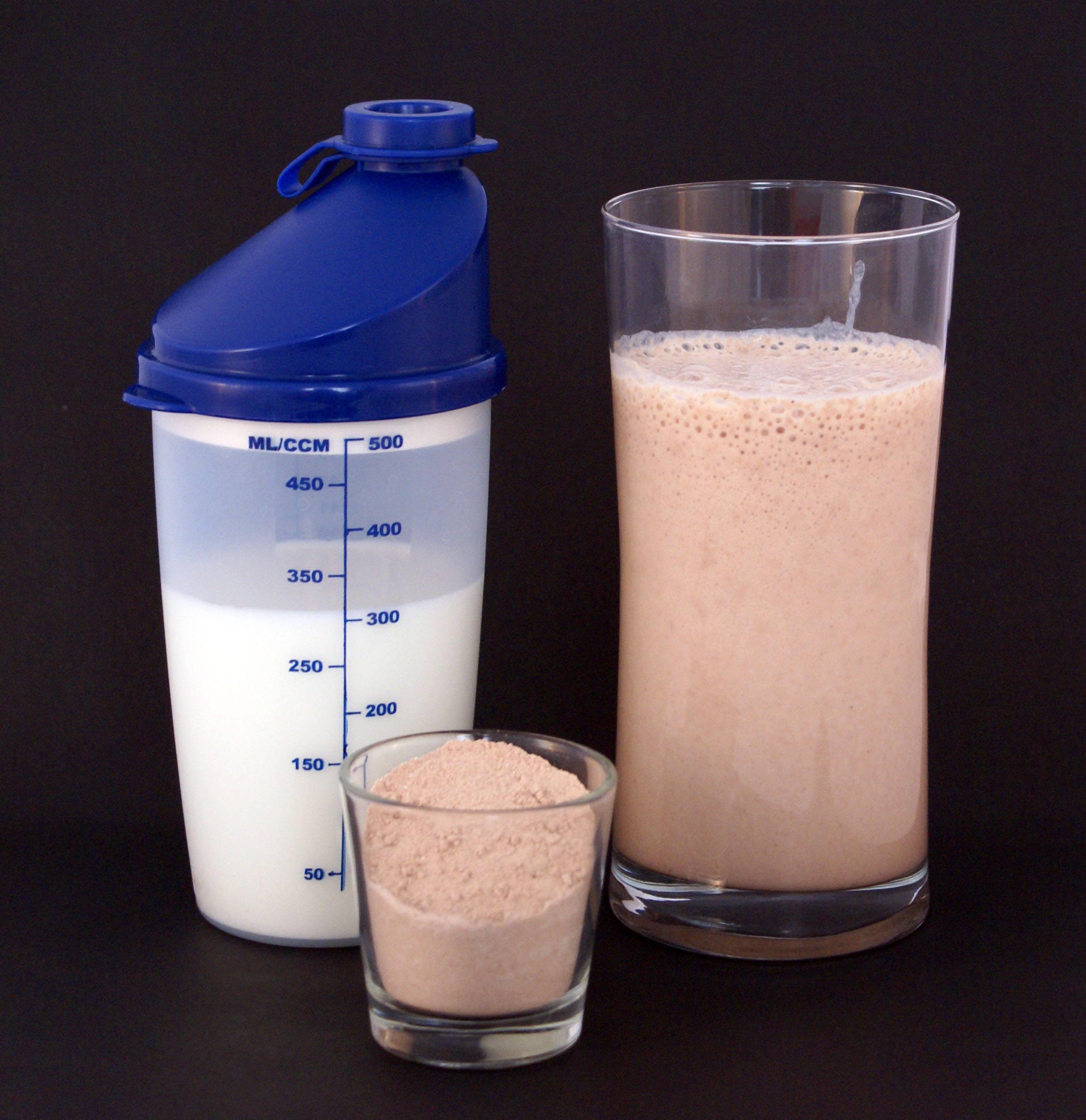
Dietary supplement used for bodybuilding
Bodybuilding supplements are dietary supplements commonly used by those involved in bodybuilding, weightlifting, mixed martial arts, and athletics for the purpose of facilitating an increase in lean body mass. Bodybuilding supplements may contain ingredients that are advertised to increase a person's muscle, body weight, athletic performance, and decrease a person's percent body fat for desired muscle definition. Among the most widely used are high protein drinks, pre-workout blends and caffeinated energy drinks, branched-chain amino acids (BCAA), glutamine, arginine, essential fatty acids, creatine, HMB, whey protein, ZMA, and weight loss products. Supplements are sold either as single ingredient preparations or in the form of "stacks" – proprietary blends of various supplements marketed as offering synergistic advantages.
History
Athletes in ancient Greece were advised to consume large quantities of meat and wine. A number of herbal concoctions and tonics have been used by strong men and athletes since ancient times across cultures to try to increase their strength and stamina.
In the 1910s, Eugen Sandow, widely considered to be the first modern bodybuilder in the West, advocated the use of dietary control to enhance muscle growth. Later, bodybuilder Earle Liederman advocated the use of "beef juice" or "beef extract" (basically, consommé) as a way to enhance muscle recovery. In the 1950s, with recreational and competitive bodybuilding becoming increasingly popular, Irvin P. Johnson began to popularize and market egg-based protein powders marketed specifically at bodybuilders and physical athletes. The 1970s and 1980s marked a dramatic increase in the growth of the bodybuilding supplement industry, fueled by the widespread use of modern marketing techniques and a marked increase in recreational bodybuilding.
In October 1994, the Dietary Supplement Health and Education Act (DSHEA) was signed into law in the USA. Under DSHEA, responsibility for determining the safety of the dietary supplements changed from the government to the manufacturer, and supplements no longer required approval from the U.S. Food and Drug Administration (FDA) before distributing the products. Since that time, manufacturers did not have to provide FDA with the evidence to substantiate safety or effectiveness unless a new dietary ingredient was added. It is widely believed that the 1994 DSHEA further consolidated the position of the supplement industry and lead to additional product sales.
Protein
Bodybuilders may supplement their diets with protein for reasons of convenience, lower cost (relative to meat and fish products), ease of preparation, and to avoid the concurrent consumption of carbohydrates and fats. Additionally, some argue that bodybuilders, by virtue of their unique training and goals, require higher-than-average quantities of protein to support maximal muscle growth. While the recommended dietary allowance is much less, Harvard Medical School points out in Health Health Publishing that this RDA (recommended daily allowance) is “the minimum amount you need to keep from getting sick — not the specific amount you are supposed to eat every day.” Protein supplements are sold in ready-to-drink health shakes, bars, meal replacement products (see below), bites, oats, gels and powders. Protein powders are the most popular and may have flavoring added for palatability. The powder is usually mixed with water, milk or fruit juice and is generally consumed immediately before and after exercising or in place of a meal. The sources of protein are as follows and differ in protein quality depending on their amino acid profile and digestibility:
- Whey protein contains high levels of all the essential amino acids and branched-chain amino acids. It also has the highest content of the amino acid cysteine, which aids in the biosynthesis of glutathione. For bodybuilders, whey protein provides amino acids used to aid in muscle recovery.
- Casein protein (or milk protein) has glutamine, and casomorphin.

Some nutritionists have suggested that higher calcium excretion may be due to a corresponding increase in protein-induced calcium absorption in the intestines.
Amino acids
Some bodybuilders believe that amino acid supplements may benefit muscle development, but consumption of such supplements is unnecessary in a diet that already includes adequate protein intake.
Prohormones
Main article: Androgen prohormone
An androgen prohormone, or proandrogen, is a prohormone (or prodrug) of an anabolic-androgenic steroid (AAS). They can be prohormones of testosterone or of synthetic AAS, for example, nandrolone (19-nortestosterone). Dehydroepiandrosterone (DHEA), DHEA sulfate (DHEA-S), and androstenedione may all be considered proandrogens of testosterone.
Since 2005, the use of steroid precursors (prohormones) has been illegal in the U.S.
Creatine
Main article: Creatine supplements
Creatine is an organic acid naturally occurring in the body (and in red meats) that supplies energy to muscle cells for short bursts of energy (as required in lifting weights) via creatine phosphate replenishment of ATP. Scientific studies have shown that creatine supplementation can increase the consumer's strength, energy during performance, muscle mass, and recovery times after exercise. In addition, recent studies have also shown that creatine improves brain function and reduces mental fatigue.
Some studies have suggested that consumption of creatine with protein and carbohydrates can have a greater effect than creatine combined with either protein or carbohydrates alone.
While generally considered safe, long-term or excessive consumption of creatine may have an adverse effect on the kidneys, liver, or heart and should be avoided if any pre-existing conditions affecting these organs exist.
β-Hydroxy β-methylbutyrate
Main article: Beta-Hydroxy beta-methylbutyric acid
When combined with an appropriate exercise program, dietary supplementation with β-hydroxy β-methylbutyrate (HMB) has been shown to dose-dependently augment gains in muscle hypertrophy (i.e., the size of a muscle), muscle strength, and lean body mass, reduce exercise-induced skeletal muscle damage, and expedite recovery from high-intensity exercise. HMB is believed to produce these effects by increasing muscle protein synthesis and decreasing muscle protein breakdown by various mechanisms, including activation of the mechanistic target of rapamycin (mTOR) and inhibition of the proteasome in skeletal muscles.
The inhibition of exercise-induced skeletal muscle damage by HMB is affected by the time that it is used relative to exercise. The greatest reduction in skeletal muscle damage from a single bout of exercise appears to occur when calcium HMB is ingested 1–2 hours prior to exercise.
Protein Intake and Muscle Hypertrophy
Research on resistance training shows that increasing daily protein intake supports gains in muscle mass, but the benefit have diminishing returns. A large meta-analysis by Morton et al. (2018) found that muscle growth increases as protein intake rises up to about 1.6 g/kg/day, after which additional protein offers little added effect. A similar dose response analysis by Tagawa et al. (2020) reported that while higher protein intakes are generally associated with greater lean mass gains, the effect plateaus once basic requirements for resistance trained individuals are met. Together, these findings suggest that moderate but adequate protein intake is sufficient for maximizing hypertrophy in most healthy adults.
Controversy
Mislabeling and adulteration
While many of the claims are based on scientifically-based physiological or biochemical processes, their use in bodybuilding parlance is often heavily colored by bodybuilding lore and industry marketing and, as such, may deviate considerably from traditional scientific usages of the terms. In addition, ingredients listed have been found at times to be different from the contents. In 2015, Consumer Reports reported unsafe levels of arsenic, cadmium, lead, and mercury in several of the protein powders that were tested.
In the United States, the manufacturers of dietary supplements do not need to provide the Food and Drug Administration with evidence of product safety prior to marketing. As a result, the incidence of products adulterated with illegal ingredients has continued to rise. More recently, the prevalence of designer steroids with unknown safety and pharmacological effects has increased.
In 2015, a CBC investigative report found that protein spiking (i.e., the addition of amino-acid filler to manipulate analysis) was not uncommon; however, many of the companies involved challenged these claims.
Health problems
The US FDA reports 50,000 health problems a year due to dietary supplements and these often involve bodybuilding supplements. For example, the "natural" best-seller Craze, 2012's "New Supplement of the Year" by bodybuilding.com, widely sold in stores such as Walmart and Amazon, was found to contain N,alpha-Diethylphenylethylamine, a methamphetamine analog.
The incidence of liver damage from herbal and dietary supplements is about 16–20% of all supplement products causing injury, with the occurrence growing globally over the early 21st century. that resulted in several athletes failing drug tests.
Protein effectiveness
Some have argued that there is little evidence to indicate any benefit to using bodybuilding protein or amino acid supplements. A 2005 overview concluded that "[i]n view of the lack of compelling evidence to the contrary, no additional dietary protein is suggested for healthy adults undertaking resistance or endurance exercise".
In contrast, a 2018 systematic review, meta-analysis and meta-regression concluded that, “Dietary protein supplementation significantly enhanced changes in muscle strength and size during prolonged RET in healthy adults.“ (RET is an abbreviation for resistance exercise training.)
Notes
References
References
- Cruz-Jentoft, Alfonso J.. (2018). "Beta-Hydroxy-Beta-Methyl Butyrate (HMB): From Experimental Data to Clinical Evidence in Sarcopenia". Current Protein & Peptide Science.
- (January 2017). "Liver injury from herbal and dietary supplements". Hepatology.
- (2008). "Food in the ancient world, from A to Z". Routledge.
- (June 1999). "Hard to Swallow: While federal law shut the door on regulation of dietary supplements, marketing hype may be leading the popular aids up courthouse steps". ABA Journal.
- (January 2004). "Protein and amino acids for athletes". Journal of Sports Sciences.
- (October 2000). "Beyond the zone: protein needs of active individuals". Journal of the American College of Nutrition.
- (December 2006). "Dietary protein for athletes: from requirements to metabolic advantage". Applied Physiology, Nutrition, and Metabolism.
- (August 2007). "A critical examination of dietary protein requirements, benefits, and excesses in athletes". International Journal of Sport Nutrition and Exercise Metabolism.
- (2011). "Nutrition guidelines for strength sports: sprinting, weightlifting, throwing events, and bodybuilding". Journal of Sports Sciences.
- (January 2004). "Protein and amino acids for athletes". Journal of Sports Sciences.
- (2011). "Dietary protein for athletes: from requirements to optimum adaptation". Journal of Sports Sciences.
- (June 1995). "Do athletes need more dietary protein and amino acids?". International Journal of Sport Nutrition.
- https://www.health.harvard.edu/blog/how-much-protein-do-you-need-every-day-201506188096#:~:text=The%20Recommended%20Dietary%20Allowance%20(RDA,meet%20your%20basic%20nutritional%20requirements. Harvard Medical School , Harvard Health Publishing. “How much protein do you need every day?” Reviewed by Howard E. LeWine, MD, Chief Medical Editor, Harvard Health Publishing. June 22, 2023.
- (August 2000). "Protein supplements and exercise". The American Journal of Clinical Nutrition.
- (September 2003). "Dietary protein, calcium metabolism, and skeletal homeostasis revisited". The American Journal of Clinical Nutrition.
- (March 2003). "Low protein intake: the impact on calcium and bone homeostasis in humans". The Journal of Nutrition.
- (March 2004). "Effect of dietary protein supplements on calcium excretion in healthy older men and women". The Journal of Clinical Endocrinology and Metabolism.
- (2012). "Nutrition: Concepts and Controversies". Cengage Learning.
- Risto Erkkola. (2006). "The Menopause". Elsevier.
- Friedel, Angelika, et al. "17β-hydroxy-5alpha-androst-1-en-3-one (1-testosterone) is a potent androgen with anabolic properties." Toxicology letters 165.2 (2006): 149-155.
- (June 1998). "Creatine Supplementation and Exercise Performance: An Update". Journal of the American College of Nutrition.
- (March 2000). "Effects of oral creatine supplementation on muscular strength and body composition". Medicine and Science in Sports and Exercise.
- (1994). "The influence of dietary creatine supplementation on performance during repeated bouts of maximal isokinetic cycling in man". European Journal of Applied Physiology and Occupational Physiology.
- (October 2003). "Oral creatine monohydrate supplementation improves brain performance: a double-blind, placebo-controlled, cross-over trial". Proceedings. Biological Sciences.
- (April 2002). "Effects of creatine on mental fatigue and cerebral hemoglobin oxygenation". Neuroscience Research.
- (November 1996). "Carbohydrate ingestion augments skeletal muscle creatine accumulation during creatine supplementation in humans". The American Journal of Physiology.
- "Creatine".
- (September 2015). "Effect of beta-hydroxy-beta-methylbutyrate supplementation on muscle loss in older adults: a systematic review and meta-analysis". Archives of Gerontology and Geriatrics.
- (2015). "Effects of amino acid derivatives on physical, mental, and physiological activities". Critical Reviews in Food Science and Nutrition.
- (April 2015). "Performance-enhancing substances in sports: a review of the literature". Sports Medicine.
- (February 2013). "International Society of Sports Nutrition Position Stand: beta-hydroxy-beta-methylbutyrate (HMB)". Journal of the International Society of Sports Nutrition.
- (August 2016). "Muscle wasting and aging: Experimental models, fatty infiltrations, and prevention". Molecular Aspects of Medicine.
- (January 2016). "Skeletal muscle homeostasis and plasticity in youth and ageing: impact of nutrition and exercise". Acta Physiologica.
- Morton, Robert W. (March 2018). "A systematic review, meta-analysis and meta-regression of the effect of protein supplementation on resistance training-induced gains in muscle mass and strength in healthy adults". British Journal of Sports Medicine.
- Tagawa, Ryoichi. (2021-01-01). "Dose–response relationship between protein intake and muscle mass increase: a systematic review and meta-analysis of randomized controlled trials". Nutrition Reviews.
- (7 November 2010). "Are protein shakes the weight-loss magic bullet? - The Globe and Mail". Theglobeandmail.com.
- "Body-building Products and Hidden Steroids: Enforcement Barriers". Food and Drug Administration.
- (21 December 2013). "Spike in Harm to Liver Is Tied to Dietary Aids". [[The New York Times]].
- (January 2015). "Synthetic androgens as designer supplements". Current Neuropharmacology.
- (January 2016). "Adulteration of Dietary Supplements by the Illegal Addition of Synthetic Drugs: A Review". Comprehensive Reviews in Food Science and Food Safety.
- (13 November 2015). "M Some protein powders fail fitness test". CBC News.
- (14 December 2013). "Skip the Supplements". [[The New York Times]].
- (17 December 2010). "Tainted Body Building Products". U.S. Food and Drug Administration.
- (25 October 2013). "Popular sports supplements contain meth-like compound". USA Today.
- (2019-12-20). "Driven Sports Inc. - 04/04/2014".
- (27 September 2013). "Sports supplement designer has history of risky products". [[USA Today]].
- (2005). "Dietary Reference Intakes for Energy, Carbohydrate, Fiber, Fat, Fatty Acids, Cholesterol, Protein, and Amino Acids". National Academies Press.
- Morton, Robert W., et al. "A systematic review, meta-analysis and meta-regression of the effect of protein supplementation on resistance training-induced gains in muscle mass and strength in healthy adults." British journal of sports medicine 52.6 (2018): 376-384.
This article was imported from Wikipedia and is available under the Creative Commons Attribution-ShareAlike 4.0 License. Content has been adapted to SurfDoc format. Original contributors can be found on the article history page.
Ask Mako anything about Bodybuilding supplement — get instant answers, deeper analysis, and related topics.
Research with MakoFree with your Surf account
Create a free account to save articles, ask Mako questions, and organize your research.
Sign up freeThis content may have been generated or modified by AI. CloudSurf Software LLC is not responsible for the accuracy, completeness, or reliability of AI-generated content. Always verify important information from primary sources.
Report