From Surf Wiki (app.surf) — the open knowledge base
Blue chip (sports)
Athletes targeted by drafting or signing at collegiate level
.jpg)
Athletes targeted by drafting or signing at collegiate level
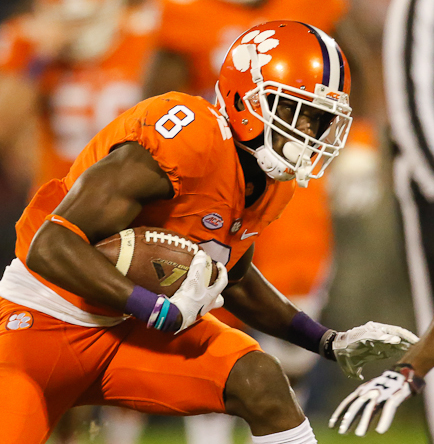
Blue chip is a term used in the United States to describe athletes, particularly high school players, targeted for drafting or signing by teams at the college level. In college football, the term is considered synonymous with four-star and five-star recruits, while in college basketball, the term may also refer exclusively to five-stars. Collegiate players being scouted by professional franchises may also be referred to as blue chips.
Blue chip players are those who have proven themselves to be among the best at their positions in their respective sports and are more sought after and wanted than other players. They are typically perceived as "can't miss" prospects who are desired by most organizations. Blue chip athletes are likely to have an immediate impact on teams that acquire them and have proven skills rather than speculative or untapped potential. Many top recruits eventually go on to be successful at the professional level, especially in basketball and baseball.
The term "blue chip" originated from the beginning of the 20th century from the game of poker. The blue chips were of the highest value, which was used to indicate high value stocks in the 1920's. The term later started applying to high value athletic prospects.
Blue-chip ratio in college football
In college football, "Blue-Chip Ratio" (BCR) is the ratio of blue chips to non-blue chips a team signs over the previous four recruiting classes. Put more simply, it is the percentage of four-star and five-star players on a team. The concept was invented in 2013 by recruiting analyst Bud Elliott, who also posits that teams need to have a Blue-Chip Ratio of at least 50% to be able to win a national championship.
Blue-Chip Ratio is a widely recognized metric in the sport; it has been referenced by all major broadcast networks and is closely monitored by head coaches and administrators. It has also been covered and referenced by many other sports journalists.
Busting the blue-chip ratio
2025 Indiana won the national championship, despite having a Blue-Chip Ratio of around 8%. 2010 Auburn also possibly did not meet the ratio, or just barely did. Elliott has acknowledged that "standards are made to be broken."
Although the expanded College Football Playoff allows greater access to the playoff for less talented teams, the expansion also requires those less talented teams to win three or even four difficult games to win the national championship, possibly making it even more difficult for them to bust the ratio.
Elliott has cited 2014 Oregon, 2015 Clemson, 2021 Cincinnati, 2022 TCU, and 2023 Florida State as other examples of teams that came close to winning the national championship despite having a BCR less than 50%.
Transfers
Elliott does not include transfers in his calculations. Even with the transfer portal and the removal of transfer limitations in the early 2020s, national champions have not relied on outside players thus far. 2021 Georgia and 2022 Georgia made either few or no additions through the use of the portal. 2023 Michigan had nine transfers, regarded as important on the team, but most of the team was still recruited out of high school. The majority of transfers are used to fill holes in a roster, rather than adding talent. Most elite players are recruited out of high school and remain at the school with which they signed.
An analysis in 2023 showed that almost every top team's Blue-Chip Ratio decreased when including transfers.
Blue-chip ratio by year
The following are lists of all the teams that had a BCR of 50% or higher in recent seasons. Many Blue-Chip Ratios prior to 2014 are unreliable or unavailable, due to a lack of articles listing them, errors or discrepancies in older recruiting rankings, etc. Elliott has listed Blue-Chip Ratios of several national champions before 2014, but not non-champions. Teams that won the national championship are highlighted in bold.
2005
- Texas – 64%
2006
- Florida – 61%
2007
- LSU – 64%
2008
- Florida – 72%
2010
- Auburn – 50%
2011
- Alabama – 71%
2012
- Alabama – 71%
2013
- Florida State – 53%
2014

- Alabama – 73%
- Ohio State – 68%
- USC – 64%
- Notre Dame – 63%
- LSU – 62%
- Texas – 60%
- Florida State – 56%
- Michigan – 55%
- Florida – 54%
- Auburn – 53%
- Georgia – 51%
2015
Twelve teams had a BCR of 50% or higher during the 2015 season.
- Alabama – 77%
- USC – 70%
- Ohio State – 68%
- Notre Dame – 67%
- LSU – 61%
- Florida State – 60%
- Michigan – 59%
- Auburn – 56%
- Texas – 55%
- Texas A&M – 54%
- UCLA – 53%
- Georgia – 51%
2016
- Alabama – 77%
- USC – 70%
- Ohio State – 70%
- LSU – 66%
- Notre Dame – 63%
- Florida State – 60%
- Michigan – 59%
- Auburn – 57%
- UCLA – 55%
- Texas A&M – 53%
- Georgia – 52%
- Clemson – 52%
- Texas – 50%
2017
Ten teams had a BCR of 50% or higher during the 2017 season.
- Alabama – 80%
- Ohio State – 71%
- LSU – 65%
- Florida State – 65%
- Georgia – 63%
- USC – 63%
- Michigan – 61%
- Auburn – 59%
- Clemson – 56%
- Notre Dame – 56%
2018
Thirteen teams had a BCR of 50% or higher during the 2018 season.
- Alabama – 77%
- Ohio State – 76%
- USC – 71%
- Georgia – 69%
- Florida State – 67%
- LSU – 63%
- Auburn – 62%
- Clemson – 61%
- Michigan – 57%
- Texas – 55%
- Oklahoma – 53%
- Penn State – 53%
- Notre Dame – 51%
2019
_(Cropped-CF).jpg)
- Ohio State – 81%
- Alabama – 80%
- Georgia – 79%
- LSU – 64%
- Florida State – 61%
- Clemson – 60%
- USC – 60%
- Penn State – 60%
- Michigan – 60%
- Texas – 60%
- Oklahoma – 60%
- Auburn – 58%
- Washington – 54%
- Notre Dame – 54%
- Florida – 53%
- Miami – 51%
2020
Fifteen teams had a BCR of 50% or higher during the 2020 season.
- Alabama – 83%
- Georgia – 82%
- Ohio State – 80%
- Texas – 64%
- LSU – 63%
- Oklahoma – 63%
- Clemson – 63%
- Florida – 63%
- Michigan – 59%
- Auburn – 59%
- Penn State – 59%
- Notre Dame – 56%
- Washington – 54%
- USC – 50%
- Texas A&M – 50%
2021

- Alabama – 84%
- Georgia – 80%
- Ohio State – 79%
- Clemson – 67%
- LSU – 66%
- Oklahoma – 66%
- Texas – 66%
- Florida – 66%
- Texas A&M – 61%
- Michigan – 58%
- Auburn – 56%
- Oregon – 56%
- Penn State – 56%
- Notre Dame – 55%
- Miami – 55%
- USC – 53%
2022
Fifteen teams had a BCR of 50% or higher during the 2022 season.
- Alabama – 89%
- Ohio State – 80%
- Georgia – 77%
- Oklahoma – 71%
- Texas A&M – 70%
- Texas – 68%
- LSU – 66%
- Clemson – 63%
- Notre Dame – 62%
- Florida – 60%
- Oregon – 60%
- Michigan – 59%
- Penn State – 55%
- Miami – 55%
- Auburn – 54%
2023

- Alabama – 90%
- Ohio State – 85%
- Georgia – 77%
- Texas A&M – 73%
- Clemson – 72%
- LSU – 71%
- Texas – 70%
- Oklahoma – 70%
- Oregon – 67%
- Notre Dame – 65%
- Florida – 64%
- Miami – 61%
- Penn State – 55%
- Michigan – 54%
- USC – 52%
- Auburn – 51%
2024

Sixteen teams had a BCR of 50% or higher during the 2024 season.
- Ohio State – 90%
- Alabama – 88%
- Georgia – 80%
- Texas A&M – 79%
- Oregon – 76%
- Oklahoma – 73%
- Texas – 72%
- LSU – 70%
- Notre Dame – 67%
- Clemson – 64%
- Florida – 63%
- Miami – 61%
- Penn State – 61%
- USC – 59%
- Michigan – 56%
- Auburn – 53%
2025
.jpg)
Eighteen teams had a BCR of 50% or higher during the 2025 season. However, Indiana won the national championship.
- Alabama – 89%
- Ohio State – 89%
- Georgia – 84%
- Texas A&M – 82%
- Oregon – 78%
- Texas – 78%
- LSU – 73%
- Notre Dame – 73%
- Oklahoma – 70%
- Penn State – 68%
- Miami – 64%
- Florida – 64%
- Auburn – 64%
- Michigan – 57%
- USC – 57%
- Clemson – 55%
- Tennessee – 54%
- Florida State – 54%
References
- "Basketball Recruiting Rankings: The Ultimate Guide".
- (2024-06-25). "Blue-Chip Ratio 2024: These 16 college football teams can actually win the national championship".
- (September 8, 2009). "Character Driven: Life, Lessons, and Basketball". Simon & Schuster.
- (September 16, 2008). "A Passion to Lead: Seven Leadership Secrets for Success in Business, Sports, and Life". St. Martin's Press.
- Tomik, Jeffrey. (2015-02-04). "Do top high school prospects go on to win championships in the pros?". [[The Washington Post]].
- (2004-09-24). "Where'd the Term 'Blue Chip' Come From?". The Motley Fool.
- (2024-06-25). "Blue-Chip Ratio 2024: These 16 college football teams can actually win the national championship".
- (2024-06-27). "CBS Sports shows Clemson Football has the Blue-Chip Ratio to win the CFP".
- Wasserman, Ari. "Wasserman: The rich are richer than ever, but could a new CFB team win title in ’23?". The New York Times.
- (2024-06-26). "Why Tennessee threatens to bust 2024 Blue-Chip Ratio with Nico Iamaleava spearheading Josh Heupel's offense".
- (2024-06-28). "Blue-Chip Ratio Suggests Clemson a National Title Contender in 2024".
- (2024-07-05). "Updated college football recruiting class of 2025 national rankings by blue-chip ratio entering July".
- (2024-06-27). "CBS Sports shows Clemson Football has the Blue-Chip Ratio to win the CFP".
- Wasserman, Ari. "Wasserman: The rich are richer than ever, but could a new CFB team win title in ’23?". The New York Times.
- Thune, Parker. (January 19, 2026). "Indiana just became the first team in the Internet recruiting era to win a national title with a blue-chip ratio of less than 50 percent".
- "Blue Chip Ratio for 2025".
- Bickley, Dan. (2026-01-20). "Bickley: Indiana authored the best story in history".
- "2025 Team Ranking Football Breakdown".
- "2025 College Big Ten Football Team Talent Composite".
- Kirk, Jason. (2019-08-08). "Blue-Chip Ratio 2019".
- Ferguson, Justin. (April 6, 2020). "Why there hasn’t been — and won’t be — another national champ like 2010 Auburn".
- "Blue-Chip Ratio 2023: The 16 teams who can actually win a national title".
- njdurand. (2023-12-24). "Ranking Michigan’s transfers from the 2023 Portal Class".
- Kirk, Jason. (2019-08-08). "Blue-Chip Ratio 2019".
- Kirk, Jason. (2019-08-08). "Blue-Chip Ratio 2019".
- Kirk, Jason. (2019-08-08). "Blue-Chip Ratio 2019".
- Kirk, Jason. (2019-08-08). "Blue-Chip Ratio 2019".
- Kirk, Jason. (2019-08-08). "Blue-Chip Ratio 2019".
- Ferguson, Justin. "Why there hasn’t been — and won’t be — another national champ like 2010 Auburn". The New York Times.
- "Blue-Chip Ratio 2023: The 16 teams who can actually win a national title".
- "Blue-Chip Ratio 2023: The 16 teams who can actually win a national title".
- "Blue-Chip Ratio 2023: The 16 teams who can actually win a national title".
- Elliott, Bud. (2014-02-18). "Who's recruiting at a championship level?".
- "Championships: for elite recruiters only".
- Elliott, Bud. (2016-08-18). "The Blue-Chip Ratio, 2016 season edition".
- Elliott, Bud. (2017-08-24). "The 2017 Blue-Chip Ratio: Only 10 teams make the national title cut".
- Elliott, Bud. (2018-08-22). "Blue-Chip Ratio 2018: 13 teams have title-worthy recruiting".
- Kirk, Jason. (2019-08-08). "Blue-Chip Ratio 2019".
- "Blue-Chip Ratio 2020: The 15 teams who can win a national title".
- "Blue-Chip Ratio 2021: The 16 teams who can win a national title".
- "Blue-Chip Ratio 2022: The 15 teams who can actually win a national title".
- (2025-07-17). "Blue-Chip Ratio 2025: These 18 college football teams can actually win the national championship".
This article was imported from Wikipedia and is available under the Creative Commons Attribution-ShareAlike 4.0 License. Content has been adapted to SurfDoc format. Original contributors can be found on the article history page.
Ask Mako anything about Blue chip (sports) — get instant answers, deeper analysis, and related topics.
Research with MakoFree with your Surf account
Create a free account to save articles, ask Mako questions, and organize your research.
Sign up freeThis content may have been generated or modified by AI. CloudSurf Software LLC is not responsible for the accuracy, completeness, or reliability of AI-generated content. Always verify important information from primary sources.
Report