From Surf Wiki (app.surf) — the open knowledge base
Biomineralizing polychaete
Polychaetes that produce minerals

Polychaetes that produce minerals

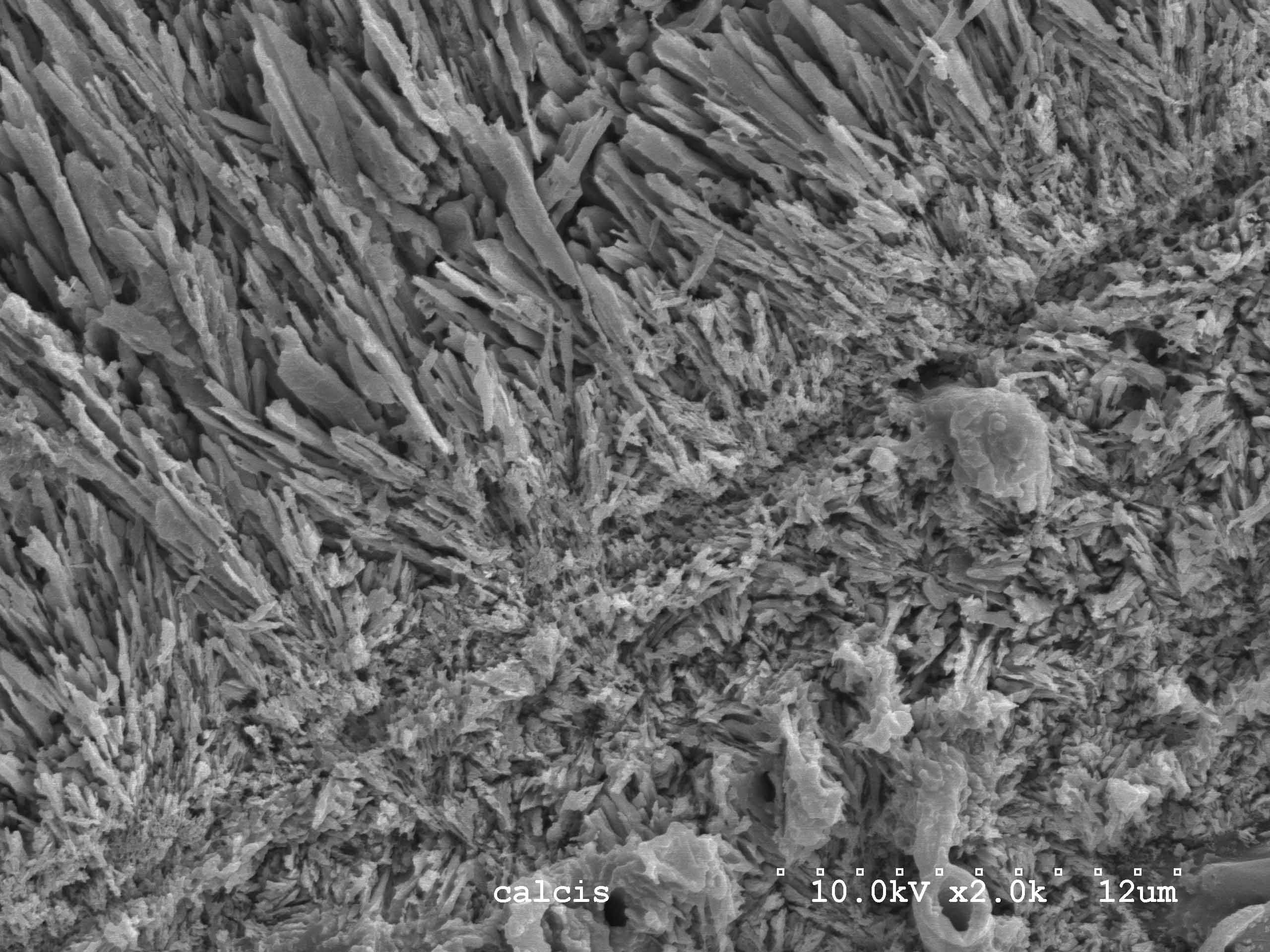
Biomineralizing polychaetes are polychaetes that produce minerals to harden or stiffen their own tissues (biomineralize).
The most important biomineralizing polychaetes are serpulids, sabellids and cirratulids. They secrete tubes of calcium carbonate. Serpulids have most advanced biomineralization system among the annelids. Serpulids possess very diverse tube ultrastructures. Serpulid tubes are composed of aragonite, calcite or mixture of both polymorphs. In addition to the tubes, some serpulid species secrete calcareous opercula. Some sabellids and cirratulids can secrete aragonitic tubes. Sabellid and cirratulid tubes have a spherulitic prismatic ultrastructure. There are thin organic sheets in serpulid tube mineral structures. These sheets have evolved as an adaptation to strengthen the mechanical properties of the tubes.{{cite journal | access-date = 2012-09-16 | doi-access = free | access-date = 2012-09-17 | doi-access = free | access-date = 2012-09-17 | doi-access = free | access-date = 2012-09-17 | article-number = e75330 | doi-access = free
References
References
- (2024). "Double-phased controlled and influenced biomineralization in marine invertebrates: The example of Miocene to recent reef-building polychaete cirratulids from southern Peru". Palaeogeography, Palaeoclimatology, Palaeoecology.
This article was imported from Wikipedia and is available under the Creative Commons Attribution-ShareAlike 4.0 License. Content has been adapted to SurfDoc format. Original contributors can be found on the article history page.
Ask Mako anything about Biomineralizing polychaete — get instant answers, deeper analysis, and related topics.
Research with MakoFree with your Surf account
Create a free account to save articles, ask Mako questions, and organize your research.
Sign up freeThis content may have been generated or modified by AI. CloudSurf Software LLC is not responsible for the accuracy, completeness, or reliability of AI-generated content. Always verify important information from primary sources.
Report