From Surf Wiki (app.surf) — the open knowledge base
Biofuel
Fuel derived from biological sources
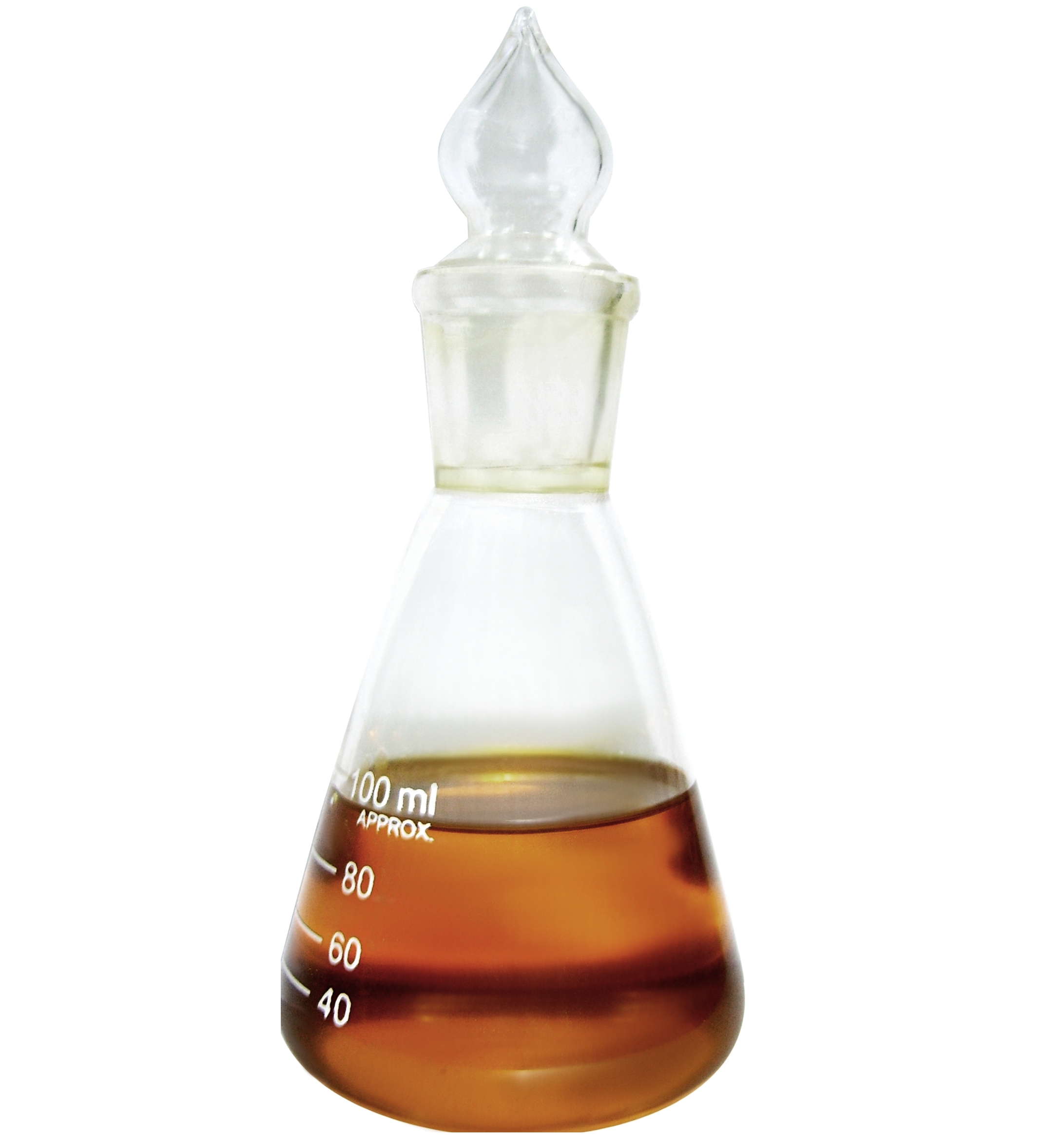
Fuel derived from biological sources
mainly liquid or gaseous fuels used for transport
Biofuel is a fuel that is produced over a short time span from biomass, rather than by the very slow natural processes involved in the formation of fossil fuels such as oil. Biofuel can be produced from plants or from agricultural, domestic or industrial bio waste. Biofuels are mostly used for transportation, but can also be used for heating and electricity. Biofuels (and bioenergy in general) are regarded as a renewable energy source. The use of biofuel has been subject to criticism regarding the "food vs fuel" debate, varied assessments of their sustainability, and ongoing deforestation and biodiversity loss as a result of biofuel production.
In general, biofuels emit fewer greenhouse gas emissions when burned in an engine and are generally considered carbon-neutral fuels as the carbon emitted has been captured from the atmosphere by the crops used in production. However, life-cycle assessments of biofuels have shown large emissions associated with the potential land-use change required to produce additional biofuel feedstocks. The outcomes of lifecycle assessments (LCAs) for biofuels are highly situational and dependent on many factors including the type of feedstock, production routes, data variations, and methodological choices. Estimates about the climate impact from biofuels vary widely based on the methodology and exact situation examined. Therefore, the climate change mitigation potential of biofuel varies considerably: in some scenarios biofuel emission levels are comparable to fossil fuels, and in other scenarios the use of biofuel results in negative emissions.
Global demand for biofuels is predicted to increase by 56% over 2022–2027. By 2027 worldwide biofuel production is expected to supply 5.4% of the world's fuels for transport including 1% of aviation fuel. Demand for aviation biofuel is forecast to increase. However some policy has been criticised for favoring ground transportation over aviation.
The two most common types of biofuel are bioethanol and biodiesel. Brazil is the largest producer of bioethanol, while the EU is the largest producer of biodiesel. The energy content in the global production of bioethanol and biodiesel is 2.2 and 1.8 EJ per year, respectively.
Bioethanol is an alcohol made by fermentation, mostly from carbohydrates produced in sugar or starch crops such as maize, sugarcane, or sweet sorghum. Cellulosic biomass, derived from non-food sources, such as trees and grasses, is also being developed as a feedstock for ethanol production. Ethanol can be used as a fuel for vehicles in its pure form (E100), but it is usually used as a gasoline additive to increase octane ratings and improve vehicle emissions.
Biodiesel is produced from oils or fats using transesterification. It can be used as a fuel for vehicles in its pure form (B100), but it is usually used as a diesel additive to reduce levels of particulates, carbon monoxide, and hydrocarbons from diesel-powered vehicles.
Terminology
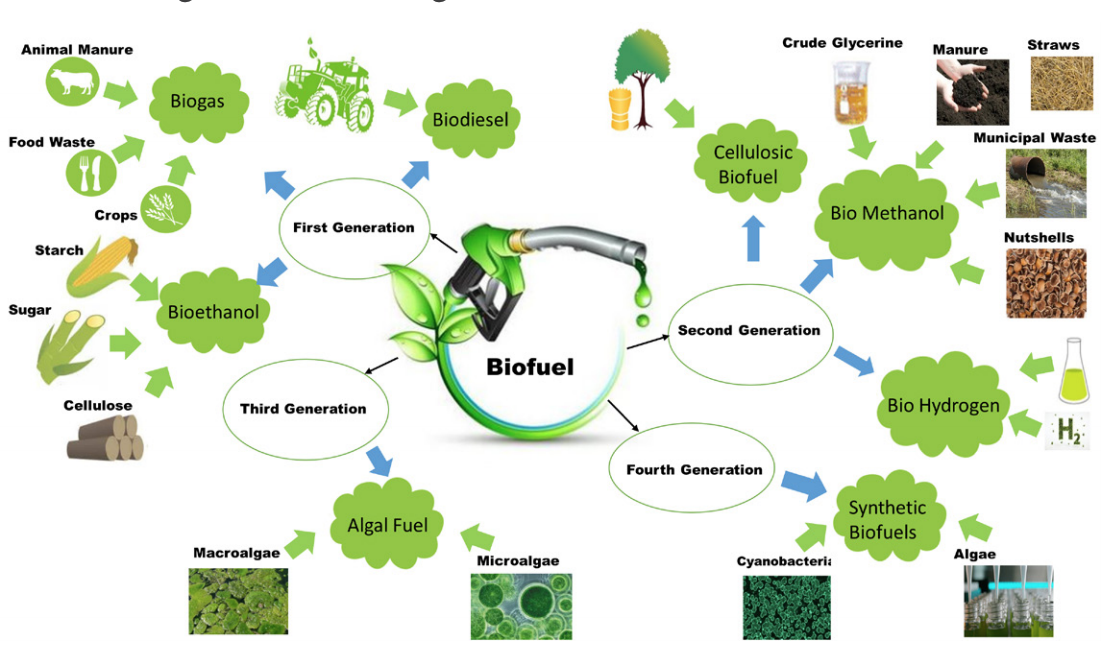
The term biofuel is used in different ways. One definition is "Biofuels are biobased products, in solid, liquid, or gaseous forms. They are produced from crops or natural products, such as wood, or agricultural residues, such as molasses and bagasse."
Other publications reserve the term biofuel for liquid or gaseous fuels, used for transportation.
The IPCC Sixth Assessment Report defines biofuel as "A fuel, generally in liquid form, produced from biomass. Biofuels include bioethanol from sugarcane, sugar beet or maize, and biodiesel from canola or soybeans.". It goes on to define biomass in this context as "organic material excluding the material that is fossilised or embedded in geological formations". This means that coal or other fossil fuels is not a form of biomass in this context.
Conventional biofuels (first generation)
First-generation biofuels (also denoted as "conventional biofuels") are made from food crops grown on arable land. The crop's sugar, starch, or oil content is converted into biodiesel or ethanol, using transesterification, or yeast fermentation.
Advanced biofuels
To avoid a "food versus fuel" dilemma, second-generation biofuels and third-generation biofuels (also called advanced biofuels or sustainable biofuels or drop-in biofuels) are made from feedstocks which do not directly compete with food or feed crop such as waste products and energy crops. A wide range of renewable residue feedstocks such as those derived from agriculture and forestry activities like rice straw, rice husk, wood chips, and sawdust can be used to produce advanced biofuels through biochemical and thermochemical processes.g
The feedstock used to make the fuels either grow on arable land but are byproducts of the main crop, or they are grown on marginal land. Second-generation feedstocks also include straw, bagasse, perennial grasses, jatropha, waste vegetable oil, municipal solid waste and so forth.
Types
Liquid
Ethanol
Main article: Ethanol fuel
Biologically produced alcohols, most commonly ethanol, and less commonly propanol and butanol, are produced by the action of microorganisms and enzymes through the fermentation of sugars or starches (easiest to produce) or cellulose (more difficult to produce).The IEA estimates that ethanol production used 20% of sugar supplies and 13% of corn supplies in 2021.
Ethanol fuel is the most common biofuel worldwide, particularly in Brazil. Alcohol fuels are produced by fermentation of sugars derived from wheat, corn, sugar beets, sugar cane, molasses and any sugar or starch from which alcoholic beverages such as whiskey, can be made (such as potato and fruit waste, etc.). Production methods used are enzyme digestion (to release sugars from stored starches), fermentation of the sugars, distillation and drying. The distillation process requires significant energy input to generate heat. Heat is sometimes generated with unsustainable natural gas fossil fuel, but cellulosic biomass such as bagasse is the most common fuel in Brazil, while pellets, wood chips and also waste heat are more common in Europe. Corn-to-ethanol and other food stocks has led to the development of cellulosic ethanol. Ethanol fuel can be combined with gasoline to create a more environmentally friendly fuel though there are more viable substitutions to gasoline such as Butanol.
Other biofuels
Methanol is currently produced from natural gas, a non-renewable fossil fuel. In the future it is hoped to be produced from biomass as biomethanol. This is technically feasible, but the production is currently being postponed for concerns that the economic viability is still pending. The methanol economy is an alternative to the hydrogen economy to be contrasted with today's hydrogen production from natural gas.
Butanol () is formed by ABE fermentation (acetone, butanol, ethanol) and experimental modifications of the process show potentially high net energy gains with biobutanol as the only liquid product. Biobutanol is often claimed to provide a direct replacement for gasoline, because it will produce more energy than ethanol and allegedly can be burned "straight" in existing gasoline engines (without modification to the engine or car), is less corrosive and less water-soluble than ethanol, and could be distributed via existing infrastructures. Escherichia coli strains have also been successfully engineered to produce butanol by modifying their amino acid metabolism. One drawback to butanol production in E. coli remains the high cost of nutrient rich media, however, recent work has demonstrated E. coli can produce butanol with minimal nutritional supplementation. Biobutanol is sometimes called biogasoline, which is incorrect as it is chemically different, being an alcohol and not a hydrocarbon like gasoline.
Biodiesel

Main article: Biodiesel
Biodiesel is the most common biofuel in Europe. It is produced from oils or fats using transesterification and is a liquid similar in composition to fossil/mineral diesel. Chemically, it consists mostly of fatty acid methyl (or ethyl) esters (FAMEs). Feedstocks for biodiesel include animal fats, vegetable oils, soy, rapeseed, jatropha, mahua, mustard, flax, sunflower, palm oil, hemp, field pennycress, Pongamia pinnata and algae. Pure biodiesel (B100, also known as "neat" biodiesel) currently reduces emissions with up to 60% compared to diesel Second generation B100. , researchers at Australia's CSIRO have been studying safflower oil as an engine lubricant, and researchers at Montana State University's Advanced Fuels Center in the US have been studying the oil's performance in a large diesel engine, with results described as a "breakthrough".
Electronically controlled 'common rail' and 'Unit Injector' type systems from the late 1990s onwards can only use biodiesel blended with conventional diesel fuel. These engines have finely metered and atomized multiple-stage injection systems that are very sensitive to the viscosity of the fuel. Many current-generation diesel engines are designed to run on B100 without altering the engine itself, although this depends on the fuel rail design. Since biodiesel is an effective solvent and cleans residues deposited by mineral diesel, engine filters may need to be replaced more often, as the biofuel dissolves old deposits in the fuel tank and pipes. It also effectively cleans the engine combustion chamber of carbon deposits, helping to maintain efficiency.
Biodiesel is an oxygenated fuel, meaning it contains a reduced amount of carbon and higher hydrogen and oxygen content than fossil diesel. This improves the combustion of biodiesel and reduces the particulate emissions from unburnt carbon. However, using pure biodiesel may increase NOx-emissions Biodiesel is also safe to handle and transport because it is non-toxic and biodegradable, and has a high flash point of about 300 °F (148 °C) compared to petroleum diesel fuel, which has a flash point of 125 °F (52 °C).
In many European countries, a 5% biodiesel blend is widely used and is available at thousands of gas stations. In France, biodiesel is incorporated at a rate of 8% in the fuel used by all French diesel vehicles. Avril Group produces under the brand Diester, a fifth of 11 million tons of biodiesel consumed annually by the European Union. It is the leading European producer of biodiesel.
Green diesel
Main article: Biodiesel production
Green diesel can be produced from a combination of biochemical and thermochemical processes. Conventional green diesel is produced through hydroprocessing biological oil feedstocks, such as vegetable oils and animal fats. Recently, it is produced using series of thermochemical processes such as pyrolysis and hydroprocessing. In the thermochemical route, syngas produced from gasification, bio-oil produced from pyrolysis or biocrude produced from hydrothermal liquefaction is upgraded to green diesel using hydroprocessing. Hydroprocessing is the process of using hydrogen to reform a molecular structure. For example, hydrocracking which is a widely used hydroprocessing technique in refineries is used at elevated temperatures and pressure in the presence of a catalyst to break down larger molecules, such as those found in vegetable oils, into shorter hydrocarbon chains used in diesel engines. Green diesel may also be called renewable diesel, drop-in biodiesel, hydrotreated vegetable oil (HVO fuel) or hydrogen-derived renewable diesel. Unlike biodiesel, green diesel has exactly the same chemical properties as petroleum-based diesel. It does not require new engines, pipelines or infrastructure to distribute and use, but has not been produced at a cost that is competitive with petroleum. Gasoline versions are also being developed. Green diesel is being developed in Louisiana and Singapore by ConocoPhillips, Neste Oil, Valero, Dynamic Fuels, and Honeywell UOP as well as Preem in Gothenburg, Sweden, creating what is known as Evolution Diesel.
Straight vegetable oil
.jpg)
Main article: Vegetable oil fuel
Straight unmodified edible vegetable oil is generally not used as fuel, but lower-quality oil has been used for this purpose. Used vegetable oil is increasingly being processed into biodiesel, or (more rarely) cleaned of water and particulates and then used as a fuel. The IEA estimates that biodiesel production used 17% of global vegetable oil supplies in 2021.
Oils and fats reacted with 10 pounds of a short-chain alcohol (usually methanol) in the presence of a catalyst (usually sodium hydroxide [NaOH] can be hydrogenated to give a diesel substitute. The resulting product is a straight-chain hydrocarbon with a high cetane number, low in aromatics and sulfur and does not contain oxygen. Hydrogenated oils can be blended with diesel in all proportions. They have several advantages over biodiesel, including good performance at low temperatures, no storage stability problems and no susceptibility to microbial attack.
Biogasoline
Main article: Biogasoline
Biogasoline can be produced biologically and thermochemically. Using biological methods, a study led by Professor Lee Sang-yup at the Korea Advanced Institute of Science and Technology (KAIST) and published in the international science journal Nature used modified E. coli fed with glucose found in plants or other non-food crops to produce biogasoline with the produced enzymes. The enzymes converted the sugar into fatty acids and then turned these into hydrocarbons that were chemically and structurally identical to those found in commercial gasoline fuel. The thermochemical approach of producing biogasoline are similar to those used to produce biodiesel. Biogasoline may also be called drop-in gasoline or renewable gasoline.
Bioethers

Bioethers (also referred to as fuel ethers or oxygenated fuels) are cost-effective compounds that act as octane rating enhancers. "Bioethers are produced by the reaction of reactive iso-olefins, such as iso-butylene, with bioethanol." Bioethers are created from wheat or sugar beets, and also be produced from the waste glycerol that results from the production of biodiesel. They also enhance engine performance, while significantly reducing engine wear and toxic exhaust emissions. By greatly reducing the amount of ground-level ozone emissions, they contribute to improved air quality.
In transportation fuel there are six ether additives: dimethyl ether (DME), diethyl ether (DEE), methyl tert-butyl ether (MTBE), ethyl tert-butyl ether (ETBE), tert-amyl methyl ether (TAME), and tert-amyl ethyl ether (TAEE).
The European Fuel Oxygenates Association identifies MTBE and ETBE as the most commonly used ethers in fuel to replace lead. Ethers were introduced in Europe in the 1970s to replace the highly toxic compound. Although Europeans still use bioether additives, the U.S. Energy Policy Act of 2005 lifted a requirement for reformulated gasoline to include an oxygenate, leading to less MTBE being added to fuel. Although bioethers are likely to replace ethers produced from petroleum in the UK, it is highly unlikely they will become a fuel in and of itself due to the low energy density.
Aviation biofuel
Gaseous
Biogas and biomethane

Main article: Biogas
Biogas is a mixture composed primarily of methane and carbon dioxide produced by the process of anaerobic digestion of organic material by micro-organisms. Other trace components of this mixture includes water vapor, hydrogen sulfide, siloxanes, hydrocarbons, ammonia, oxygen, carbon monoxide, and nitrogen. It can be produced either from biodegradable waste materials or by the use of energy crops fed into anaerobic digesters to supplement gas yields. The solid byproduct, digestate, can be used as a biofuel or a fertilizer. When and other impurities are removed from biogas, it is called biomethane. The can also be combined with hydrogen in methanation to form more methane.
Biogas can be recovered from mechanical biological treatment waste processing systems. Landfill gas, a less clean form of biogas, is produced in landfills through naturally occurring anaerobic digestion. If it escapes into the atmosphere, it acts as a greenhouse gas.
In Sweden, "waste-to-energy" power plants capture methane biogas from garbage and use it to power transport systems. Farmers can produce biogas from cattle manure via anaerobic digesters.
Syngas
Main article: Gasification
Syngas, a mixture of carbon monoxide, hydrogen and various hydrocarbons, is produced by partial combustion of biomass (combustion with an amount of oxygen that is not sufficient to convert the biomass completely to carbon dioxide and water). Before partial combustion the biomass is dried and sometimes pyrolysed. Syngas is more efficient than direct combustion of the original biofuel; more of the energy contained in the fuel is extracted.
Syngas may be burned directly in internal combustion engines, turbines or high-temperature fuel cells. The wood gas generator, a wood-fueled gasification reactor, can be connected to an internal combustion engine.
Syngas can be used to produce methanol, dimethyl ether and hydrogen, or converted via the Fischer–Tropsch process to produce a diesel substitute, or a mixture of alcohols that can be blended into gasoline. Gasification normally relies on temperatures greater than 700 °C.
Lower-temperature gasification is desirable when co-producing biochar, but results in syngas polluted with tar.
Solid
Main article: Solid fuel#Biomass
The term "biofuels" is also used for solid fuels that are made from biomass, even though this is less common.
Research into other types
Algae-based biofuels
Main article: Algaculture, Algae fuel
Algae can be produced in ponds or tanks on land, and out at sea. Algal fuels have high yields, a high ignition point, can be grown with minimal impact on fresh water resources, can be produced using saline water and wastewater, and are biodegradable and relatively harmless to the environment if spilled. However, production requires large amounts of energy and fertilizer, the produced fuel degrades faster than other biofuels, and it does not flow well in cold temperatures.
By 2017, due to economic considerations, most efforts to produce fuel from algae have been abandoned or changed to other applications.
Third and fourth-generation biofuels also include biofuels that are produced by bioengineered organisms i.e. algae and cyanobacteria. Algae and cyanobacteria will use water, carbon dioxide, and solar energy to produce biofuels. This method of biofuel production is still at the research level. The biofuels that are secreted by the bioengineered organisms are expected to have higher photon-to-fuel conversion efficiency, compared to older generations of biofuels. One of the advantages of this class of biofuels is that the cultivation of the organisms that produce the biofuels does not require the use of arable land. The disadvantages include the cost of cultivating the biofuel-producing organisms being very high.
Recent research highlights that the transition to sustainable energy is reliant on the widespread adoption of third- and fourth-generation biofuels, which utilize non-food sources such as algae and incorporate advanced processes like artificial photosynthesis. These alternatives are essential for climate change mitigation because they significantly reduce the land-use competition and sustainability risks associated with earlier biofuel generations.
Electrofuels and solar fuels
Electrofuels and solar fuels may or may not be biofuels, depending on whether they contain biological elements. Electrofuels are made by storing electrical energy in the chemical bonds of liquids and gases. The primary targets are butanol, biodiesel, and hydrogen, but include other alcohols and carbon-containing gases such as methane and butane. A solar fuel is a synthetic chemical fuel produced from solar energy. Light is converted to chemical energy, typically by reducing protons to hydrogen, or carbon dioxide to organic compounds.
Bio-digesters
A bio-digester is a mechanized toilet that uses decomposition and sedimentation to turn human waste into a renewable fuel called biogas. Biogas can be made from substances like agricultural waste and sewage. The bio-digester uses a process called anaerobic digestion to produce biogas. Anaerobic digestion uses a chemical process to break down organic matter with the use of microorganisms in the absence of oxygen to produce biogas. The processes involved in anaerobic respiration are hydrolysis, acidogenesis, acetogenesis, and methanogenesis.
Extent of production and use

Global biofuel production was 81 Mtoe in 2017 which represented an annual increase of about 3% compared to 2010. In 2017, the US was the largest biofuel producer in the world producing 37 Mtoe, followed by Brazil and South America at 23 Mtoe and Europe (mainly Germany) at 12 Mtoe.
An assessment from 2017 found that: "Biofuels will never be a major transport fuel as there is just not enough land in the world to grow plants to make biofuel for all vehicles. It can however, be part of an energy mix to take us into a future of renewable energy."
In 2021, worldwide biofuel production provided 4.3% of the world's fuels for transport, including a very small amount of aviation biofuel. By 2027, worldwide biofuel production is expected to supply 5.4% of the world's fuels for transport including 1% of aviation fuel.
The US, Europe, Brazil and Indonesia are driving the majority of biofuel consumption growth. This demand for biodiesel, renewable diesel and biojet fuel is projected to increase by 44% (21 billion litres) over 2022-2027.
Issues
Environmental impacts

Estimates about the climate impact from biofuels vary widely based on the methodology and exact situation examined.
In general, biofuels emit fewer greenhouse gas emissions when burned in an engine and are generally considered carbon-neutral fuels as the carbon they emit has been captured from the atmosphere by the crops used in biofuel production. They can have greenhouse gas emissions ranging from as low as -127.1 gCO2eq per MJ when carbon capture is incorporated into their production to those exceeding 95 gCO2eq per MJ when land-use change is significant. Several factors are responsible for the variation in emission numbers of biofuel, such as feedstock and its origin, fuel production technique, system boundary definitions, and energy sources. However, many government policies, such as those by the European Union and the UK, require that biofuels have at least 65% greenhouse gas emissions savings (or 70% if it is renewable fuels of non-biological origins) relative to fossil fuels.
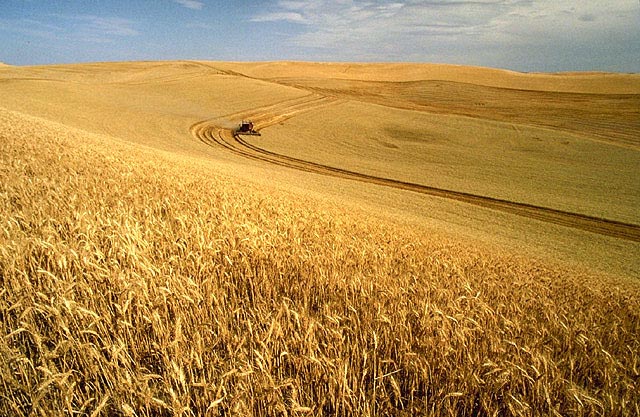
The growing demand for biofuels has raised concerns about land use and food security. Many biofuel crops are grown on land that could otherwise be used for food production. This shift in land use can lead to several problems:
- Competition with Food Crops: The cultivation of biofuels, especially in food-insecure regions, can drive up the cost of food and reduce the amount of land available for growing essential crops. This can exacerbate global food insecurity, especially in developing countries.
- Deforestation and Habitat Loss: To meet the increasing demand for biofuels, large areas of forests and natural habitats are being cleared for agriculture. This deforestation leads to the loss of biodiversity, threatens wildlife species, and disrupts ecosystems.
Biodiversity Loss
The expansion of biofuel production, particularly through monoculture farming (growing a single crop on a large scale), poses a significant threat to biodiversity. Large-scale biofuel crop production can lead to:
- Habitat Destruction: The conversion of natural ecosystems into agricultural land can result in the loss of habitats for many plant and animal species, leading to decreased biodiversity.
- Soil Degradation: Monoculture farming can deplete soil nutrients, reduce soil fertility, and increase the need for chemical inputs like fertilizers and pesticides, which can further harm surrounding ecosystems
- Soil Fertility: Continuous cultivation of biofuel crops without proper crop rotation or sustainable farming practices can lead to soil depletion. Over time, the soil may lose vital nutrients, making it less suitable for farming.
Life-cycle assessments of first-generation biofuels have shown large emissions associated with the potential land-use change required to produce additional biofuel feedstocks. If no land-use change is involved, first-generation biofuels can—on average—have lower emissions than fossil fuels. However, biofuel production can compete with food crop production. Up to 40% of corn produced in the United States is used to make ethanol and worldwide 10% of all grain is turned into biofuel. A 50% reduction in grain used for biofuels in the US and Europe would replace all of Ukraine's grain exports. Several studies have shown that reductions in emissions from biofuels are achieved at the expense of other impacts, such as acidification, eutrophication, water footprint and biodiversity loss.
Second-generation biofuels are thought to increase environmental sustainability since the non-food part of plants is being used to produce second-generation biofuels instead of being disposed of. But the use of second-generation biofuels increases the competition for lignocellulosic biomass, increasing the cost of these biofuels.
In theory, third-generation biofuels, produced from algae, shouldn't harm the environment more than first- or second-generation biofuels due to lower changes in land use and the fact that they do not require pesticide use for production. When looking at the data however, it has been shown that the environmental cost to produce the infrastructure and energy required for third generation biofuel production, are higher than the benefits provided from the biofuels use.
The European Commission has officially approved a measure to phase out palm oil-based biofuels by 2030. Unsustainable palm oil agriculture has caused significant environmental and social problems, including deforestation and pollution.
The production of biofuels can be very energy intensive, which, if generated from non-renewable sources, can heavily mitigate the benefits gained through biofuel use. A solution proposed to solve this issue is to supply biofuel production facilities with excess nuclear energy, which can supplement the power provided by fossil fuels. This can provide a carbon inexpensive solution to help reduce the environmental impacts of biofuel production.
Indirect land use change impacts of biofuels
References
Sources
References
- (2023). "Handbook of Biofuels Production". [[Woodhead Publishing]].
- (2024-03-18). "Biofuel {{!}} Definition, Types, & Pros and Cons {{!}} Britannica".
- (2021). "Biofuels and their sources of production: A review on cleaner sustainable alternative against conventional fuel, in the framework of the food and energy nexus". Energy Nexus.
- (2021). "Recent advances and viability in biofuel production". Energy Conversion and Management: X.
- (2023). "Biofuels an alternative to traditional fossil fuels: A comprehensive review". Sustainable Energy Technologies and Assessments.
- (2025). "Biofuels: Past, Present, and Future". Annual Review of Resource Economics.
- (November 2020). "Environmental sustainability of biofuels: a review". Proceedings of the Royal Society A: Mathematical, Physical and Engineering Sciences.
- (2023-01-23). "Biofuel is approaching a feedstock crunch. How bad? And what must be done?".
- (2023-01-23). "Biofuel is approaching a feedstock crunch. How bad? And what must be done?".
- "How to scale Sustainable Aviation Fuel in the next decade".
- "More Electric Cars Are Key To Meeting SAF Targets, Boeing Says {{!}} Aviation Week Network".
- (6 December 2022). "Renewables Report 2022".
- (January 2022). "Effect of the use of additives in biodiesel blends on the performance and opacity of a diesel engine". Materials Today: Proceedings.
- (2020). "Future energy: improved, sustainable and clean options for our planet". Elsevier.
- "Biofuels explained - U.S. Energy Information Administration (EIA)".
- IPCC, 2022: [https://www.ipcc.ch/report/ar6/wg1/downloads/report/IPCC_AR6_WGI_AnnexVII.pdf Annex I: Glossary] [van Diemen, R., J.B.R. Matthews, V. Möller, J.S. Fuglestvedt, V. Masson-Delmotte, C. Méndez, A. Reisinger, S. Semenov (eds)]. In IPCC, 2022: [https://www.ipcc.ch/report/ar6/wg3/ Climate Change 2022: Mitigation of Climate Change. Contribution of Working Group III to the Sixth Assessment Report of the Intergovernmental Panel on Climate Change] [P.R. Shukla, J. Skea, R. Slade, A. Al Khourdajie, R. van Diemen, D. McCollum, M. Pathak, S. Some, P. Vyas, R. Fradera, M. Belkacemi, A. Hasija, G. Lisboa, S. Luz, J. Malley, (eds.)]. Cambridge University Press, Cambridge, UK and New York, NY, USA. doi: 10.1017/9781009157926.020
- (2023-03-30). "The potential of biofuels from first to fourth generation". PLOS Biology.
- (2020). "Future energy: improved, sustainable and clean options for our planet". Elsevier.
- (21 May 2010). "What are – and who's making – 2G, 3G and 4G biofuels?: Biofuels Digest - biofuels, biodiesel, ethanol, algae, jatropha, green gasoline, green diesel, and biocrude daily news".
- European Parliament. "Advanced biofuels".
- (2024). "The Microbiology of the Drop-in Biofuel Production".
- "Biofuels – Second Generation Biofuels".
- (6 December 2022). "Is the biofuel industry approaching a feedstock crunch? – Analysis".
- (7 June 2006). "Breaking the biological barriers to cellulosic ethanol: a joint research agenda.". EERE Publication and Product Library.
- (June 2024). "Biofuel generations: New insights into challenges and opportunities in their microbe-derived industrial production". Biomass and Bioenergy.
- (18 June 2013). "Dagens och framtidens hållbara biodrivmedel: underlagsrapport från f3 till utredningen om fossilfri fordonstrafik.". The Swedish Knowledge Centre for Renewable Transportation Fuels.
- (15 August 2005). "ButylFuel, LLC Main Page". Butanol.com.
- (14 January 2008). "Biofuels aim higher". Biofuels, Bioproducts and Biorefining (BioFPR).
- (September 2018). "Directed strain evolution restructures metabolism for 1-butanol production in minimal media". Metabolic Engineering.
- (January 2001). "Biodiesel fuel production by transesterification of oils". Journal of Bioscience and Bioengineering.
- "Perstop Press release: Verdis Polaris Aura – second generation B100 – The advanced green one".
- (7 June 2020). "Safflower oil hailed by scientists as possible recyclable, biodegradable replacement for petroleum". Australian Broadcasting Corporation.
- "Alternative Fuels Data Center: Biodiesel Blends".
- (2012). "Fuel and Technology Alternatives for Buses. Overall Energy Efficiency and Emission Performance. IEA Bioenergy Task 46". VTT Technical Research Centre of Finland.
- "Biofuels Facts". Hempcar.org.
- "ADM Biodiesel: Hamburg, Leer, Mainz". Biodiesel.de.
- RRI Limited for Biodiesel Filling Stations. "Welcome to Biodiesel Filling Stations". Biodieselfillingstations.co.uk.
- {{Harvsp. Avril Group : Activity Report. 2014
- "Fast Pyrolysis and Bio-Oil Upgrading".
- "Alternative & Advanced Fuels". US Department of Energy.
- "Technology {{!}} Comsyn".
- (2024-01-01). "Comparative techno-economic and life cycle analyses of synthetic "drop-in" fuel production from UK wet biomass". Chemical Engineering Journal.
- (2024-04-17). "A review of techno-economic analyses and life cycle greenhouse gas emissions of biomass-to-hydrocarbon "drop-in" fuels". Sustainable Production and Consumption.
- (June 2010). "Biodiesel and renewable diesel: A comparison". Progress in Energy and Combustion Science.
- "Green Diesel v. Biodiesel".
- "Breakthroughs in Green Gasoline Production". Biomass Magazine.
- (March 2011). "A Brief Literature Overview of Various Routes to Biorenewable Fuels from Lipids for the National Alliance of Advanced Biofuels and Bio-products NAAB Consortium". Prepared by the US Department of Energy.
- (August 2014). "Preem makes major investment in green diesel at the Port of Gothenburg – Port of Gothenburg".
- (3 February 2009). "Wal-Mart To Test Hybrid Trucks". Sustainable Business.
- "Alternative Fuels Data Center: Biodiesel Production and Distribution".
- (14 April 2008). "Liquid Transport Biofuels – Technology Status Report". [[National Non-Food Crops Centre]].
- (2013-11-04). "Liquid Transport Fuels&Lubes - South Korean scientists use E. coli to make gasoline". Fuels&Lubes Daily.
- (2007). "Bioethers Impact on the Gasoline Pool". Digital Refining.
- "Biofuels - Types of Biofuels - Bioethers".
- {{CELEX
- (2007-01-31). "Impact Assessment of the Proposal for a Directive of the European Parliament and of the Council modifying Directive 98/70/EC relating to the quality of petrol and diesel fuels". Commission of the European Communities.
- "Bio-Ethers as Transportation Fuel: A Review". Indian Institute of Petroleum Dehradun.
- "What are Bio-Ethers?". . The European Fuel Oxygenates Association.
- "Gasoline". Environmental Protection Agency.
- "Biofuels – Types of Biofuels – Bioethers".
- (May 2011). "Techniques for transformation of biogas to biomethane". Biomass and Bioenergy.
- (2008-10-04). "A Detailed Economic Assessment of Anaerobic Digestion Technology and its Suitability to UK Farming and Waste Systems (Andersons)". National Non-Food Crops Centre.
- Yee, Amy. (2018-09-21). "In Sweden, Trash Heats Homes, Powers Buses and Fuels Taxi Fleets". The New York Times.
- "BIOGAS: No bull, manure can power your farm." Farmers Guardian (25 September 2009): 12. General OneFile. Gale.
- (2008). "Electricity from wood through the combination of gasification and solid oxide fuel cells". Swiss Federal Institute of Technology Zurich.
- (29 January 2020). "Biofuel from Algae: The Pros and Cons of Pond Scum".
- (2020-09-14). "Biomass - Offshore wind farms = seaweed = biofuel".
- (May 2010). "Placing microalgae on the biofuels priority list: a review of the technological challenges". Journal of the Royal Society, Interface.
- (2009). "Sustainability evaluation of biodiesel production using multicriteria decision-making". Environmental Progress & Sustainable Energy.
- (December 2013). "Comparative life cycle assessment of biodiesel from algae and jatropha: A case study of India". Bioresource Technology.
- (January 2011). "Life-cycle analysis on biodiesel production from microalgae: Water footprint and nutrients balance". Bioresource Technology.
- (29 March 2008). "First Algae Biodiesel Plant Goes Online: 1 April 2008". Gas 2.0.
- (2011). "Biodiesel from oilgae, biofixation of carbon dioxide by microalgae: A solution to pollution problems". Applied Energy.
- (2009). "Inexpensive oil and fats feedstocks for production of biodiesel". Energy Education Science and Technology Part A: Energy Science and Research.
- (March 2017). "Biofuel production: Challenges and opportunities". International Journal of Hydrogen Energy.
- (19 April 2017). "Hard Lessons From the Great Algae Biofuel Bubble".
- (January 2016). "From first generation biofuels to advanced solar biofuels". Ambio.
- (June 2019). "Fourth generation biofuel: A review on risks and mitigation strategies". Renewable and Sustainable Energy Reviews.
- (May 2024). "Biofuels versus climate change: Exploring potentials and challenges in the energy transition". Renewable and Sustainable Energy Reviews.
- (2011). "Metabolic engineering of algae for fourth generation biofuels production". Energy & Environmental Science.
- (2018-01-01). "Anaerobic digestion of food waste – Challenges and opportunities". Bioresource Technology.
- (January 2021). "A comprehensive review of the recent development and challenges of a solar-assisted biodigester system". Science of the Total Environment.
- (June 2018). "Biogas and its opportunities—A review". Frontiers of Environmental Science & Engineering.
- (October 2014). "Reviewing the anaerobic digestion of food waste for biogas production". Renewable and Sustainable Energy Reviews.
- "Biofuel energy production".
- (2020). "Future energy: improved, sustainable and clean options for our planet". Elsevier.
- "Transport biofuels – Renewables 2022 – Analysis".
- (6 December 2022). "Is the biofuel industry approaching a feedstock crunch? – Analysis".
- (8 December 2021). "Indonesia's biodiesel drive is leading to deforestation". BBC News.
- (November 2020). "Environmental sustainability of biofuels: a review". Proceedings of the Royal Society A: Mathematical, Physical and Engineering Sciences.
- (2019-03-25). "The greenhouse gas benefits of corn ethanol – assessing recent evidence". Informa UK Limited.
- "Press corner".
- "Biomass Strategy 2023".
- (March 2022). "Environmental outcomes of the US Renewable Fuel Standard". Proceedings of the National Academy of Sciences of the United States of America.
- (12 June 2022). "Food vs fuel: Ukraine war sharpens debate on use of crops for energy". Financial Times.
- (6 June 2022). "Guest view: Global hunger fight means no biofuel". Reuters.
- (14 March 2022). "Cutting biofuels can help avoid global food shock from Ukraine war". New Scientist.
- (September 2008). "Second-generation biofuels and local bioenergy systems". Biofuels, Bioproducts and Biorefining.
- (December 2019). "Second generation biofuels and the competition for forest raw materials: A partial equilibrium analysis of Sweden". Forest Policy and Economics.
- (2022). "3rd generation biofuels: disruptive technologies to enable commercial production". Woodhead Publishing, an imprint of Elsevier.
- Magazine, Hakai. "Biofuel Made from Algae Isn't the Holy Grail We Expected".
- (2017). "Biofuel production: Challenges and opportunities". International Journal of Hydrogen Energy.
- (22 May 2022). "Palm Oil Exporter Indonesia Concerned by EU's Deforestation Law". Jakarta Globe.
- (8 December 2022). "EU palm oil use and imports seen plummeting by 2032". Reuters.
- (January 2009). "The Real Path to Green Energy: Hybrid Nuclear-Renewable Power". Bulletin of the Atomic Scientists.
This article was imported from Wikipedia and is available under the Creative Commons Attribution-ShareAlike 4.0 License. Content has been adapted to SurfDoc format. Original contributors can be found on the article history page.
Ask Mako anything about Biofuel — get instant answers, deeper analysis, and related topics.
Research with MakoFree with your Surf account
Create a free account to save articles, ask Mako questions, and organize your research.
Sign up freeThis content may have been generated or modified by AI. CloudSurf Software LLC is not responsible for the accuracy, completeness, or reliability of AI-generated content. Always verify important information from primary sources.
Report