From Surf Wiki (app.surf) — the open knowledge base
Benzocaine
Local anaesthetic drug
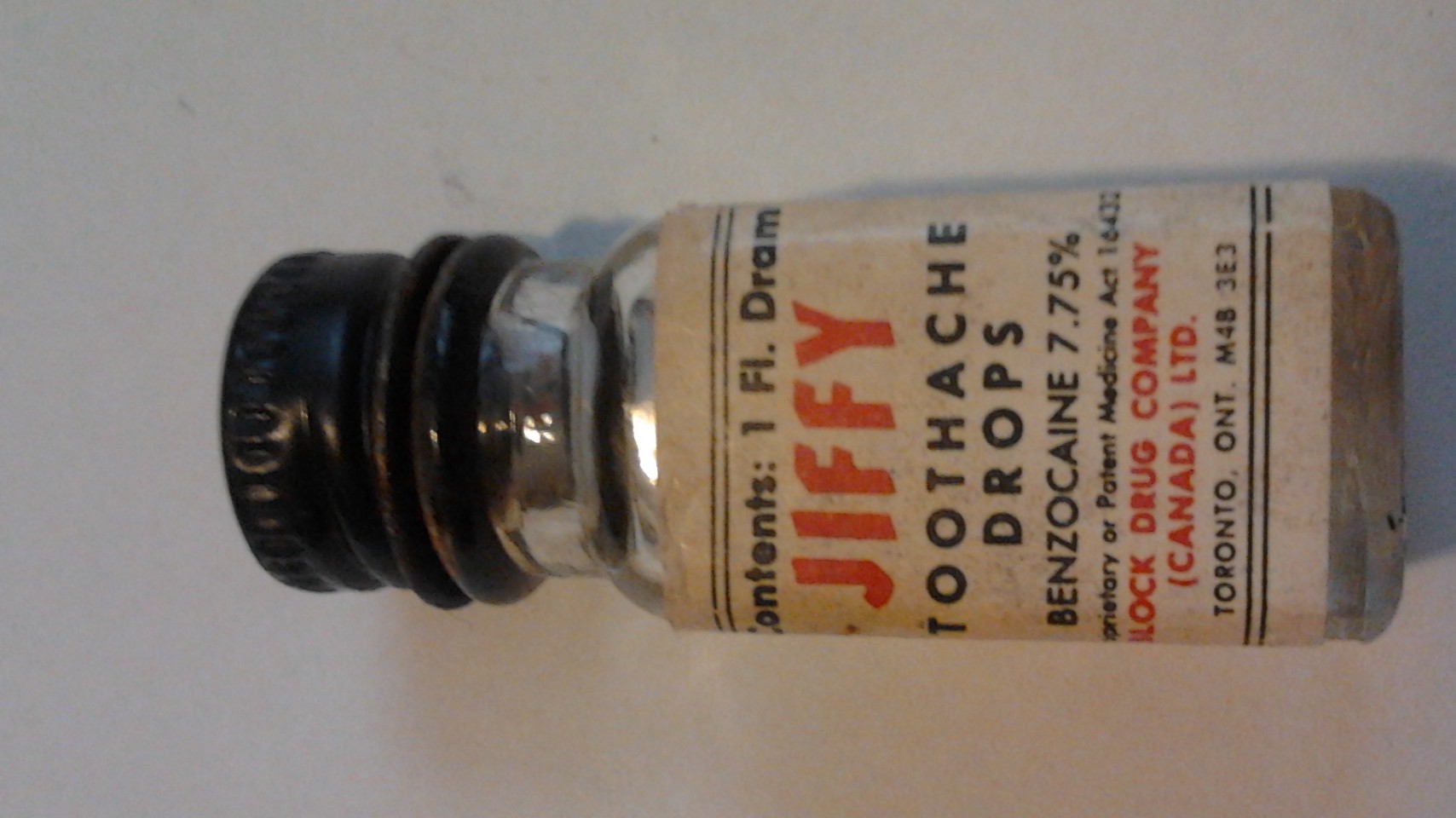
Local anaesthetic drug
| Field | Value | |||
|---|---|---|---|---|
| image | Benzocaine.svg | |||
| image_class | skin-invert-image | |||
| width | 200 | |||
| image2 | Benzocaine-from-xtal-3D-balls.png | |||
| image_class2 | bg-transparent | |||
| width2 | 200 | |||
| tradename | Anbesol, Lanacane, Orajel, others | |||
| Drugs.com | {{ubl | |||
| DailyMedID | ||||
| pregnancy_AU | ||||
| routes_of_administration | Topical, Oral | |||
| ATC_prefix | C05 | |||
| ATC_suffix | AD03 | |||
| ATC_supplemental | , , , | |||
| legal_AU | S4 | |||
| legal_AU_comment | /Schedule 2 | |||
| legal_BR | ||||
| legal_CA | ||||
| legal_DE | ||||
| legal_NZ | ||||
| legal_UK | GSL, P | |||
| legal_US | OTC | |||
| legal_UN | ||||
| legal_status | ||||
| CAS_number | 94-09-7 | |||
| PubChem | 2337 | |||
| DrugBank | DB01086 | |||
| ChemSpiderID | 13854242 | |||
| UNII | U3RSY48JW5 | |||
| KEGG | D00552 | |||
| ChEBI | 116735 | |||
| ChEMBL | 278172 | |||
| IUPAC_name | Ethyl 4-aminobenzoate | |||
| C | 9 | H=11 | N=1 | O=2 |
| SMILES | O=C(OCC)c1ccc(N)cc1 | |||
| StdInChI | 1S/C9H11NO2/c1-2-12-9(11)7-3-5-8(10)6-4-7/h3-6H,2,10H2,1H3 | |||
| StdInChIKey | BLFLLBZGZJTVJG-UHFFFAOYSA-N |
the drug
| Drugs.com = {{ubl | Benzocaine (Topical) | Benzocaine (EENT)
| elimination_half-life =
Benzocaine, sold under the brand name Orajel amongst others, is a local anesthetic, belonging to the amino ester drug class, commonly used as a topical painkiller or in cough drops. It is the active ingredient in many over-the-counter anesthetic ointments such as products for oral ulcers. It is combined with antipyrine to form A/B ear drops. In the US, products containing benzocaine for oral application are contraindicated in children younger than two years old.
It was first synthesised in 1890 in Germany and approved for medical use in 1902.
Medical uses
Benzocaine is indicated to treat a variety of pain-related conditions. It may be used for:
- Local anesthesia of oral and pharyngeal mucous membranes (sore throat, cold sores, mouth ulcers, toothache, sore gums, denture irritation)
- Otic pain (earache)
- Surgical or procedural local anesthesia
- Relief of skin pain caused by sunburn, ingrown toenails, hemorrhoids,
Examples of combination medications of benzocaine include:
- Antipyrine-benzocaine otic consists of antipyrine and benzocaine, and is used to relieve ear pain and remove earwax.
- Cepacol consists of menthol and benzocaine, and is used to treat sore throat.
- A solution of benzocaine and menthol is marketed for the treatment of bee stings, mosquito bites, jellyfish stings, and other insect bites
Other uses
Benzocaine is used as a key ingredient in numerous pharmaceuticals:
- Some glycerol-based ear medications for use in removing excess wax as well as relieving ear conditions such as otitis media and swimmer's ear.
- Some previous diet products such as Ayds.
- Some condoms designed to prevent premature ejaculation. Benzocaine largely inhibits sensitivity on the penis, and can allow for an erection to be maintained longer (in a continuous act) by delaying ejaculation. Conversely, an erection will also fade faster if stimulus is interrupted.
- Benzocaine mucoadhesive patches have been used in reducing orthodontic pain.
- In Poland it is included, together with menthol and zinc oxide, in the liquid powder (not to be confused with the liquid face powder) used mainly after mosquito bites. Today's ready-made Pudroderm was once used there as pharmaceutical compound.
Available forms
Benzocaine can come in a variety of preparations including:
Oral preparations:
- Lozenges (ex. Cepacol, Mycinettes)
- Throat Spray (ex. Ultra Chloraseptic)
Topical preparations:
- Aerosol (ex. Topex)
- Gel (ex. Orajel, Kank-A)
- Paste (ex. Orabase)
- Cream (ex. Lanacane - active ingredient 3% Benzocaine) Otic preparations:
- Solution (ex. Allergen)
Side effects
Benzocaine is generally well tolerated and non-toxic when applied topically as recommended.
However, there have been reports of serious, life-threatening adverse effects (e.g., seizures, coma, irregular heart beat, respiratory depression) with over-application of topical products or when applying topical products that contain high concentrations of benzocaine to the skin.
The topical use of higher concentration (10–20%) benzocaine products applied to the mouth or mucous membranes has been found to be a cause of methemoglobinemia, a disorder in which the amount of oxygen carried by the blood is greatly reduced.
Benzocaine may cause allergic reactions. These include:
- Contact dermatitis (redness and itchiness)
- Anaphylaxis (rare)
Chemistry
Benzocaine is the ethyl ester of p-aminobenzoic acid (PABA). It can be prepared from PABA and ethanol by Fischer esterification or via the reduction of ethyl p-nitrobenzoate. Benzocaine is sparingly soluble in water; it is more soluble in dilute acids and very soluble in ethanol, chloroform, and ethyl ether. The melting point of benzocaine is 88–92 °C, and the boiling point is about 310 °C. The density of benzocaine is 1.17 g/cm3.
Synthesis
Benzocaine can be prepared by esterification using 4-aminobenzoic acid and ethanol. It can also be prepared by reduction of ethyl 4-nitrobenzoate to the amine. In industrial practice, the reducing agent is usually iron and water in the presence of a little acid.
History
Benzocaine was first synthesized in 1890 by the German chemist Eduard Ritsert (1859–1946), in the town of Eberbach and introduced to the market in 1902 under the name "Anästhesin".
Society and culture
Benzocaine is found, particularly in Britain, as an additive in street cocaine and also as a bulking agent in "legal highs". Benzocaine gives a numbing effect similar to cocaine and as a bulking and binding agent it can not be detected once mixed. It is the most popular cutting agent worldwide.
Veterinary uses
Bath solutions of benzocaine and its derivatives are commonly used to anesthetize amphibians for surgery. Benzocaine-based anesthetics are potent and highly effective for both anesthesia and euthanasia in amphibians.
References
References
- (May 2025). "Therapeutic Goods (Poisons Standard— June 2025) Instrument 2025".
- "Safety Alerts for Human Medical Products - Oral Over-the-Counter Benzocaine Products: Drug Safety Communication - Risk of Serious and Potentially Fatal Blood Disorder".
- (June 25, 2018). "Safety Information on Benzocaine-Containing Products".
- (2006). "Analogue-based Drug Discovery". John Wiley & Sons.
- AHFS Drug Information 2007. McEvoy GK, ed. Benzocaine. Bethesda, MD: American Society of Health-System Pharmacists; 2007: 2844-5.
- Sultan Healthcare. Topex metered spray (benzocaine 20%) prescribing information. Englewood, NJ; 2006.
- [https://www.drugs.com/mtm/benzocaine-topical.html Benzocaine topical]
- "Antipyrine-Benzocaine Otic: MedlinePlus Drug Information".
- "Cepacol Sore Throat (Benzocaine-Menthol) Mucous Membrane: Uses, Side Effects, Interactions, Pictures, Warnings & Dosing - WebMD".
- [https://dailymed.nlm.nih.gov/dailymed/drugInfo.cfm?setid=b8bd9280-f20a-4b2a-aef7-a0ba7b3b8701 STING-KILL - benzocaine and menthol solution]
- (June 17, 2002). "'Longer-lasting' condom launched". BBC News.
- (December 15, 2002). "Endurance Condoms". The New York Times.
- (September 2013). "The analgesic effect of benzocaine mucoadhesive patches on orthodontic pain caused by elastomeric separators, a preliminary study". Acta Odontologica Scandinavica.
- "Produkty {{!}} PUDRODERM".
- "Cepacol". Cepacol.com.
- "Ultra Chloraseptic Anaesthetic Throat Spray 0.71% - Summary of Product Characteristics (SmPC) - (eMC)".
- "Topex Metered Spray-Sultan Healthcare". Sultanhc.com.
- (May 11, 2015). "Orajel - Oral Care for the Whole Family". Orajel.com.
- "Kank-A {{!}} Canker Sore Treatment & Pain Relief".
- "Colgate Orabase Paste with Benzocaine | Indications | Dental Products". Colgateprofessional.com.
- Lexicomp Online, Adult and Pediatric Lexi-Drugs Online, Hudson, Ohio: Lexi-Comp, Inc.; 2013; April 15, 2013.
- (May 23, 2018). "Risk of serious and potentially fatal blood disorder prompts FDA action on oral over-the-counter benzocaine products used for teething and mouth pain and prescription local anesthetics". U.S. [[Food and Drug Administration]] (FDA).
- (May 1995). "Methemoglobinemia toxicity from topical benzocaine spray". Journal of the American Geriatrics Society.
- "Allergy to Benzocaine".
- (June 1999). "A 10-year retrospective study on benzocaine allergy in the United Kingdom". American Journal of Contact Dermatitis.
- (March 2013). "Allergic contact dermatitis to benzocaine: the importance of concomitant positive patch test results". Actas Dermo-Sifiliograficas.
- (February 5, 2008). "Go easy on medicated lotions, creams, gels". CNN.
- Cetylite Industries. Cetacaine (benzocaine 14%, tetracaine 2% and butamben 2%) spray, gel and liquid prescribing information. Pennsauken, NJ; 2006 Sept.
- (2012). "Synthesis of Two Local Anesthetics from Toluene: An Organic Multistep Synthesis in a Project-Oriented Laboratory Course". Journal of Chemical Education.
- "Benzocaine". U.S. National Library of Medicine.
- (1983). "D'Ans-Lax, Taschenbuch für Chemiker und Physiker". Springer Verlag.
- (1895). "Ueber Esterbildung bei aromatischen Amidosäuren". Berichte der Deutschen Chemischen Gesellschaft.
- (1865). "Ueber das durch Einwirkung von Jodwasserstoff auf Mannit beziehungsweise auf Melampyrin (Dulcit) entstehende β Hexyljodür und einige seiner Derivate". Annalen der Chemie und Pharmacie.
- (1898). "Ueber die Verbindungen aus Benzoylchlorid oder Phtalylchlorid und den Estern der drei Oxybenzoësäuren". Justus Liebig's Annalen der Chemie.
- (1928). "Ethyl ''p''-aminobenzoate".
- (1983). "Benzocaine". Academic Press.
- Biography of Eduard Ritsert (in German): [https://www.deutsche-biographie.de/sfz106040.html ''Deutsche Biographie'': Ritsert, ''Eduard''.]
- "100 years of Dr. Ritsert". Dr. Ritsert Pharma.
- (1968). "Lehrbuch der pharmazeutischen Chemie". Wissenschaftliche Verlagsgesellschaft.
- (1925). "Über den Werdegang des Anästhesins". Pharmazeutische Zeitung.
- (August 9, 2010). "Drug war targets cutting agents". BBC News.
- (August 11, 2012). "Drug prices: All cut up: Cocaine is cheaper, but weaker". [[The Economist]].
- (2013). "Pain perception and anaesthesia in research frogs". Experimental Animals.
- (November 8, 2010). "Amphibian Anesthesia — Research at Penn State". The Pennsylvania State University.
- (2020). "Evaluation of benzocaine-based anesthetic gel in anuran skins extracts: A case study using the frog Lithodytes lineatus (Anura: Leptodactylidae)". PLOS ONE.
This article was imported from Wikipedia and is available under the Creative Commons Attribution-ShareAlike 4.0 License. Content has been adapted to SurfDoc format. Original contributors can be found on the article history page.
Ask Mako anything about Benzocaine — get instant answers, deeper analysis, and related topics.
Research with MakoFree with your Surf account
Create a free account to save articles, ask Mako questions, and organize your research.
Sign up freeThis content may have been generated or modified by AI. CloudSurf Software LLC is not responsible for the accuracy, completeness, or reliability of AI-generated content. Always verify important information from primary sources.
Report