From Surf Wiki (app.surf) — the open knowledge base
Bell mouth
HVAC feature
HVAC feature
In building services engineering and HVAC, a bell mouth is a tapered expanding or reducing opening in the end of a ventilation duct, so named because the taper can resemble that of a bell shape. They are primarily designed and used for return air or extract air purposes within building ventilation systems, more commonly located within ceiling voids or other similar plenum. The bellmouth cross-sectional area is normally double that of the duct area so that the air velocity entering the bellmouth is low (to reduce noise, turbulence and pressure drop), and gradually increases to the normal design velocity of the ductwork. The angle of the bellmouth is normally tapered at about 45° as a balance between keeping the bellmouth short without causing too much turbulence or excessive pressure drop. Bellmouths can be manufactured to suit either circular or rectangular ductwork sections.
The bell-mouth shape allows the maximum amount of air to be drawn into the duct with minimum loss.

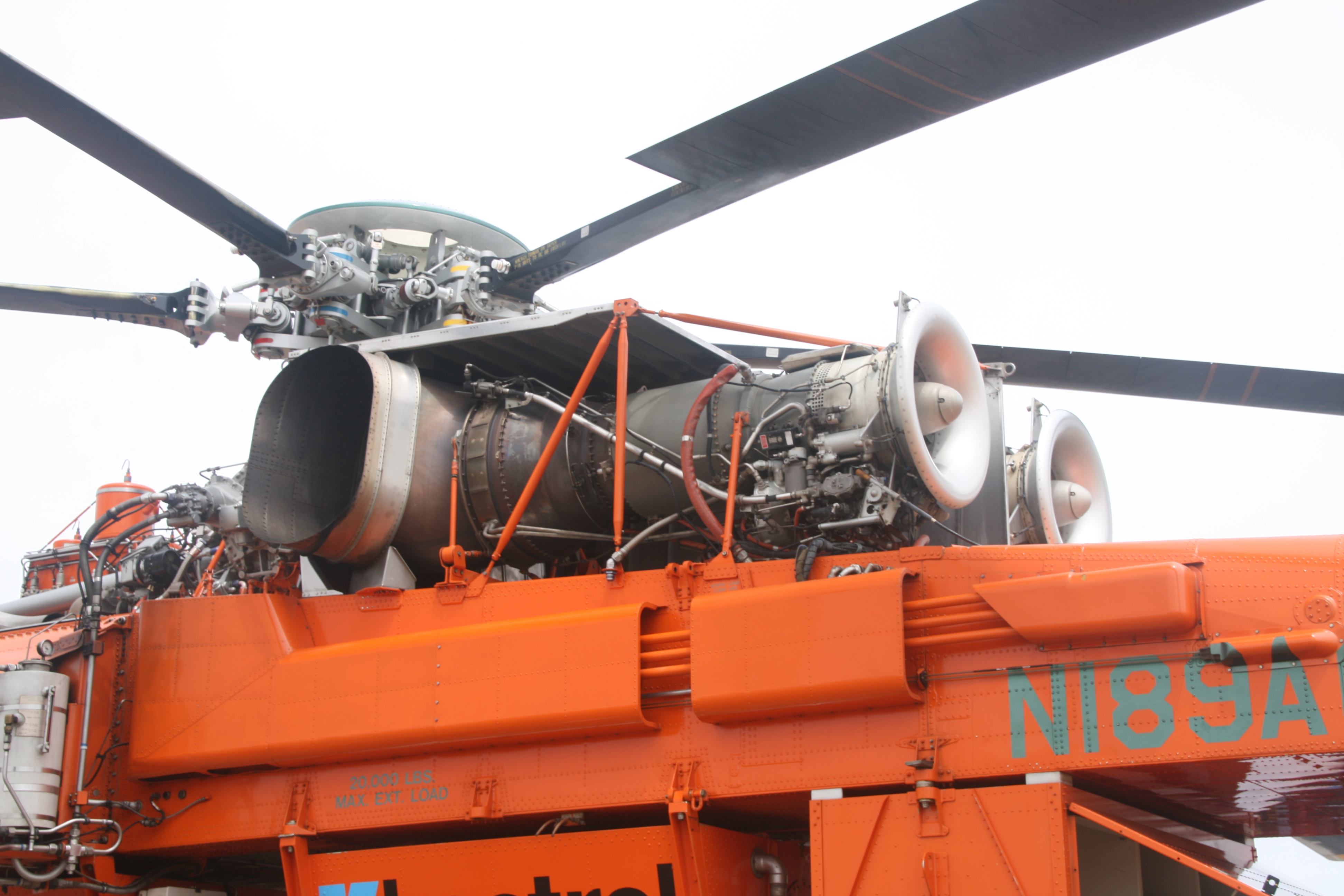
A bell-mouth inlet duct is a form of convergent inlet air duct used to direct air into the inlet of a gas turbine engine. The area of a convergent duct gets smaller as the air flows into the engine. A bell-mouth inlet duct is extremely efficient and is used where there is little ram pressure available to force the air into the engine. Bell-mouth ducts are used in engine test cells and on engines installed in helicopters.
Examples of the effects of different shape (bellmouth)inlets are shown in the referenced "Good Fabs" article
References
References
- (March 2017). "How to optimise the inlet bell mouth".
This article was imported from Wikipedia and is available under the Creative Commons Attribution-ShareAlike 4.0 License. Content has been adapted to SurfDoc format. Original contributors can be found on the article history page.
Ask Mako anything about Bell mouth — get instant answers, deeper analysis, and related topics.
Research with MakoFree with your Surf account
Create a free account to save articles, ask Mako questions, and organize your research.
Sign up freeThis content may have been generated or modified by AI. CloudSurf Software LLC is not responsible for the accuracy, completeness, or reliability of AI-generated content. Always verify important information from primary sources.
Report