From Surf Wiki (app.surf) — the open knowledge base
Bed frame
Component of a bed that supports a base and mattress
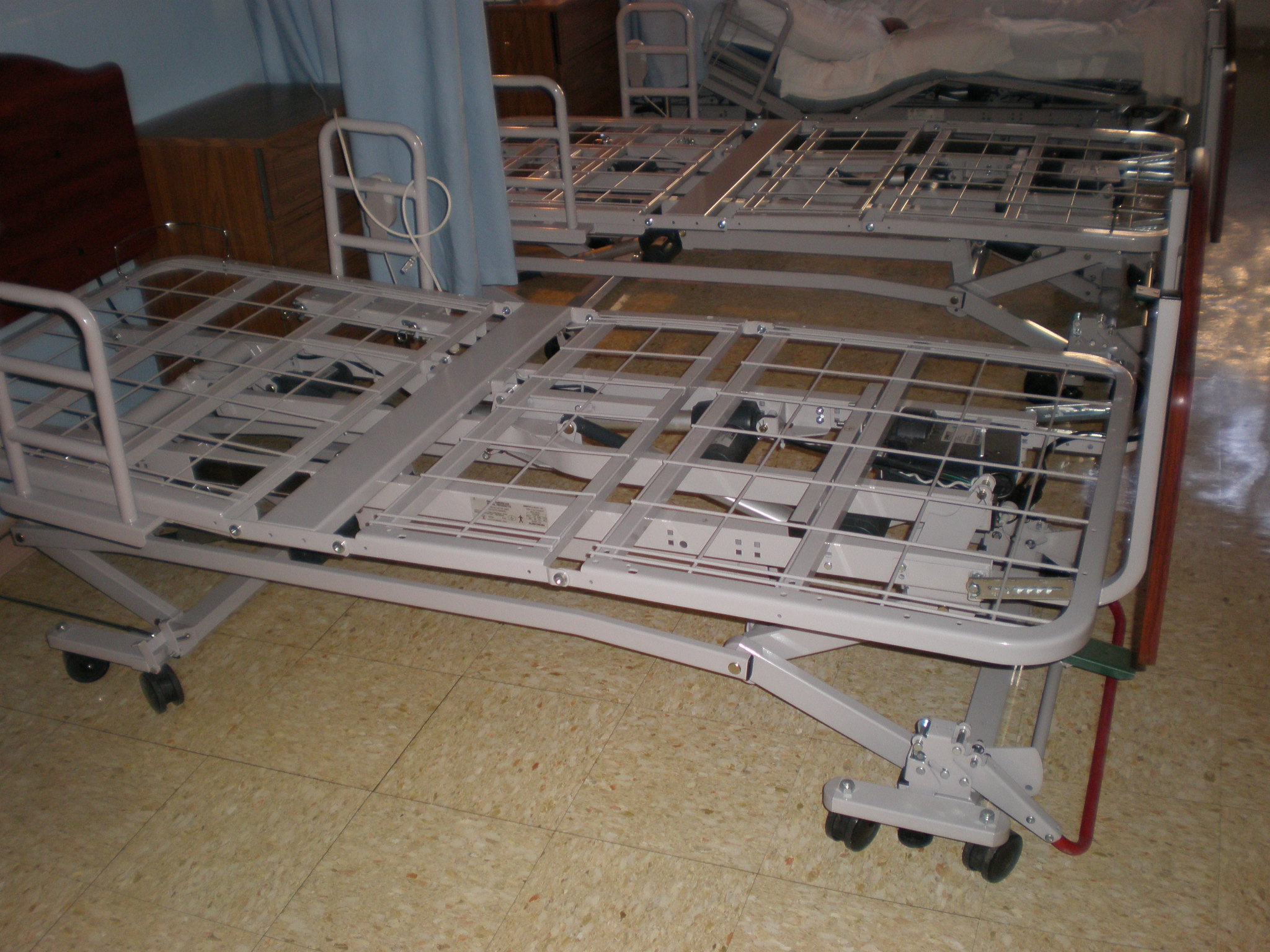
Component of a bed that supports a base and mattress
A bed frame, or bedstead, is the part of a bed used to position the bed base, the flat part which in turn directly supports the mattress(es). The frame may also stop the mattress from sliding sideways, and it may include means of supporting a canopy above. There are several types of bed frames, and they are typically made of wood or metal. A bed frame includes head, foot, and side rails. The majority of double (full) beds and all queen- and king-sized beds necessitate a central support rail, often accompanied by additional feet that extend towards the floor for stability. The term bed frame is first attested between 1805 and 1815. This foundational support system not only reinforces the structure of the bed but also ensures its durability and longevity, distributing weight evenly to prevent sagging and enhance overall comfort. Not all beds include frames: see bed base.
Early bed frames
Some of the earliest bed frames are known from the Sumerian culture. Ancient Egyptian beds have been found in well-preserved condition, dating to well over 6000 years before the present time. The bed frames of the early dynastic period are made of wood and can vary in craftsmanship from mere branches lashed together, to fine works of art.
Brass beds
Brass beds are beds in which the headboard and footboard are made of brass; the frame rails are usually made of steel. The ratio of metals may vary between manufacturers.
.jpg)
Initially, brass beds boasted a minimalist and straightforward design. Throughout the centuries, designs have become increasingly elaborate and can contain extensive ornamentation, such as porcelain finials. Some brass bed styles include traditional, Art Deco, Victorian, transitional, Edwardian and contemporary.

Iron beds
Iron beds are beds in which the headboard and footboard are made of iron; the frame rails are usually made of steel. Iron beds were developed in 17th century Italy to address concerns about infestation by bed bugs and moths. An iron cradle (with dangerously pointed corner posts) has been dated to 1620–1640.{{Cite book
Following the conclusion of World War I, the methodologies employed for mass production during the war had a substantial impact on the iron industry. The erstwhile handmade craftsmanship gradually yielded to the adoption of cost-efficient mass production techniques.
Today's iron beds are constructed of cold-rolled, heavy-gauge steel tubing and solid bar stock.
Almost all iron beds now have a beech wood sprung slatted base in a steel framework which gives support to all types of mattresses.
Wooden drawer beds
These beds have a wooden framework resembling a box, designed to accommodate the mattress within a carved-out space, and have wooden drawers beneath the mattress area.
References
References
- "Bedstead". Dictionary.com.
- (2023-12-18). "17 Amazing Bed Frame Types to Choose From - Best Bed Frame Review".
- "Bed frame". Dictionary.com.
- (1965). "The Sumerians". W. W. Norton & Company.
- Killen, Geoffrey P.. (2016). "Encyclopaedia of the History of Science, Technology, and Medicine in Non-Western Cultures". Springer Netherlands.
This article was imported from Wikipedia and is available under the Creative Commons Attribution-ShareAlike 4.0 License. Content has been adapted to SurfDoc format. Original contributors can be found on the article history page.
Ask Mako anything about Bed frame — get instant answers, deeper analysis, and related topics.
Research with MakoFree with your Surf account
Create a free account to save articles, ask Mako questions, and organize your research.
Sign up freeThis content may have been generated or modified by AI. CloudSurf Software LLC is not responsible for the accuracy, completeness, or reliability of AI-generated content. Always verify important information from primary sources.
Report