From Surf Wiki (app.surf) — the open knowledge base
Bashkortostan
First-level administrative division of Russia

First-level administrative division of Russia
| Field | Value | |||||
|---|---|---|---|---|---|---|
| name | Republic of Bashkortostan | |||||
| subdivision_type | Country | |||||
| settlement_type | Republic | |||||
| image_flag | Flag of Bashkortostan.svg | |||||
| image_map | Map of Russia - Bashkortostan (Crimea disputed).svg | |||||
| pushpin_map | European Russia | |||||
| pushpin_relief | 1 | |||||
| mapframe | yes | |||||
| mapframe-wikidata | yes | |||||
| mapframe-zoom | 4 | |||||
| mapframe-height | 250 | |||||
| mapframe-stroke-width | 1 | |||||
| subdivision_name | Russia | |||||
| coordinates | ||||||
| subdivision_type2 | Federal district | |||||
| subdivision_name2 | Volga | |||||
| subdivision_type3 | Economic region | |||||
| subdivision_name3 | Ural | |||||
| <!-- government type, leaders --> | governing_body | State Assembly-Kurultay | ||||
| leader_title | Head | |||||
| leader_name | Radiy Khabirov | |||||
| leader_title1 | Members of the State Duma | |||||
| leader_name1 | {{Collapsible list | |||||
| framestyle | border:none; padding:0; | |||||
| title | List of Deputies | |||||
| 1 | Pavel Kachkayev | 2=Rafael Mardanshin | 3=Elvira Aitkulova | 4=Rifat Shaykhutdinov | 5=Zarif Baiguskarov | 6=Dinar Gilmutdinov |
| leader_title2 | Senators | |||||
| leader_name2 | Lilia Gumerova | |||||
| Oleg Golov | ||||||
| total_type | Total | |||||
| area_total_km2 | 142,947 | |||||
| population_rank | 7th | |||||
| population_density_km2 | 28.62 | |||||
| population_as_of | 2021 Census | |||||
| population_total | 4091423 | |||||
| population_footnotes | ||||||
| timezone1 | MSK+2 | |||||
| blank_name | OKTMO ID | |||||
| blank_info | 80000000 | |||||
| native_name | ba | |||||
| ru | ||||||
| image_shield | Coat of Arms of Bashkortostan.svg | |||||
| iso_code | RU-BA | |||||
| registration_plate | 02, 102, 702 | |||||
| utc_offset | +5 | |||||
| anthem | Башҡортостан Республикаһының Дәүләт гимны | |||||
| ba | ||||||
| "State Anthem of the Republic of Bashkortostan" | ||||||
| flag_size | 140px | |||||
| shield_size | 87px | |||||
| flag_link | Flag of Bashkortostan | |||||
| shield_link | Coat of arms of Bashkortostan | |||||
| seat_type | Capital | |||||
| seat | Ufa | |||||
| population_urban | 61.8% | |||||
| population_rural | 38.2% | |||||
| blank_name_sec1 | Official language(s) | |||||
| blank_info_sec1 | BashkirRussian | |||||
| area_footnotes | ||||||
| mapsize | 300px | |||||
| website |
the republic of Russia
| mapframe-wikidata = yes | mapframe-zoom = 4 | mapframe-height = 250 | mapframe-stroke-width = 1 Oleg Golov ru ba "State Anthem of the Republic of Bashkortostan" Bashkortostan, officially the Republic of Bashkortostan, sometimes also called Bashkiria, is a republic of Russia between the Volga river and the Ural Mountains in Eastern Europe. The republic borders Perm Krai to the north, Sverdlovsk Oblast to the northeast, Chelyabinsk Oblast to the east, Orenburg Oblast to the south, Tatarstan to the west and Udmurtia to the northwest. It covers 143600 km2. It is the seventh-most populous federal subject in Russia and the most populous republic. Its capital and largest city is Ufa. As of 2025, it has a population of 4,046,094.
Bashkortostan was established on . On 20 March 1919, it was transformed into the Bashkir ASSR, the first autonomous republic in the Russian SFSR. On 11 October 1990, it adopted the Declaration of State Sovereignty. In the Constitution of Bashkortostan and Constitution of Russia, Bashkortostan is defined as a state.
Name
The name Bashkortostan derives from the name of the Bashkir ethnic group, and is literally translated as "land of the Bashkirs". While the endonym having various theories on its meaning, the most prominent is being a combination of Turkic words baş, meaning 'head', 'chief', 'main', 'principal' and qurt meaning 'wolf' (one of the animals regarded as sacred to Turkic peoples); the suffix -stan is Persian, commonly used for many Eurasian territorial names.
The Russian name Bashkiriya first appeared at the end of the 16th century. Originally, it appeared in the forms Bashkir land, Bashkir, Bashkirda and Bashkir horde.
History
Main article: History of Bashkortostan
Early history
The first settlements in the territory of modern Bashkortostan date from the early Paleolithic period, but the Bronze Age spurred an upsurge in the population of this territory. When people of the Abashevo culture started settling here, they possessed high skills in manufacturing bronze tools, weapons and decorations. They were the first to establish permanent settlements in the Southern Urals.
In the 10th century, Al-Balkhi wrote about Bashkirs as a people, divided into two groups, one of which inhabited the Southern Urals, while the other lived near the Danube River, close to the boundaries of Byzantium. His contemporary Ibn-Ruste described the Bashkirs as "an independent people, occupying territories on both sides of the Ural mountain ridge between Volga, Kama, Tobol and upstream of Yaik River".
File:Рисунки в Каповой пещере.jpg|Cave paintings in the Shulgan-Tash Nature Reserve. File:Mausoleum of Turahan.jpg|Mausoleum of Turahan, 14th-century building. File:Башкиры в Гамбурге, 1814.jpg|Bashkirs near Hamburg during the Napoleonic Wars, c. 1813. File:Командиры БОКБ.jpg|A Red Army cavalry unit made up of Bashkirs, likely taken between 1924 and 1927.
After the early-feudal Mongolian state had broken down in the 14th century, the territory of modern Bashkortostan became divided between the Kazan, the Siberia Khanates and the Nogai Horde. The tribes that lived there were headed by bi (tribal heads).
Within the Russian Tsardom and Empire
After Kazan fell to Ivan the Terrible in 1554–1555, representatives of western and northwestern Bashkir tribes approached the Tsar with a request to voluntarily join Muscovy. The Bashkir rebellion of 1662–1664 and the Bashkir rebellion of 1704–1711 were primarily caused by the Russian government's violations of the terms and conditions previously agreed between the Bashkirs and the Russian authorities. Bashkirs were also largely involved in the Pugachev Rebellion (their leader Salawat Yulayev, currently considered a national hero of the Bashkirs, was one of Pugachev's closest aides).
Starting from the second half of the 16th century, Bashkiria's territory began taking shape as a part of the Russian state. In 1798, the Spiritual Assembly of Russian Muslims was established, an indication that the tsarist government recognized the rights of Bashkirs, Tatars, and other Muslim nations to profess Islam and perform religious rituals. Ufa Governorate (guberniya), with a center in Ufa, was formed in 1865—another step toward territorial identification.
After the Russian Revolution of 1917
After the Russian Revolution of 1917 were the All-Bashkir Qoroltays (conventions), which required a decision on the need to create a national federal republic within Russia. As a result, on 28 November 1917, the Bashkir Regional (Central) Shuro (Council) proclaimed the establishment of territorial and national autonomy in areas of Orenburg, Perm, Samara, and Ufa provinces with a predominantly Bashkir population.
In December 1917, delegates to the All-Bashkir (constituent) Congress, representing the interests of the population edge of all nationalities, voted unanimously for the resolution (Farman #2) of the Bashkir regional Shuro for the proclamation of national-territorial autonomy (of the Republic) Bashkurdistan. The congress formed the government of Bashkurdistan, the Pre-parliament—Kese-Qoroltay and other bodies of power and administration, and decisions were made on how to proceed.
In March 1919, based on the agreements of the Russian Government, the Bashkir Autonomous Soviet Socialist Republic was formed. During the Soviet period, Bashkiria was granted broad autonomous rights, the first among other Russian regions. The administrative structure of the Bashkir ASSR was based on principles similar to those of other autonomous republics of Russia.
Dissolution of the Soviet Union
On 11 October 1990, the Supreme Soviet of the Republic adopted the declaration on state sovereignty of the Bashkir ASSR. On 25 February 1992, the Bashkir ASSR was renamed the Republic of Bashkortostan.
On 31 March 1992, a Federative Compact "On separation of authorities and powers among federal organs of power of the Russian Federation and the organs of power of the Republic of Bashkortostan" was signed. On 3 August 1994, a Compact "On separation of authorities and mutual delegating of powers among the organs of power of the Russian Federation and the organs of power of the Republic of Bashkortostan" was signed, granting the republic autonomy. This agreement was unilaterally abolished on 7 July 2005.
Geography
Bashkortostan contains part of the southern Urals and the adjacent plains. File:Шихан Торатау и коровы.jpg|Shihan Toratau. Single hills are popular symbols of Bashkortostan. File:Atysh waterfall (2008).jpg|Atysh waterfall File:Лошади на Банном.jpg|Bashkir horses near Yakty-Kul lake File:Лес вокруг г.Ямантау.jpg|Autumn Yamantau
- Area: 143600 km2 (according to the 2002 Census)
- Borders: Bashkortostan borders with Perm Krai (N), Sverdlovsk Oblast (NE), Chelyabinsk Oblast (NE/E/SE), Orenburg Oblast (SE/S/SW), the Republic of Tatarstan (W), and the Udmurt Republic (NW)
- Highest point: Mount Yamantau (1,638 m)
- Maximum north-south distance: 550 km
- Maximum east-west distance: over 430 km
Rivers

There are over 13,000 rivers in the republic. Many rivers are part of the deep-water transportation system of European Russia; they provide access to ports of the Baltic and Black seas.
Major rivers include:
- Belaya (Aghidhel) River (1,430 km)
- Ufa (Qaraidel) River (918 km)
- Sakmara River (760 km)
- Ik (Iq) River (571 km)
- Dyoma (Dim) River (556 km)
- Ay River (549 km)
- Yuruzan River (404 km)
- Bystry Tanyp River (345 km)
- Sim River (239 km)
- Nugush River (235 km)
- Tanalyk River (225 km)
- Zilim (Yethem) River (215 km)
- Syun River (209 km)
Lakes

There are 2,700 lakes and reservoirs in the republic.
Mountains
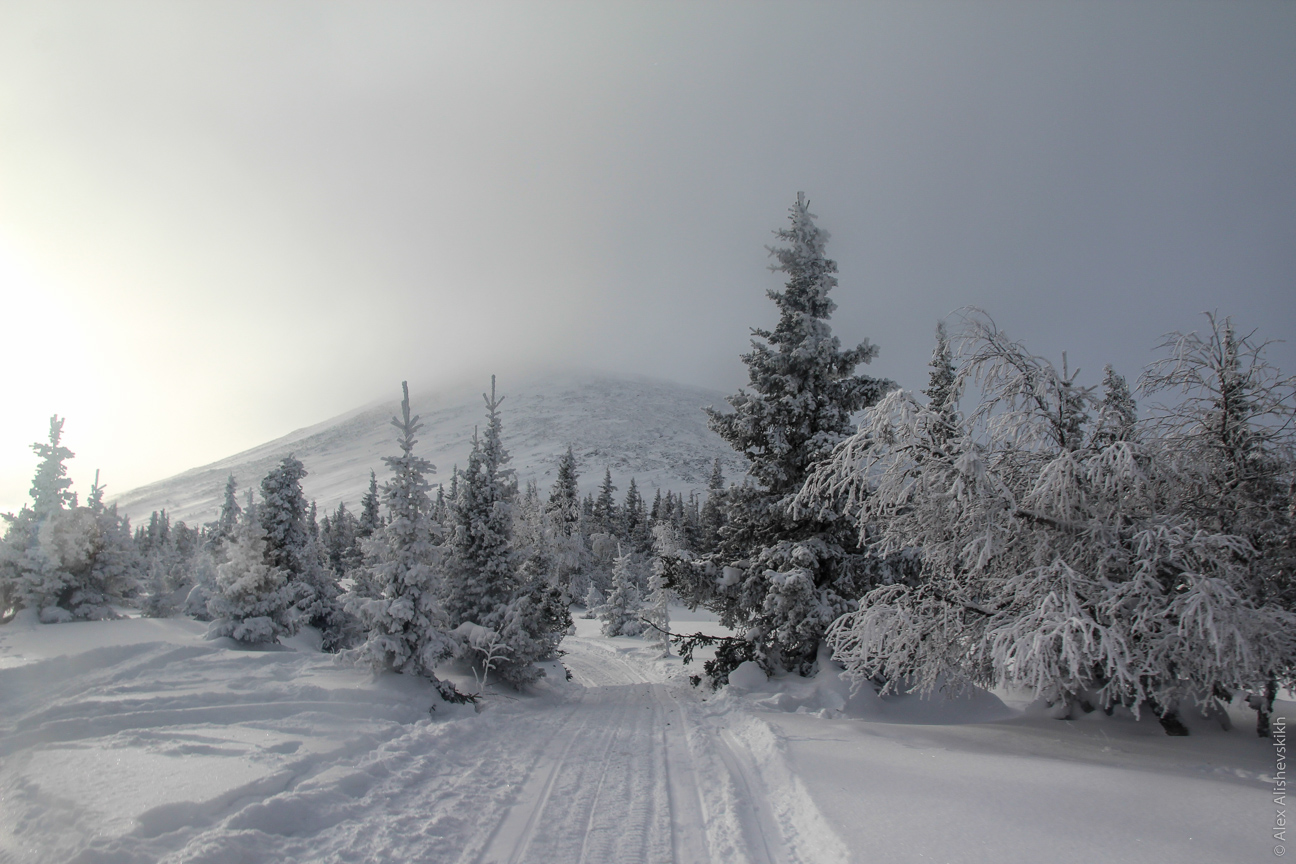
The Republic contains part of the southern Urals, which stretch from the northern to the southern border. It includes a number of mountain ranges.
The highest mountains include:
- Mount Yamantau (1,638 m)
- Mount Bolshoy Iremel (1,582 m)
- Mount Maly Iremel (1,449 m)
Natural resources
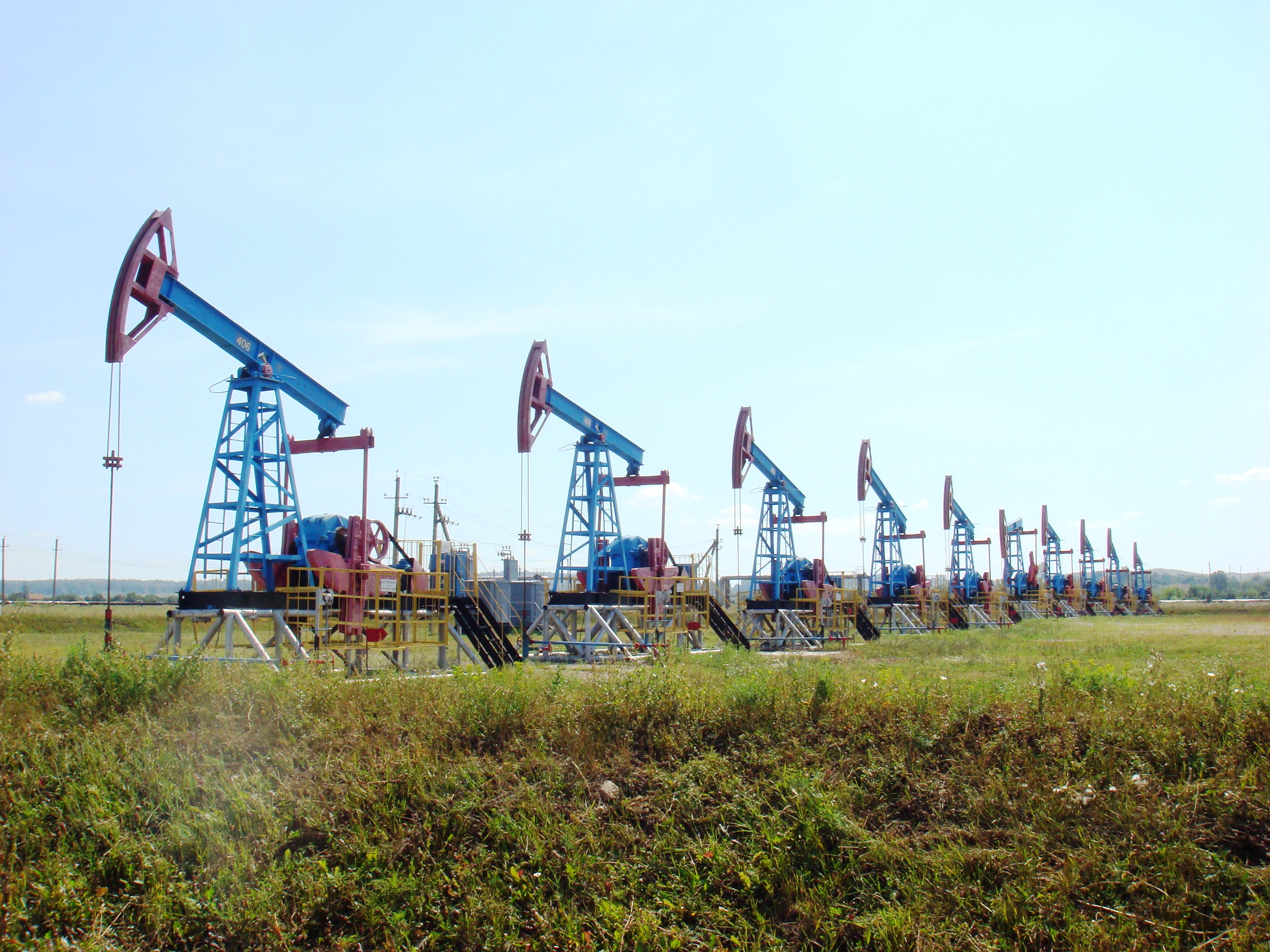

Major resources are oil reserves, natural gas, coal, ferrous metal ores, manganese, chromite, and more. Bashkortostan is a major source of materials used in non-ferrous metallurgy. The republic has considerablee deposits of lignite with a high degree of bitumen.
Over one-third of the territory of Bashkortostan, or 62000 km2, is wooded. The following types of trees dominate: birch, conifers, lime, oak, and maple. Bashkortostan forests have special sanctuaries and national parks. They cover more than 10000 km2.
The Asselian Age at the start of the Permian period of geological time is named after the Assel River in Bashkortostan.

.jpg)
Administrative divisions
Main article: Administrative divisions of the Republic of Bashkortostan}}As of 2013, Republic of Bashkortostan is divided into 54 [[Raion, [districts]], 21 [List of cities and towns in Russia, [cities]] or towns, 2 [Urban-type settlement, 80
Politics

The head of the government of the Republic of Bashkortostan is called the Head (before 1 January 2015 the title was "President"). According to the Constitution, the Head of the Republic of Bashkortostan guarantees rights and liberties to the country's people and citizens, protects the economic and political interests of the Republic of Bashkortostan, and secures legitimacy, law, and order within its territory.
Since 11 October 2018, the Head of the Republic of Bashkortostan has been Radiy Khabirov. He was first appointed as acting head by Russian president Vladimir Putin. In 2019 he was elected after winning 82% of the vote in the 2019 Bashkir head election. He was re-elected in the 2024 Bashkir head election. Before his current role, Radiy Khabirov was the Head of Krasnogorsk, Moscow Oblast. His predecessor was Rustem Khamitov, the leader after 19 July 2010. He resigned on 11 October 2018 ahead of the election because he decided to not run for reelection.
The Republic's parliament is the State Assembly—Kurultai, popularly elected every five years. The one-chamber State Assembly has 110 deputies.

The Republic's Constitution was adopted on 24 December 1993. Article 1 of the Constitution stipulates that Bashkortostan is a sovereign state within Russia, it has state power beyond the limits of the authority of the Russian Federation and the powers of the Russian Federation concerning the aspect of the joint authority of the Russian Federation and the Republic of Bashkortostan. The Republic of Bashkortostan is a full-fledged subject of the Russian Federation on equal and agreed bases.
The relations of the Republic of Bashkortostan and the Russian Federation are based on the articles of the Constitution of the Russian Federation, the Constitution of the Republic of Bashkortostan, the Federative Treaty (with amendments) and the Agreement on Separation of authorities and powers and mutual delegating of powers among the organs of state power of the Republic of Bashkortostan.
The judicial power of the republic is in the hands of the Supreme Court, the Court of Appeals, district courts, and justices of the peace.
In full accord with universally recognized principles of international law, articles of the European Charter of Local Self-Government and the Constitution of the Russian Federation, the Republic of Bashkortostan ensures in its Constitution that local self-government is recognized and guaranteed within the republic's territory.
The Republic of Bashkortostan resolves all issues of administrative-territorial structure on its own. The list of districts and towns, municipalities, as well as the order of establishing, amending and changing borders of municipalities and their names, are stipulated by the Republic of Bashkortostan law "On administrative-territorial structure of the Republic of Bashkortostan and territory of municipalities".
The state has strong economic and cultural ties with its western neighbour, the Republic of Tatarstan.
Economy
.png)

Bashkortostan is one of the Russian Federation's most developed regions in terms of its cross-regional output, the volume of industrial production, agricultural production, and investment in fixed assets.
The region's largest companies include Bashneft, Ufa Engine Industrial Association (part of United Engine Corporation), Peton Holding, Bashkhim, Ufaorgsintez, Beloretsk Iron and Steel Works.
The extraction of crude oil in Bashkiria began in 1932. with major deposits first discovered in 1943. During the Great Patriotic War, Bashkiria became one of the major regions of the Soviet Union to accommodate plants and factories evacuated from Western Russia, as well as great masses of people, while also providing the country with weaponry, fuel, and foodstuffs. After the war, several industries developed further in Bashkiria, such as mining (Bakr-Tay and Blyavinsky copper mines), machine-building and oil-refining. Bashkiria's industry became a base for the further economic growth of all European outlying territories of Russia.
Bashkortostan has a diverse economy, including a large agricultural sector. But the republic's most important industry is chemical processing. Bashkortostan produces more oil than any other region of Russia, about 26 million tons annually, and provides 17% of the country's gasoline and 15% of its diesel fuel. Other important products manufactured in Bashkortostan include alcohols, pesticides, and plastics.
Bashkortostan's gross regional product (GRP) in 2016 was 1.34 trillion rubles, making the republic the subject with the ninth-highest GRP in Russia. The state had a positive trade balance, with $13.7 billion exported and $1.2 billion imported in 2013. As much as 82.9% of enterprises in Bashkortostan are profitable, higher than the nationwide average of 68.42%. Bashkortostan has been recognized as the region with the lowest economic risk.
Bashkortostan is among the leaders in real estate development, developed electric power industry and tourism.
Ufa was ranked by Forbes as among the best cities for business in Russia in 2013.
Structure of GRP
GRP structure of Bashkortostan for 2013.
| Sector | % |
|---|---|
| Manufacturing | 36.2 |
| Wholesale and retail trade | 16.7 |
| Transport and communications | 7.3 |
| Real estate transactions | 7 |
| Construction | 6.9 |
| Agriculture | 6.5 |
| Education | 4.1 |
| Healthcare and social services | 4.1 |
| State management and social insurance | 3.8 |
| Mining | 2.8 |
| Production of electricity, gas, water | 2.4 |
| Hotels and restaurants | 1.1 |
| Other | 1.1 |
File:Russian Navy Kamov Ka-31.jpg|Ka-31 helicopter, produced in Kumertau. File:DT-30P1 Vityaz 1.jpg|DT-30 amphibious ATV, made in Ishimbay. File:117C for Su-35.jpg|AL-41F1 engine for PAK FA fifth-generation fighter and Su-35S, produced in Ufa. File:Автобус НефАЗ-VDL "Башавтотранс" на улицах г.Уфы..jpg|Nefaz-VDL bus of Neftekamsk Automotive Plant.
Tourism

Tourism in the region is regulated by the Russian Federation. Efforts are underway to enhance tourism and hospitality in the northeast region. These initiatives are founded on the innovative scientific, educational, and industrial infrastructure of the Geopark "Yangan-Tau."
Demographics
Settlements
Ethnic groups
Bashkirs are the indigenous (autochthonal) peoples of Bashkortostan. According to the 2021 Census, the ethnic composition was:
- Russians 36.89%
- Bashkirs 31.01%
- Volga Tatars 23.82%
- Mari 2.1%
- Chuvash 2.08%
- Udmurts 0.42%
- Ukrainians 0.36%
| Ethnic | ||||||||||||||||||||||||||||||
|---|---|---|---|---|---|---|---|---|---|---|---|---|---|---|---|---|---|---|---|---|---|---|---|---|---|---|---|---|---|---|
| group | 1920 Census | 1926 Census | 1939 Census | 1959 Census | 1970 Census | 1979 Census | 1989 Census | 2002 Census | 2010 Census | 2021 Census1 | Number | % | Number | % | Number | % | Number | % | Number | % | Number | % | Number | % | Number | % | Number | % | Number | % |
| Bashkirs | 254,921 | 14.10% | 625,845 | 23.48% | 671,188 | 21.25% | 737,711 | 22.08% | 892,248 | 23.37% | 935,880 | 24.34% | 863,808 | 21.91% | 1,221,302 | 29.76% | 1,172,287 | 28.79% | 1,268,806 | 31.5% | ||||||||||
| Russians | 640,626 | 35.44% | 1,064,707 | 39.95% | 1,281,347 | 40.56% | 1,418,147 | 42.44% | 1,546,304 | 40.50% | 1,547,893 | 40.26% | 1,548,291 | 39.27% | 1,490,715 | 36.32% | 1,432,906 | 36.05% | 1,509,246 | 37.50% | ||||||||||
| Kazan Tatars+Mishar Tatars+Kryashens+ | 603,103 | 33.37% | 461,877 | 23.30% | 777,230 | 24.60% | 768,566 | 23.0% | 944,505 | 24.74% | 940,436 | 24.46% | 1,120,702 | 28.42% | 990,702 | 24.14% | 1,009,295 | 24.78% | 974,533 | 24.2% | ||||||||||
| Mari | 82,971 | 4.59% | 79,298 | 2.98% | 90,163 | 2.85% | 93,902 | 2.81% | 109,638 | 2.87% | 106,793 | 2.78% | 105,768 | 2.68% | 105,829 | 2.58% | 103,658 | 2.55% | 84,988 | 2.10% | ||||||||||
| Chuvash | 43,358 | 2.40% | 84,886 | 3.18% | 106,892 | 3.38% | 109,970 | 3.29% | 126,638 | 3.32% | 122,344 | 3.18% | 118,509 | 3.01% | 117,317 | 2.86% | 107,450 | 2.64% | 79,950 | 2.0% | ||||||||||
| Udmurts | 23,907 | 1.32% | 23,256 | 0.87% | 25,103 | 0.79% | 25,388 | 0.76% | 27,918 | 0.73% | 25,906 | 0.67% | 23,696 | 0.6% | 22,625 | 0.60% | 21,477 | 0.53% | 17,149 | 0.4% | ||||||||||
| Ukrainians | 53,759 | 2.97% | 76,710 | 2.88% | 92,289 | 2.92% | 83,594 | 2.50% | 76,005 | 1.99% | 75,571 | 1.97% | 74,990 | 1.90% | 55,249 | 1.35% | 39,875 | 0.98% | 14,876 | 0.4% | ||||||||||
| Others | 5,103 | 5.81% | 249,263 | 9.3% | 107,757 | 3.4% | 104,298 | 3.1% | 94,819 | 2.5% | 87,445 | 2.3% | 87,349 | 2.2% | 96,231 | 2.3% | 87,772 | 2.2% | 75,819 | 1.9% | ||||||||||
| 1 66,056 people were registered from administrative databases, and could not declare an ethnicity. It is estimated that the proportion of ethnicities in this group is the same as that of the declared group. |
Languages
According to the 2021 Census, spoken languages: Russian (97%), Bashkir (23%) and Tatar (20%).
Religion

Islam is adhered to by a majority of the nation's population of Bashkir and Tatar descent. The Muslims of Bashkortostan follow the Sunni Hanafi school of Islamic law.
Most ethnic Russians, Chuvash, and Ukrainians are Orthodox Christians. Most Mari are Pagan. Non-religious people form a substantial part of any ethnic group in Bashkortostan. There are 13,000 Jews in the republic, with a historic synagogue in Ufa, and a new Jewish Community Center built in 2008.
According to a 2012 Sreda survey of 56,900 people, 58% of the population of Bashkortostan are Muslim, 17% adhere to the Russian Orthodox Church, 3% are unaffiliated generic Christians, 1% are Orthodox Christian believers without belonging to any church or members of other Orthodox churches, and 2% are adherents of the Slavic native faith (Rodnovery), the Mari native religion, Chuvash Vattisen Yaly or Tengrism. In addition, 4% of the population declare to be "spiritual but not religious", 5% are atheist, and 7% follow other religions or did not give an answer to the question. Note, however, that this survey has been criticized as biased. It was conducted by the service "Sreda", which has ties to the Christian organizations.
In 2010, there were over 1,000 mosques in Bashkortostan, 200 Orthodox churches and 60 religious buildings of other confessions.
Education

Main article: Education in Bashkortostan
About sixty scientific organizations are active in the republic. Fundamental and applied scientific research is underway at 12 institutes of the Russian Academy of Sciences, 29 institutes of different branches of industry, as well as numerous design bureaus and organizations, universities, and colleges.
The country's system of popular education took shape over many centuries and reflects the Bashkir people's folklore, national customs, and traditions. When Islam spread in Bashkiria in the 10th century, an educational system began to emerge gradually—primarily religious schools operated under the supervision of mosques (ar and madrasah).
In addition, many institutions of higher education operate in the republic, including branches of 16 leading Russian universities and colleges. Specialists graduate with degrees in about 200 trades and professions.
Education is primarily in Russian and Bashkir.
Sport
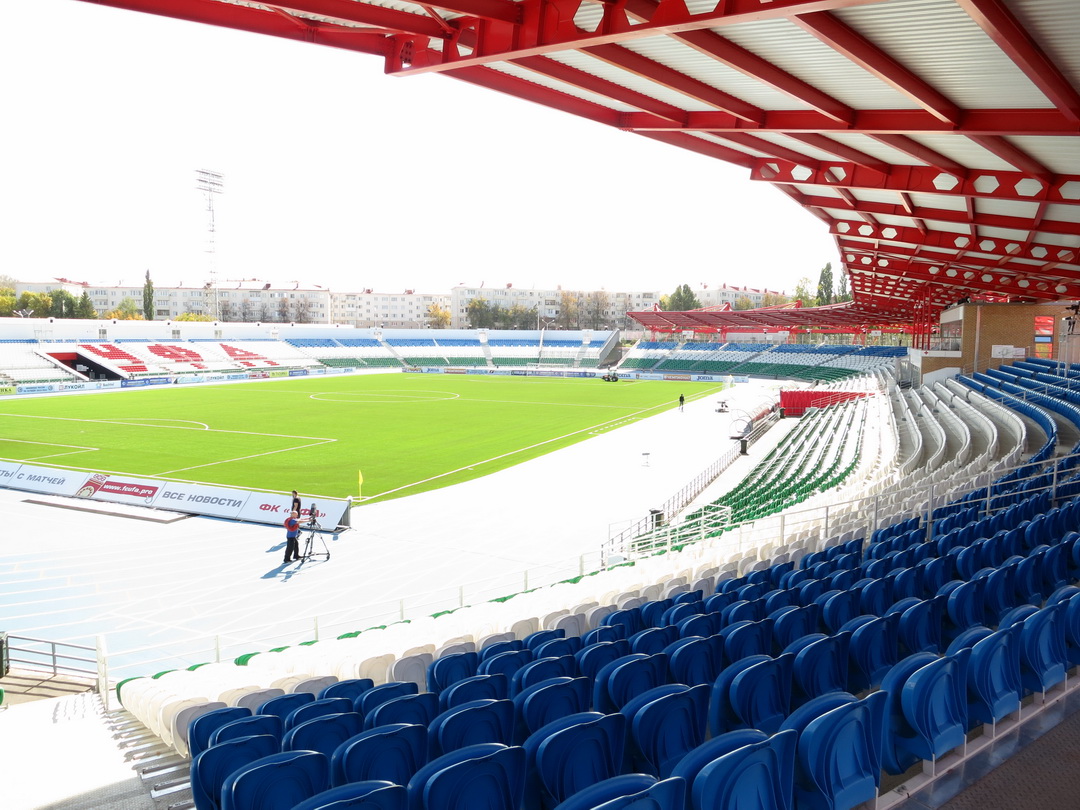
Russian Premier League football club FC Ufa is from Ufa. KHL team Salavat Yulaev Ufa plays in the city, as does Supreme Hockey League team Toros Neftekamsk, Minor Hockey League team Tolpar Ufa and Russian Women's Hockey League team Agidel. Russian Volleyball Super League team Ural and volleyball team Samrau-UGNTU are from Ufa. Russian Handball Super League team Ugntu-VNZM and Russian Women's Handball Super League team Ufa-Alisa are from Ufa. Formula One driver Daniil Kvyat hails from Ufa. It was decided in 2018 to revive bandy. There are even preliminary plans for building an indoor arena.
Culture

Bashkortostan is home to song and dance companies, a network of national theaters, museums, and libraries, and a number of annual folk festivals. The republic has seven Bashkir, four Russian, and two Tatar State Drama Theaters, a State Opera and Ballet Theater, a National Symphony Orchestra, "Bashkortostan" film studio, thirty philharmonic collectives, and the Bashkir State Folk Dance Ensemble.
The Bashkir School of Dance is well respected, with many students receiving international awards at competitions in Russia and other countries. World-renowned ballet dancer Rudolf Nureyev, as a child, was encouraged to dance in Bashkir folk performances, and began his dancing career in Ufa.
Bashkir literature is the literary tradition of the Republic of Bashkortostan.
There are many museums in the Republic that chronicle the region's history. The National Museum of the Republic of Bashkortostan, the Bashkir Nesterov Art Museum, the Museum of Archeology and Ethnography are the largest of them.
Notes
References
References
- {{Cite Russian law. ru_amendment_number. ru_amendment_title. en_url. en_amendment_number. en_amendment_title
- {{Cite Russian law
- Constitution of the Republic of Bashkortostan, Article 6
- (2018-10-11). "Путин назначил врио глав Курской области и Башкирии".
- "Оценка численности постоянного населения по субъектам Российской Федерации". [[Federal State Statistics Service (Russia).
- link
- Law #10-z
- Constitution of the Republic of Bashkortostan, Article 65
- Constitution of the Republic of Bashkortostan, Article 1
- Official throughout the Russian Federation according to Article 68.1 of the [[Constitution of Russia]].
- Федеральная служба государственной статистики (Federal State Statistics Service). (2004-05-21). "Territoriya, chislo rayonov, naselonnykh punktov i sel'skikh administratsiy po sub"yektam Rossiyskoy Federatsii". Federal State Statistics Service.
- {{cite Collins Dictionary. Bashkortostan
- {{cite Merriam-Webster. Bashkortostan
- "BASHKIR: Cyrillic script".
- {{ru-pop-ref. 2010Census
- "Жителей Башкирии посчитали".
- Национально-государственное устройство Башкортостана, 1917–1925 гг: Общее введение и Том 1 // Билал Хамитович Юлдашбаев, Китап, 2002, {{ISBN. 5295029166, 9785295029165
- Хрестоматия по истории Башкортостана: Документы и материалы с древнейших времен до 1917 года // Фарит Гумеров, "Китап", 2001
- Зулькарнаева Е. З., Кульшарипова Н. М. Фарман. // Башкортостан: краткая энциклопедия. — Уфа: Башкирская энциклопедия, 1996. — С. 603. — 672 с. — {{ISBN. 5-88185-001-7.
- ''Administrative-Territorial Structure of the Union Republics. 1987.'', p. 25
- БСЭ т.4 1950 год стр 347
- Smele, Jonathan D.. (November 19, 2015). "Historical Dictionary of the Russian Civil Wars,1916–1926". [[Rowman & Littlefield]] Publishers.
- (1984). "The Encyclopedia Americana". Danbury, Conn. : Grolier.
- "President of Russia".
- "Konstitutsiya Respubliki Bashkortostan ot 24 dekabrya 1993 g. N VS-22/15 / Glava 1. Osnovy konstitutsionnogo stroya Respubliki Bashkortostan".
- (2020). "Concise Oxford Dictionary of World Place Names". Oxford University Press.
- (2020-02-05). "THE EPICS OF CHINA". American Academic Press.
- (17 October 2024). "Placenames of the World: Origins and Meanings of the Names for 6,600 Countries, Cities, Territories, Natural Features and Historic Sites, 2d ed.". McFarland.
- "Главархитектура г. Уфы – История г. Уфы".
- Ross, Cameron. (2002-05-03). "Regional Politics in Russia". Manchester University Press.
- Об изменении наименования государства Башкирская Советская Социалистическая Республика / Закон Республики Башкортостан от 25 февраля 1992 г. № ВС-10/12
- Solnick, Steven. (29 May 1996). "Asymmetries in Russian Federation Bargaining". The National Council for Soviet and East European Research.
- Turner, Cassandra. (May 2018). ""We Never Said We're Independent": Natural Resources, Nationalism, and the Fight for Political Autonomy in Russia's Regions". University of Mississippi.
- (2005). "The Nonmarine Permian". Bulletin of the New Mexico Museum of Natural History and Science.
- {{OKATO reference. 80
- (2014-12-25). "Parlamentarii Bashkirii prinyali Zakon "O Glave Respubliki Bashkortostan"".
- (October 11, 2018). "Glava Bashkirii Khamitov ushel v otstavku".
- "Prosmotr publikatsii: Respublika Tatarstan".
- "IslamRF.ru: Татарстан и Башкортостан в первой половине 2012–го года: от альянса в экономике к сотрудничеству в сферах языка и религии".
- "Президент РТ".
- link
- (March 12, 2015). "ВРП Башкирии в 2014 году преодолел новый рубеж — 1,3 трлн рублей".
- "Республика Башкортостан в цифрах и фактах".
- "РЕЙТИНГ СОЦИАЛЬНО-ЭКОНОМИЧЕСКОГО ПОЛОЖЕНИЯ СУБЪЕКТОВ РФ ИТОГИ 2014 ГОДА".
- "Вести.Ru: Башкортостан признан регионом с минимальными экономическими рисками".
- "Title".
- "Ввод жилья в России – 2014: рейтинг регионов по итогам III квартала".
- "Сайт газеты "Республика Башкортостан" – Экономика – "Позеленеет" ли энергетика?".
- "Республика Башкортостан".
- "30 luchshikh gorodov dlya biznesa — 2013".
- "Валовой региональный продукт - Республика Башкортостан - Российская Федерация - knoema.com".
- (2021-07-01). "Development of Regional Tourism on the Example of the Republic of Bashkortostan". IOP Conference Series: Earth and Environmental Science.
- (December 10, 2020). "Развитие двух геопарков в Башкирии оценили в 920 миллионов рублей".
- "Национальный состав населения". [[Federal State Statistics Service (Russia).
- "ВПН-2010".
- Russian Census 2002. [http://www.perepis2002.ru/ct/doc/TOM_04_06.xls {{lang. ru. 6. Владение языками (кроме русского) населением отдельных национальностей по республикам, автономной области и автономным округам Российской Федерации] {{webarchive. link. (November 4, 2006 (''Knowledge of languages other than Russian by the population of republics, autonomous oblast and autonomous districts''){{in lang). ru
- [http://sreda.org/en/arena "Arena: Atlas of Religions and Nationalities in Russia"] {{Webarchive. link. (December 6, 2017 . Sreda, 2012.)
- (27 August 2012). "2012 Arena Atlas Religion Maps".
- "IslamOnline, Islamic News, Islamic Finance and Business – Bashkortostan ripe for investment: Khamitov".
- "Bashkortostan Jews Centered", ''Dateline World Jewry'', [[World Jewish Congress]], July/August 2008
- (6 September 2012). "Sotsiologicheskiye oprosy "Sredy", ili kto zakazyvayet "magiyu tsifr"?!".
- "Интерфакс-Религия: Говорить о притеснении ислама в России кощунственно, считает Талгат Таджуддин".
- "25.08.2010 :: События :: Духовное управление мусульман Республики Башкортостан – Официальный сайт".
- "Google Translate".
- (February 26, 2019). "Уфимский "Кировец" взял бронзу в финале первенства страны по хоккею с мячом".
- "Google Translate".
- "Google Translate".
- Frank, Allen J.. (2012). "Bukhara and the Muslims of Russia: Sufism, Education, and the Paradox of Islamic Prestige". Brill.
- Kavanagh, Julie. (2011). "Nureyev: The Life". [[Random House]].
- Barnes, Christopher. (2004). "Boris Pasternak: A Literary Biography, Volume 2". Cambridge University Press.

This article was imported from Wikipedia and is available under the Creative Commons Attribution-ShareAlike 4.0 License. Content has been adapted to SurfDoc format. Original contributors can be found on the article history page.
Ask Mako anything about Bashkortostan — get instant answers, deeper analysis, and related topics.
Research with MakoFree with your Surf account
Create a free account to save articles, ask Mako questions, and organize your research.
Sign up freeThis content may have been generated or modified by AI. CloudSurf Software LLC is not responsible for the accuracy, completeness, or reliability of AI-generated content. Always verify important information from primary sources.
Report