From Surf Wiki (app.surf) — the open knowledge base
Barth syndrome
Human genetic metabolism disorder
.jpg)
Human genetic metabolism disorder
| Field | Value |
|---|---|
| name | Barth syndrome |
| synonyms | 3-Methylglutaconic aciduria type II, X-linked cardioskeletal myopathy and neutropenia, cardioskeletal myopathy with neutropenia and abnormal mitochondria, cardioskeletal myopathy-neutropenia syndrome |
| image | Cardiolipin.svg |
| caption | Cardiolipin |
| symptoms | Dilated cardiomyopathy, neutropenia, short stature, muscle weakness |
| complications | Heart failure, delayed motor skills, infections |
| onset | Infancy |
| onset_always | y |
| causes | Genetic mutation |
| prognosis | Reduced life expectancy |
| frequency | 1–9 per 1,000,000 |
Barth syndrome (BTHS) is an ultra-rare, but serious X-linked genetic disorder, caused by pathogenic variants in the TAFAZZIN gene, which leads to an inborn error of lipid metabolism. It may affect multiple body systems (though mainly characterized by pronounced pediatric-onset cardiomyopathy), and is potentially fatal. The syndrome is diagnosed almost exclusively in males.
Signs and symptoms
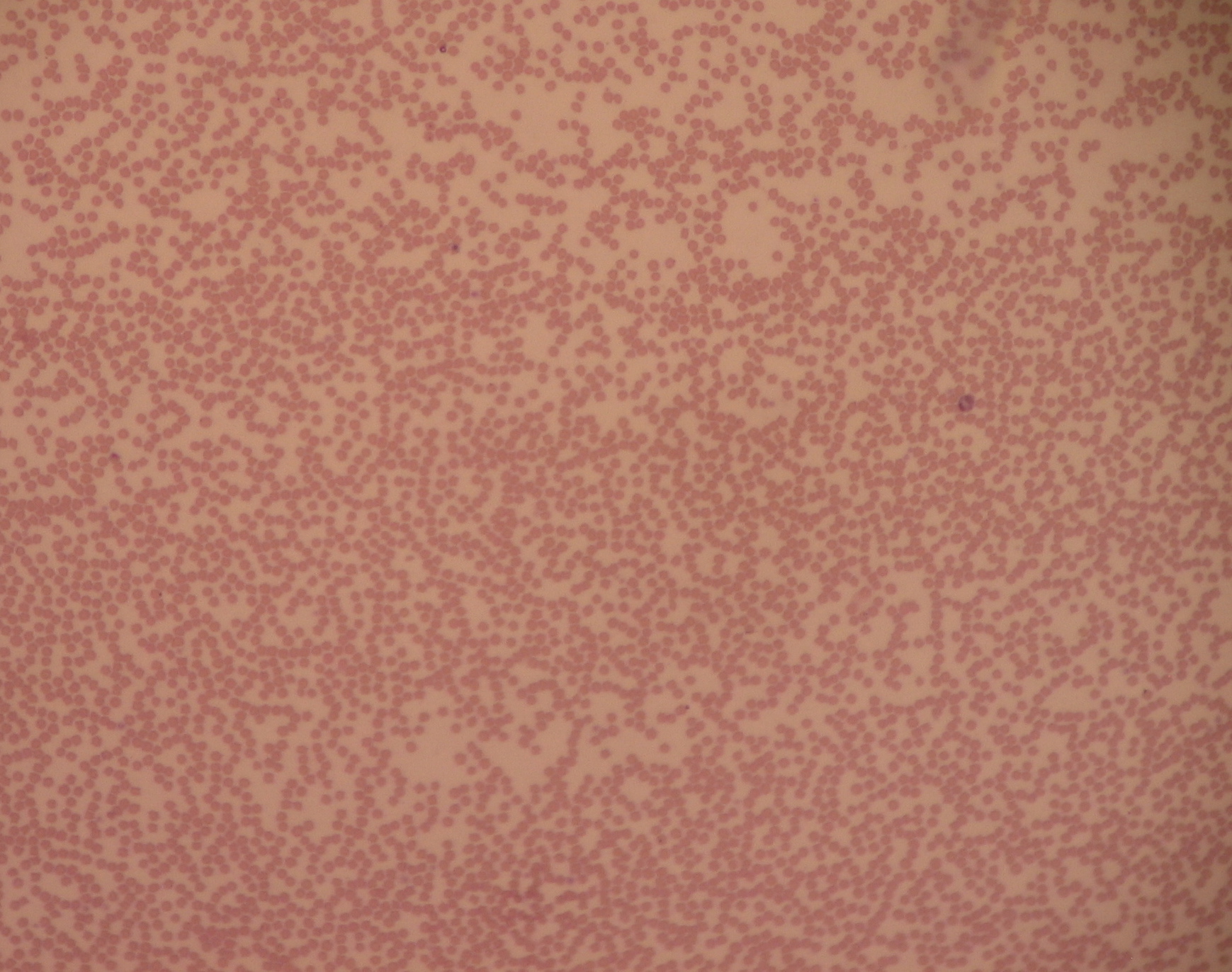
Though not always present, the cardinal characteristics of this multi-system disorder include: cardiomyopathy (dilated or hypertrophic, possibly with left ventricular noncompaction and/or endocardial fibroelastosis), neutropenia (chronic, cyclic, irregular, or intermittent), growth delay,, debilitating fatigue, cardiolipin abnormalities, and 3-methylglutaconic aciduria. It can be associated with stillbirth.
Barth syndrome is manifested in a variety of ways at birth including cardiomyopathy, heart failure, neutropenia, feeding difficulty or failure to thrive, and hypotonia. As patients progress into childhood, their height and weight lag significantly behind average. While most patients express normal intelligence, a proportion of patients also exhibit mild learning difficulties and motor development delay. Physical activity is also hindered due to diminished muscular development and muscular hypotonia. Growth accelerates during puberty, and many patients reach a normal adult height.
Cardiomyopathy is one of the more severe manifestations of Barth syndrome. The myocardium is dilated, reducing the systolic pump of the ventricles. For this reason, most patients have left myocardial thickening (hypertrophy). While cardiomyopathy can be life-threatening, it is commonly resolved or substantially improved in Barth syndrome patients after puberty.
Neutropenia, a granulocyte disorder that results in a low production of neutrophils, the body's primary defenders against bacterial infections, is another severe manifestation of Barth syndrome. In general, lower levels of neutrophils render a patient more vulnerable to bacterial infections; in Barth syndrome patients, however, there are reports of relatively fewer bacterial infections as compared to non-Barth patients with neutropenia.
Cause
The tafazzin gene (TAZ, also called G4.5 or NG_009634) is highly expressed in cardiac and skeletal muscle; its gene product, Taz1p, functions as an acyltransferase in complex lipid metabolism. Any type of mutation of TAZ (missense, nonsense, deletion, frameshift, and/or splicing) is closely associated with Barth syndrome.
In 2008, Dr. Kulik found that every patient with Barth syndrome that he tested had abnormalities in their cardiolipin, a lipid found inside the mitochondria of cells. Cardiolipin is intimately connected with the electron transport chain proteins and the membrane structure of the mitochondrion, the energy-producing organelle of the cell. iPLA2-VIA has been suggested as a target for treatment.
The human tafazzin gene is over 10,000 base pairs in length, the full-length mRNA, NM_000116, being 1919 nucleotides long, encoding 11 exons with a predicted protein length of 292 amino acids and a molecular weight of 33.5 kDa. It is located at Xq28; the long arm of the X chromosome. This explains the X-linked nature of Barth syndrome.
There are some case reports of women who are asymptomatic carriers of the TAZ mutation. Any of their children might inherit the modified gene with a 50% probability, with the males developing Barth syndrome and the females going on to be carriers themselves. Thus, it is vitally important to take familial histories of Barth syndrome patients to determine genetic risk. Ideally, any male who is matrilineally related to an individual with Barth syndrome should be tested for TAZ mutation(s). Because the phenotype can vary widely, even among affected siblings, symptomatology (or lack thereof) by itself is insufficient for diagnosis.
Diagnosis
Early diagnosis of the syndrome is complicated, but of critical importance. Clinical presentation in Barth syndrome is highly variable, with the only common denominator being early-onset and pronounced cardiomyopathy. Diagnosis is established based upon several tests, among which can be blood tests (neutropenia, white blood cell count), urinalysis (increased urinary organic acid levels), echocardiography (cardiac ultrasound, to assess (and detect abnormalities in) the heart's structure, function and condition), and, with reasonable suspicion of Barth syndrome, DNA sequencing (to verify TAZ gene status).
Differential diagnosis
Based on symptoms at time of presentation, the differential diagnosis may include other hereditary and/or nutritional causes of (dilated) cardiomyopathy and (cyclic or idiopathic) neutropenia.
Treatment
Elamipretide (Forzinity) was approved for medical use in the United States in September 2025.
Epidemiology
Being X-linked, Barth syndrome has been predominantly diagnosed in males (as of July 2009: 120+ males), although by 2012 a female case had been reported.
The syndrome is believed to be severely under-reported due to the complexity of (early) diagnosis. Reports on its incidence and prevalence in the international literature vary; around 1 in every 454,000 individuals are thought to suffer from Barth syndrome. Incidence has been estimated at anywhere between 1:140,000 (South West England, South Wales) and 1:300,000 – 1:400,000 live births (United States). Geographical distribution is homogenous, with patients (and their family members) on every continent (with known cases in, for example, the US, Canada, Europe, Japan, South Africa, Kuwait, and Australia).
History
The syndrome was named for Dr. Peter Barth (b. 1932), a Dutch pediatric neurologist, for his research into and the discovery of the syndrome in 1983. He described a pedigree chart, showing that this is an inherited trait and not a 'communicated' (i.e. infectious) disease.
References
References
- "Barth syndrome: MedlinePlus Genetics".
- "Orphanet: Barth syndrome".
- (December 2008). "The cardiolipin transacylase, tafazzin, associates with two distinct respiratory components providing insight into Barth syndrome". Mol. Biol. Cell.
- (August 2006). "Cardiac and clinical phenotype in Barth syndrome". Pediatrics.
- (November 1991). "X-linked dilated cardiomyopathy with neutropenia, growth retardation, and 3-methylglutaconic aciduria". The Journal of Pediatrics.
- (January 2019). "Neutropenia in Barth syndrome: characteristics, risks and management". Current Opinion in Haemotology.
- (December 1983). "An X-linked mitochondrial disease affecting cardiac muscle, skeletal muscle and neutrophil leucocytes". Journal of the Neurological Sciences.
- Reynolds, Stacey. (2023-07-01). "A Qualitative Investigation of Fatigue & Its Daily Impacts as Perceived by Individuals With Barth Syndrome & Their Families". The American Journal of Occupational Therapy.
- (December 2003). "Phospholipid abnormalities in children with Barth syndrome". Journal of the American College of Cardiology.
- (December 2000). "Defective remodeling of cardiolipin and phosphatidylglycerol in Barth syndrome". Biochemical and Biophysical Research Communications.
- (October 2010). "Barth syndrome: an X-linked cause of fetal cardiomyopathy and stillbirth". Prenat. Diagn..
- Kenneson, Aileen. (2024-09-24). "The diagnostic odyssey, clinical burden, and natural history of Barth syndrome: an analysis of patient registry data". Journal of Translational Genetics and Genomics.
- Roberts, Amy E.. (November 2012). "The Barth Syndrome Registry: Distinguishing disease characteristics and growth data from a longitudinal study". American Journal of Medical Genetics Part A.
- "Barth syndrome - X-linked Cardiomyopathy and Neutropenia".
- "Barth syndrome Foundation : Home".
- (February 2008). "Bloodspot assay using HPLC-tandem mass spectrometry for detection of Barth syndrome". Clinical Chemistry.
- (February 2009). "Role of calcium-independent phospholipase A2 in the pathogenesis of Barth syndrome". Proc. Natl. Acad. Sci. U.S.A..
- (April 1996). "A novel X-linked gene, G4.5. is responsible for Barth syndrome". Nature Genetics.
- (July 9, 2020). "Barth syndrome". University of Washington, Seattle.
- (19 September 2025). "Stealth BioTherapeutics Announces FDA Accelerated Approval of Forzinity (elamipretide HCl), the First Therapy for Progressive and Life-limiting Ultra-rare Genetic Disease Barth syndrome". Stealth Biotherapeutics.
- "Barth syndrome Foundation : Home".
- (May 2012). "Barth syndrome in a female patient". Mol Genet Metab.
- (September 1999). "Genetic analysis of the G4.5 gene in families with suspected Barth syndrome". The Journal of Pediatrics.
This article was imported from Wikipedia and is available under the Creative Commons Attribution-ShareAlike 4.0 License. Content has been adapted to SurfDoc format. Original contributors can be found on the article history page.
Ask Mako anything about Barth syndrome — get instant answers, deeper analysis, and related topics.
Research with MakoFree with your Surf account
Create a free account to save articles, ask Mako questions, and organize your research.
Sign up freeThis content may have been generated or modified by AI. CloudSurf Software LLC is not responsible for the accuracy, completeness, or reliability of AI-generated content. Always verify important information from primary sources.
Report