From Surf Wiki (app.surf) — the open knowledge base
Barista
Person who prepares and serves coffee drinks
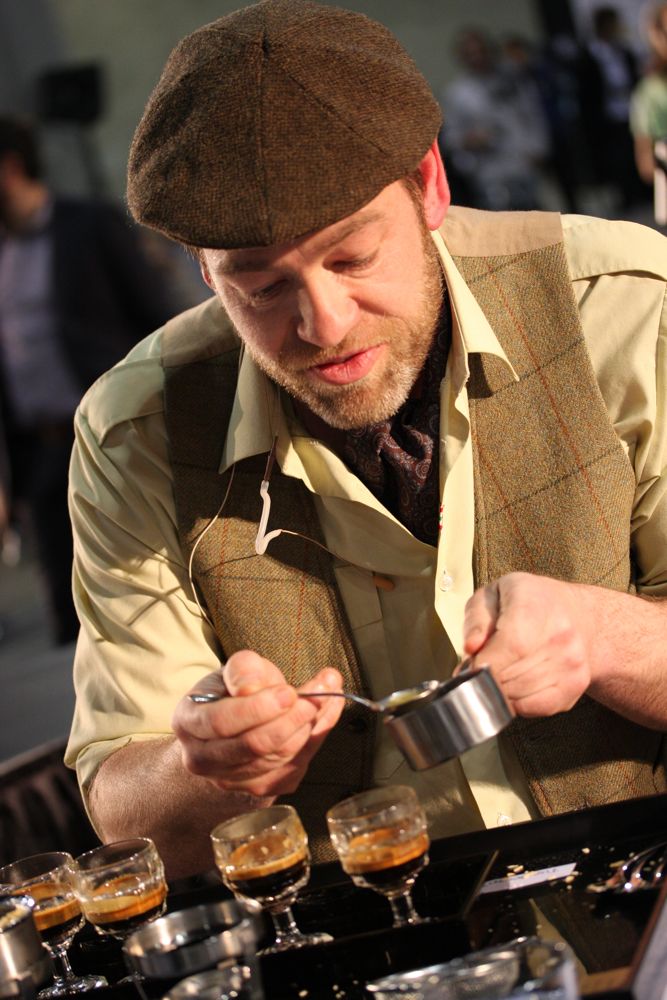
Person who prepares and serves coffee drinks
coffee-house employees
A barista ( , ; ) is a person, usually a coffeehouse employee, who prepares and serves espresso-based coffee drinks and other beverages.
Etymology and inflection
The word barista comes from Italian, where it means a "bartender" who typically works behind a counter, serving hot drinks (such as espresso), cold alcoholic and non-alcoholic beverages, and snacks. The Italian plural is baristi for masculine () or bariste for feminine (), while English and Spanish use "baristas".
Application of the title
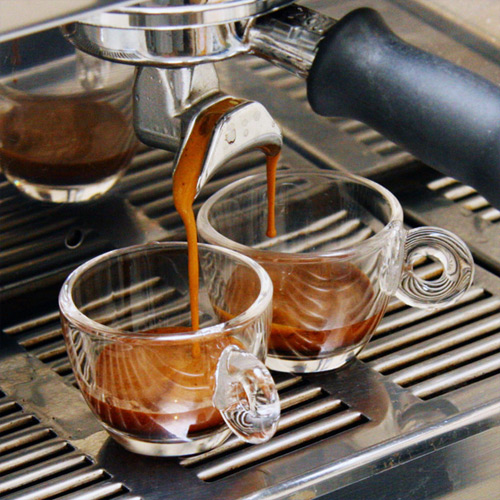

Baristas generally operate a commercial espresso machine, and their role is preparing and pulling the shot; the degree to which this is automated or done manually varies significantly, ranging from push-button operation to an involved manual process. Good manual espresso-making is considered a skilled task. The preparation of other beverages, particularly milk-based drinks such as cappuccinos and caffè lattes, but also non-espresso coffee such as drip or press pot, requires additional work and skill for effective frothing, pouring, and latte art.
The barista is usually trained to prepare coffee by the roaster or shop owner. Experienced baristas may have the discretion to vary the preparation or experiment.
Beyond the preparation of espresso and other beverages and general customer service, skilled baristas acquire knowledge of the entire process of coffee to effectively prepare a desired cup of coffee, including maintenance and programming of the machine, grinding methods, roasting, and coffee plant cultivation, similar to how a sommelier is familiar with the entire process of winemaking and consumption. A barista can acquire these skills by attending training classes, but they are more commonly learned on the job.
Competition
Formal barista competitions originated in Norway, and one such is the World Barista Championships, held annually at varied international locations. The knowledge sharing at WBC is credited with spreading the beverage espresso and tonic to North America.
References
References
- "Barista".
- "barista {{!}} Origin and meaning of barista by Online Etymology Dictionary".
- "What It Means to Be a Barista".
- "Qual è il caffè espresso perfetto e come va bevuto?".
- Wendelboe, Tim (1 May 2005). [http://www.coffeegeek.com/opinions/professionals/05-01-2006 The Future of the World Barista Championship.] {{Webarchive. link. (20 November 2012 . "CoffeeGeek.com". Retrieved 25 November 2006.)
- "World Barista Championship".
- "Deep Dive: What Is an Espresso Tonic? {{!}} Trade Coffee".
This article was imported from Wikipedia and is available under the Creative Commons Attribution-ShareAlike 4.0 License. Content has been adapted to SurfDoc format. Original contributors can be found on the article history page.
Ask Mako anything about Barista — get instant answers, deeper analysis, and related topics.
Research with MakoFree with your Surf account
Create a free account to save articles, ask Mako questions, and organize your research.
Sign up freeThis content may have been generated or modified by AI. CloudSurf Software LLC is not responsible for the accuracy, completeness, or reliability of AI-generated content. Always verify important information from primary sources.
Report